





Vegetarian Friendly Colon Cleanse Capsules
(0 Results)
Vegetarian friendly colon cleanse capsules offer a convenient option for those seeking plant-based support as part of their wellness routine. These capsules are crafted to align with vegetarian lifestyles, making it easier to find products that fit specific dietary preferences. With a variety of options available, discovering vegetarian friendly colon cleanse capsules may help you maintain your wellness goals while staying true to your values.


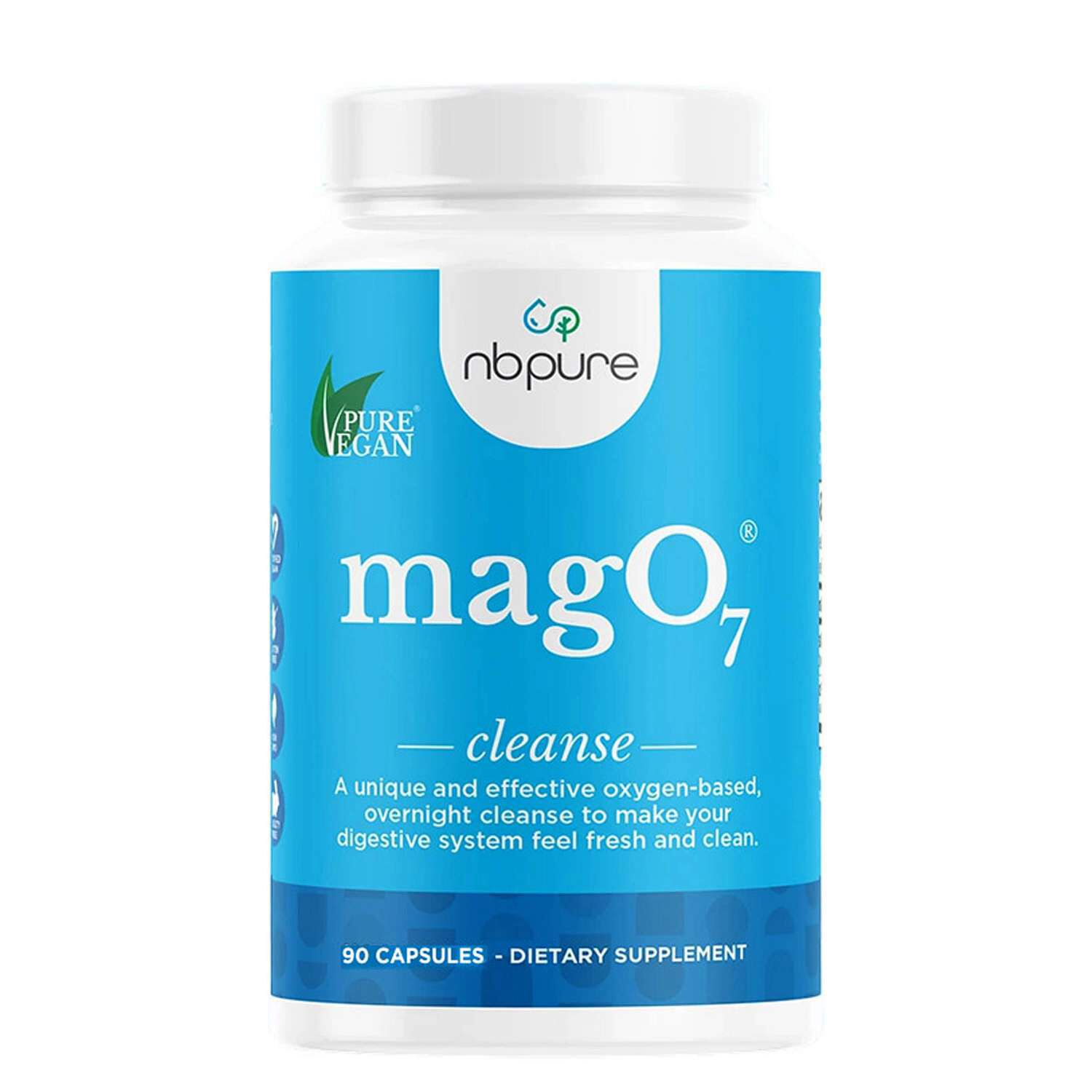


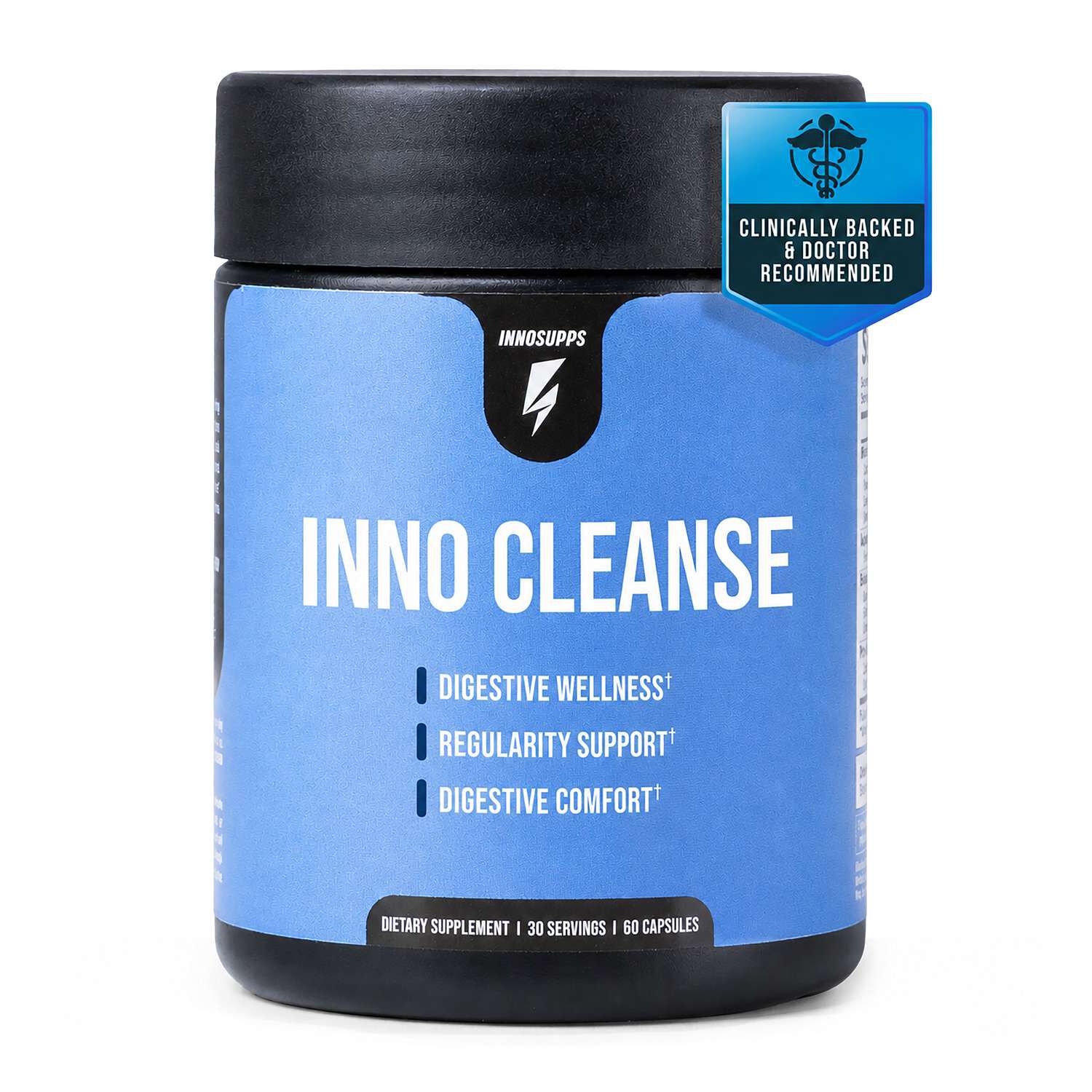


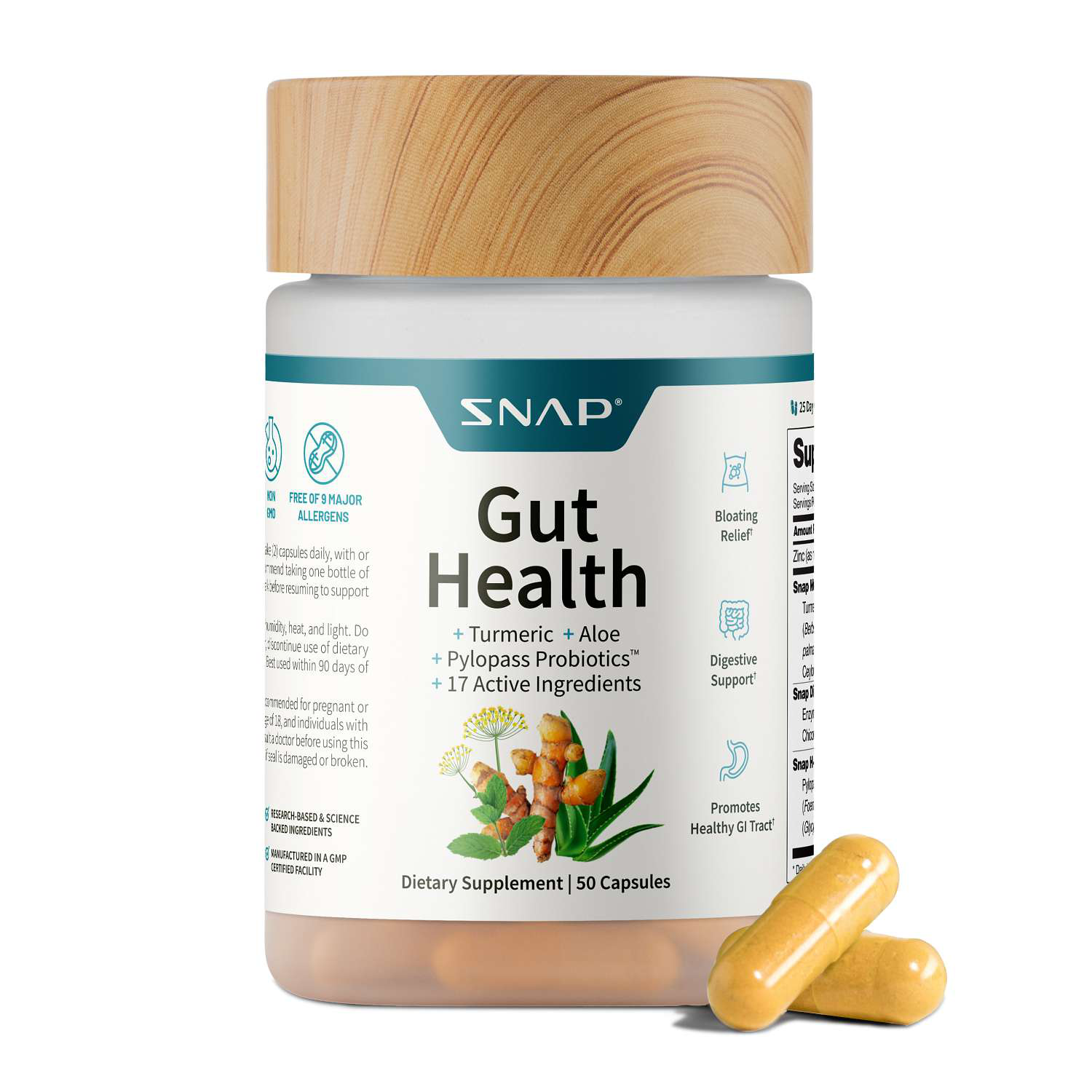
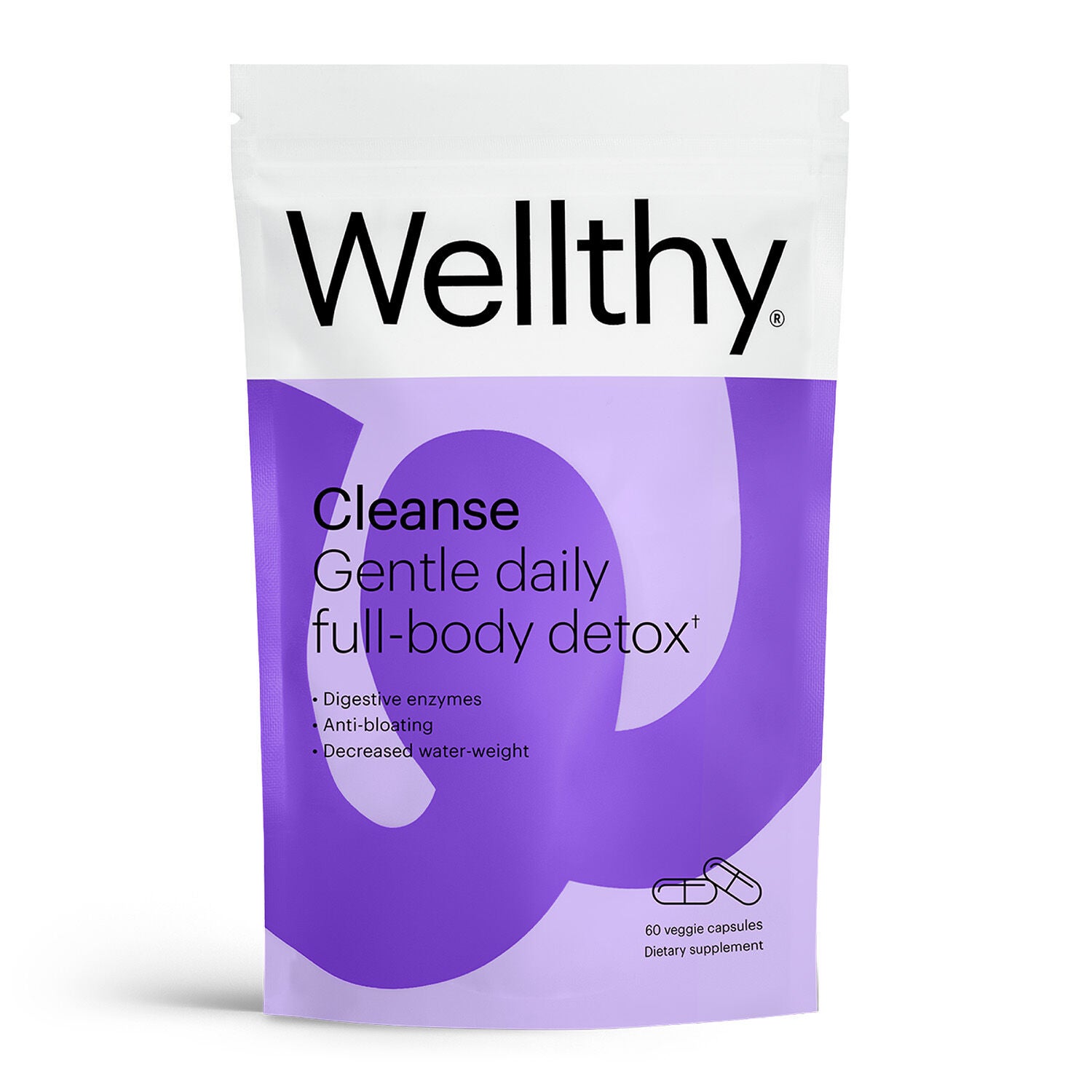
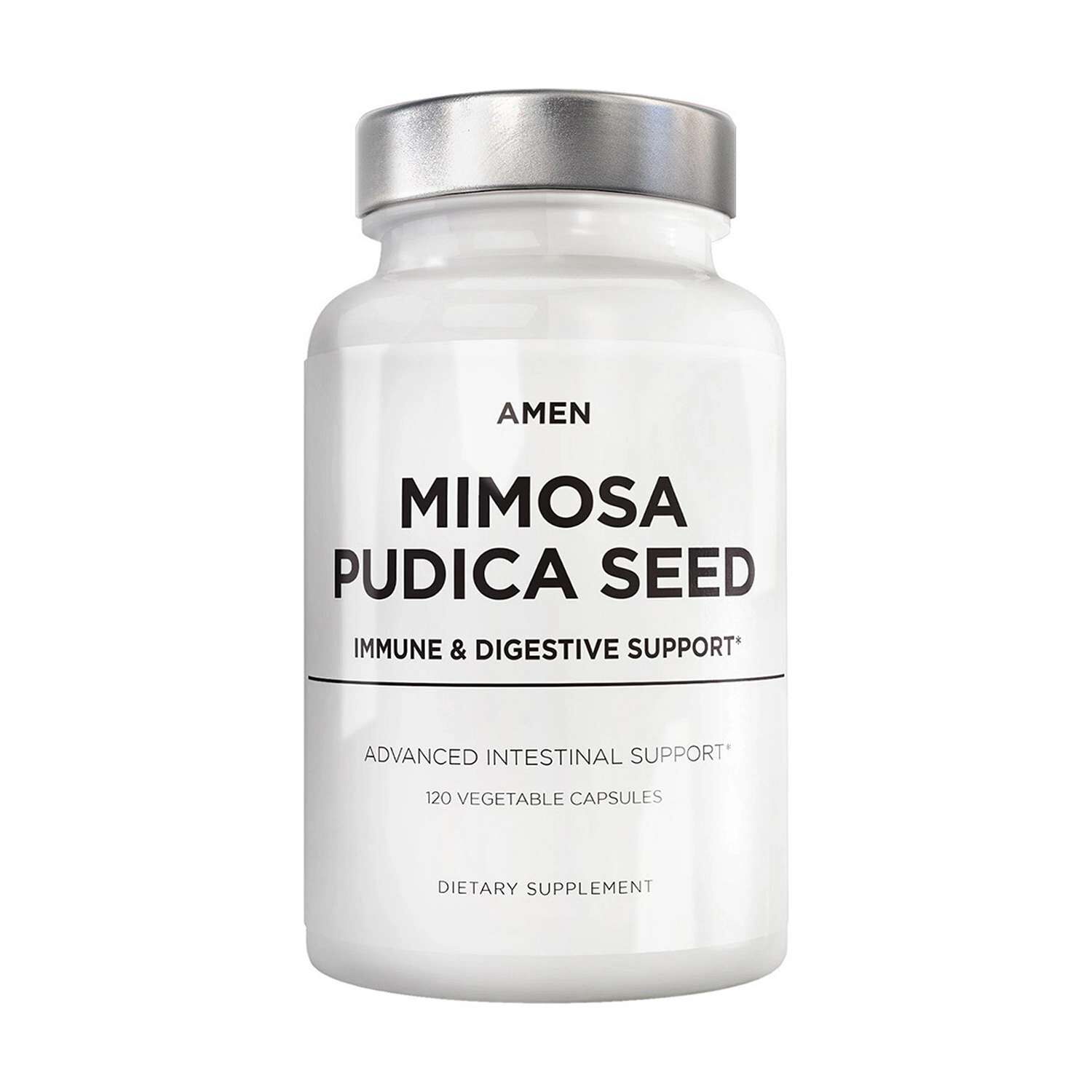

Vegetarian-friendly colon cleanse capsules are dietary supplements formulated with capsule materials and ingredients that align with vegetarian preferences. The term describes a product category, not a standardized recipe: formulas can differ in their botanical ingredients, mineral content, fiber sources, serving sizes, and labeled periods of use. The capsule shell is an important distinction. Many conventional capsules contain gelatin derived from animals, while vegetarian shells commonly use cellulose-based materials or other non-animal alternatives. A plant-derived shell, however, tells only part of the story. The ingredients inside the capsule, along with processing aids and other listed components, also matter when comparing formulas for a vegetarian lifestyle. Some colon cleanse capsules contain psyllium husk, a plant-derived fiber ingredient. Others feature magnesium, botanical blends, or combinations of ingredients. Herbal names that can appear in this category include senna leaf, cascara sagrada bark, ginger, licorice, and chicory. These ingredients are not interchangeable, and the presence of a familiar herb does not establish that two formulas have the same composition or intended use. The plant part can be meaningful as well: a leaf, root, bark, or husk identifies a different material, even when ingredient names sound similar. Whole botanical powders and extracts are also distinct forms, so the ingredient description deserves more attention than a short phrase on the front of the bottle. Vegetarian and vegan labeling should be read separately. A vegetarian designation does not necessarily indicate that every ingredient meets vegan preferences, and neither term automatically addresses gluten, soy, dairy, or other dietary considerations. For shoppers who organize purchases around ingredient sourcing, the most useful comparison starts with the full label rather than capsule color, bottle design, or the word “natural.” A formula’s stated dietary attributes, ingredient list, and capsule composition together provide a more detailed picture of how it fits a particular set of preferences. This is especially relevant when a household includes people with different approaches to vegetarian eating.
Comparing vegetarian colon cleanse capsules involves more than counting the capsules in each bottle. A package containing more capsules does not necessarily contain more servings, because the labeled serving size can vary. Supplement Facts panels distinguish the amount per serving from the number of capsules used for that serving, while other label sections describe the intended schedule and duration. Some formulas in this category are labeled for a defined, short-term period; others carry different directions. The category name alone does not establish an everyday routine. For someone comparing two bottles side by side, a useful sequence is to look at capsule material, ingredient amounts, serving size, servings per container, and the manufacturer’s stated use. This keeps the comparison grounded in visible details rather than similar product names. Ingredient presentation also varies. One label might list individual botanical amounts, while another identifies a blend with a combined amount. Those formats provide different degrees of detail about the ingredients within each serving. Magnesium can appear in different forms, and fiber-containing capsules can differ substantially in how much fiber a serving contains. A capsule format should not be assumed to match a scoopable fiber powder simply because both mention the same plant ingredient. Physical format matters, too. Capsules offer a premeasured presentation without a powder scoop or mixing step, although the number of capsules per serving remains an important practical detail. Where dimensions are supplied, capsule size can also be compared before purchase. Packaging and storage deserve similar attention. The original container keeps the ingredient panel, lot information, and printed date together, which can be useful when several supplements share a shelf. A securely closed cap, intact packaging, and storage consistent with the manufacturer’s directions are relevant considerations for maintaining the condition of the contents. A bathroom cabinet, kitchen counter, and pantry shelf can present different storage conditions, so the bottle’s instructions are more useful than assuming every location is equivalent. Appearance alone cannot establish ingredient identity or suitability, making readable labeling a practical part of the format.
For adults who choose supplements around vegetarian preferences, the appeal of this category often begins with consistency: the capsule shell and the formula inside should make sense alongside the ingredient choices already made for food and other personal purchases. One shopper might prioritize a clearly identified cellulose shell and a concise ingredient list. Another might be comparing botanical combinations while paying close attention to the distinction between individual ingredient amounts and blend amounts. Someone who already keeps several supplements on a shelf may place particular value on a readable label and an easily recognized container. These are different shopping priorities, and no single package feature answers all of them. Familiar ingredients, a compact bottle, or a vegetarian designation can each be useful details without establishing that a formula suits every person or every purpose. Products in neighboring categories deserve the same careful distinction. Shoppers browsing plant-focused supplements may also explore Vegetarian Friendly Greens Capsules, a separate category with its own ingredients and labeled uses. A greens capsule and a colon cleanse capsule are not interchangeable merely because both use vegetarian shells or contain plant materials. Their names describe different merchandising categories, while their labels explain what each formula actually contains. The same distinction applies to fiber supplements, mineral supplements, and other botanical capsules that may share individual ingredients with colon cleanse formulas. Overlapping ingredients do not make the finished formulas equivalent. Keeping these differences in view makes browsing more specific: capsule construction addresses one preference, ingredient sourcing addresses another, and the stated serving and duration describe the intended format of use. The most relevant choice is therefore based on a collection of concrete details rather than a single appealing word. Vegetarian-friendly colon cleanse capsules can be compared by what is in the shell, what the shell is made from, how the contents are presented, and what the label says about their intended use. Those details offer a grounded way to distinguish formulas within a category that can otherwise look very similar at a glance.
Best Sellers
Related Pages
Top Collections
- Daily Collagen Supplements | Top Brands & Deals | GNC
- Natural Collagen Supplements | Top Brands & Deals | GNC
- Top Rated Collagen | Shop Customer Favorites | GNC
- Cortisol Supplements
- Vitamins For Hair Loss
- Spirulina Tablets
- NAD+ Supplement Tablets
- Peptide Supplements
- Best Brand of Magnesium Glycinate
- Vitamins That Help Support Weight Gain