





Vitamin C Supplements For Collagen Support
(0 Results)
Vitamin C supplements for collagen support could be a great addition to your daily wellness routine. These supplements may play a role in helping your body maintain healthy skin, hair, nails, and joints. Whether you’re looking to support your natural collagen production or simply want to add an extra boost of vitamin C to your day, there are plenty of options available to fit your lifestyle and preferences. Explore a variety of vitamin C supplements for collagen support that might align with your personal health and wellness goals.






_Front.jpg?sw=305&sh=305&sm=fit "Pure Way-C Vitamin C and Bioflavonoids 1000+ mg - 90 Tablets (90 Servings) | GNC")
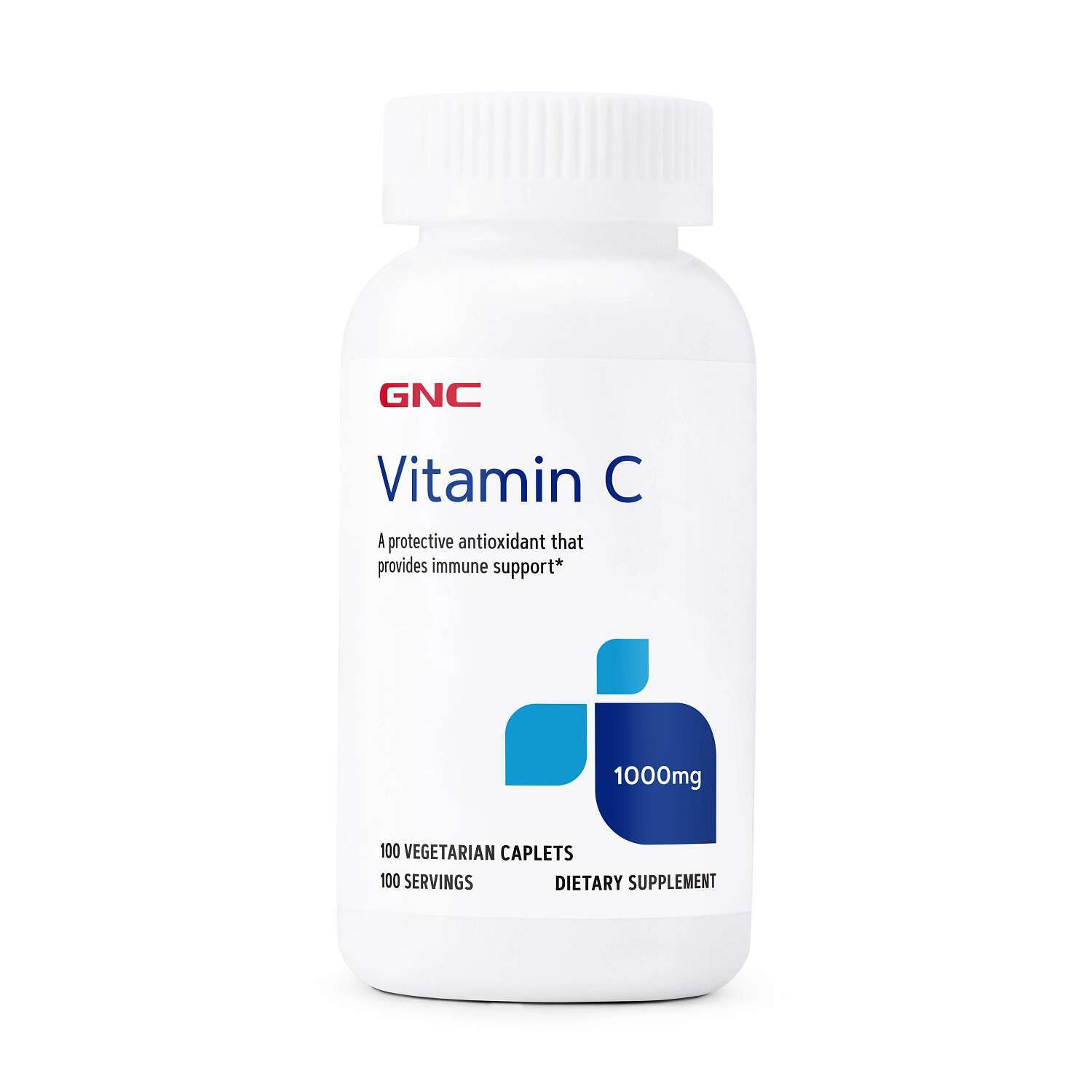


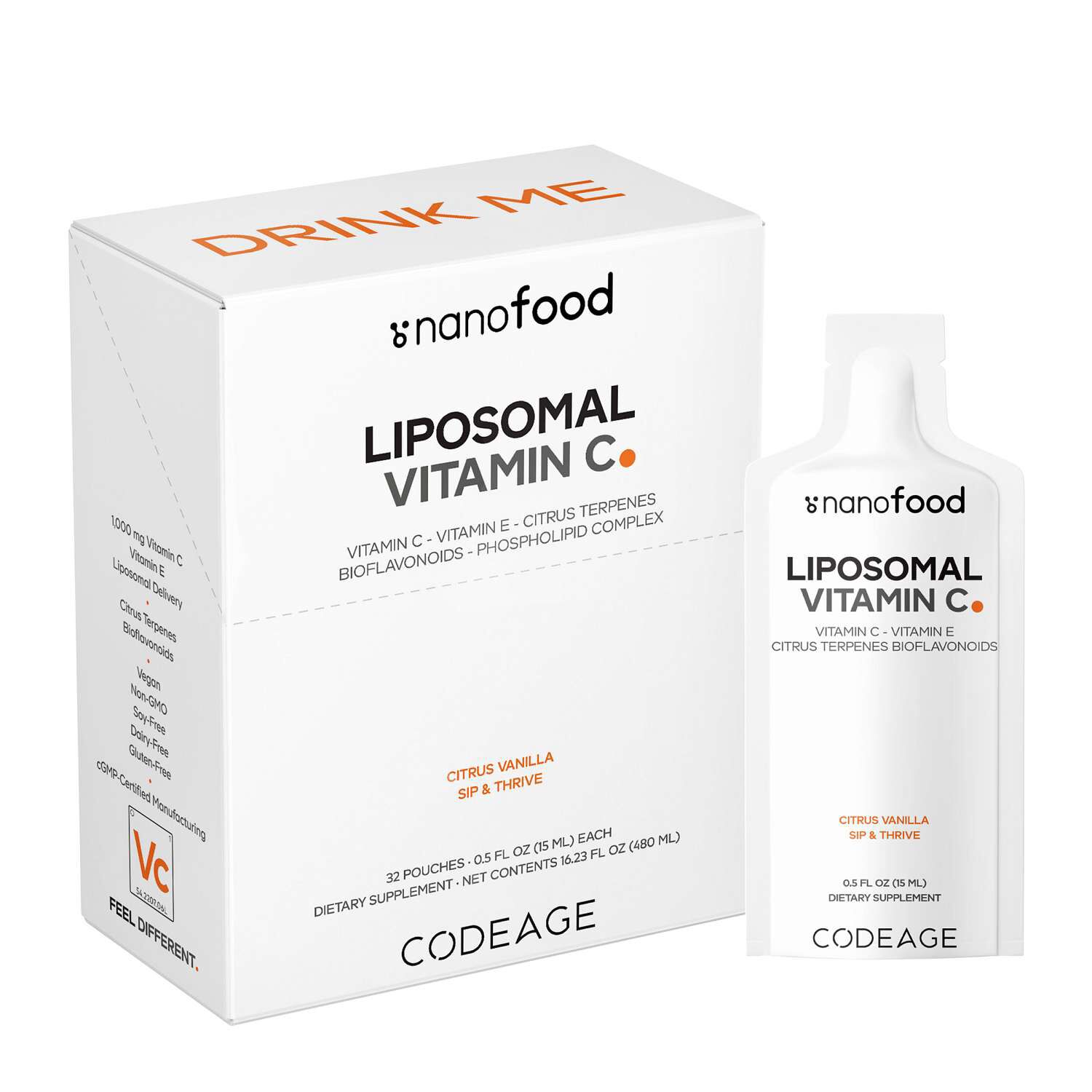
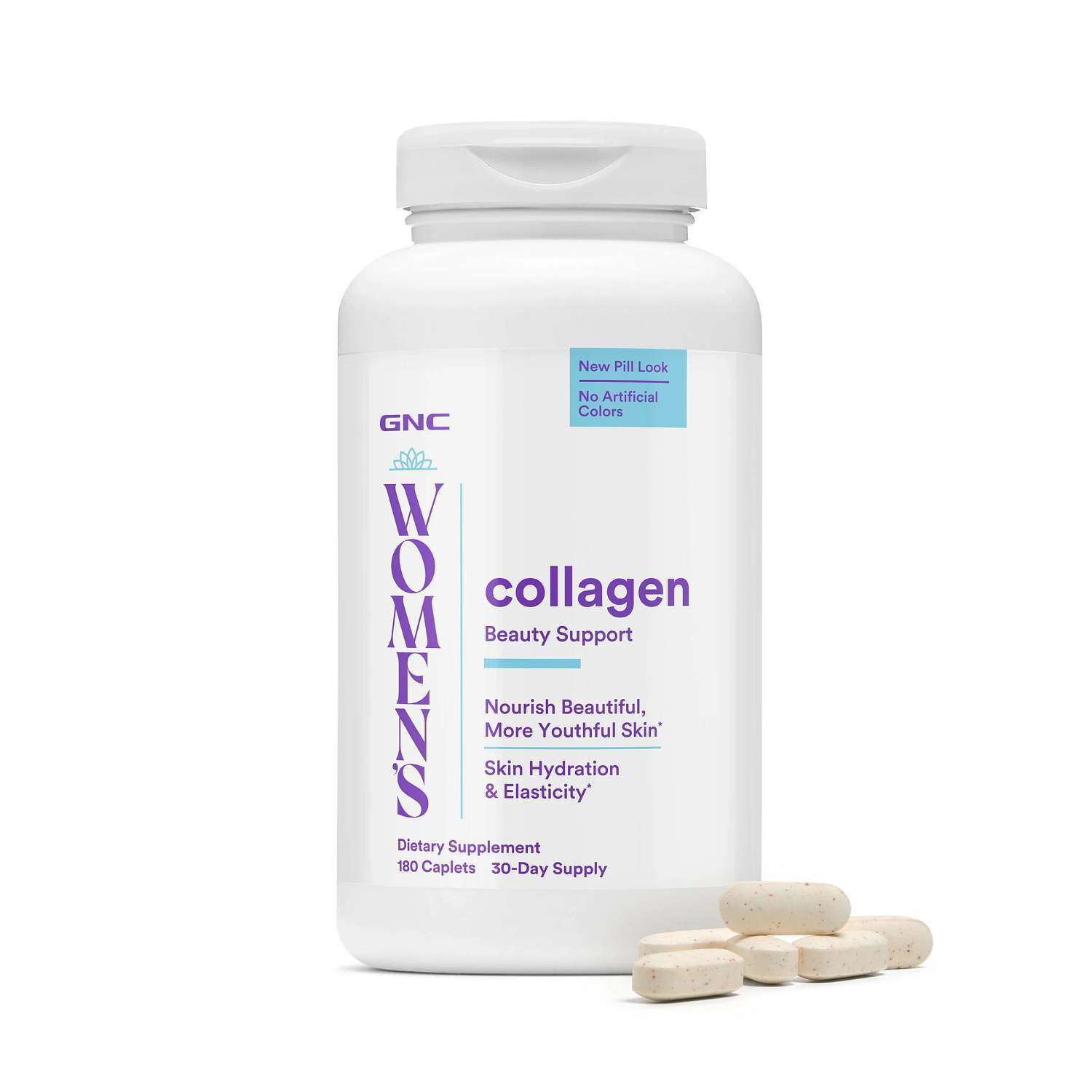
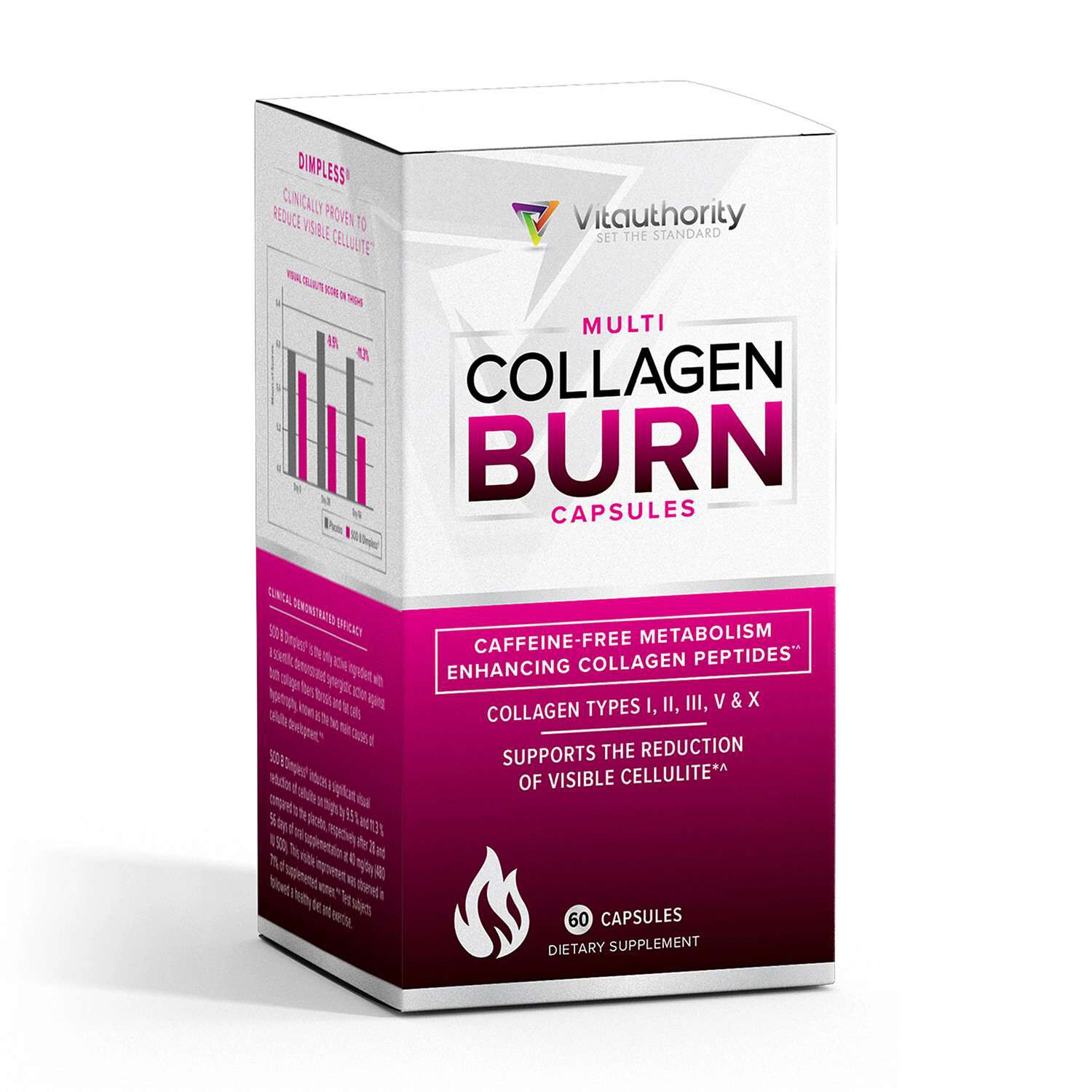
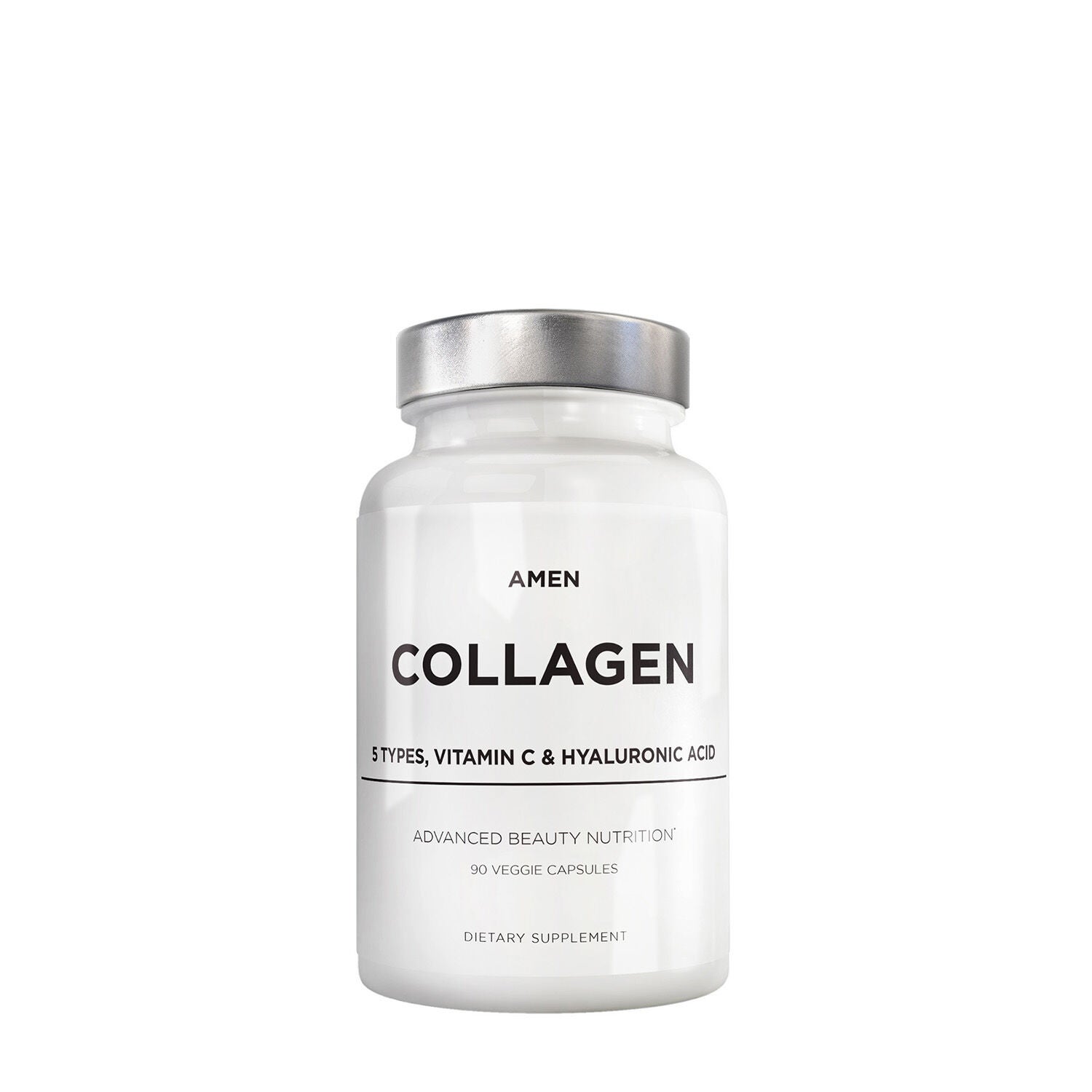
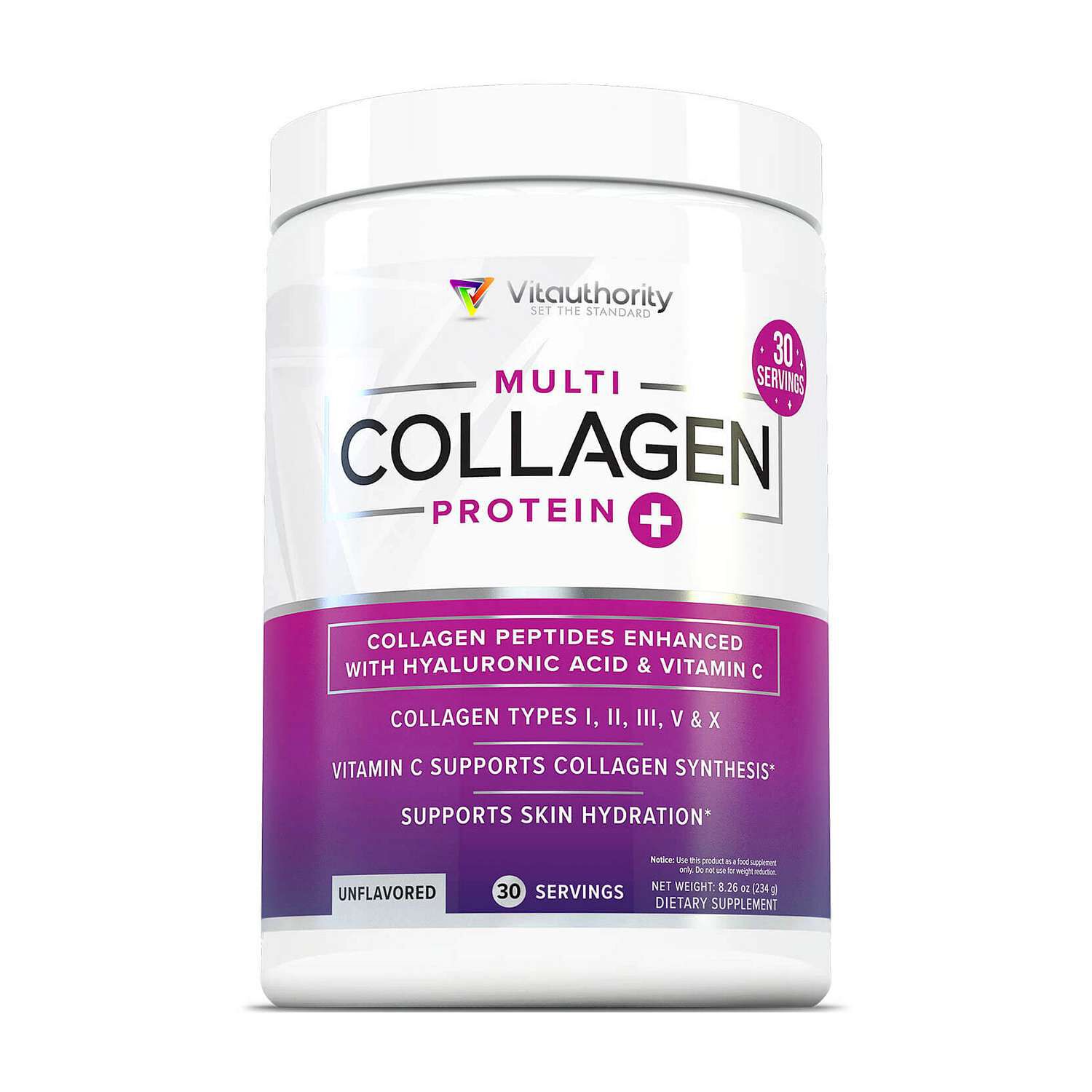
Vitamin C supplements for collagen support may complement a daily routine built around varied foods and adequate dietary protein. Vitamin C may support normal collagen formation, while collagen itself is a structural protein found in skin and other connective tissues. The distinction matters when comparing formulas: a vitamin C supplement supplies a nutrient involved in collagen formation, but it does not necessarily contain collagen. A collagen supplement supplies collagen-derived protein or peptides and may or may not include vitamin C. These categories overlap in combination formulas, so the ingredient list provides a clearer picture than the name on the front of a container. Standalone vitamin C may suit someone who already uses a plain collagen powder and prefers to keep the two separate. A formula containing both ingredients may appeal to someone who wants fewer containers on the kitchen counter or one preparation step instead of two. Dietary protein provides amino acids, and foods such as oranges, strawberries, bell peppers, and broccoli contribute vitamin C. Supplements may complement those food choices rather than replace the variety they offer. For shoppers interested in a skin-focused wellness routine, useful comparisons include ingredient combinations, serving sizes, and everyday preferences rather than dramatic claims about appearance. Vitamin C content alone does not describe the amount or source of collagen in a combination formula, and collagen content alone does not establish whether vitamin C is included. A clearly presented Supplement Facts panel helps distinguish those details. Those comparing collagen sources alongside vitamin C can also explore Natural Collagen Supplements for related options. On labels, hydrolyzed collagen refers to collagen processed into smaller peptides; that wording describes the collagen ingredient, not a form of vitamin C. Understanding these basic differences makes it easier to compare a dedicated vitamin C formula with a collagen blend without treating the two as interchangeable.
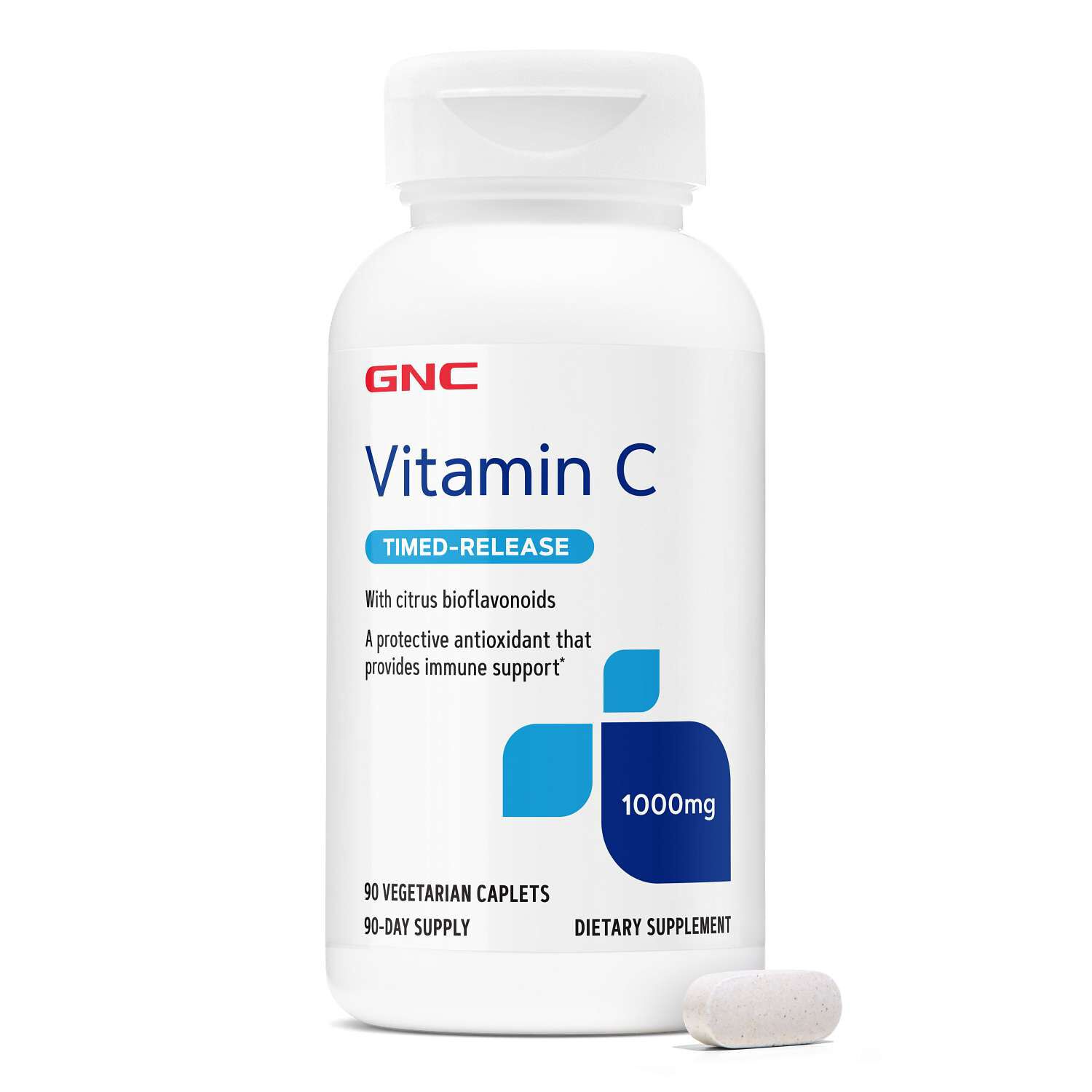
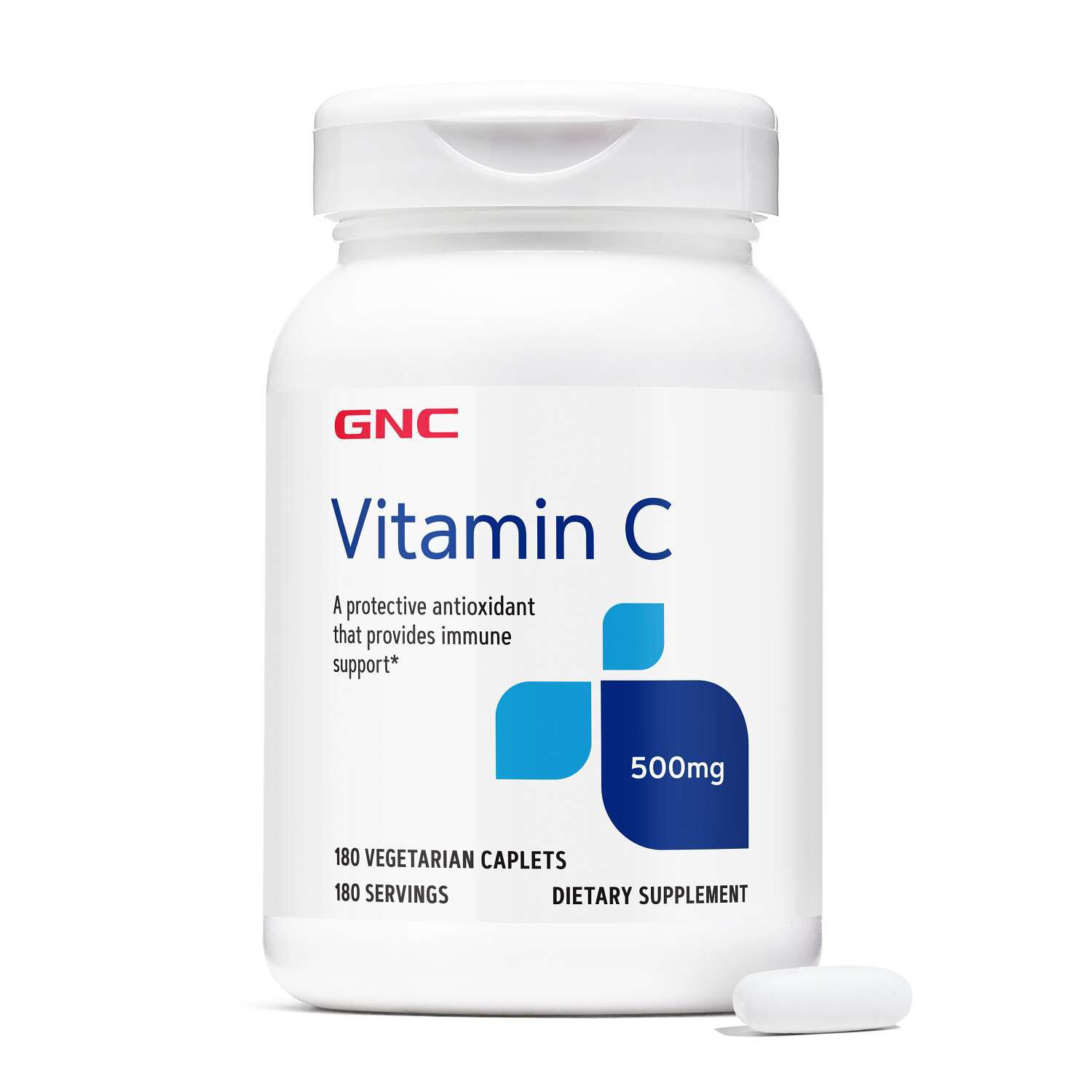
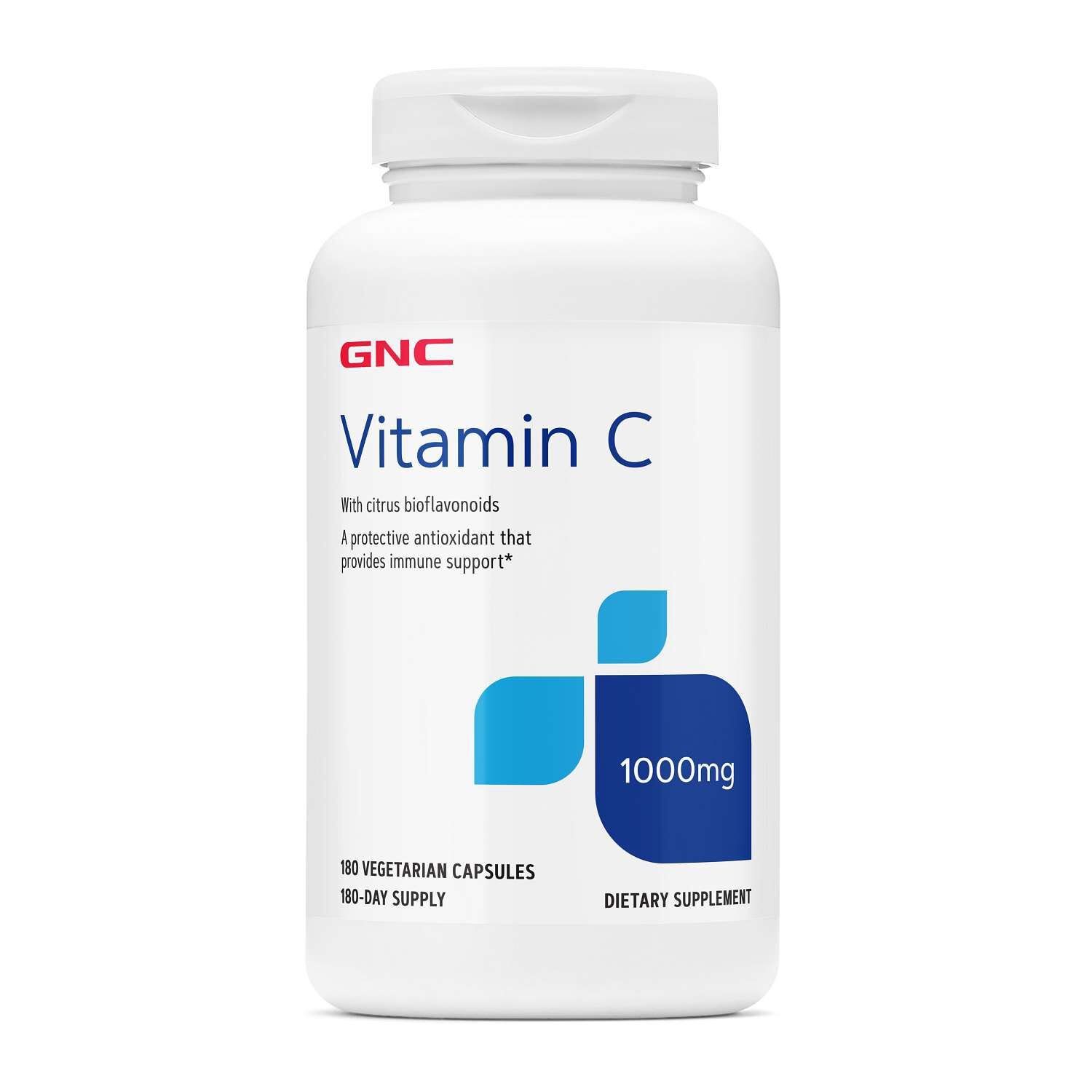
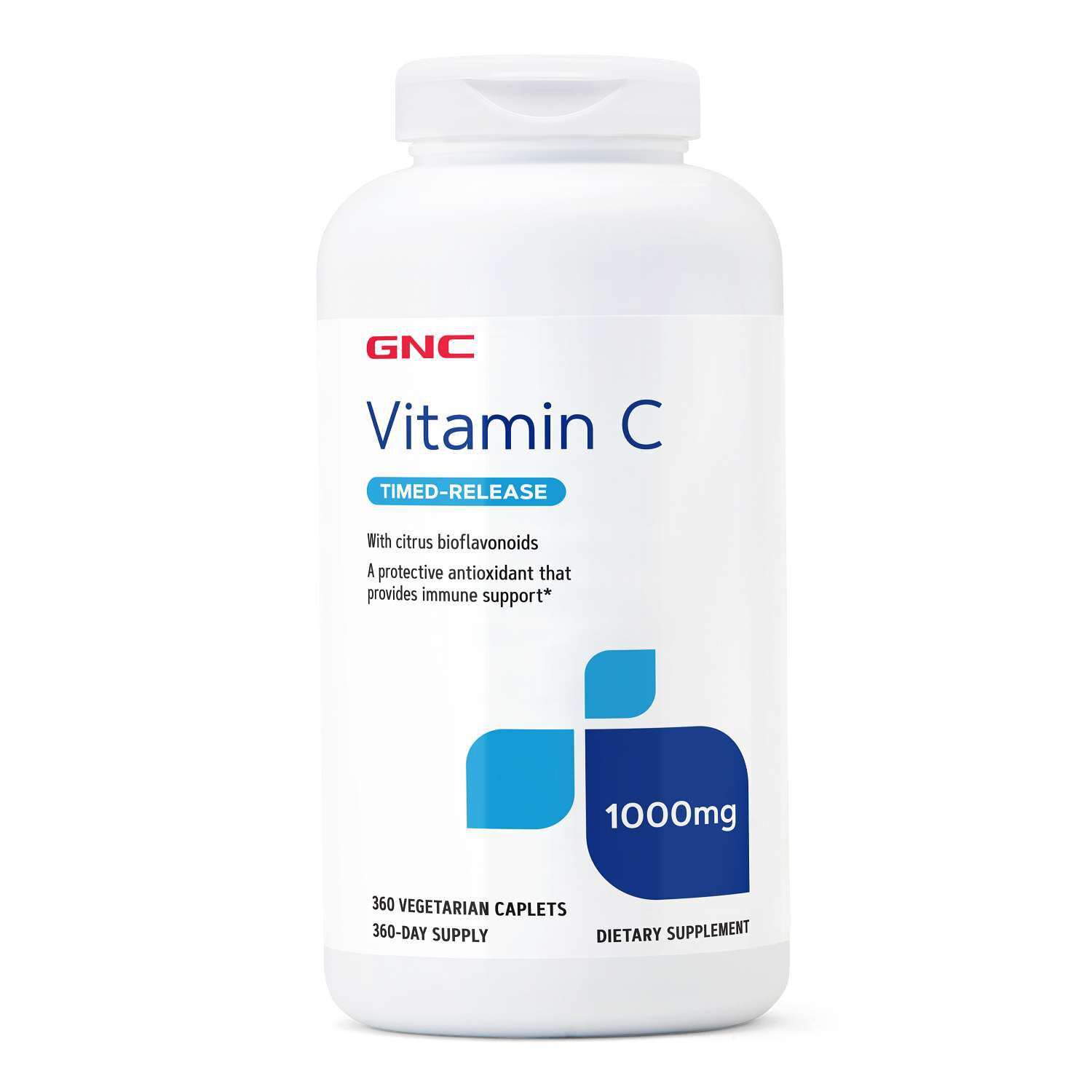
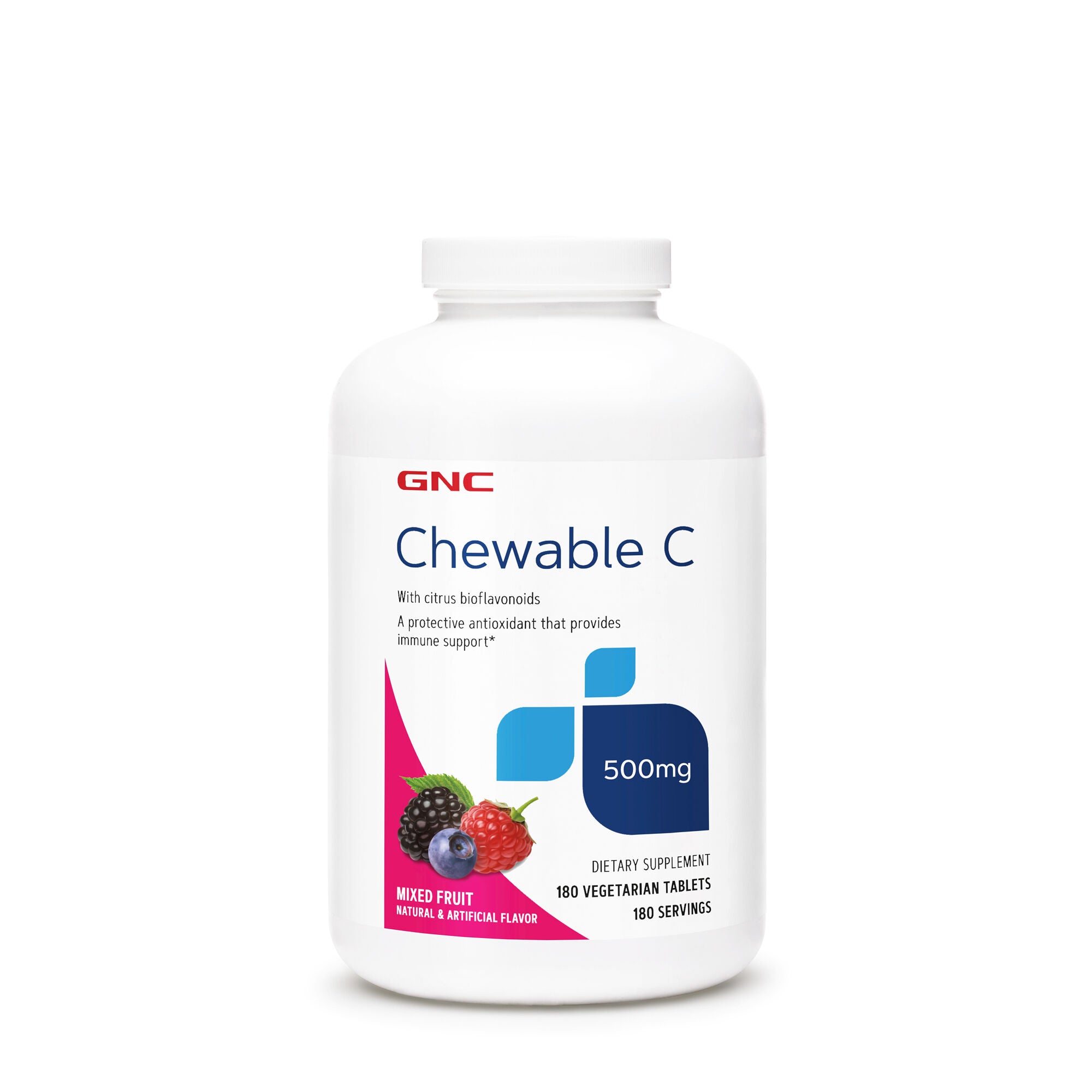
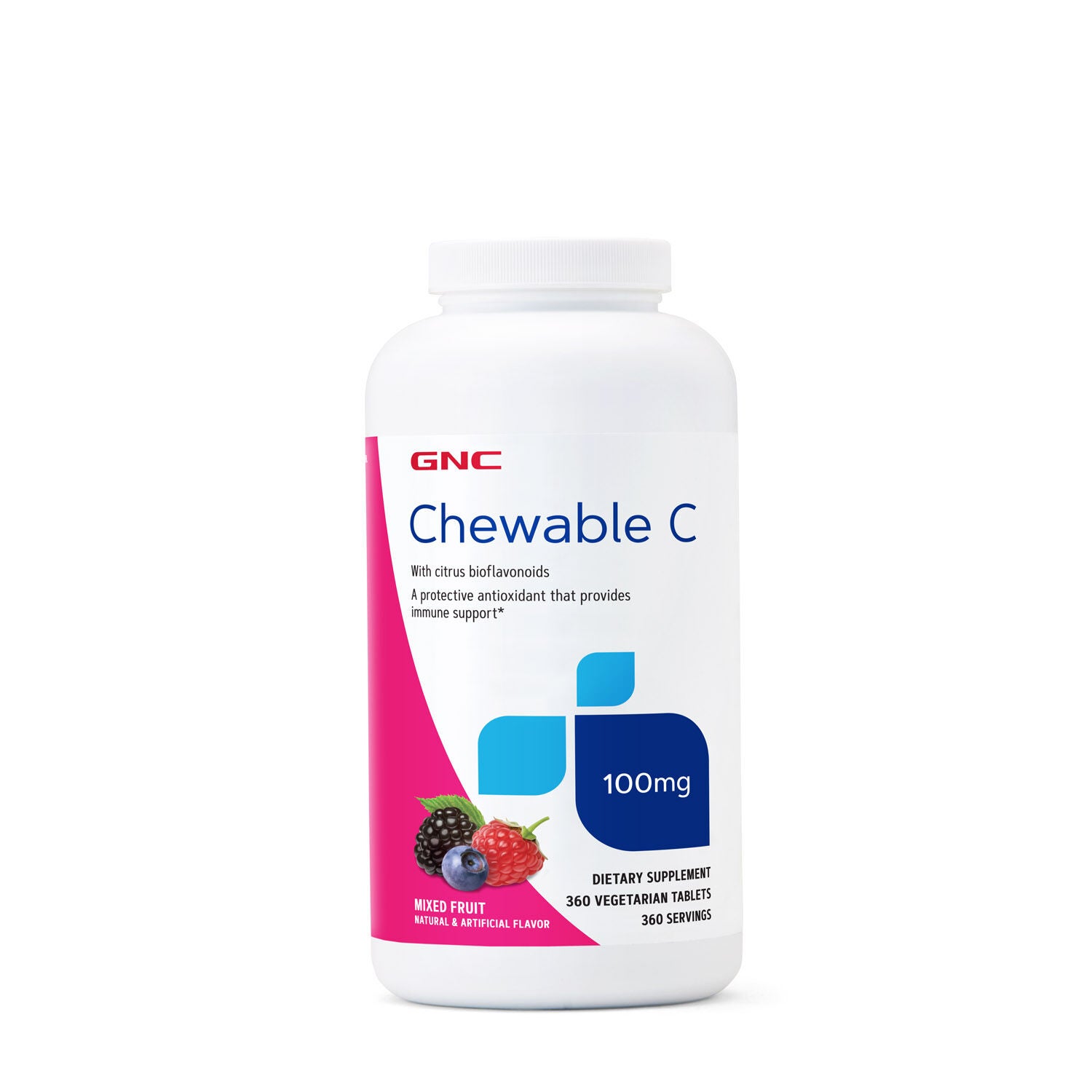
Format is another meaningful part of choosing vitamin C supplements for collagen support, especially when a purchase needs to fit an existing routine. Capsules and tablets may appeal to adults who prefer a measured serving without mixing a drink or adding a flavor to breakfast. Their dimensions and serving counts vary, so a serving might involve more than one capsule or tablet. Gummies offer a chewable format, with texture and flavor as additional considerations. Their ingredient lists may include pectin, gelatin, added sugars, or sugar alcohols, and the number of gummies in a container is not necessarily the number of servings. Powders may suit someone who already prepares a smoothie or another beverage, although preparation directions differ between formulas. A flavored powder brings its own taste to that drink, while an unflavored option still has an ingredient profile worth considering. Stirring requirements, the suggested amount of liquid, and the supplied measuring scoop are practical details to review before choosing a powder for a desk drawer or kitchen shelf. An individual packet may be convenient for a bag, whereas a larger container requires a place to store both the powder and its measuring tool. Vitamin C also appears under different ingredient names, including ascorbic acid, sodium ascorbate, and calcium ascorbate. These names identify forms of vitamin C; they do not identify the source of collagen in a combination formula. Formulas containing mineral ascorbates may also list the associated minerals on the Supplement Facts panel. A different ingredient name or delivery format does not, by itself, explain how well a formula matches a particular shopper’s preferences. The more useful comparison brings together the vitamin C amount per serving, the serving format, the other ingredients, and the preparation involved. For someone who wants a simple addition beside breakfast, that comparison may look different from the one made by someone who prefers to blend several ingredients into a drink. Convenience is personal, and the most appealing format is often the one that fits naturally into an established habit.
Ingredient sourcing deserves a separate look when vitamin C and collagen appear together. Collagen ingredients commonly come from bovine, porcine, or fish sources, making source information relevant to dietary preferences and allergen considerations. A capsule made with plant-derived materials does not mean that the collagen inside it is plant-derived. Likewise, a plant-based vitamin C formula is different from a formula containing animal-derived collagen, even when both are presented in connection with collagen support. The ingredient list and any clearly stated dietary designations provide more useful detail than assumptions based on packaging color, imagery, or flavor. Other ingredients also help distinguish formulas: capsule materials, sweeteners, flavorings, and ingredients used for texture can all matter to a shopper’s preferences. Some blends contain additional vitamins, minerals, or other components, so the entire panel remains relevant even when vitamin C is the main reason for browsing. When comparing containers, the amount per serving and the number of servings deserve attention together. A large capsule count or a generously sized powder container does not reveal either detail on its own. For someone who already uses a multivitamin or another supplement containing vitamin C, comparing those labels provides a clearer view of where the same nutrient appears across the routine. Intended use and care matter after the purchase as well. Package directions describe serving size, preparation, and storage, and those details may differ between a chewable formula and a powder. Keeping the original container and label together preserves access to ingredient information, directions, and the printed date. A securely closed lid and storage consistent with the label may help maintain product quality. For powders, keeping the measuring tool clean and dry is another practical consideration. Viewed together, sourcing, format, serving information, and storage requirements offer a grounded way to compare vitamin C supplements for collagen support, with the focus on what each formula contains and how it fits into everyday life.
Best Sellers
Related Pages

Top Collections
- Daily Collagen Supplements | Top Brands & Deals | GNC
- Joint Mobility Supplement Packs
- Zinc Supplements | Top Brands at Great Prices | GNC
- GLP 1 Support For Adults
- Supplements For Yoga Joint Flexibility
- Supplements For Balance
- Capsule Supplements For Energy And Stamina
- Adult Mobility Supplements
- Chronic Fatigue Supplements
- Vitamins For Hair Loss