Zero Artificial Supplements
(0 Results)
Zero artificial supplements offer a straightforward approach for those seeking options that align with their wellness goals and preferences. With a focus on simplicity, these supplements may appeal to individuals who are mindful about what they put into their bodies. Explore a range of zero artificial supplements that could support your daily routine and help you feel your best, every step of the way.
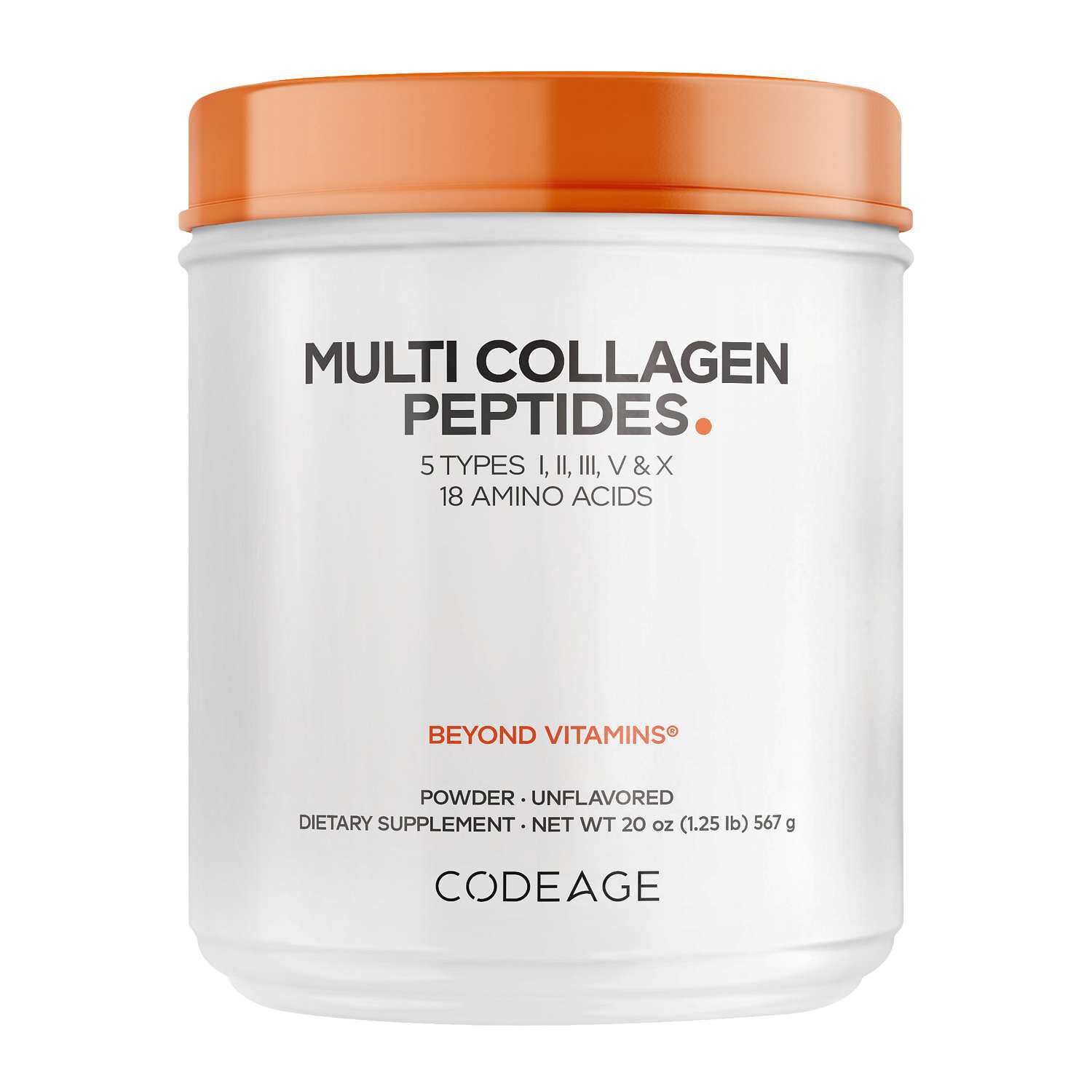
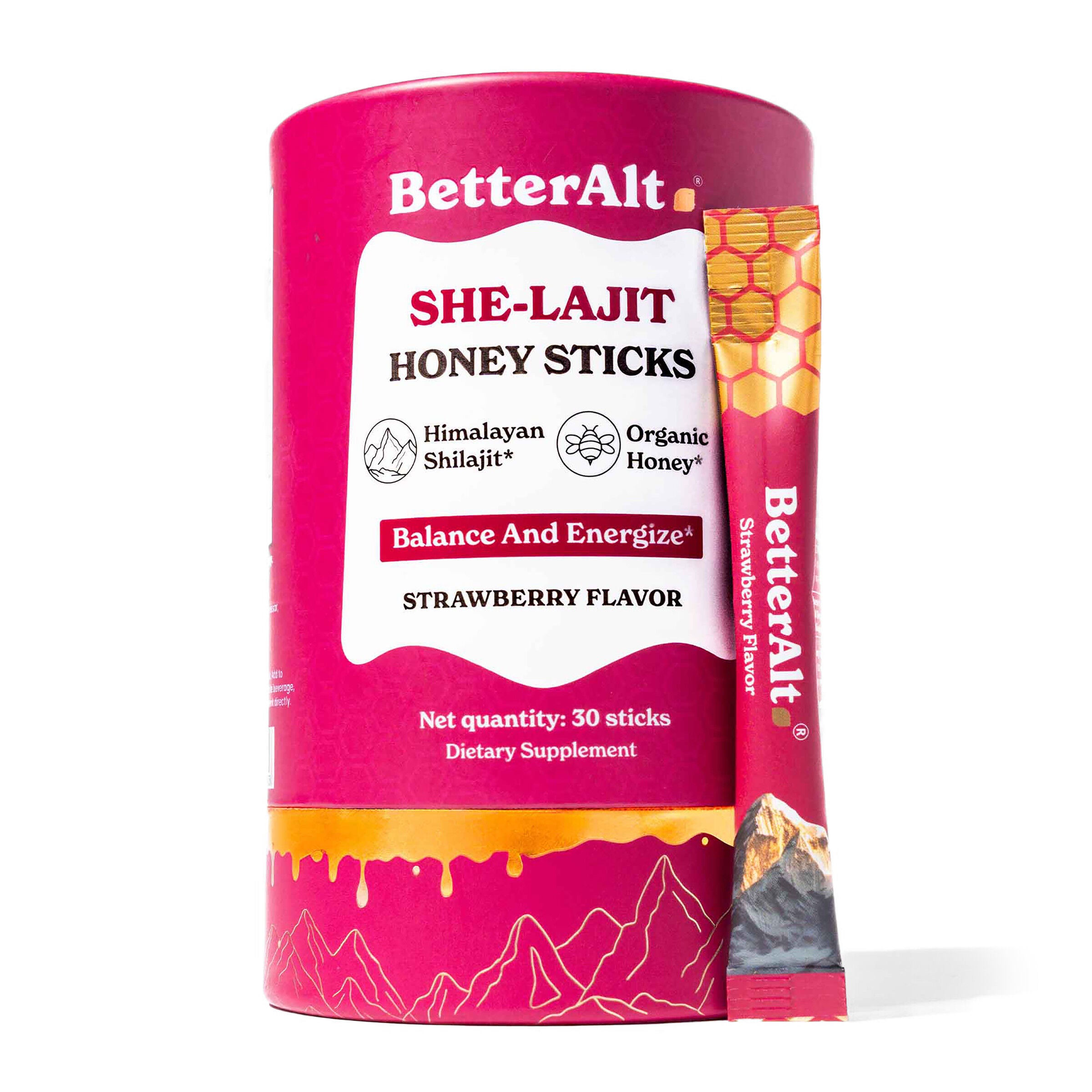
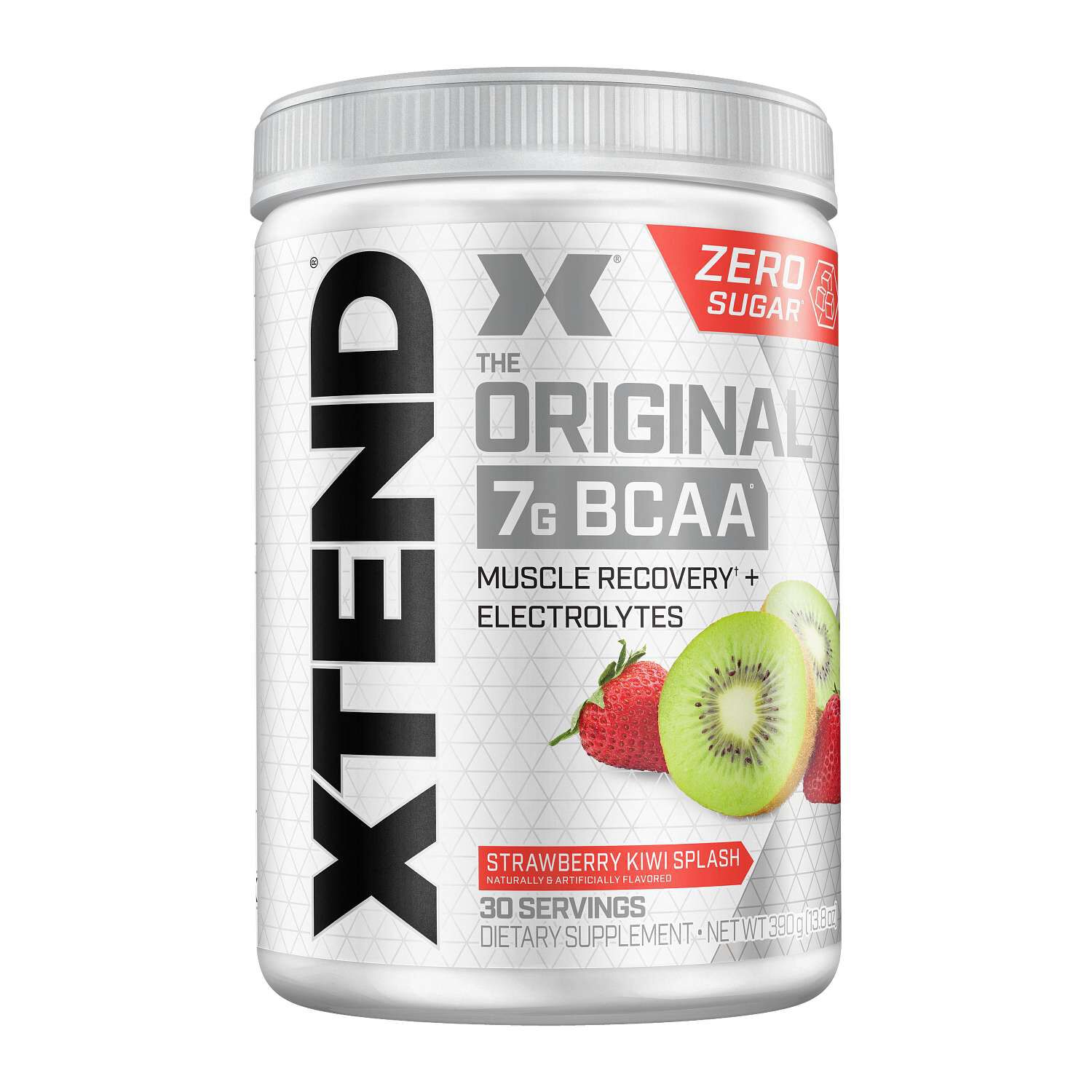
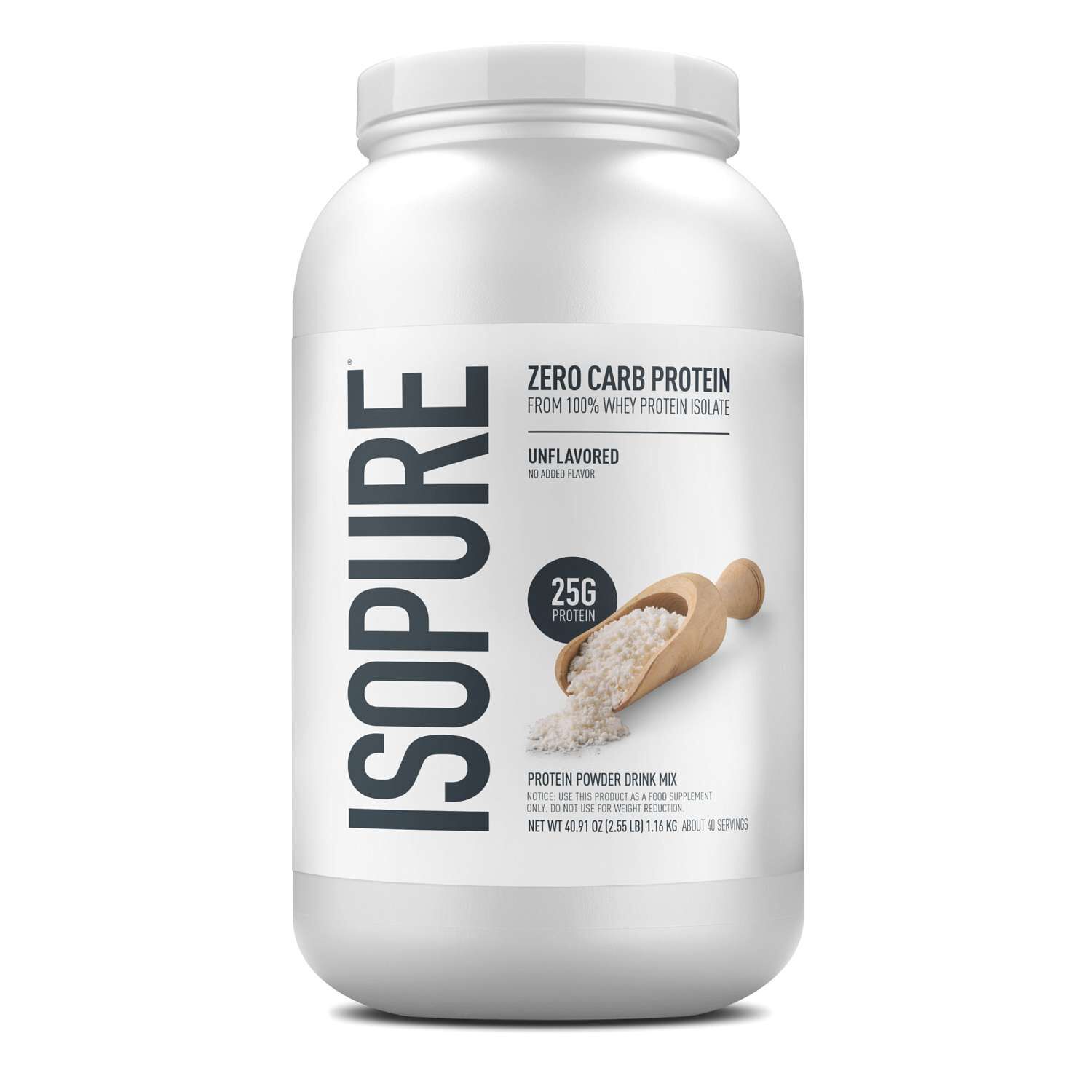


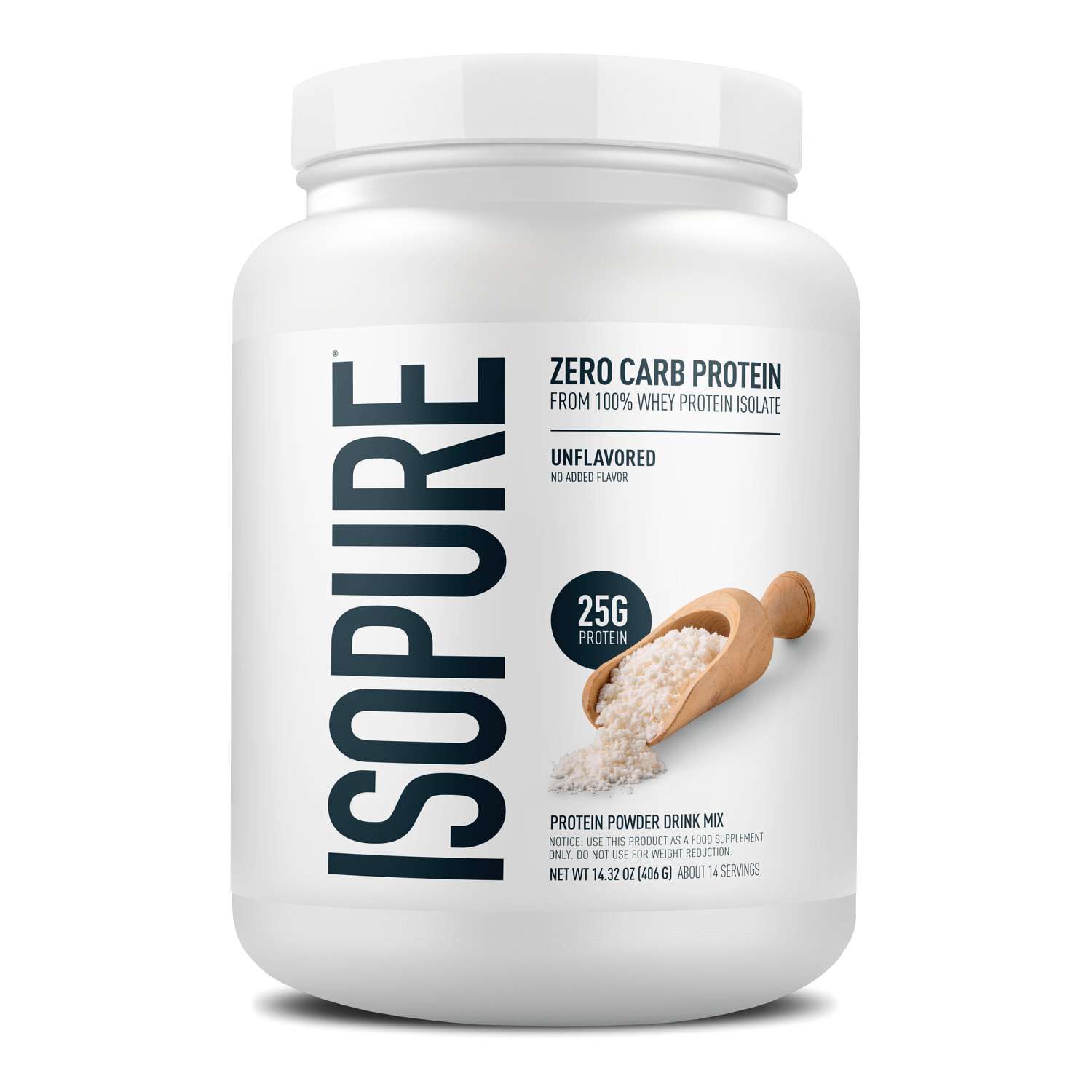

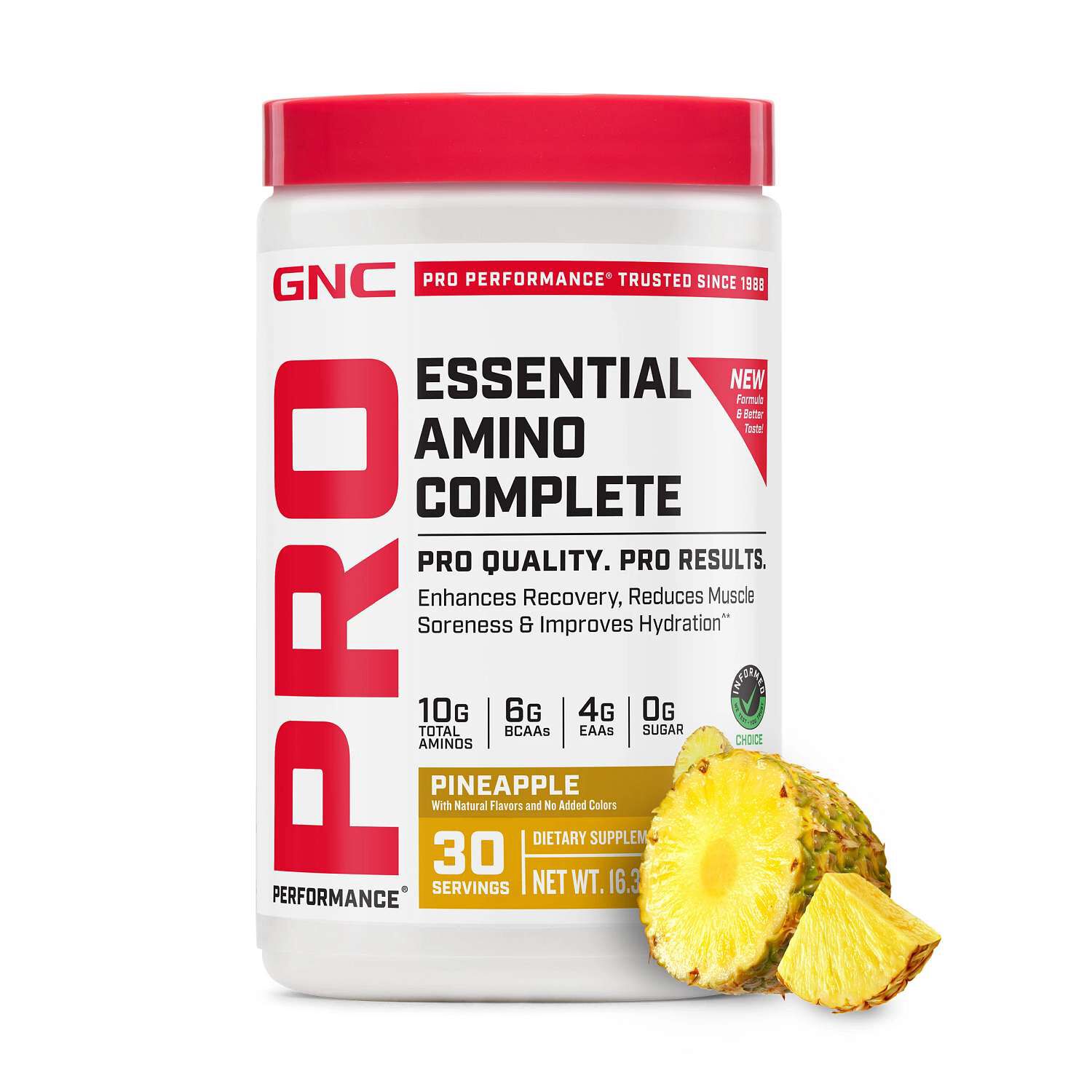


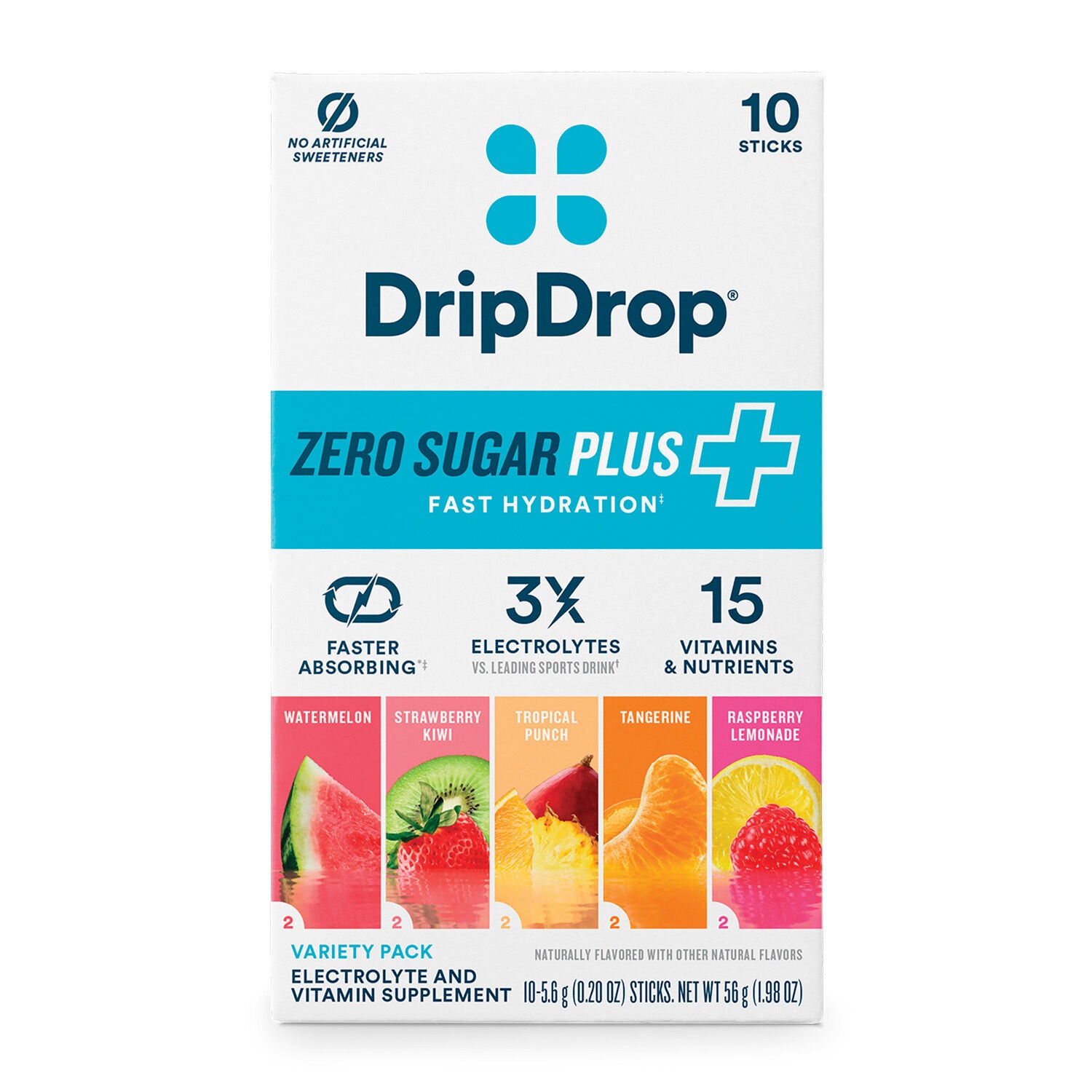

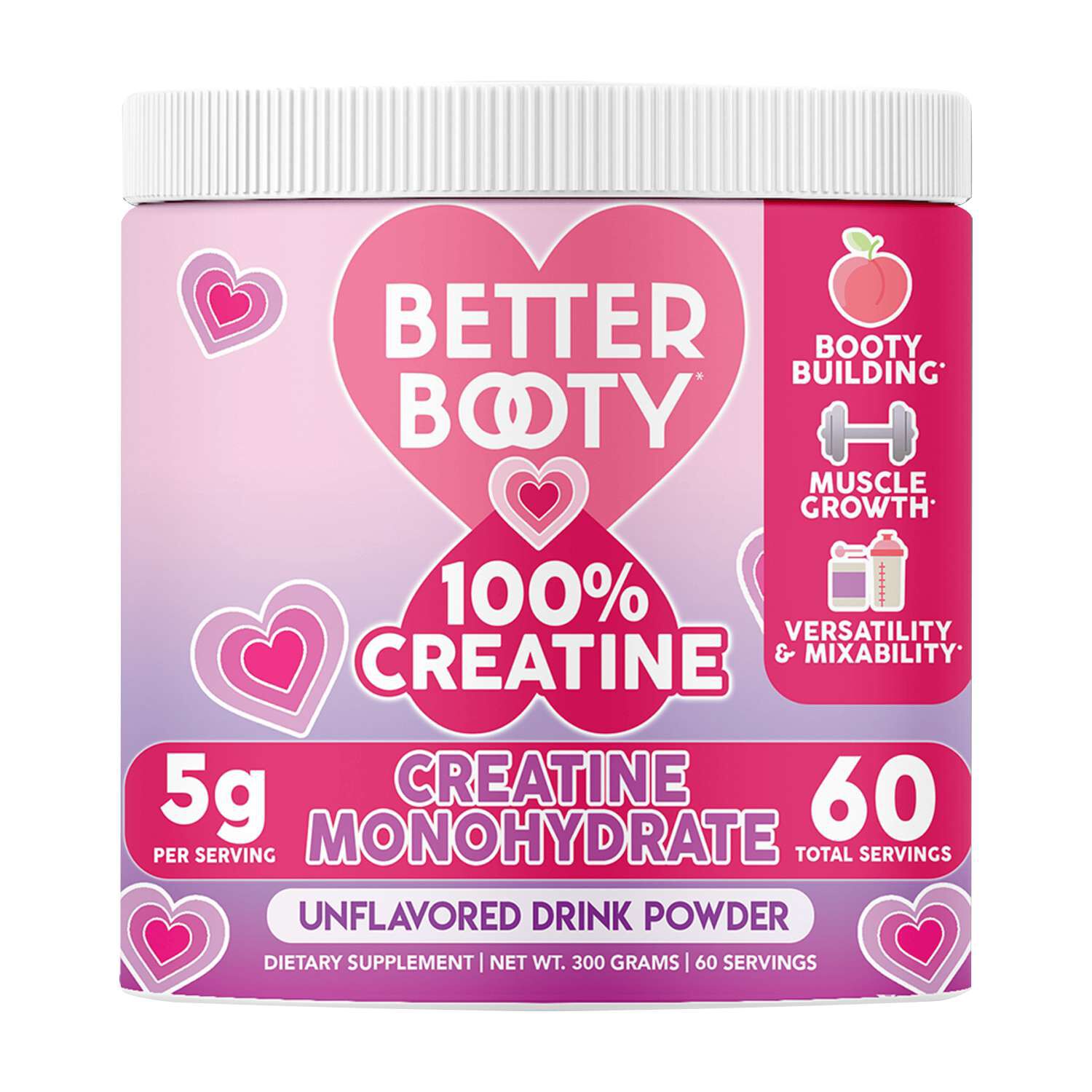
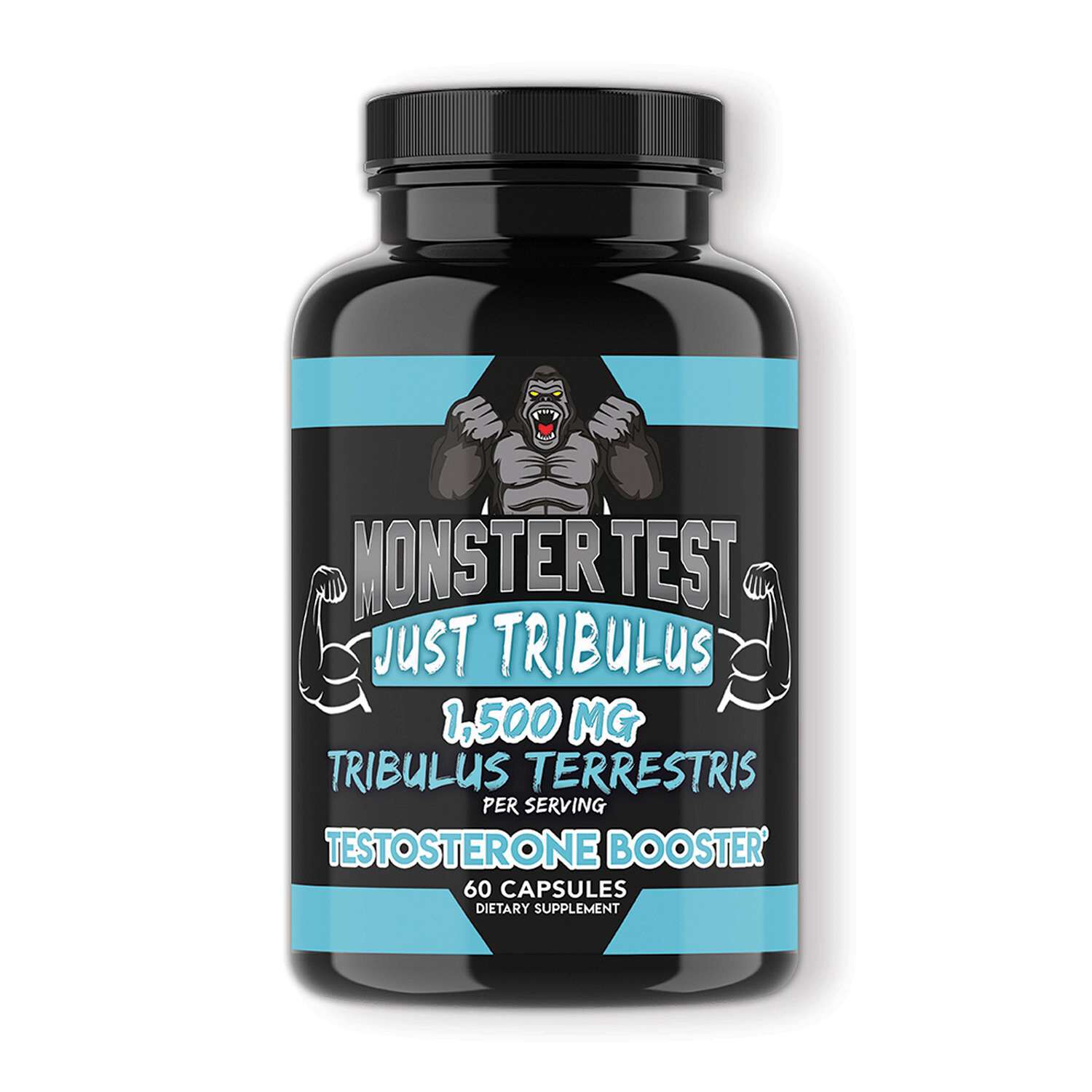


Shopping for zero artificial supplements often starts with a closer look at what goes into a daily routine. For some shoppers, the priority is avoiding artificial colors; for others, it is choosing formulas without artificial flavors or sweeteners. Those preferences can overlap, but they are not interchangeable, so the specific wording on the label matters more than a broad impression from the package. A formula described as having no artificial colors may still contain flavoring or sweetening ingredients, while an unflavored option may contain ingredients used for texture, mixing, or capsule construction. The Supplement Facts panel and the other ingredients list provide different pieces of that picture. One identifies declared dietary ingredients and their amounts per serving; the other identifies additional components, such as capsule materials, flavorings, and ingredients used during manufacturing. Reading both gives a more useful view than judging a formula by the length of its ingredient list alone. A short list is not automatically the right match, and a longer list is not automatically at odds with a preference for fewer artificial additions. The purpose of each ingredient, the amount per serving, and the intended use all deserve consideration. Natural flavoring also does not mean a formula consists only of whole foods, and a plant-based capsule shell does not necessarily describe every ingredient inside it. Labels such as organic, vegetarian, or vegan address separate considerations and should not be treated as substitutes for a statement about artificial ingredients. For shoppers comparing several formulas, it helps to keep the same priorities in view: which ingredients matter, which exclusions are clearly stated, and whether the format fits an existing routine. That approach keeps the focus on meaningful differences rather than package imagery, an earthy color palette, or a familiar ingredient pictured on the front. A plain-looking capsule and a fruit-flavored powder can have very different ingredient profiles, even when both appeal to shoppers seeking fewer artificial additions.
Format is another practical part of choosing supplements with no artificial ingredients of concern to the shopper. Powders, capsules, tablets, liquids, and chewable formats each involve different materials and handling considerations. A powder may suit someone who already measures ingredients into a shaker bottle, while a capsule may fit a routine built around a labeled serving taken with a meal. Chewable formats often include ingredients that contribute sweetness, texture, and shape, making their other ingredients lists especially relevant for anyone with specific preferences. Liquids involve their own serving measurements and storage directions. None of these formats is automatically a closer match for the theme; the actual formulation is what matters. Taste and texture deserve realistic expectations, too. An unflavored powder is not necessarily tasteless, and ingredients such as minerals or plant materials can contribute recognizable notes. A naturally flavored option may have a different sweetness or finish than a familiar drink. Mixing directions can also differ: some powders call for a particular amount of liquid, and the choice between a shaker and a spoon may affect the experience. Someone preparing a drink at a kitchen counter has different practical needs from someone carrying a serving to a workplace or gym. Package dimensions, closure style, measuring tools, and the number of servings per container are useful details to compare alongside ingredients. Serving size deserves particular attention because one serving may consist of more than one capsule, tablet, or scoop. Comparing only the amount shown prominently on the front can overlook that distinction. When considering Premium Supplements, note that premium positioning and the absence of particular artificial ingredients describe different attributes. Neither term replaces a review of the label, and neither determines whether a format belongs in a particular person’s routine. A thoughtful selection accounts for the formulation and the everyday details of measuring, carrying, and storing it.
Once a formula matches those preferences, everyday care becomes part of the decision. Supplements are consumable products, so durability is less about long-term wear and more about packaging integrity, storage requirements, and the period identified on the label. A securely closing container, readable directions, and a measuring tool that is easy to keep with the package are practical details worth noticing. Original packaging keeps the ingredient information, lot identification, and dated markings together, which is particularly useful when several containers look alike. Storage directions should take priority over a convenient spot on the counter, and any instructions about refrigeration or use after opening deserve attention before choosing a format. Powder handling has its own small routines: dry measuring utensils, a properly closed lid, and a clean preparation area are sensible considerations. Moisture entering a container can change texture, while ordinary settling can make the contents look different from when the package was first opened. Appearance alone does not establish the amount in a serving, so the stated measuring directions remain important. For a shared household, clearly labeled containers also make it easier to distinguish one person’s preferences from another’s. Someone choosing a supplement as a gift should know the recipient’s ingredient preferences and preferred format rather than guessing from a general interest in nutrition. A person who likes an unsweetened powder may not want a fruit-flavored chewable, even when both labels describe similar exclusions. Dietary preferences, source ingredients, and preparation habits can be just as personal as flavor. The same attention applies when revisiting a familiar category: checking the current package is more dependable than assuming every formula uses the same capsule material, sweetener, or serving size. Zero artificial supplements are best considered through those concrete details, with attention to clearly stated exclusions rather than an assumption that every formula shares the same characteristics. The most relevant choice is one whose ingredient information, intended use, and handling requirements align with the shopper’s stated preferences and established routine.