





Zero Additive Supplements
(0 Results)
Zero additive supplements offer a streamlined approach for those seeking to simplify their wellness routines. With a focus on pure, straightforward ingredients, these options may appeal to anyone looking to avoid unnecessary extras in their daily regimen. Explore zero additive supplements that could fit seamlessly into your lifestyle and support your personal wellness goals.
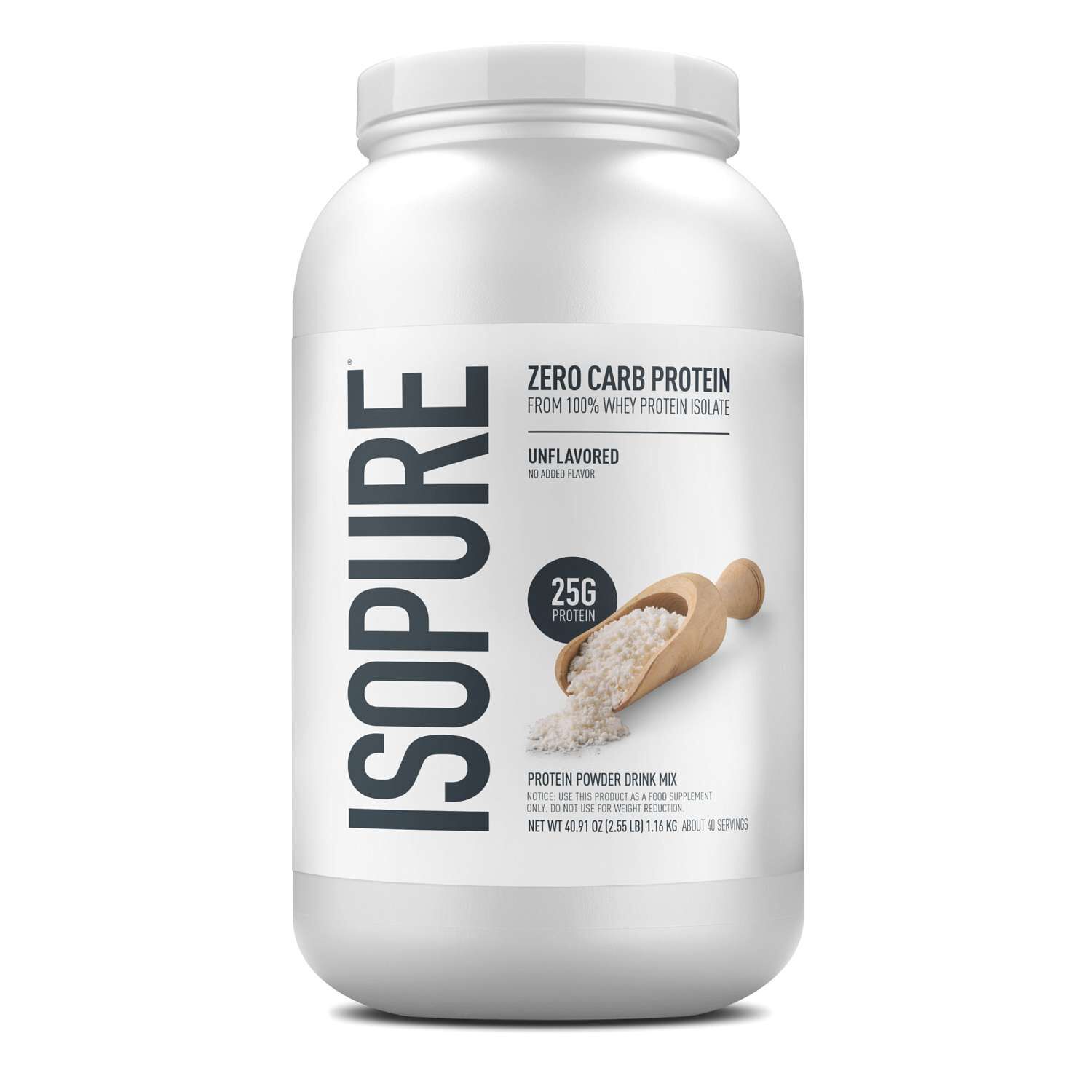
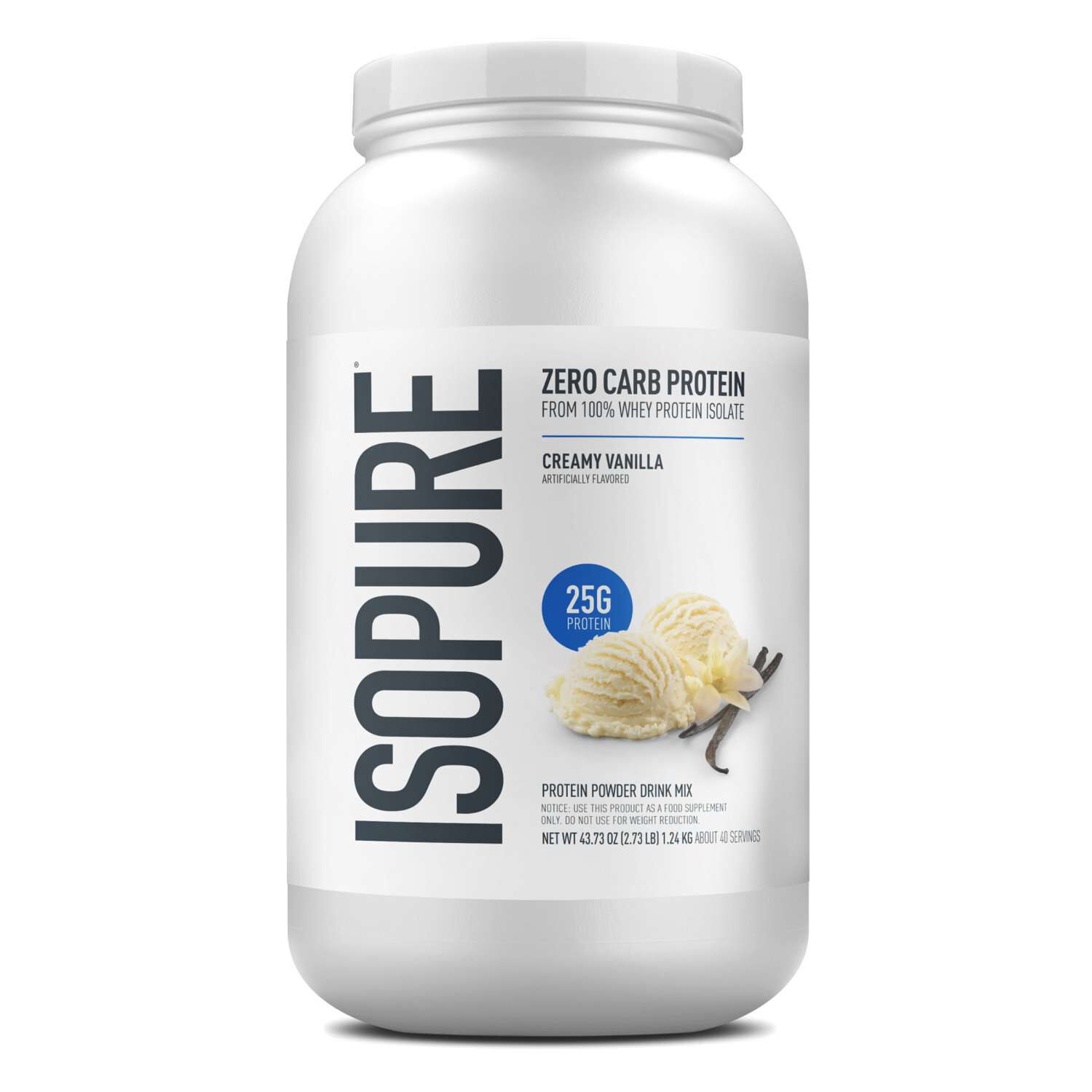
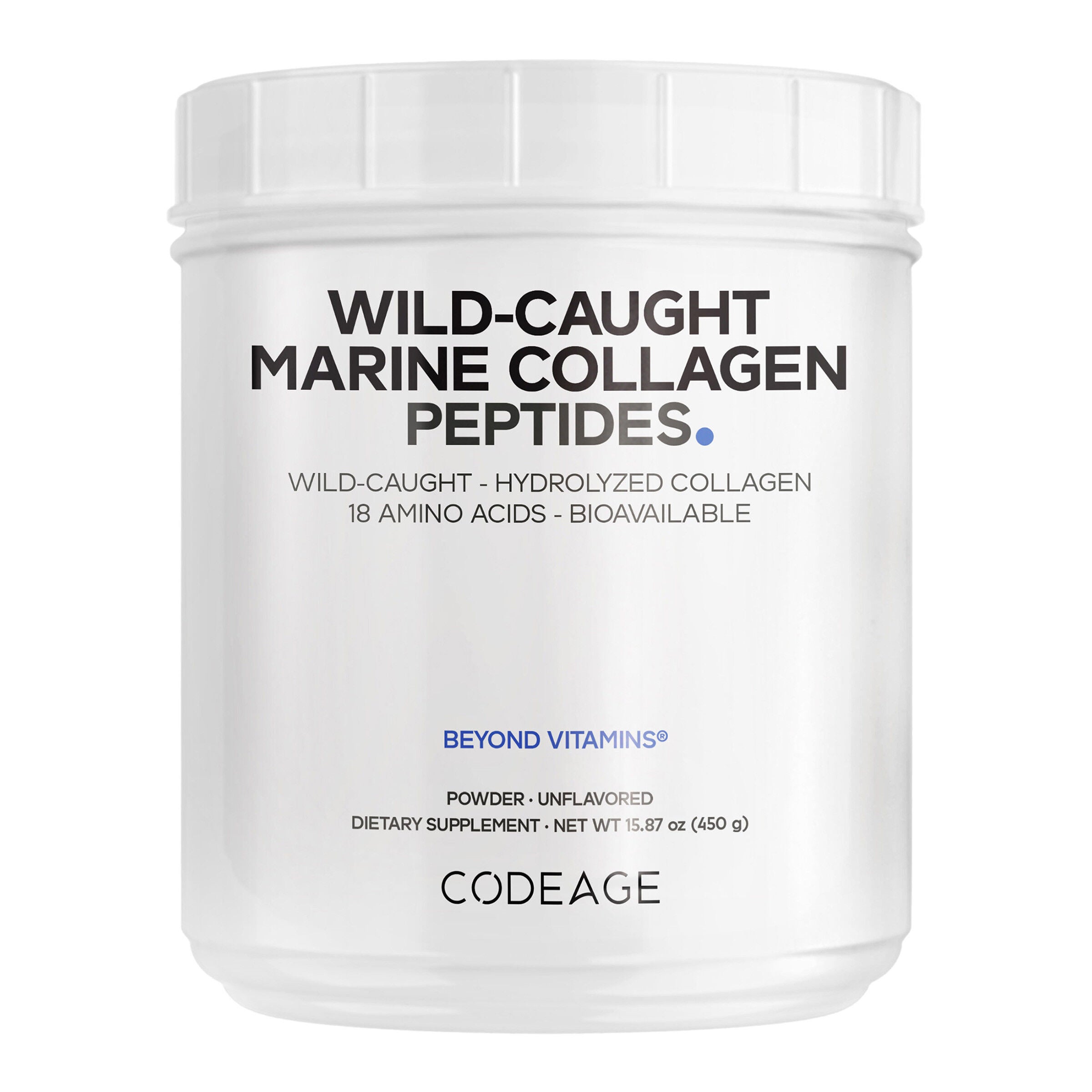


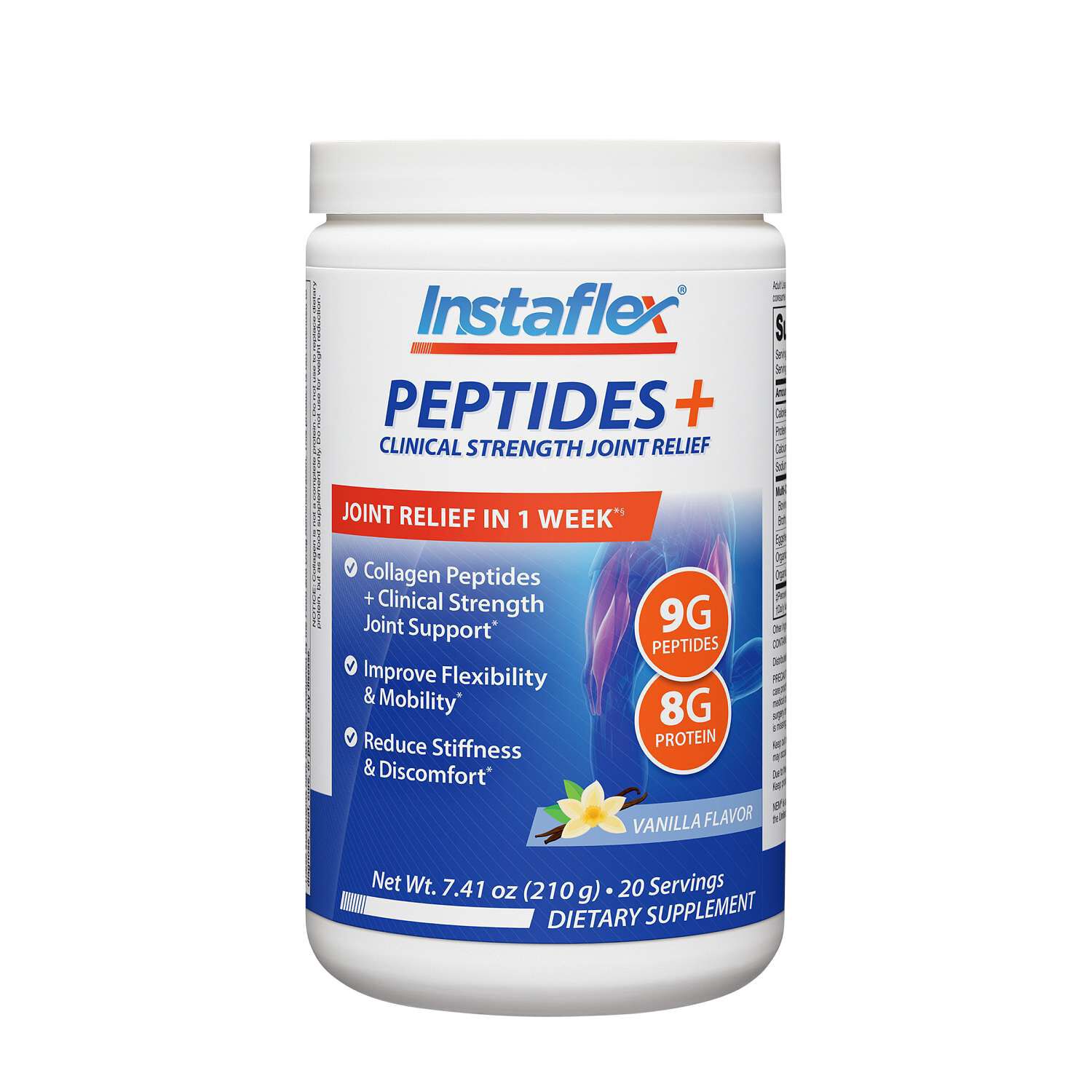


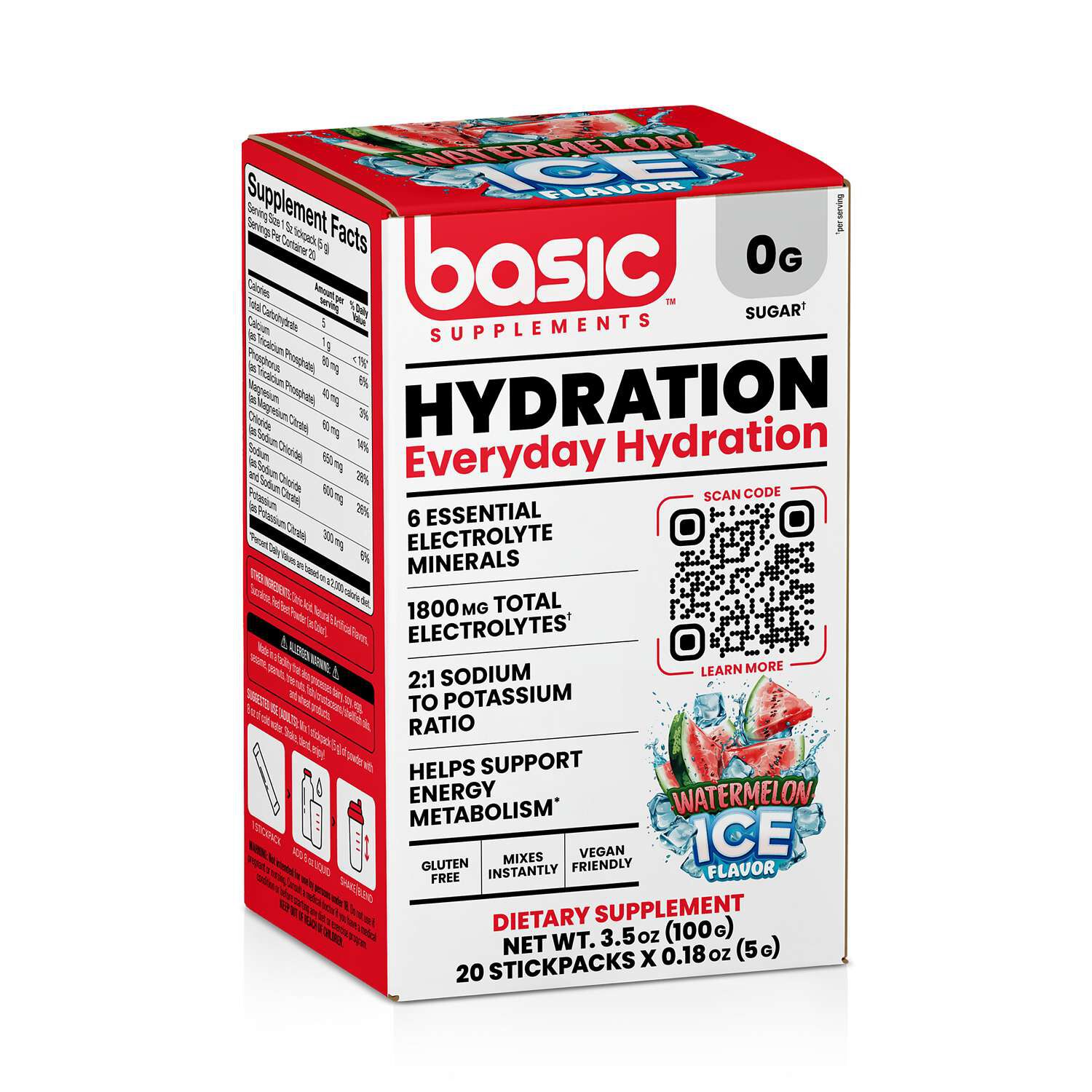
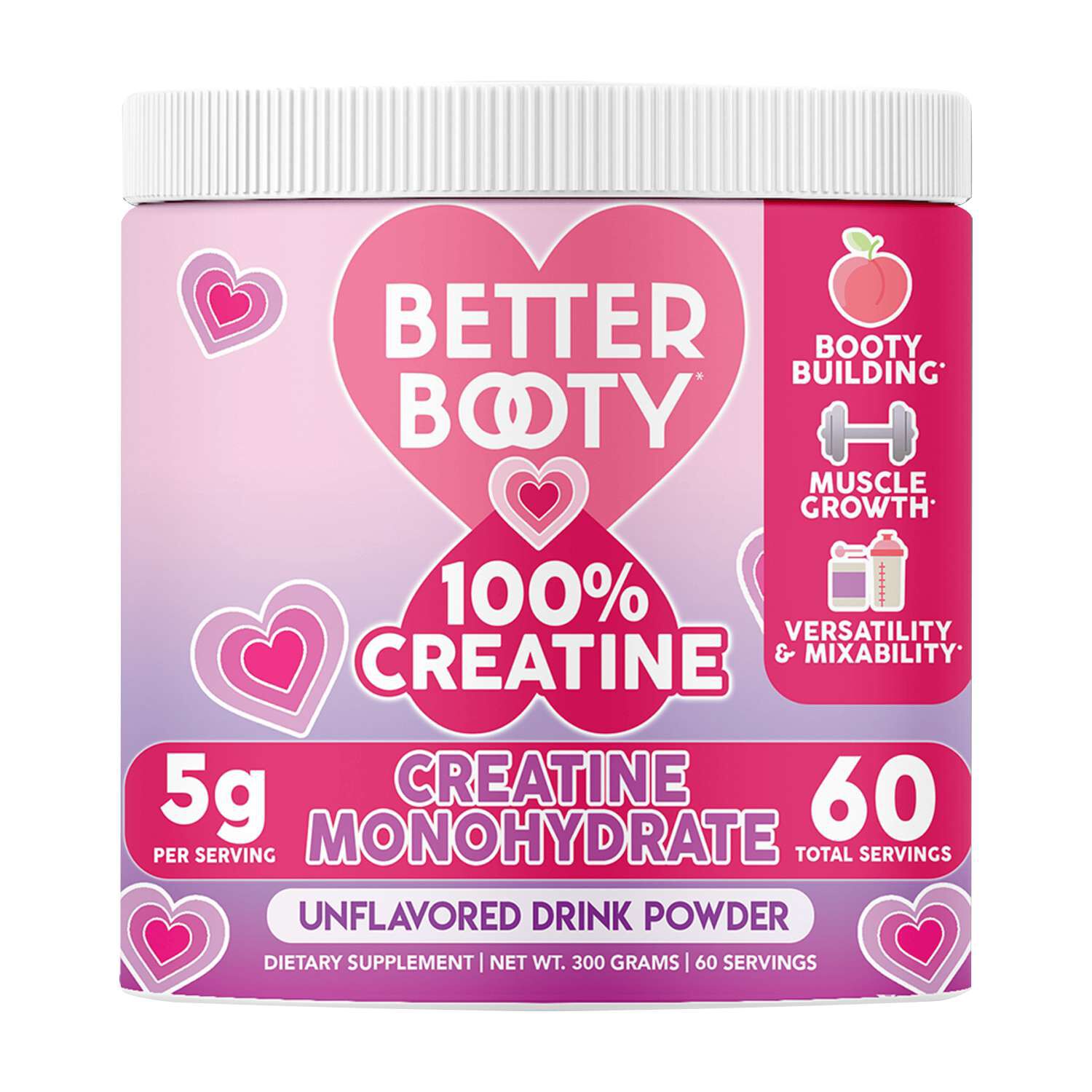


Zero additive supplements are dietary supplements formulated around core nutritional ingredients, with an emphasis on omitting extras such as fillers, binders, artificial colors, sweeteners, flavors, and preservatives. The term describes an approach to formulation rather than a particular nutrient or delivery format, and the exact exclusions can differ between formulas. A powder built around one dietary ingredient, a capsule containing a mineral, and a blend of several nutritional ingredients can all reflect this approach, depending on what else appears on the label. The distinction is between ingredients included for the formula’s nutritional purpose and ingredients used for manufacturing, appearance, taste, or texture. Flow agents, for example, may help powders move through production equipment, while binders may help hold a tablet together. Their presence serves a purpose, but shoppers seeking fewer added components may prefer formulas made without them. The Supplement Facts panel and the accompanying ingredient information provide a more useful picture than a simple description on the front of the container. Capsule materials deserve attention, too: a vegetable-based shell or gelatin shell is still part of what is consumed, even when the contents consist of a single nutrient. An unflavored powder also deserves a closer look, since the absence of flavoring does not necessarily mean that no other ingredients have been added. Likewise, a longer list is not automatically a list of unnecessary extras; a blend containing several vitamins or minerals may have more entries because it includes several core ingredients. For shoppers drawn to straightforward formulas, the practical distinction is what each component contributes and whether it matches their preferences. Familiar-sounding ingredient names are not a substitute for clear identification, and an unfamiliar name does not by itself establish that an ingredient is an additive. The most informative descriptions identify the nutritional ingredient, its form, the amount per serving, and any additional components. That detail gives zero additive supplements context beyond a short ingredient list and makes comparisons between different formats more meaningful.
Format matters because the same preference for fewer added ingredients can fit very different daily routines. Capsules may appeal to someone who wants a measured serving without mixing a drink or changing the flavor of food. Powders may suit someone who already prepares a morning smoothie, stirs yogurt into a bowl, or keeps a shaker bottle beside a gym bag. A plain formula may have an earthy, mineral, or naturally bitter character rather than the sweetness associated with a flavored drink mix. Depending on the ingredient, a powder may settle at the bottom of a glass, leave a little texture, or need another stir after standing. Those details are worth considering alongside the ingredient list, particularly for someone who prefers a smooth texture or plans to mix a serving with water alone. The suggested preparation method is a useful reference because different powders are not interchangeable in texture, concentration, or serving size. A scoop is a measuring tool for that particular formula, not a universal unit across containers. Comparing the stated amount of the core ingredient per serving is more informative than comparing scoop size or capsule count alone. Dietary preferences add another layer to the selection. Someone who follows a vegan eating pattern may look at both the nutrient source and the capsule shell, while someone attentive to particular food ingredients may review allergen statements and shared-equipment notices. Organic certification, an unflavored description, and a statement about added sugar each address different attributes; none alone describes every component in a formula. Similarly, a short ingredient list does not establish suitability for every person. Shoppers may also value clearly identified ingredient sources and independent testing information where provided. These details address different questions from additive content, helping distinguish a preference for simpler composition from expectations about ingredient identity and manufacturing quality. The result is a more grounded comparison based on the actual contents rather than the impression created by packaging.
Zero additive supplements may fit a preference for keeping everyday nutrition routines straightforward, but a shorter ingredient list still leaves practical considerations such as packaging, storage, preparation, and intended use. A container with a secure lid, a readable label, and enough room to reach the serving utensil may be easier to manage on a kitchen shelf. Keeping powders in their original packaging preserves access to ingredient details, serving directions, and date information that can be lost when contents are transferred into an unmarked jar. Storage directions matter because moisture and exposure to air may affect texture or condition, depending on the formula. A dry utensil and a firmly closed lid may help limit moisture entering a powder container during everyday use. Capsules also have their own storage requirements, so the package directions remain the reference rather than assumptions based on appearance. When portability matters, original labeled packaging may be more practical than carrying loose capsules or an unidentified bag of powder. For an exercise-focused routine, Additions For Training Supplements is a related category to explore with the same attention to core ingredients, additional components, and serving format. A preference for fewer additives does not change the importance of understanding what a formula contains or how it is intended to be used. It also does not mean every supplement in a routine needs to share the same format: a capsule and a plain powder serve different practical preferences. Supplements are intended to complement food choices rather than replace a varied diet, and the most relevant comparison begins with the dietary ingredient being considered. From there, details such as capsule material, taste, mixability, preparation, and storage help narrow the choice. For someone who wants fewer flavorings in a smoothie, fewer components in a capsule, or clearer visibility into a daily serving, zero additive supplements may offer an approach centered on ingredient transparency and a format that fits ordinary habits.
Best Sellers
-
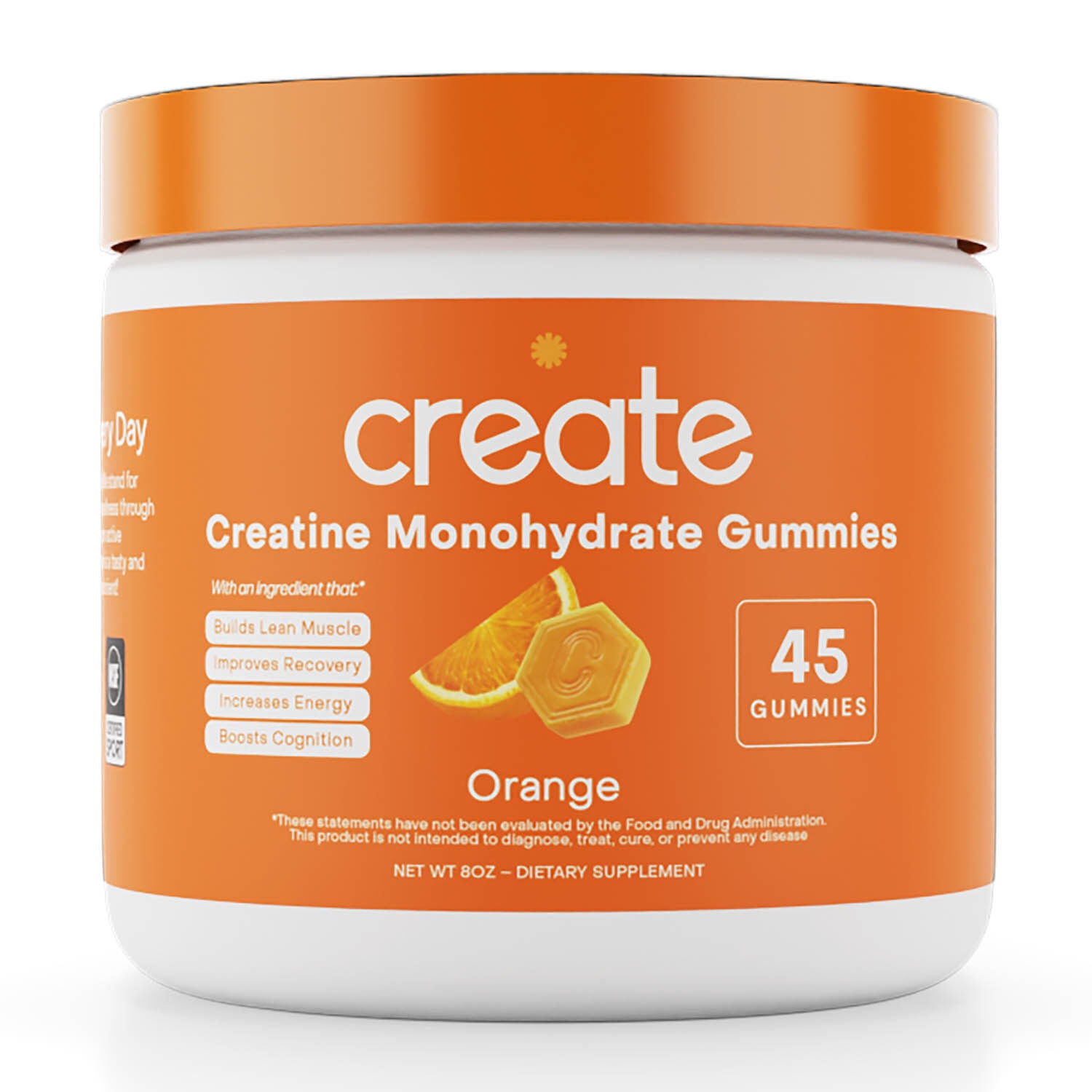 Create Wellness
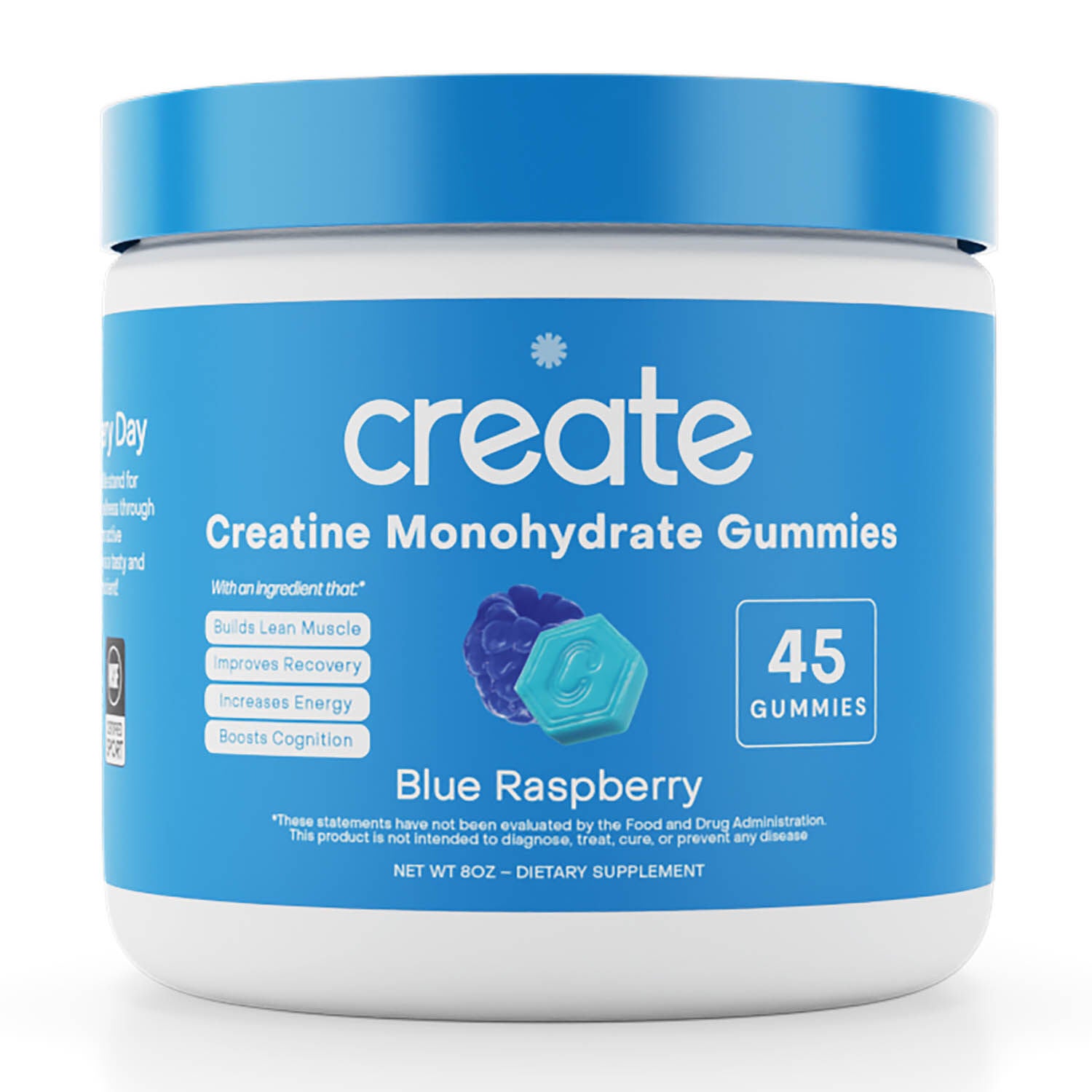

Related Pages



Top Collections
- Joint Mobility Supplement Packs
- Daily Collagen Supplements | Top Brands & Deals | GNC
- GLP 1 Support For Adults
- Zinc Supplements | Top Brands at Great Prices | GNC
- Supplements For Yoga Joint Flexibility
- Supplements For Balance
- Capsule Supplements For Energy And Stamina
- Adult Mobility Supplements
- Chronic Fatigue Supplements
- Vitamins For Hair Loss