





Zinc Supplements For Daily Antioxidant Support
(0 Results)
Zinc supplements for daily antioxidant support could be a convenient addition to your wellness routine. Designed for those looking to help maintain their nutritional goals, these supplements may offer an easy way to incorporate zinc into your day. Explore options that fit your lifestyle and discover how zinc supplements for daily antioxidant support might complement your balanced approach to health.
-
-
-

-

-

-
-
-

-
-

-

-
-
-
 MRI Performance$15.99
-
 Angry Supplements$11.99
-
 $13.99
-
 Amazing Nutrition$13.99
-
 $12.99
-
-


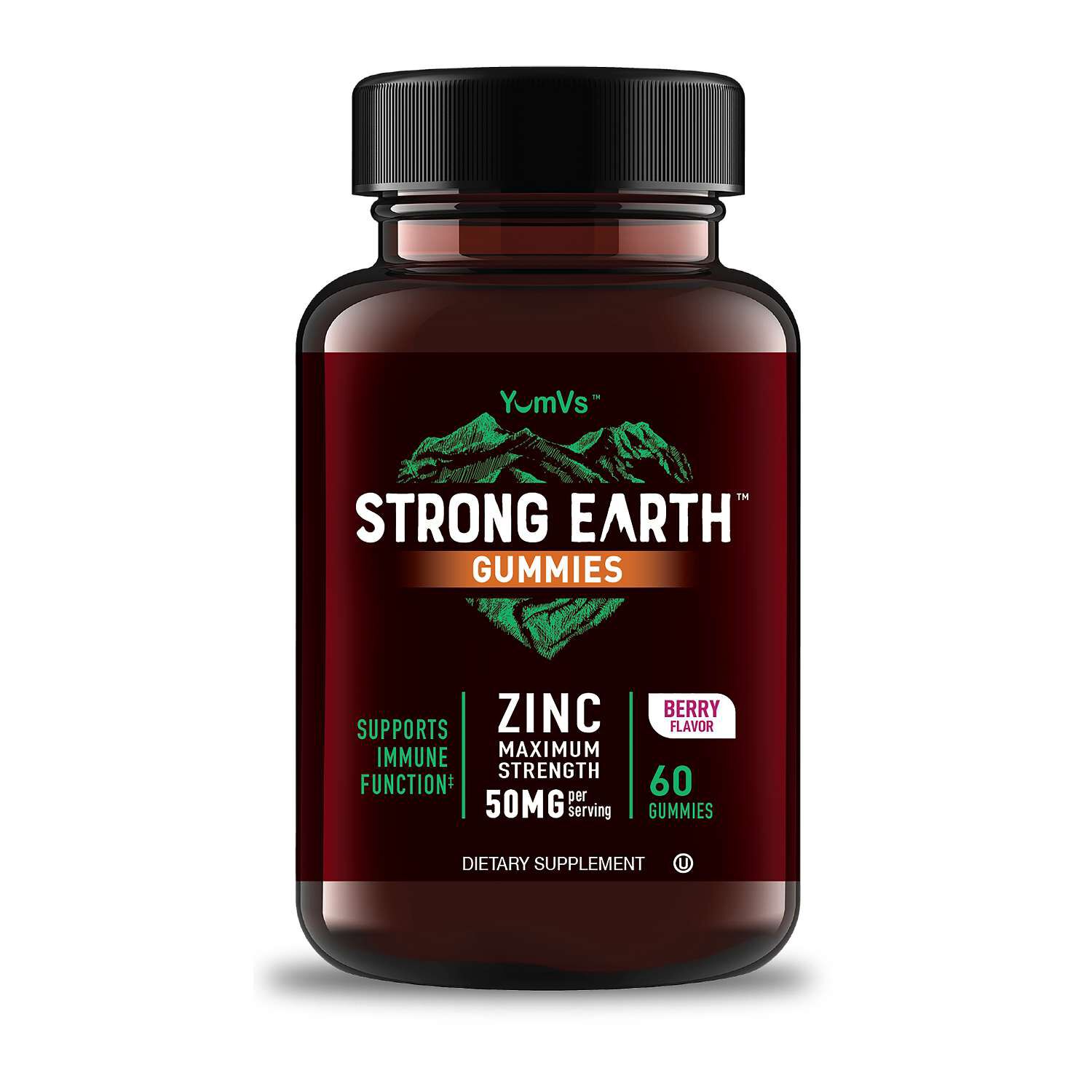
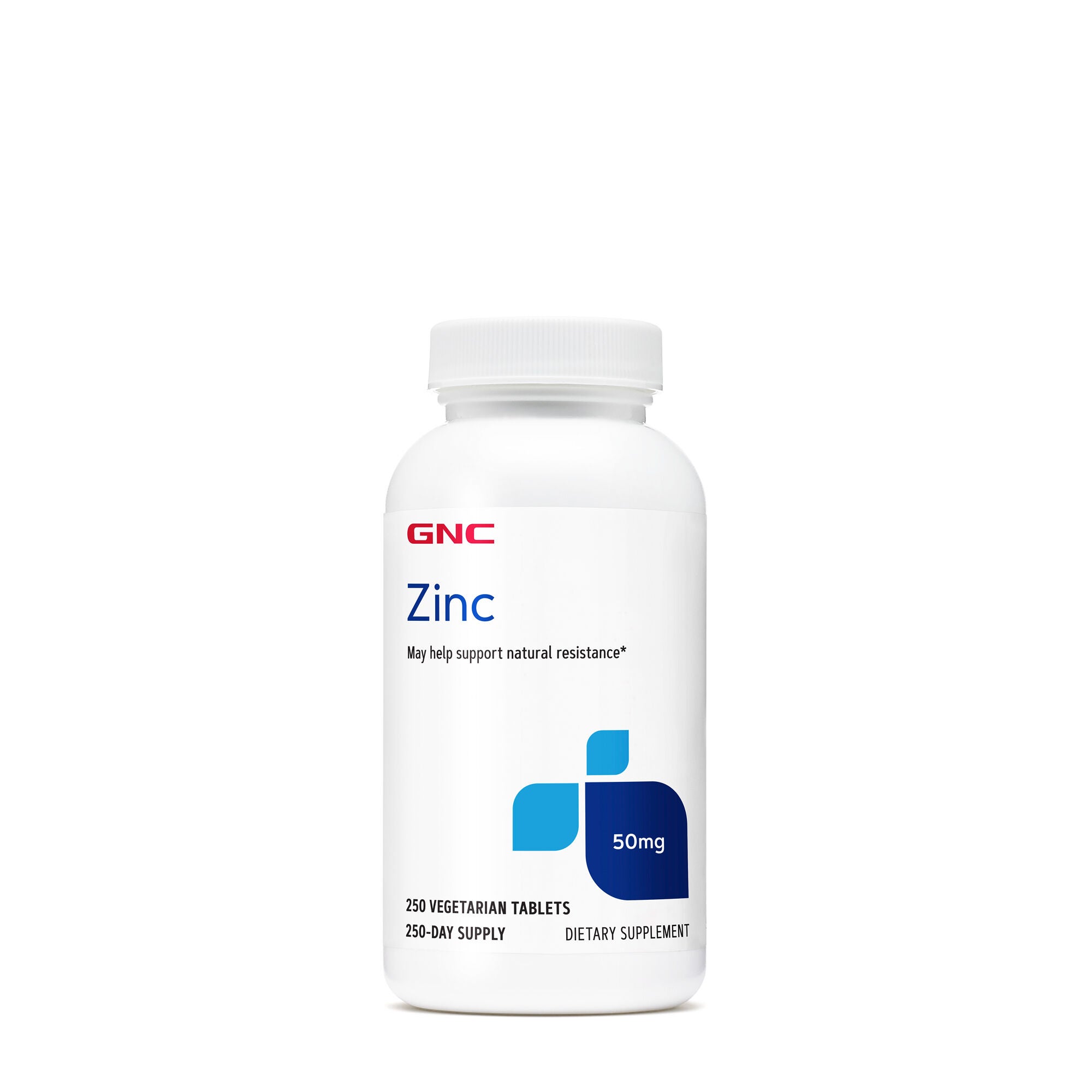
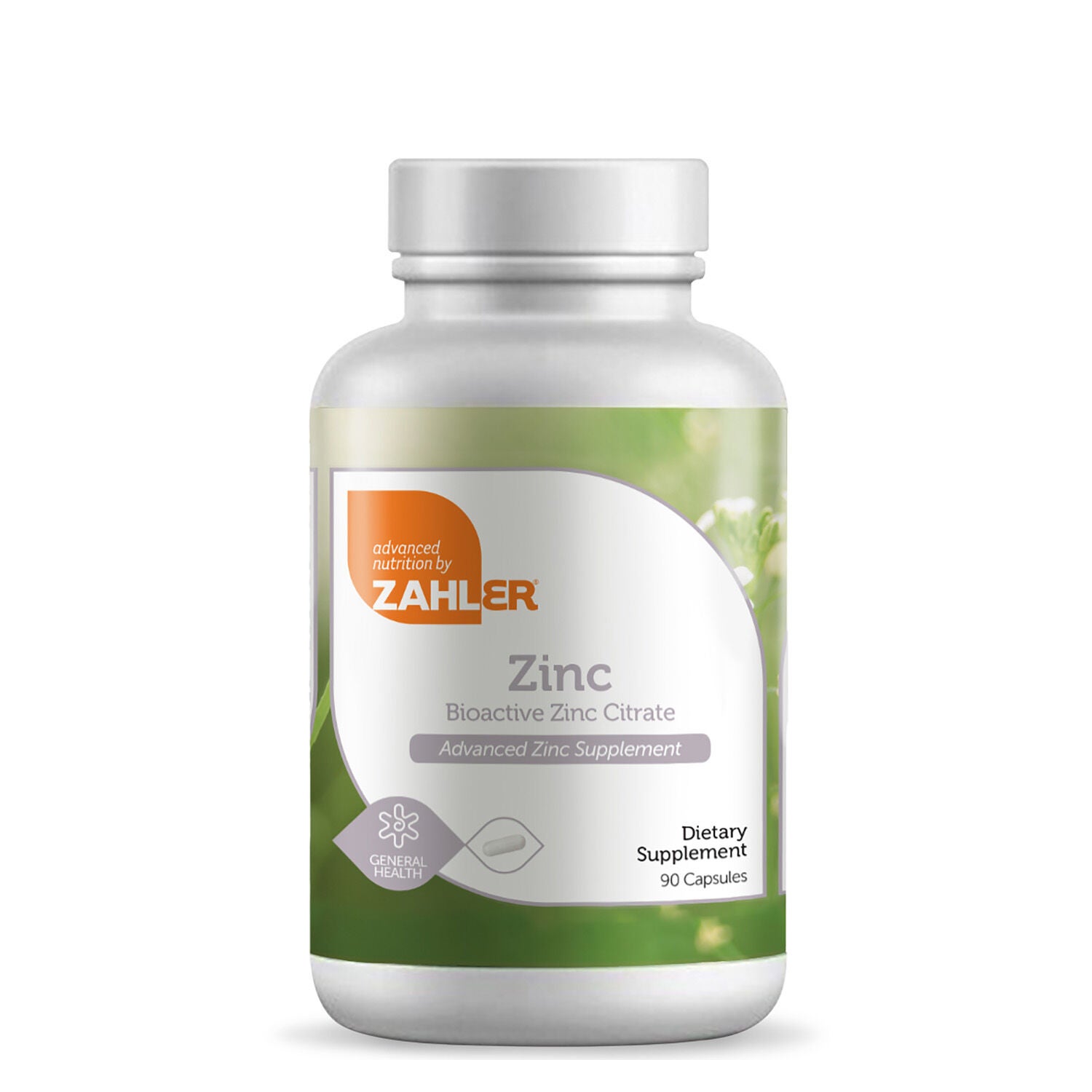
Zinc is a trace mineral found in foods such as oysters, beef, crab, beans, nuts, and fortified cereals. Zinc supplements for daily antioxidant support may complement dietary intake and may support normal antioxidant enzyme activity. Common supplemental forms include zinc gluconate, zinc citrate, and zinc picolinate, with choices ranging from single-mineral formulas to blends containing other nutrients. The mineral form, amount per serving, and delivery format are separate characteristics, so two bottles labeled zinc can have noticeably different ingredient lists and serving instructions. For adults interested in everyday nutrition, these distinctions provide more useful context than the size of the bottle or the most prominent number on the front label. A single-mineral formula centers on zinc, while a combination formula includes additional vitamins or minerals within the same serving. Neither format describes someone’s entire diet, and the surrounding food routine remains an important part of the picture. A lunch built around beans, a dinner featuring seafood, and a breakfast with fortified cereal each bring different sources of zinc to the table. Plant foods also contain phytates, compounds that may affect zinc absorption, so food sources differ in more than their listed mineral content. Supplements represent another source of zinc rather than a substitute for the variety of nutrients found in meals. The daily antioxidant support theme is about nutritional context, not a reason to assume that a larger serving is a better match. Some shoppers prefer a straightforward zinc formula with a short ingredient list; others compare combinations because they want several nutrients in one format. Those preferences might reflect a breakfast routine, a preference for capsules over chewables, or the desire to understand every ingredient on the label. Across these options, the most meaningful distinctions remain the actual zinc amount, the ingredients accompanying it, and the intended adult use stated on the package.
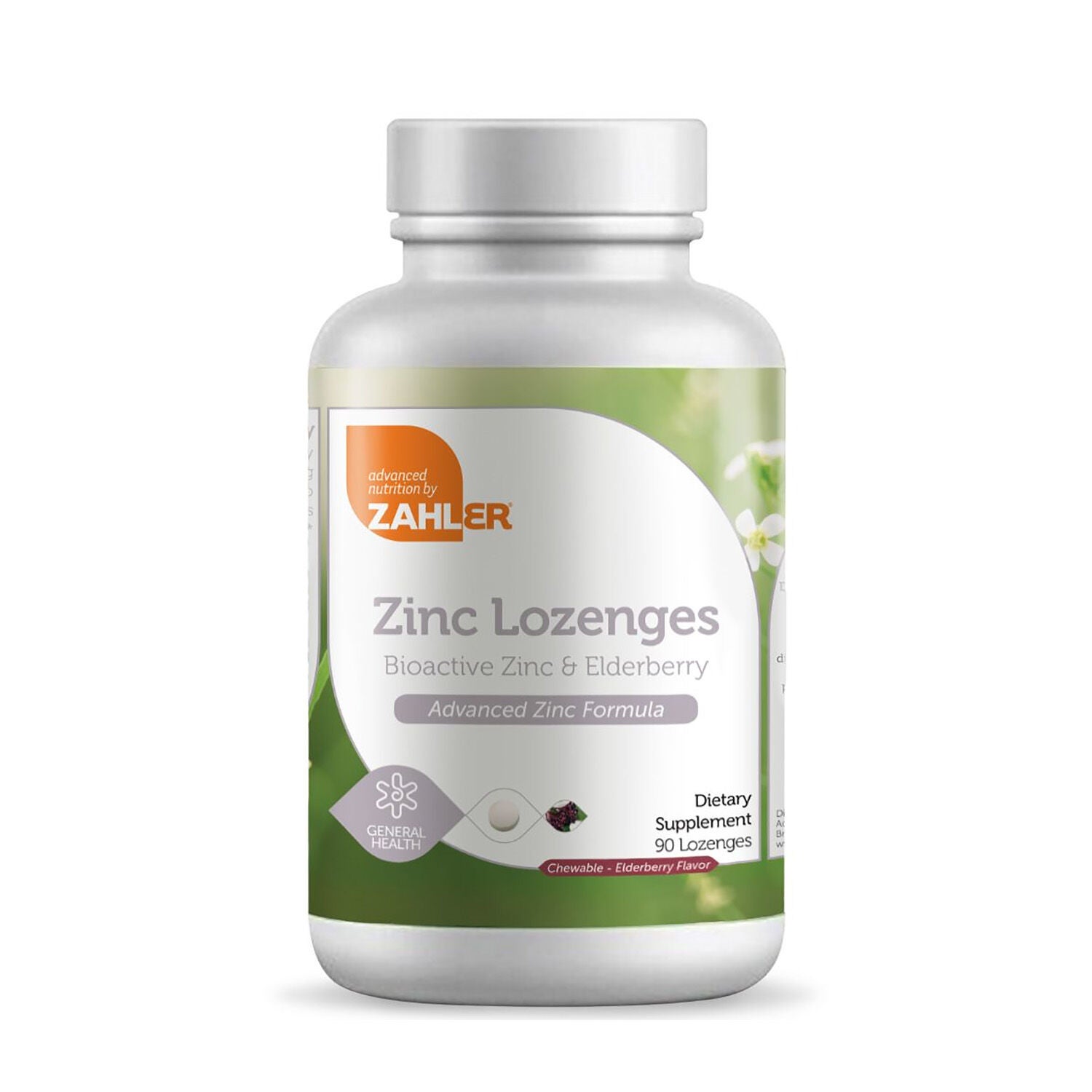
The Supplement Facts panel offers a consistent starting point for comparing zinc supplements. Serving size matters because the listed zinc amount applies to that serving, which is not always one tablet, capsule, or gummy. The milligram amount beside zinc represents the zinc itself, rather than the weight of the entire zinc compound. A label might identify zinc as zinc citrate or zinc gluconate in parentheses, distinguishing the mineral source from the amount supplied. The percentage Daily Value provides another point of reference, but it is not a personalized assessment of someone’s nutritional needs. Front-label numbers are easier to interpret when viewed alongside these details. Format brings another set of practical differences. Capsules have shells that may contain gelatin or plant-derived materials, while tablets can include binders and coatings. Chewables and gummies have flavor, texture, and sweetener considerations that do not necessarily apply to a capsule. Liquid formulas have their own serving measurements and dispensing instructions, with details such as shaking or measuring stated on the package when applicable. For someone who dislikes flavored supplements, a capsule or tablet may be a more appealing format. For someone who prefers a chewable texture, flavor descriptions and the full ingredient list may carry more weight. These are matters of personal preference, not evidence that one format offers superior antioxidant support. Mineral names alone also do not establish which formula will suit a particular person. Differences in the finished formula, serving size, and intended use deserve attention alongside the zinc source. Other ingredients can include colors, flavorings, sweeteners, capsule materials, and ingredients used to form a tablet. Dietary preferences are best evaluated through explicit label statements rather than assumptions based on appearance. A clear capsule, for example, does not by itself establish that its shell is plant-derived. Likewise, a fruit flavor does not describe every ingredient in a gummy. Reading both the Supplement Facts panel and the accompanying ingredient list gives shoppers a more detailed view of what distinguishes one type of zinc supplement from another.
An everyday supplement routine also has practical requirements beyond the nutrient panel. A bottle that stays in a kitchen cabinet, a container kept with other household supplements, and a package packed for travel each call for attention to storage directions, closure design, and label readability. Original packaging retains the ingredient information, serving directions, lot identification, and expiration date in one place. A dry cabinet away from a sink is a different storage setting from a steamy bathroom, and the conditions printed on the package remain the reference for care. Containers with legible labels and securely closing lids may be convenient for regular handling, while a clearly marked expiration date makes the package easier to evaluate over time. Serving count is another useful detail: the number of capsules or gummies in a bottle is not necessarily the number of servings. That distinction matters when comparing package sizes or considering how a format fits an established routine. Someone who already uses a multivitamin has a different set of labels to review than someone considering a single-mineral supplement alone, since zinc can appear in several types of nutritional formulas. Looking across those labels makes overlapping ingredients visible without relying on product names or packaging colors. For a closer look at adult-focused formats, the Zinc For Adults Supplement collection provides a related place to compare the characteristics described on each label. Intended use remains especially relevant because adult formulas are distinct from products labeled for children. A considered selection brings together the mineral source, zinc amount per serving, accompanying ingredients, preferred texture, and package directions. The result is a clearer comparison grounded in everyday details: whether the formula is flavored, what the capsule shell contains, how a serving is measured, and where the container belongs between uses. Within that broader nutritional routine, zinc supplements may offer a practical way to complement dietary zinc and may support normal antioxidant activity.
Best Sellers

Related Pages
Top Collections
- Joint Mobility Supplement Packs
- Daily Collagen Supplements | Top Brands & Deals | GNC
- GLP 1 Support For Adults
- Zinc Supplements | Top Brands at Great Prices | GNC
- Supplements For Yoga Joint Flexibility
- Supplements For Balance
- Capsule Supplements For Energy And Stamina
- Adult Mobility Supplements
- Chronic Fatigue Supplements
- Vitamins For Hair Loss