





Chocolate Absorption Support Powders
(0 Results)
Chocolate absorption support powders may offer a convenient and delicious way to complement your daily routine. With rich chocolate flavor, these powders could be a satisfying addition to smoothies, shakes, or your favorite recipes. Explore chocolate absorption support powders that might help you enjoy both taste and nutrition in every scoop.
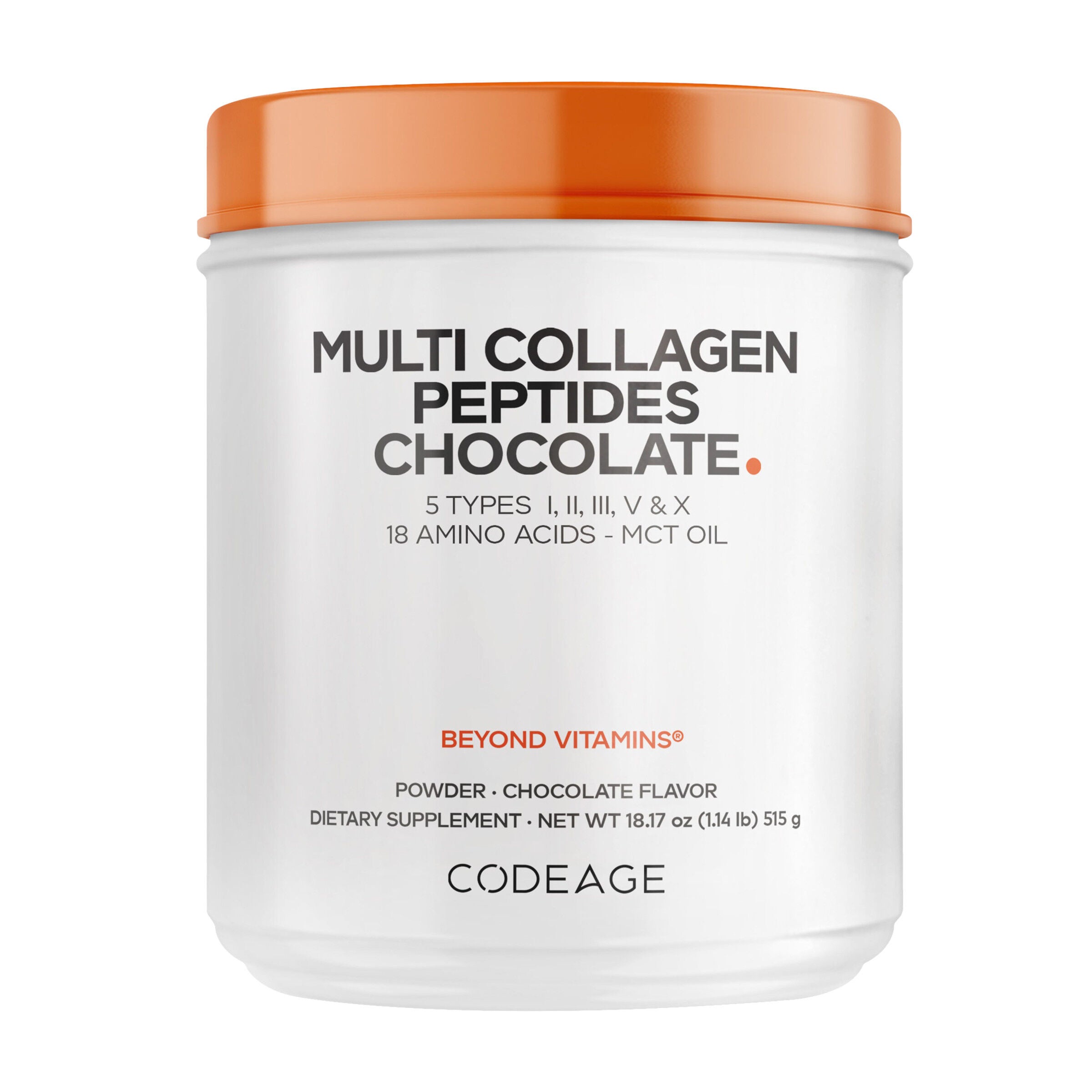
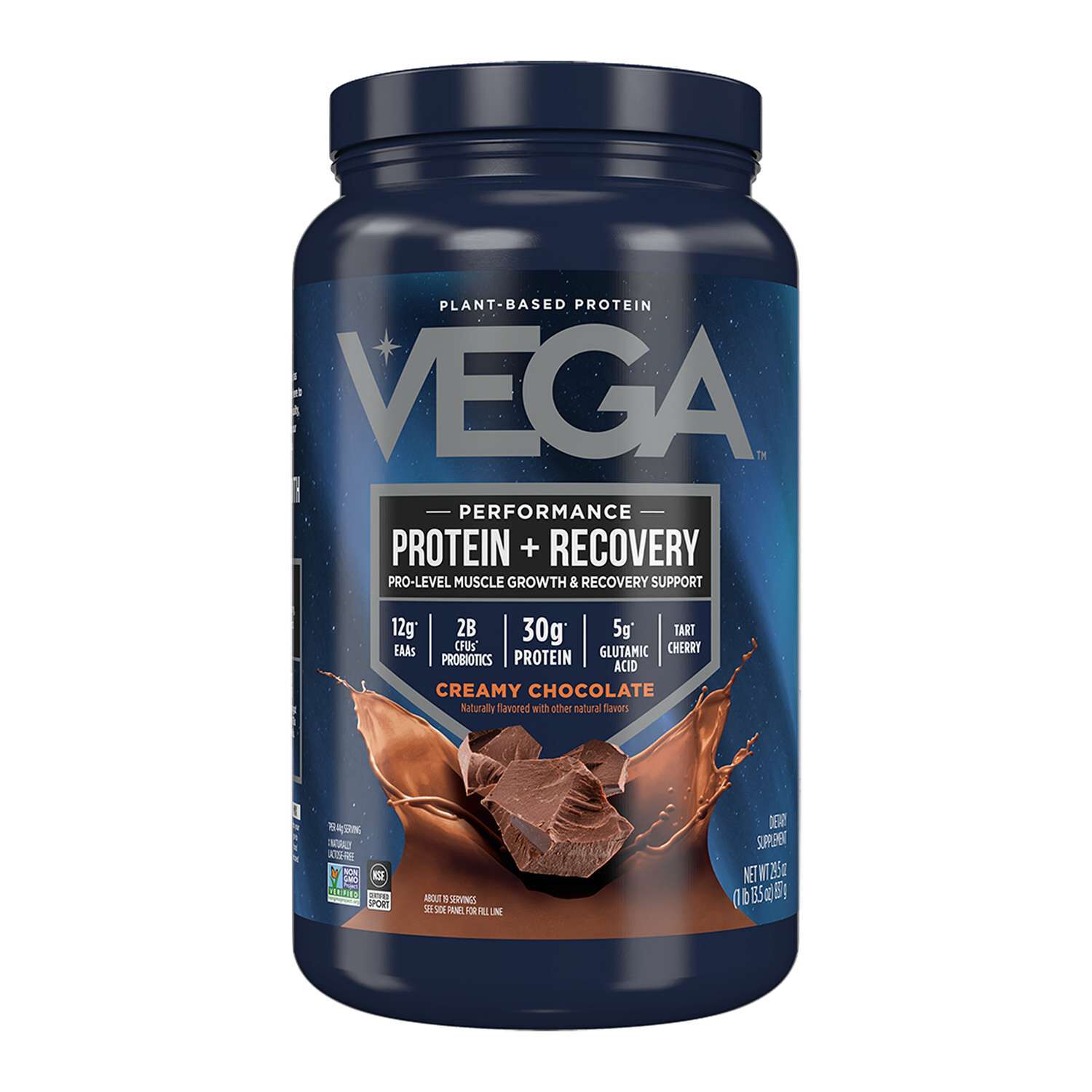
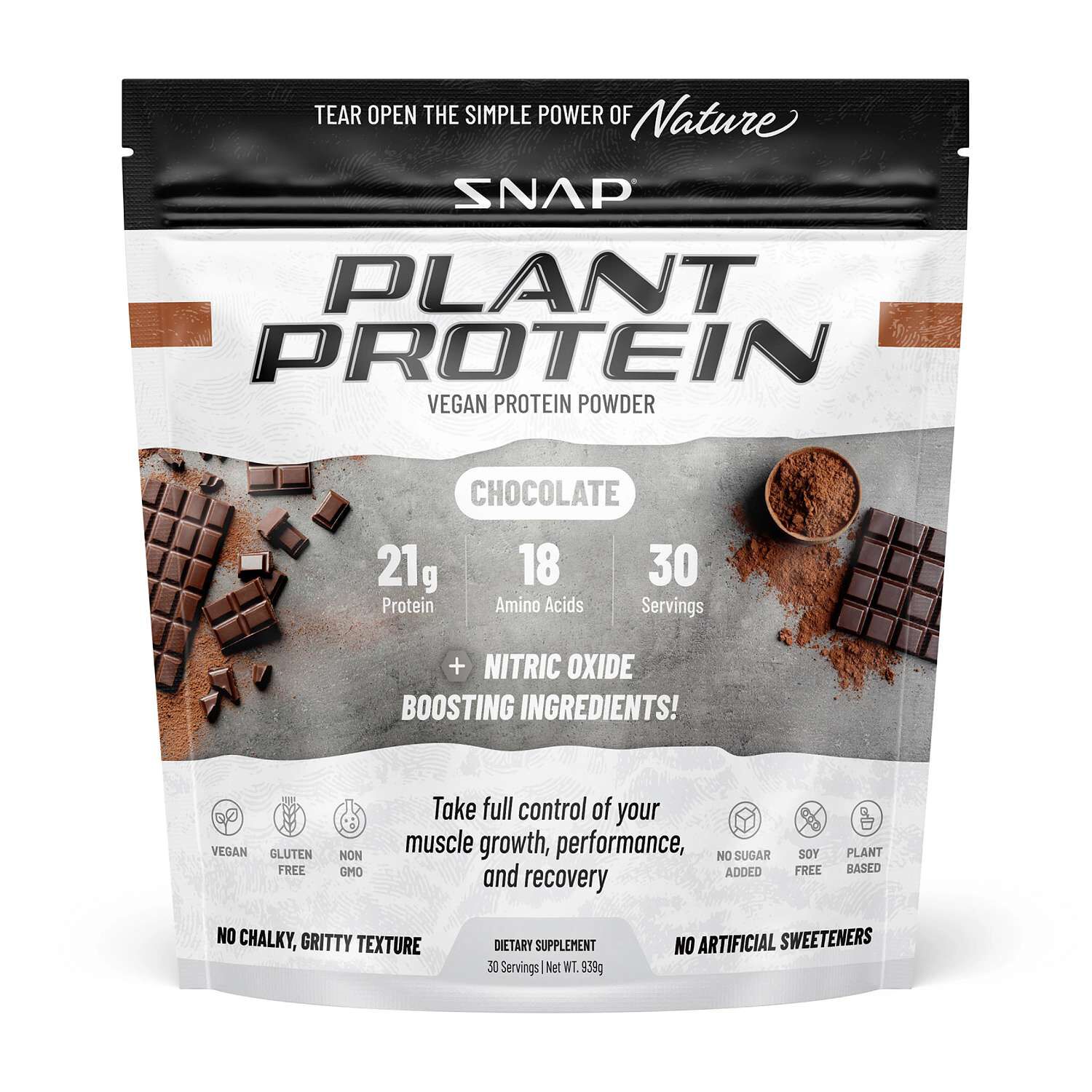


Chocolate absorption support powders are a category of chocolate-flavored nutritional blends and cocoa-based supplements positioned around nutrient absorption or nutrient use. The phrase describes an intended formulation focus, not a shared ingredient list or a uniform result. Absorption refers to the process by which nutrients move from the digestive tract into the body, and chocolate flavor alone does not establish how that process will occur. Some formulas feature protein, while others emphasize vitamins, minerals, cocoa ingredients, or a combination of nutritional components. Not every chocolate protein powder or cacao powder is formulated for absorption support, so the product description and label matter more than the flavor name. Cocoa powder contributes the familiar character of chocolate, while cocoa extracts may be listed separately with information about their composition. Flavanols are naturally occurring plant compounds found in cocoa, but their presence should not be assumed from a dark color or an intense chocolate taste. Likewise, a higher cocoa percentage does not by itself explain the purpose of a nutritional supplement. Protein sources also distinguish these powders: whey and casein come from milk, while pea, rice, and other plant proteins offer different ingredient profiles. A blend might combine several sources, with the label identifying each one. For shoppers comparing chocolate absorption support powders, useful details include the stated purpose, serving size, nutrient amounts, ingredient forms, and preparation directions. A formula with added vitamins and minerals is different from a plain cocoa ingredient intended for cooking, even when both look similar in a scoop. The Nutrition Facts or Supplement Facts panel helps clarify that distinction. Ingredient lists also show whether the chocolate character comes from cocoa, flavoring, or both. Those details make it easier to compare powders by what they actually contain rather than treating every chocolate-flavored blend as interchangeable. A familiar flavor may fit an established routine, but the formulation remains the starting point for a thoughtful selection.
Taste and preparation are practical considerations because chocolate powders span a wide range of sweetness, texture, and mixing styles. One blend might have a pronounced cocoa note, while another might lean toward a softer milk-chocolate flavor. Cane sugar, stevia, monk fruit, and sugar alcohols are examples of sweetening ingredients that appear in this broader category, and their presence is usually apparent in the ingredient list. Personal preferences matter: someone who enjoys dark chocolate may prefer a less sweet profile, while a shopper accustomed to flavored shakes might favor a dessert-like taste. The liquid used for preparation might change the drinking experience as well. Milk or a plant-based beverage may produce a richer texture than water, although the finished drink’s nutrient amounts depend on everything added. Mixing directions help establish the intended ratio of powder to liquid, and serving information deserves attention when comparing containers. A scoop is a measuring tool, but scoop sizes differ between formulas; the listed serving weight in grams provides a more useful point of comparison. Some powders are intended for a shaker bottle, while others have directions suited to blending or stirring. Fine cocoa particles may leave a light residue, and ingredients such as gums or fibers might affect thickness. For an adult who carries a shake to work, a secure lid and a bottle with enough room for mixing are practical companions. For someone who prepares food at home, a powder labeled for use in foods might fit into yogurt, oatmeal, or a blended snack. These uses depend on the formula’s directions rather than on chocolate flavor alone. The powder’s contribution should also be considered alongside any milk, yogurt, fruit, or other additions. Allergen statements are another important distinction, particularly for formulas containing milk, soy, or ingredients processed in shared facilities. Dietary preferences, ingredient exclusions, and preferred serving size help narrow the selection without assuming that one type of chocolate powder suits everyone. A short ingredient list and a longer fortified formula serve different preferences; neither description alone establishes how well a powder matches a particular purpose.
Packaging and storage deserve the same attention as flavor, especially when a powder will move between a kitchen cabinet, an office drawer, and a gym bag. Resealable pouches, tubs with fitted lids, and individually portioned packets offer different ways to organize a routine. A pouch might occupy less cabinet space, while a rigid container may be easier to scoop from on a busy counter. Portioned packets might suit an adult who prefers not to carry a larger container, though the serving information still needs to match the intended use. For powders, care is mainly about protecting the contents rather than maintaining the container’s appearance. Storage directions, date markings, and closure instructions provide the relevant details. A clean, dry scoop and a securely closed package help limit moisture entering the powder; a damp utensil may contribute to clumping. Keeping the label with the contents also preserves access to ingredient information and preparation directions. These practical details matter for anyone comparing a chocolate blend for an established meal routine, a familiar post-workout shake, or an occasional prepared snack. As a gift, a nutritional powder is most appropriate for an adult whose flavor preferences and dietary choices are already known, rather than as a surprise based on an assumed need. Shoppers exploring other chocolate formats can also browse Chocolate Dietary Supplements for a broader view of the category. Across formats, the useful comparison remains specific: what the formula contains, what its label says it is intended for, how it is prepared, and whether its flavor and format suit the recipient or shopper. Chocolate absorption support powders are best understood through those concrete characteristics, not through flavor-based assumptions about nutrient use. A clearly described formula, readable serving information, and preparation requirements that fit everyday habits provide a grounded basis for choosing among chocolate nutritional powders.
Best Sellers


Related Pages


Top Collections
- Joint Mobility Supplement Packs
- Zinc Supplements | Top Brands at Great Prices | GNC
- Supplements For Yoga Joint Flexibility
- Supplements For Balance
- Capsule Supplements For Energy And Stamina
- Daily Collagen Supplements | Top Brands & Deals | GNC
- Adult Mobility Supplements
- GLP 1 Support For Adults
- Vitamins For Hair Loss
- Gut Lining Protection Supplements