





Energy Drinks
(0 Results)
Find energy drinks that fit your routine by comparing caffeine content, ingredients, flavors, and serving sizes. Whether you have a favorite or want to try something different, review each product’s label and suggested use to help narrow your choice.
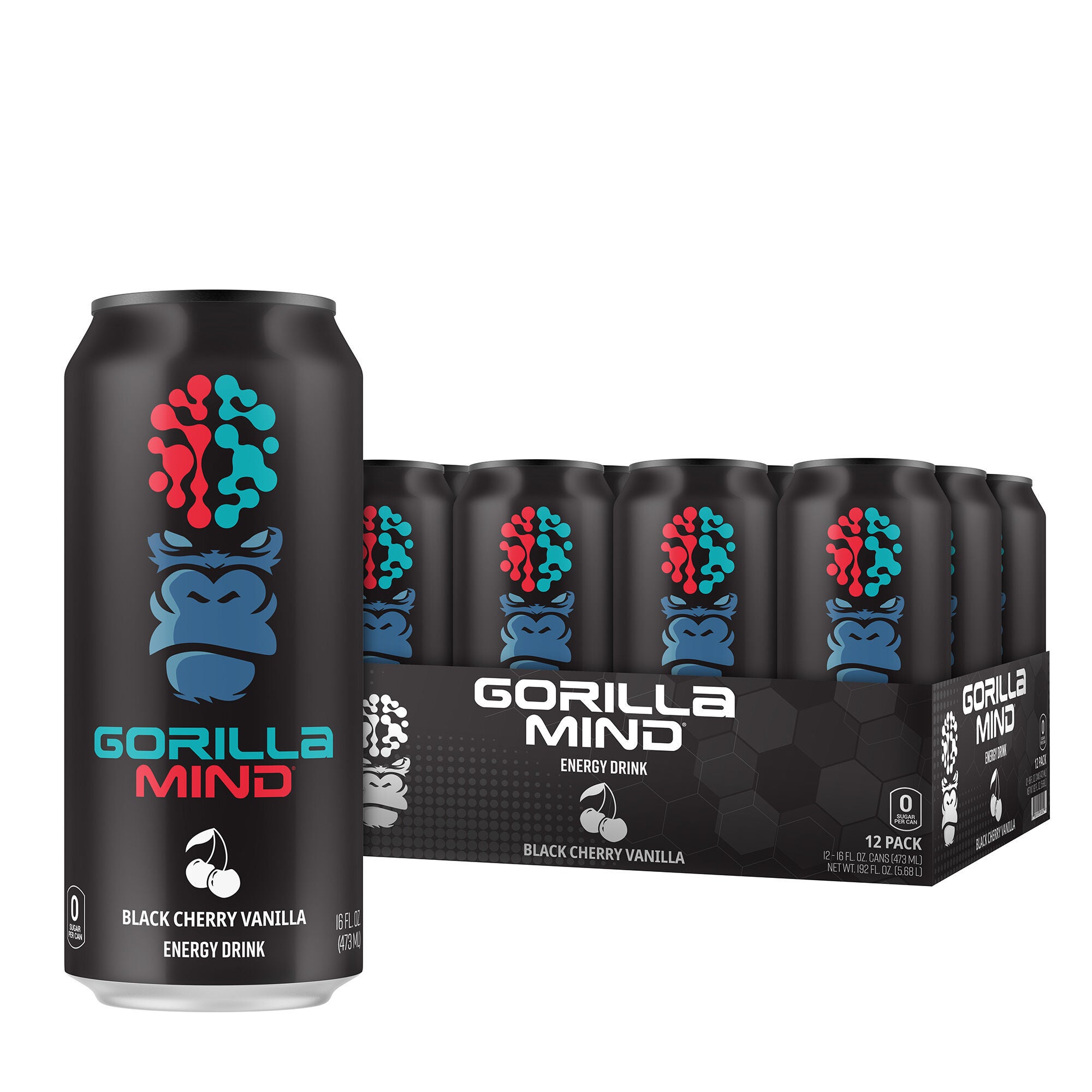
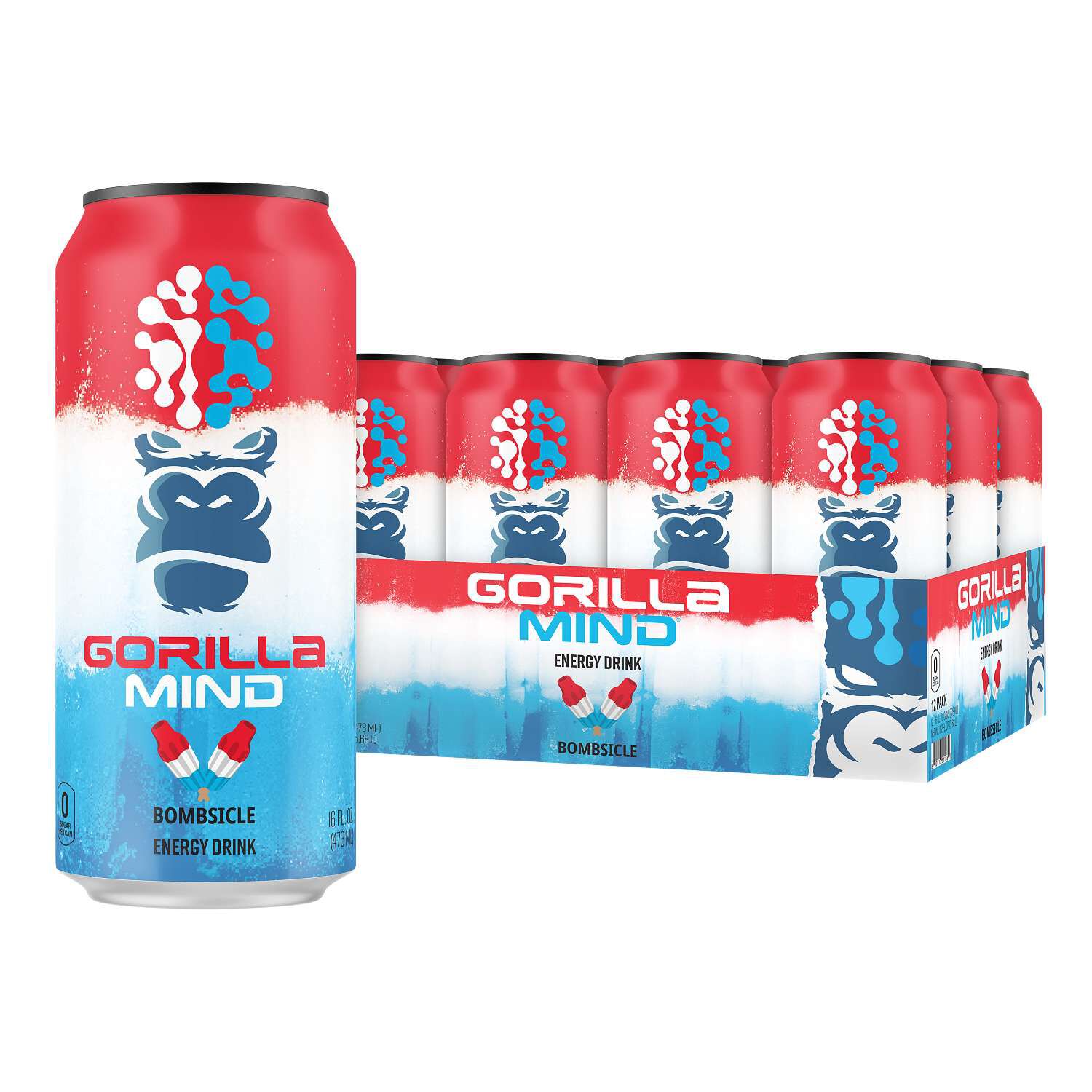

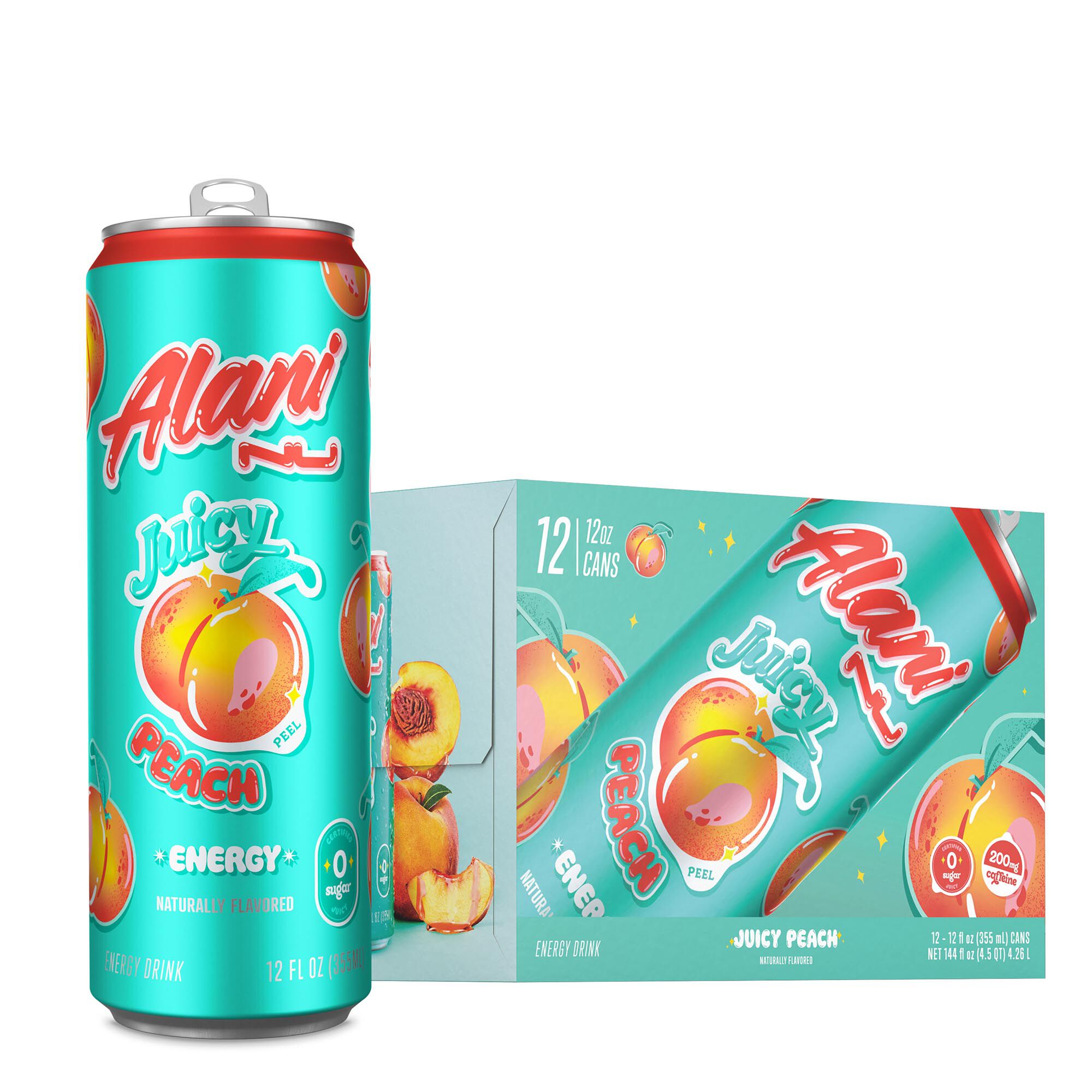


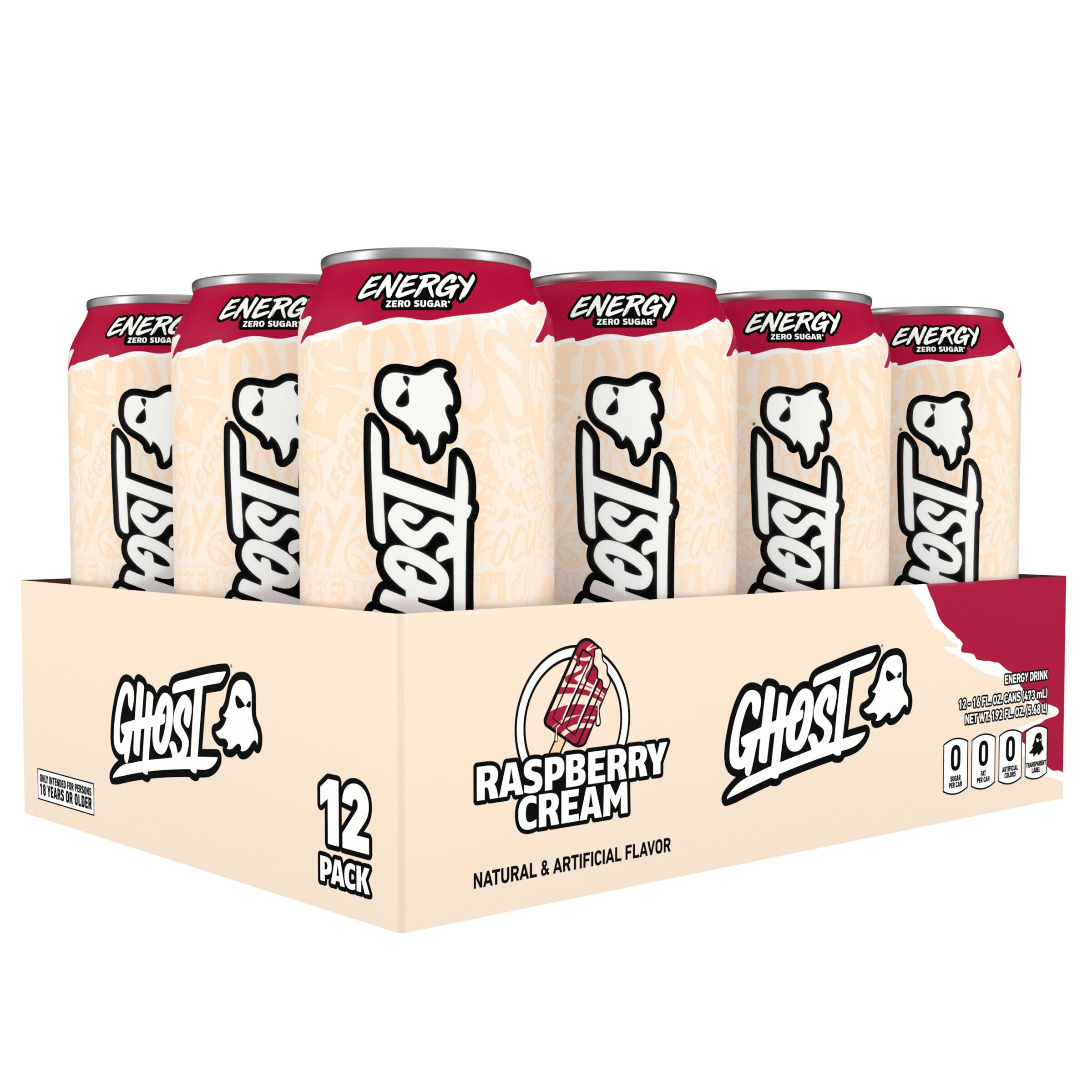
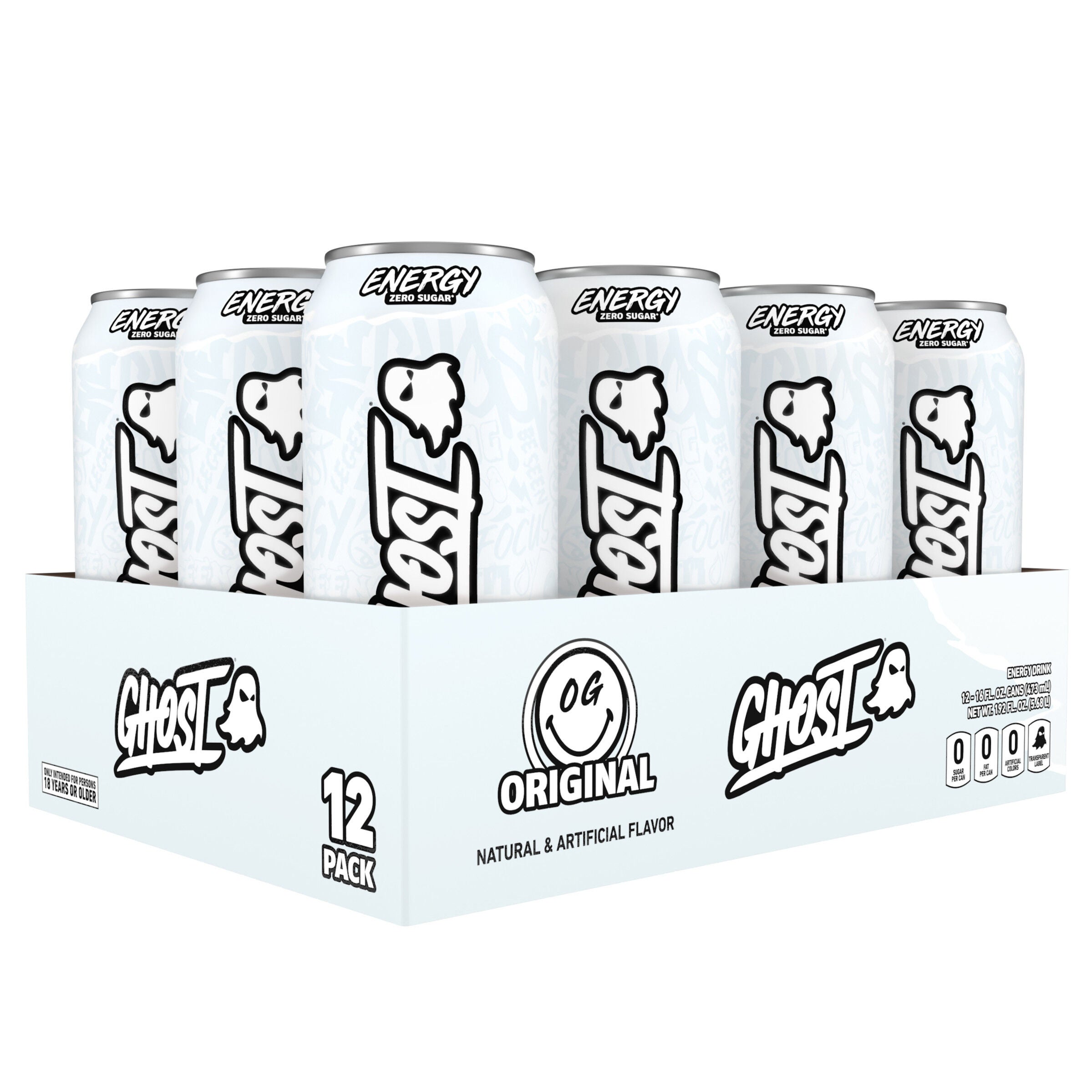

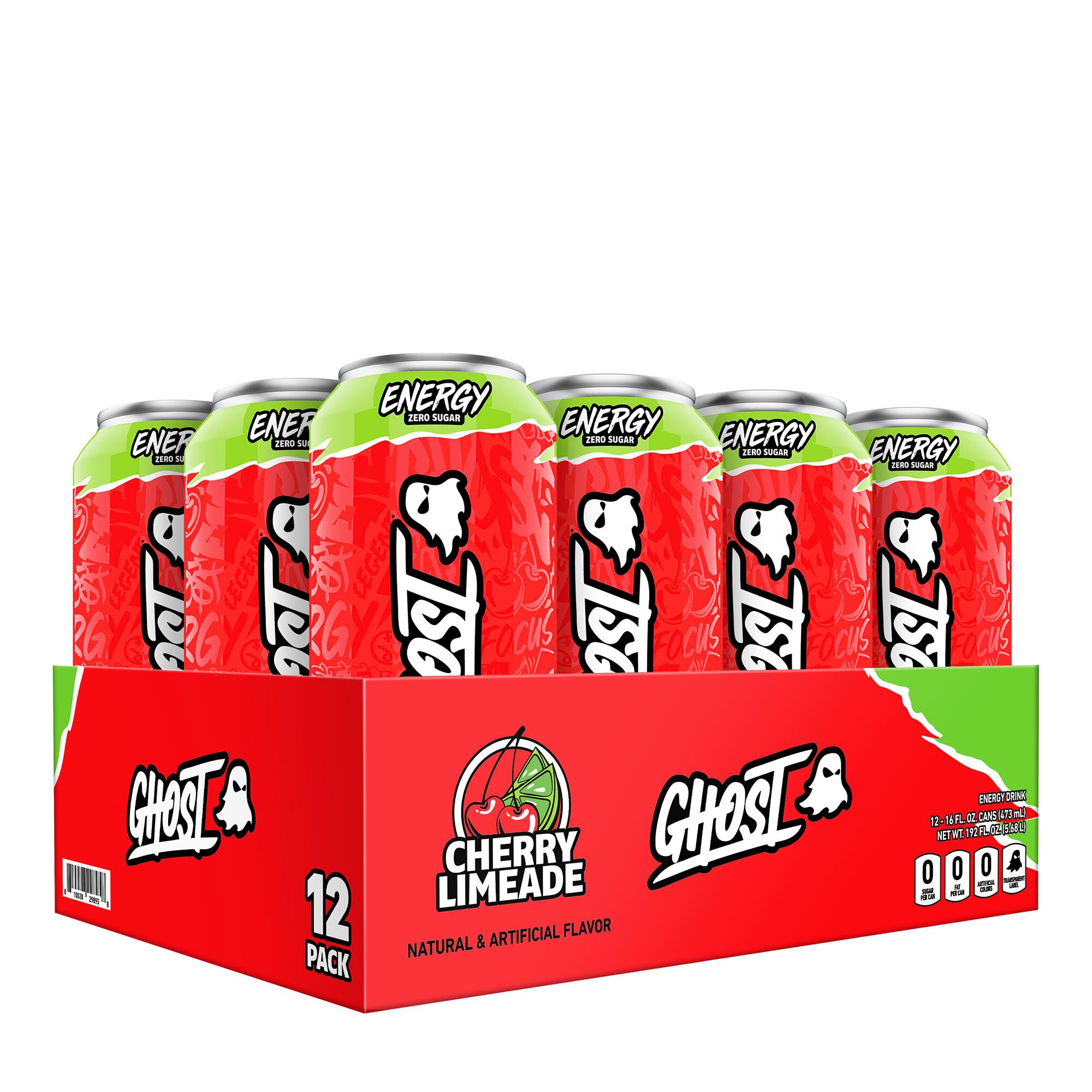

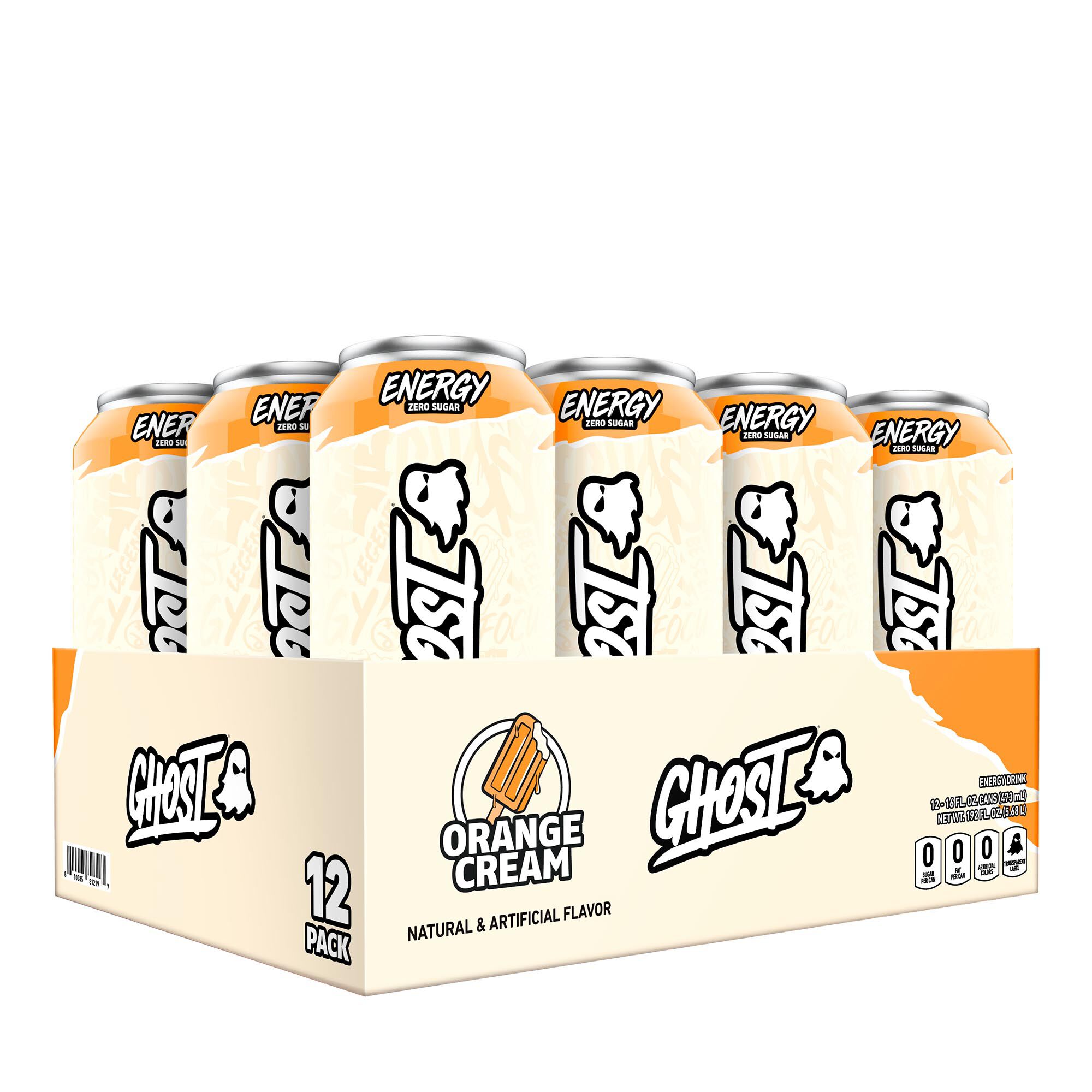


Energy drinks are nonalcoholic beverages that typically contain caffeine, along with flavorings and other ingredients, and may support alertness and concentration. The category includes carbonated and noncarbonated beverages, with differences in caffeine content, sugar, calories, serving size, and ingredient combinations. Some formulas contain B vitamins, amino acids such as taurine, or botanical ingredients such as guarana and green tea extract. Those ingredients help distinguish one formula from another, but their presence alone does not establish how a beverage might feel to a particular person. Energy drinks also differ from neighboring beverage categories: sports drinks generally emphasize fluids and electrolytes, while protein drinks center on protein content. An energy drink may contain some of those same ingredients, but caffeine is usually a defining feature. For adults comparing beverages for a workday, a study session, or a stop before the gym, the most useful distinctions are often the ones printed on the container. Caffeine per serving, servings per container, and the amount of beverage in the package give a clearer picture than a bold name or colorful can. A smaller container does not necessarily contain less caffeine, and a larger bottle does not necessarily contain more. Caffeine can come from added caffeine, botanical sources, or a combination, so an ingredient’s origin does not replace the stated amount as a point of comparison. The High Caffeine Drinks category offers a more focused way to explore beverages with an emphasis on caffeine content. Across the broader energy drink category, adult preferences may range from a modestly caffeinated option alongside lunch to a more concentrated formula in a smaller package. Someone who also enjoys coffee or tea has another reason to look closely at that information: similar-looking beverages can differ considerably in their caffeine content. Flavor, format, and the intended drinking occasion all matter, but the label provides the clearest starting point for understanding what is inside.
Flavor and texture are major parts of choosing an energy drink, especially for someone who prefers to sip a beverage rather than finish it quickly. Citrus profiles often feature lemon, lime, orange, or grapefruit notes, while berry blends can range from a tart red-fruit character to a softer, sweeter finish. Tropical combinations may bring together pineapple, mango, or passion fruit, and candy-inspired flavors tend toward a more pronounced sweetness. These descriptions refer to flavor profiles, not necessarily the presence of fruit juice, which is a separate detail on the ingredient list. Carbonation adds another distinction. Fine bubbles, stronger fizz, and a still texture create different drinking experiences even when two beverages have similar flavor names. An adult who enjoys sparkling beverages might prefer a carbonated energy drink with lunch, while someone who wants a smoother sip at a desk might lean toward a noncarbonated style. Sweetness also depends on more than the number of grams of sugar. Formulas may use sugar, alternative sweeteners, or blends, each with a different taste and finish. Zero sugar and no added sugar are different descriptions, and neither phrase alone explains a beverage’s calorie content or ingredient profile. The nutrition information gives those front-label descriptions context. In this category, the word energy also does not indicate a particular calorie count; beverages with similar caffeine amounts can have different amounts of sugar and calories. Ingredient lists offer additional detail about sweeteners, acids, colors, and flavorings. B vitamins or amino acids may be highlighted on the package, but those callouts do not describe the entire formula. For an adult comparing a tart citrus drink with a sweet tropical blend, the choice may come down to the balance of acidity, sweetness, and carbonation rather than the longest ingredient list. A familiar flavor can be a useful reference point, while a different texture or sweetness profile may offer a distinctly different experience within the same beverage category.
Packaging shapes how an energy drink fits into an everyday routine. Aluminum cans and resealable bottles offer different conveniences, and container dimensions matter when a beverage needs to fit into a lunch bag, backpack pocket, or vehicle cup holder. A compact can may suit a short break, while a resealable bottle could be useful for someone who prefers to pause between sips. Resealability does not change the storage directions, however, and the package remains the reference for handling a beverage after opening. Serving size deserves attention here as well: a container that looks like one portion may list more than one serving. Caffeine information may appear separately from the Nutrition Facts or Supplement Facts panel, making the front, back, and side of the package useful parts of the comparison. For unopened drinks, storage directions and date markings provide practical context, while the condition of the container matters during transport. A secure cap or intact can opening helps keep the beverage contained; carrying a drink beside keys, tools, or other hard objects introduces a different handling concern than setting it on a desk. Packaging materials also influence disposal, with local recycling programs determining which containers they accept. These details are less eye-catching than flavor names, but they matter when a beverage becomes part of a repeated routine. A commuter may value a shape that fits an existing cup holder, an adult student may prefer a resealable format for a study session, and someone packing a gym bag may favor a container that fits neatly beside other belongings. For gifting, energy drinks are most suited to an adult whose caffeine and flavor preferences are already familiar to the giver. Across these uses, the strongest match comes from the combination of taste, labeled caffeine content, serving size, and packaging—not from a single ingredient or an especially vivid description on the front of the container.
- Q: What ingredients are commonly found in energy drinks?
A: Energy drinks often contain caffeine, B vitamins, taurine, flavorings, and sweeteners. Ingredient combinations vary, so check the ingredient list to learn what each option contains. - Q: Are all energy drinks carbonated?
A: Energy drinks come in both carbonated and noncarbonated varieties. Carbonated options have a fizzy texture, while noncarbonated options offer a still beverage format. - Q: What flavors do energy drinks come in?
A: Energy drinks are available in citrus, berry, tropical fruit, cola, and other flavors. Some feature a single fruit flavor, while others combine several flavors in one beverage. - Q: How are energy drinks different from coffee?
A: Coffee is brewed from coffee beans, while energy drinks are formulated beverages that often combine caffeine with flavorings and other ingredients. Some energy drinks contain caffeine sourced from coffee beans or tea. - Q: What should I look for when comparing energy drink labels?
A: Compare ingredient lists, caffeine content, added sugars, and sweetener types. Nutrition Facts panels and flavor descriptions provide additional details to help you choose according to your preferences.
Best Sellers
-
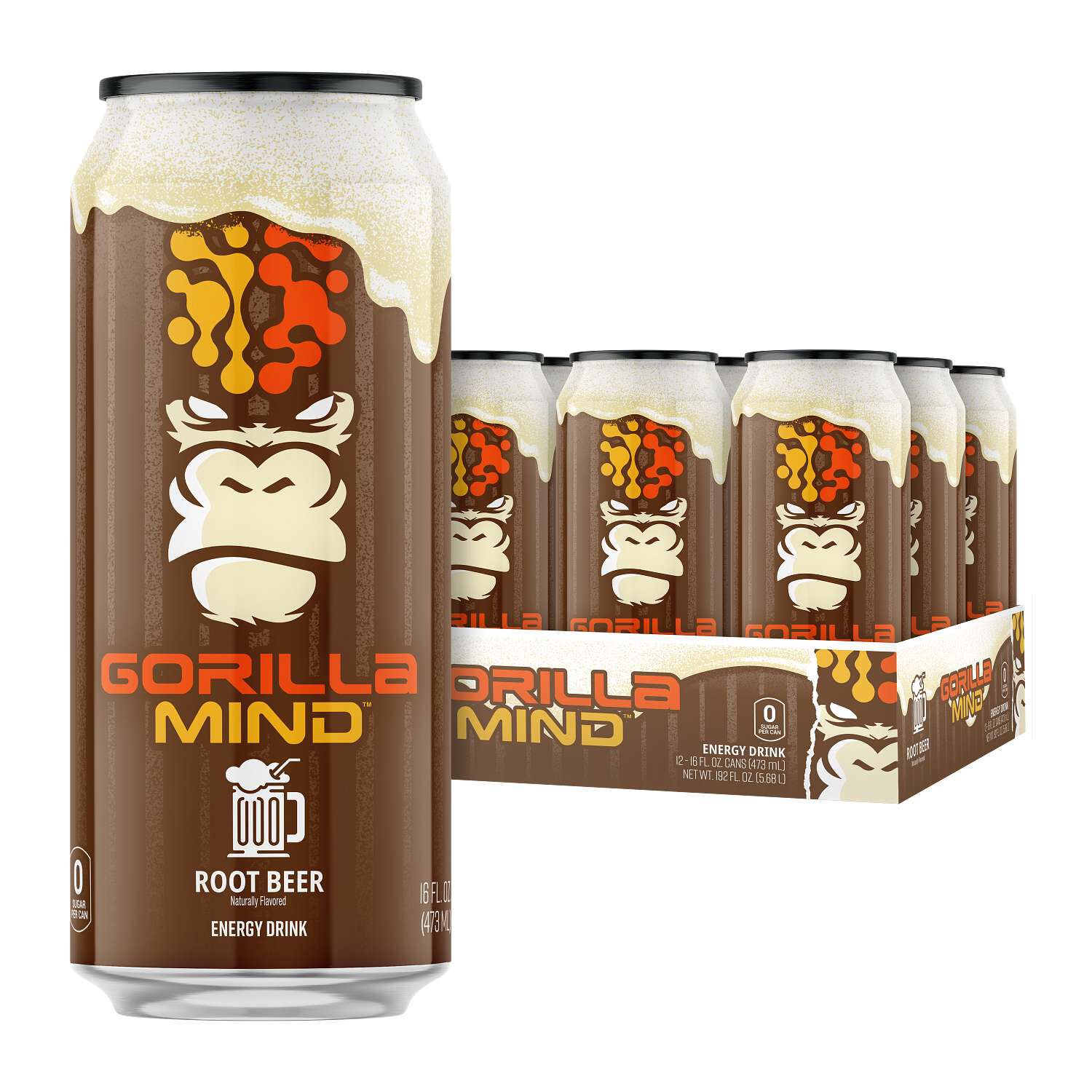 Gorilla Mind
-
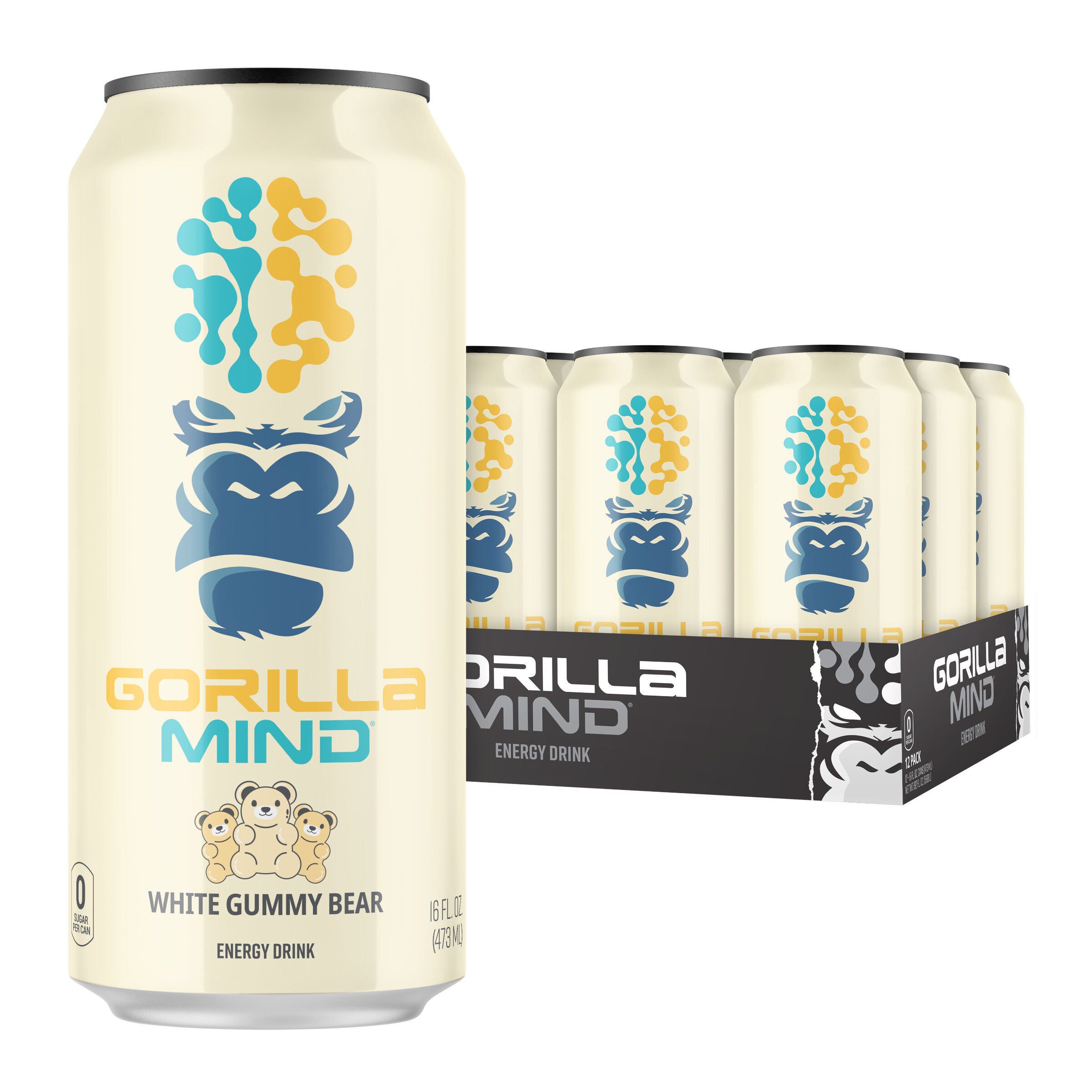 Gorilla Mind
-
 Gorilla Mind
Related Pages


Top Collections
- Supplements For Yoga Joint Flexibility
- Chronic Fatigue Supplements
- Joint Mobility Supplement Packs
- Adult Mobility Supplements
- Active Supplements
- GLP 1 Support For Adults
- Zinc Supplements | Top Brands at Great Prices | GNC
- Supplements For Anxiety Relief Support
- Supplements For Balance
- Capsule Supplements For Energy And Stamina