Kosher Probiotic Supplements
(0 Results)
Discover a diverse selection of high-quality Kosher probiotics to support your digestive health and overall well-being. Our Kosher probiotics are carefully crafted to provide you with beneficial bacteria strains that promote a healthy gut microbiome. Whether you are seeking probiotics in capsule, powder, or chewable form, we have a variety of options to suit your preferences and dietary needs. Explore our range of Kosher probiotics to find a supplement that aligns with your health goals and lifestyle choices.

_Front.jpg?sw=305&sh=305&sm=fit "Kidophilus Plus - Berry - 90 Tablets (90 Servings) | GNC")
_Front.jpg?sw=305&sh=305&sm=fit "BioDophilus60 - 60 Capsules (60 Servings) | GNC")
_Front.jpg?sw=305&sh=305&sm=fit "BioDophilus25 - 60 Capsules (60 Servings) | GNC")
_Front.jpg?sw=305&sh=305&sm=fit "BioDophilus60 - 30 Capsules (30 Servings) | GNC")
_Front.jpg?sw=305&sh=305&sm=fit "BioDophilus25 -120 Capsules (120 Servings) | GNC")

Kosher probiotic supplements bring together live microorganism formulas and dietary considerations rooted in kosher practice. For shoppers who keep a kosher kitchen or follow kosher dietary standards, the details extend beyond the capsule’s main ingredients. Capsule shells, coatings, flavorings, and the materials used to grow probiotic cultures can all matter, as can the equipment and processes involved in production. A kosher certification symbol on the package provides a reference for the certifying organization’s oversight of that particular formula. Different households follow different certification standards, so the name or symbol of the certifying agency can be as relevant as the supplement format. Dairy designations also deserve attention: a probiotic described as kosher is not necessarily pareve, and a vegetarian formula is not automatically kosher. The certification and ingredient list answer different questions, with each contributing to a clearer picture of the product. A capsule may contain gelatin or a plant-derived shell, while a chewable may include flavors, colors, sweeteners, or other ingredients that influence whether it fits a shopper’s preferences. Powders introduce another set of practical details, including whether the serving is individually packaged or measured from a larger container. These distinctions make kosher probiotics a category with considerable variety rather than a single type of supplement. An adult who prefers an unflavored capsule may have different priorities from someone who wants a powder that can be mixed into a food or beverage as directed on the label. Someone keeping a strictly pareve routine may also evaluate a formula differently from a shopper whose primary consideration is a particular certification agency. Package photographs, certification details, serving directions, and the full ingredient panel provide context for those differences. The result is a selection shaped by both the composition of the probiotic and the dietary standards it is intended to meet, with neither aspect replacing the other. A familiar capsule shape or flavor name, on its own, says little about either one.
Within kosher probiotic formulas, the identity of the microorganisms is another meaningful distinction. Labels may list a genus, species, and strain designation, giving shoppers a more precise description than the word “probiotic” alone. Some formulas contain a single strain, while others combine several strains; certain probiotics use yeast rather than bacteria. A longer strain list does not, by itself, explain whether a formula suits a particular preference or intended use. The serving size and organism count add further context. Probiotic counts are commonly expressed in colony-forming units, abbreviated CFU, which describe viable microorganisms rather than the weight of the powder or capsule contents. The point at which that count is stated also matters: some labels reference the time of manufacture, while others specify a count through the labeled expiration date under the stated storage conditions. Clear labeling makes those distinctions easier to understand without relying on a large number on the front panel. Other ingredients can be just as relevant to everyday use. A formula may include inulin or another prebiotic ingredient, a capsule coating, or ingredients used to maintain the consistency of a powder. Each has a place on the ingredient panel even when it is not the feature highlighted most prominently on the package. Storage requirements vary, too. Some probiotics call for refrigeration, while others are labeled for storage in a cool, dry place. A bottle intended for a kitchen cabinet and a formula that belongs in the refrigerator involve different household arrangements, particularly when several people share the same space. Original packaging, a securely closed lid, and the labeled storage directions are relevant to care, as are the expiration date and any instructions that apply after opening. Individually sealed servings offer a different packaging experience from a bottle opened each day, but either format still has its own handling directions. These are practical characteristics of the supplement, separate from its kosher status, and they help describe how it fits into daily life.
The intended user and serving format give kosher probiotic supplements much of their everyday character. An adult-labeled capsule may suit someone who prefers a straightforward addition to an established supplement routine, while a chewable brings flavor, texture, and serving size into the decision. A powder may appeal to someone who does not prefer capsules, although its mixing directions, taste, and serving measurement remain important parts of the experience. Age guidance is specific to the formula; an adult product and a child-labeled product are not interchangeable simply because both carry kosher certification. For a household with several supplement users, distinct packaging and clear serving information make each person’s selection easier to recognize. Travel introduces practical considerations as well, such as the space a container occupies, whether individual servings are packaged separately, and whether the labeled storage requirements fit the trip. At home, the same details can shape whether a container belongs beside other daily supplements or in another designated storage area. Preferences around ingredients also vary independently of kosher observance. Someone avoiding animal-derived capsule materials may focus on shell composition, while another shopper may pay closer attention to milk ingredients, added flavors, or sweeteners. Kosher certification does not replace allergen statements, and a pareve designation is not the same as a vegan designation. Those separate label details allow for a more specific match between a formula and the person considering it. Probiotics may also sit alongside other supplement categories in a kosher household, with Supplements For Kosher Diets offering a broader context for those dietary preferences. Across these choices, the most useful distinctions remain concrete: the certification agency, dairy or pareve designation, microorganism identity, serving format, additional ingredients, and storage instructions. Together, those details describe a kosher probiotic supplement more fully than a single front-label phrase, connecting dietary observance with the small, practical preferences that shape an everyday routine.
Best Sellers
-
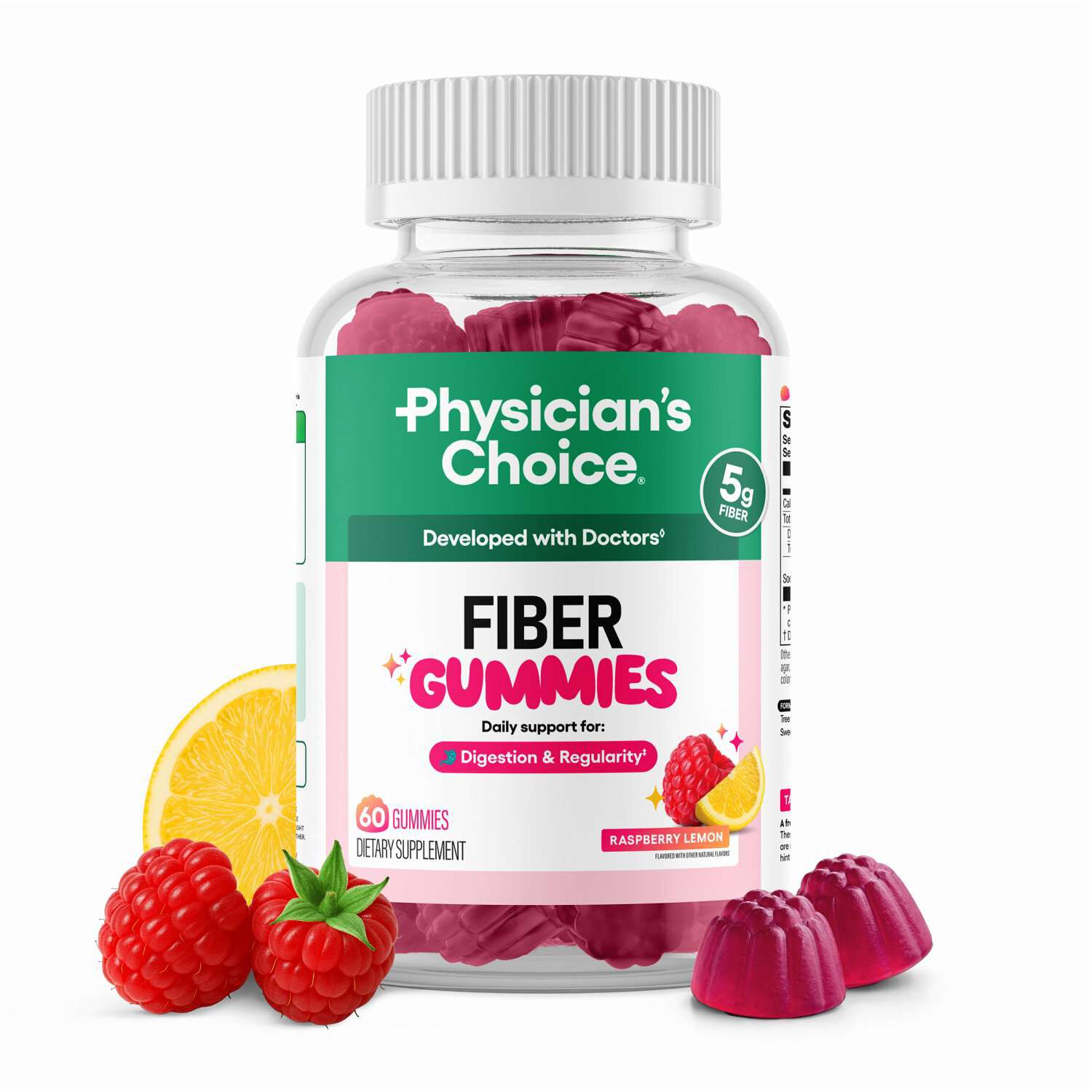
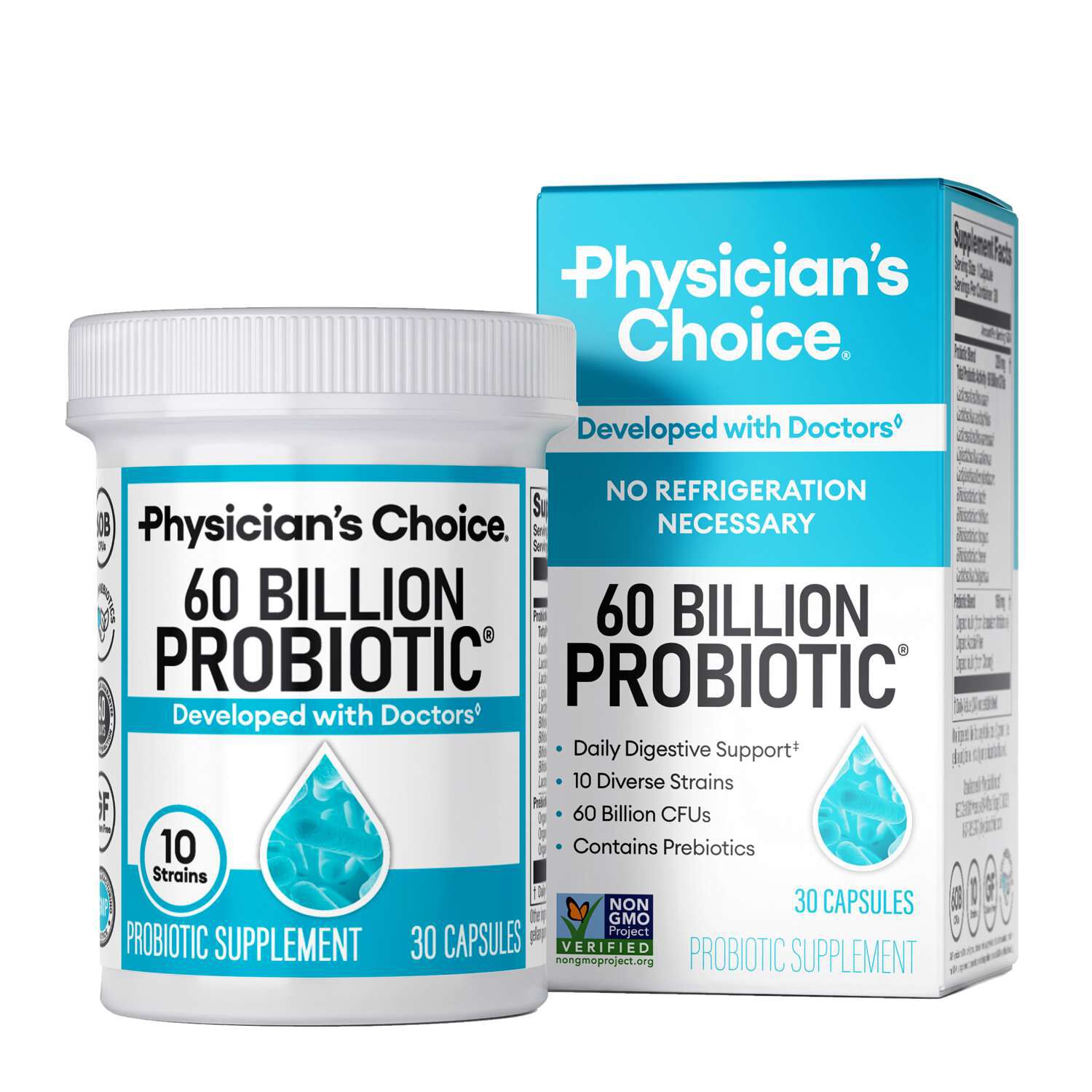 Physician's Choice