Leg Circulation Supplements
(0 Results)
Leg circulation supplements may offer support for those looking to maintain healthy blood flow and overall leg wellness. With a variety of options available, these supplements are designed for individuals who want to prioritize comfort and mobility in their daily routine. Explore leg circulation supplements that could fit into your wellness plan and discover options that align with your lifestyle goals.
-
-
-

-
-
 SNAP Supplements$49.99
-
 GNC Herbal Plus$24.99
-
-
-
-
-
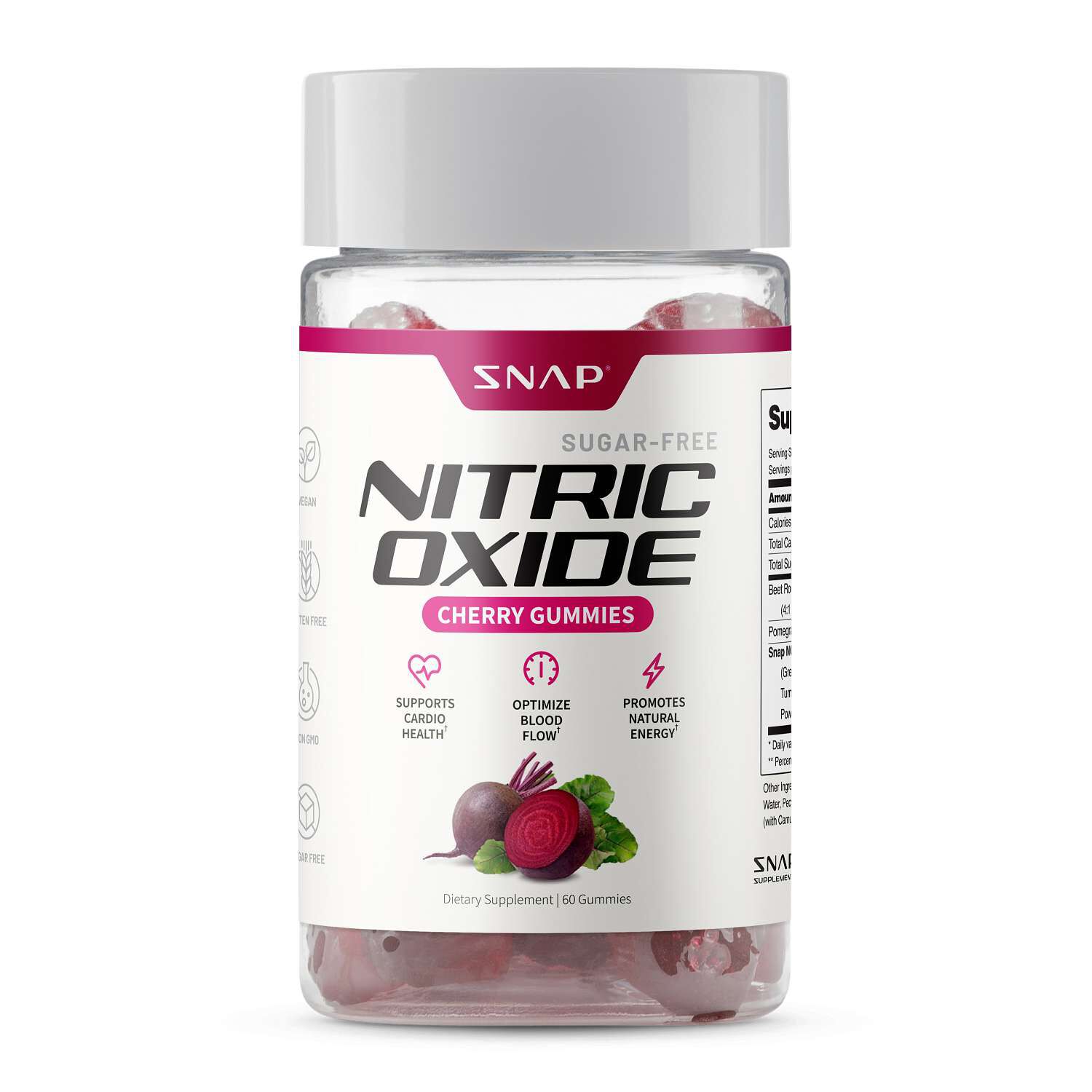 229$24.99
-
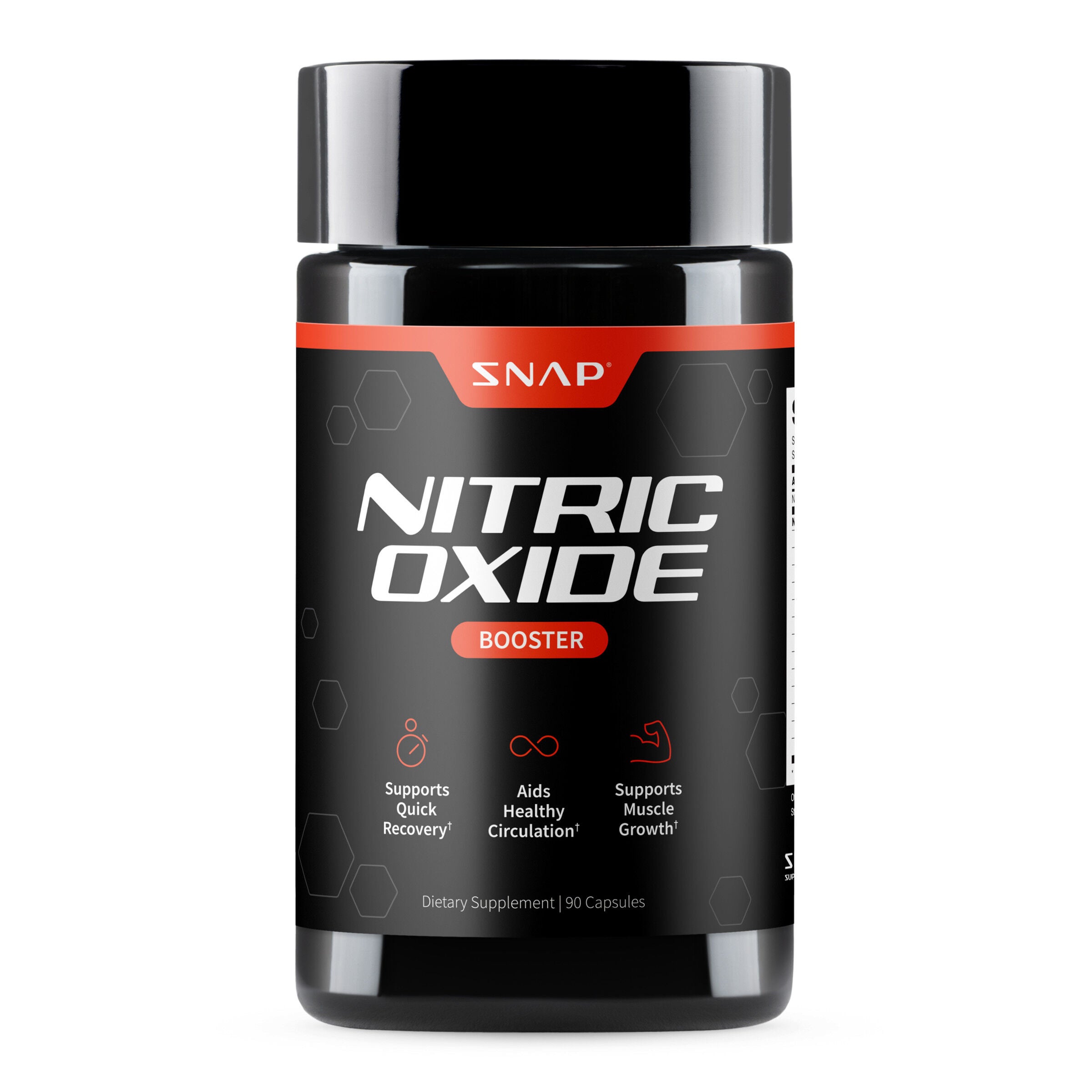
-

-
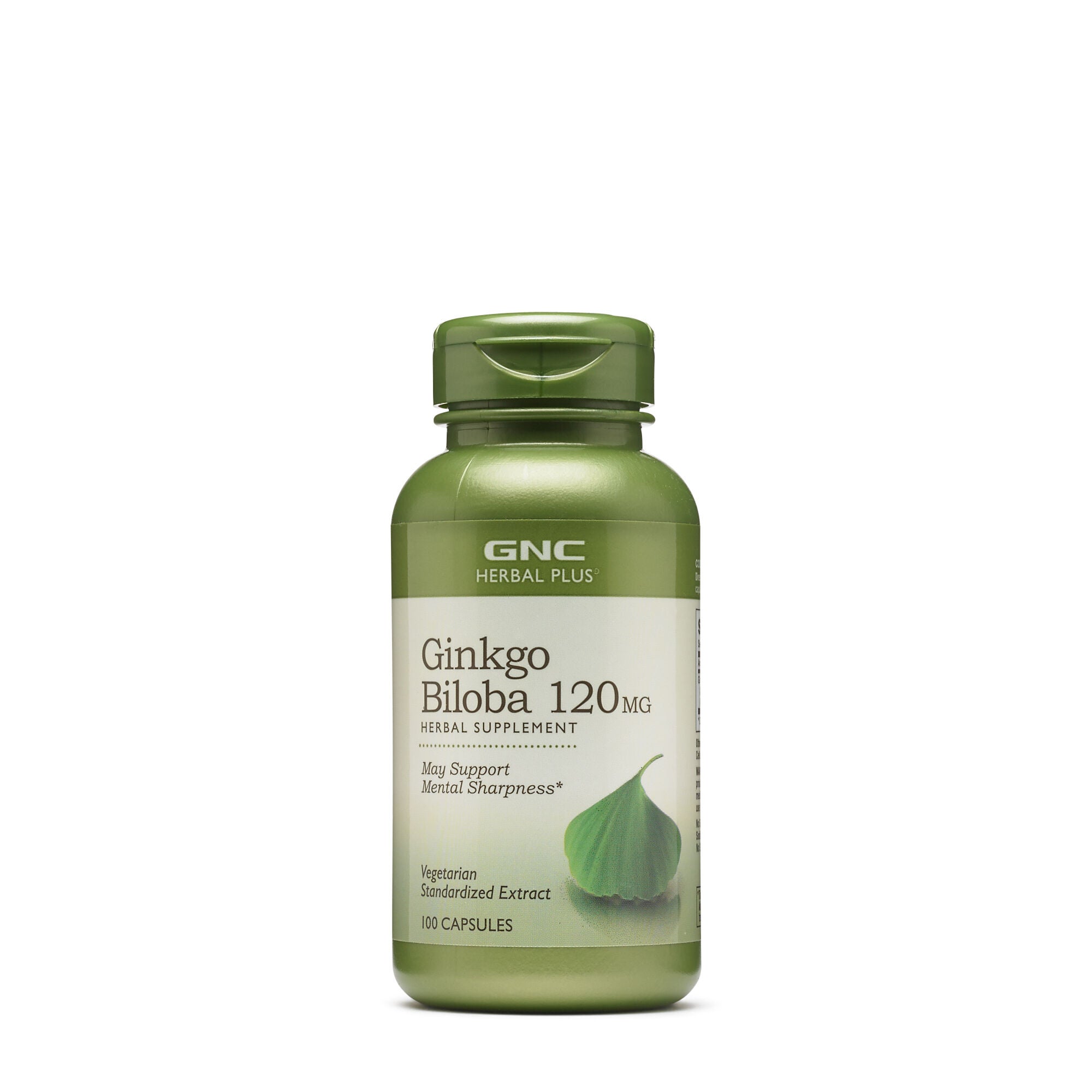
-
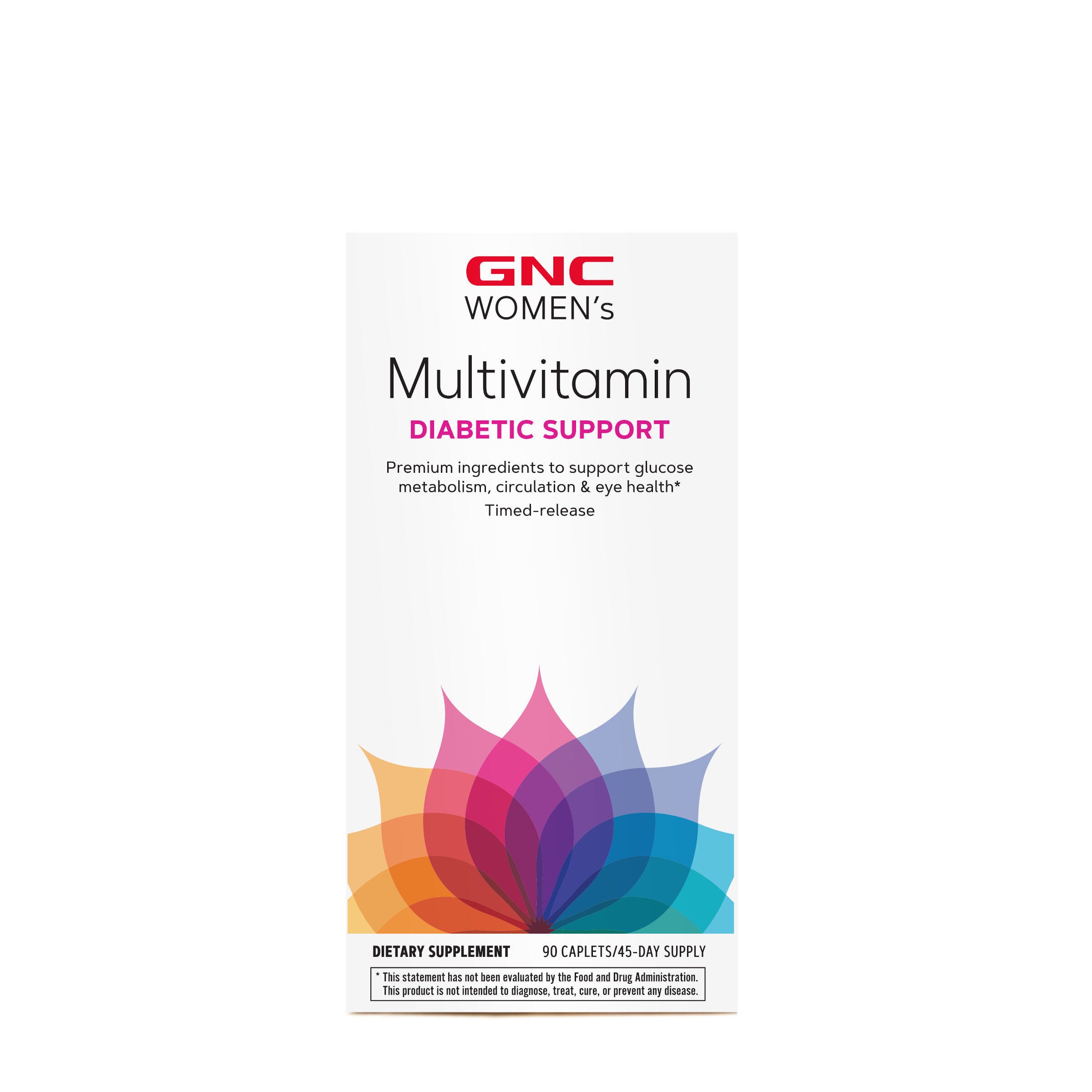
-

-

-
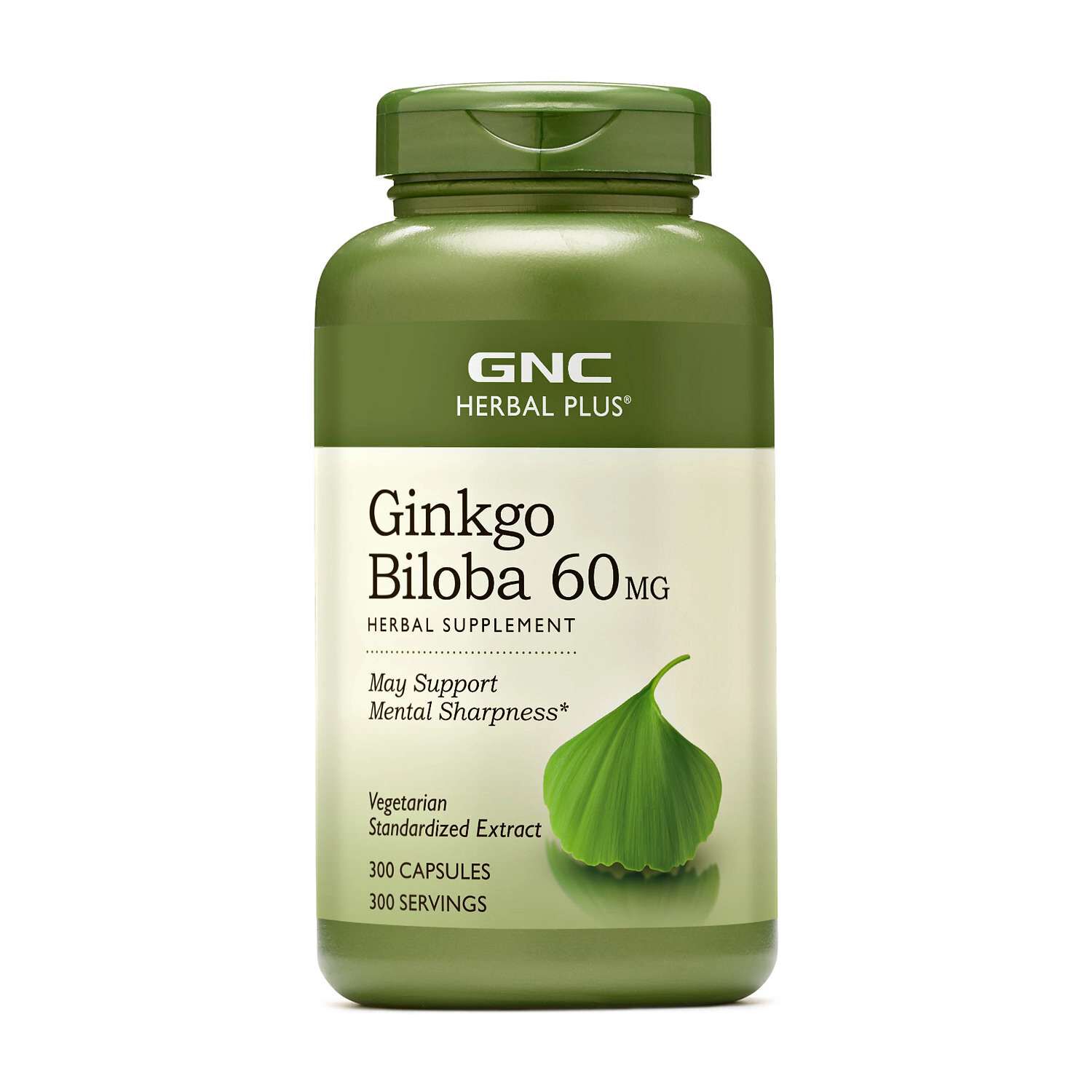


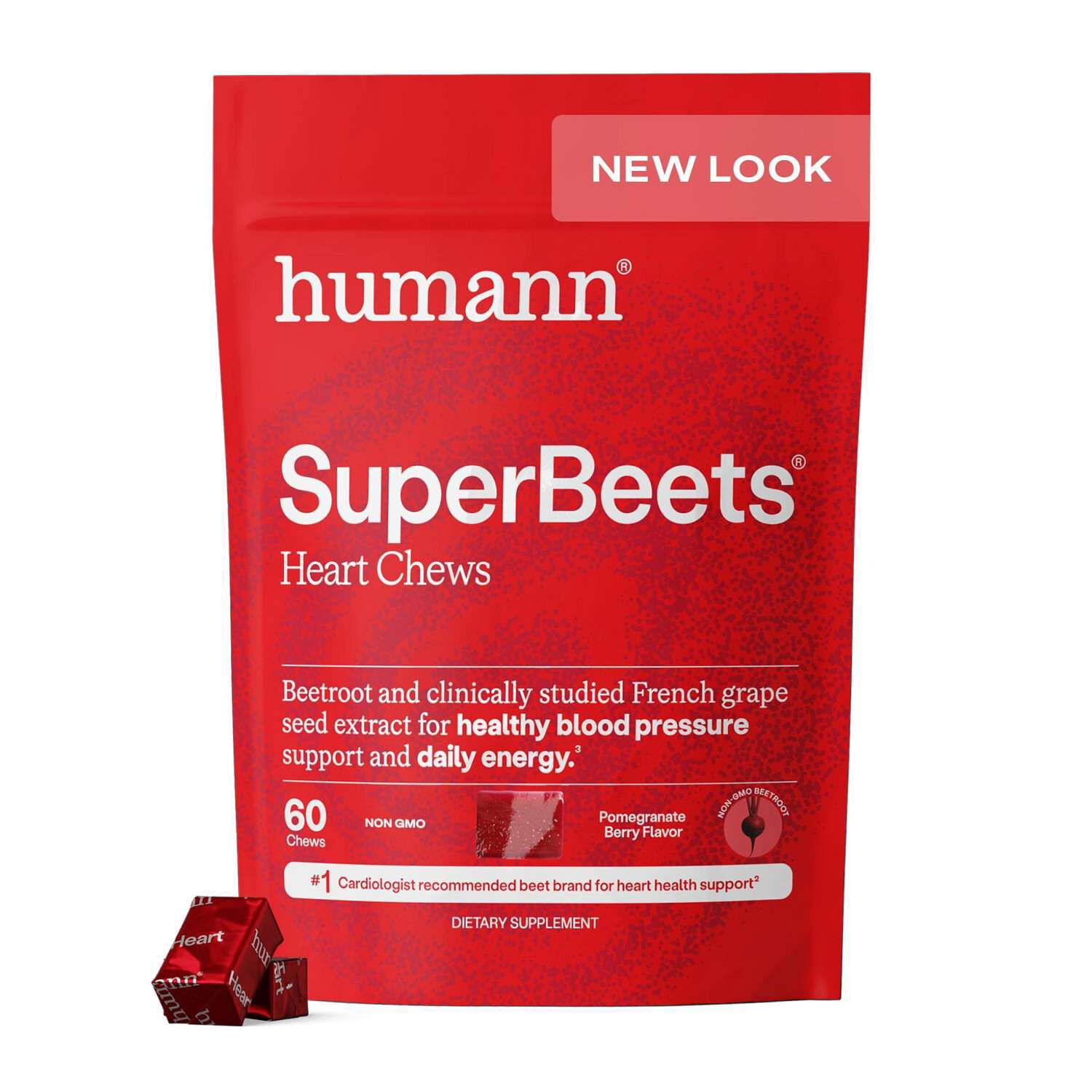
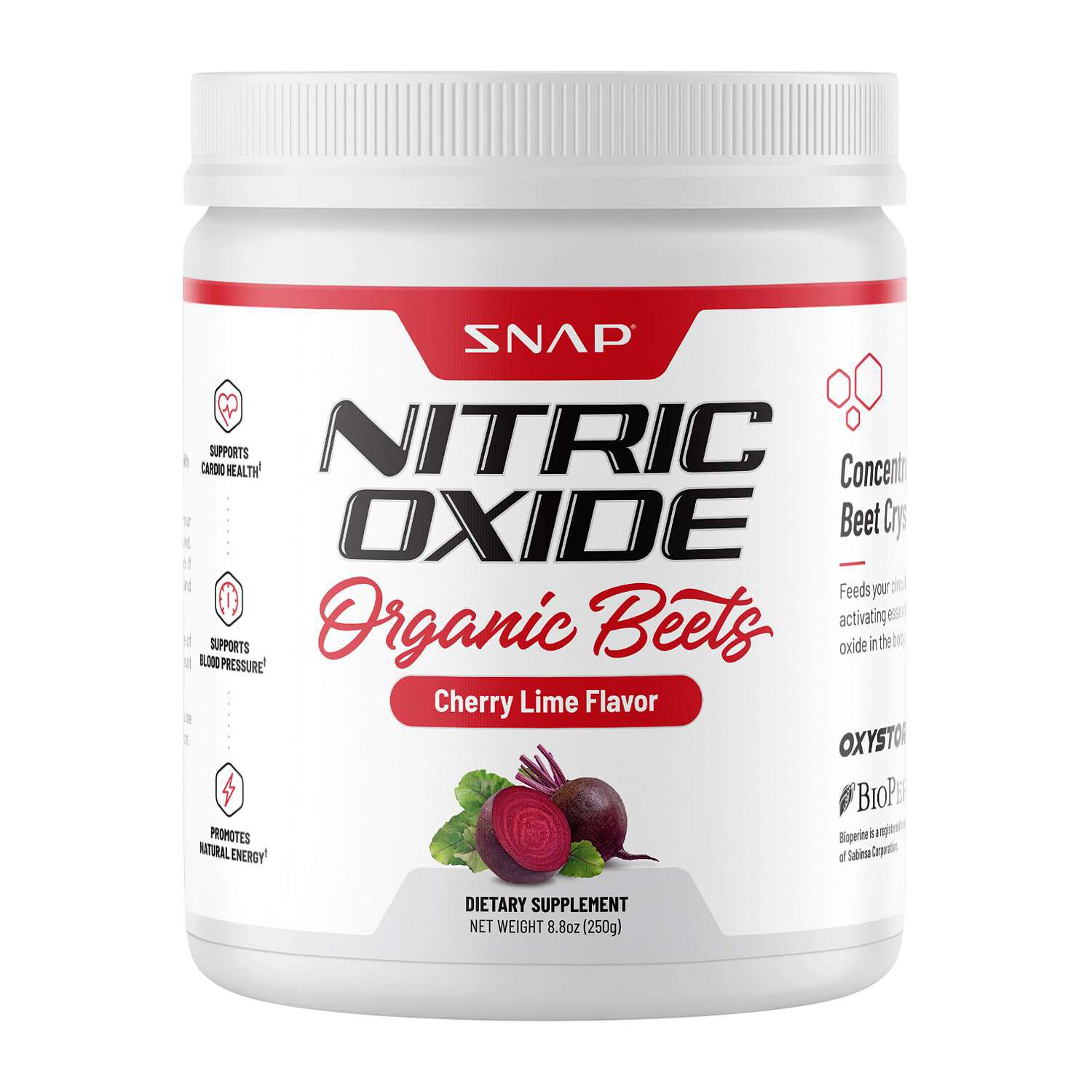
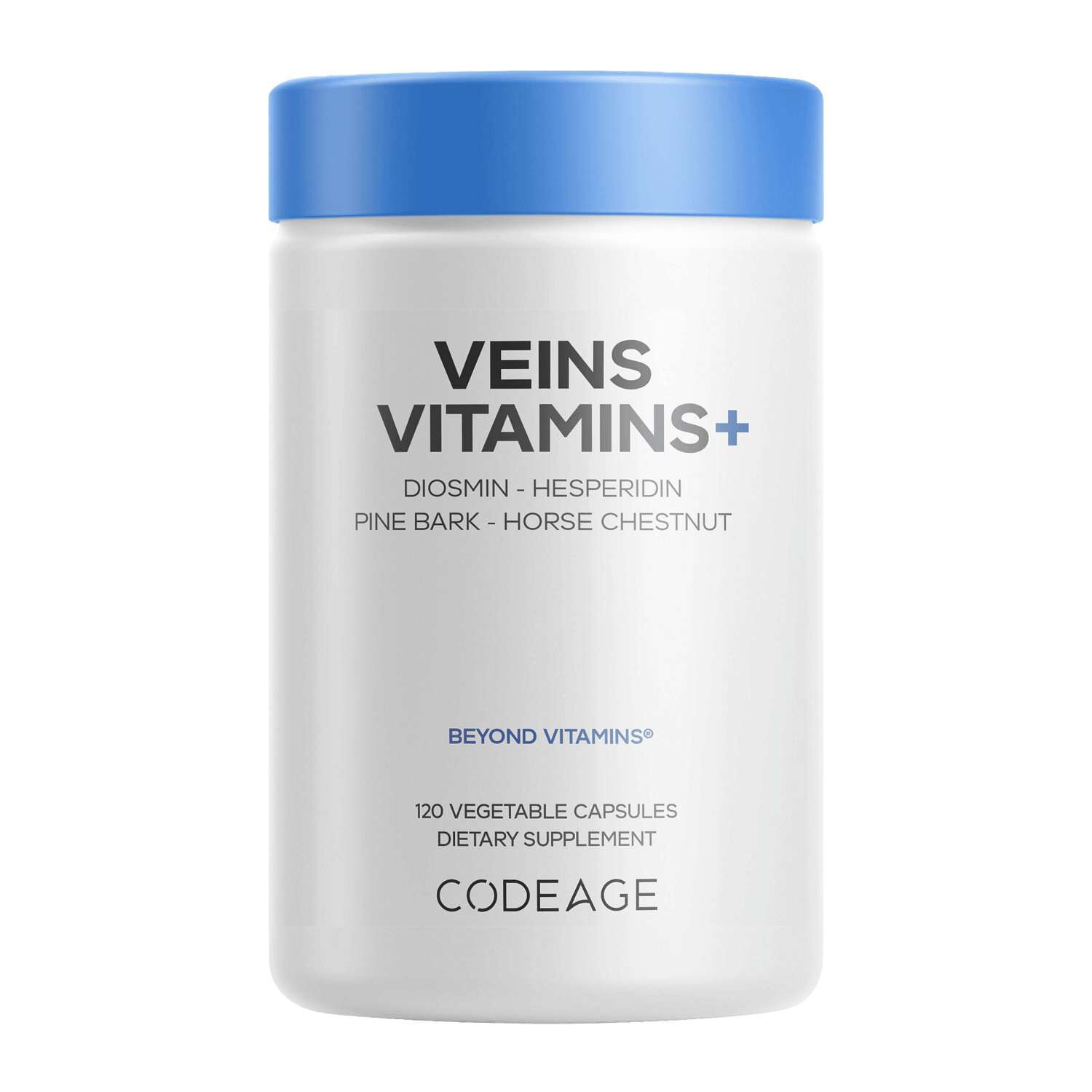
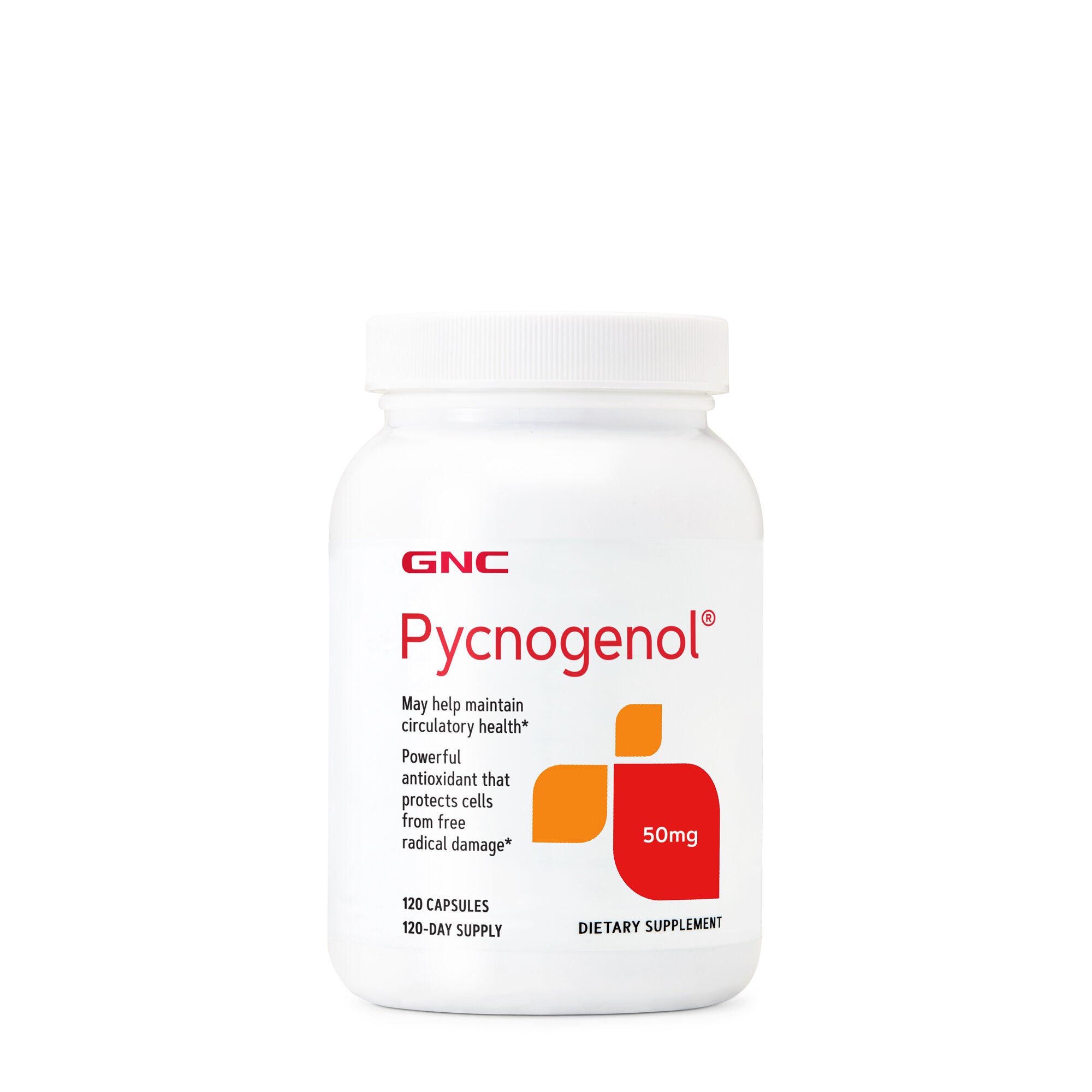
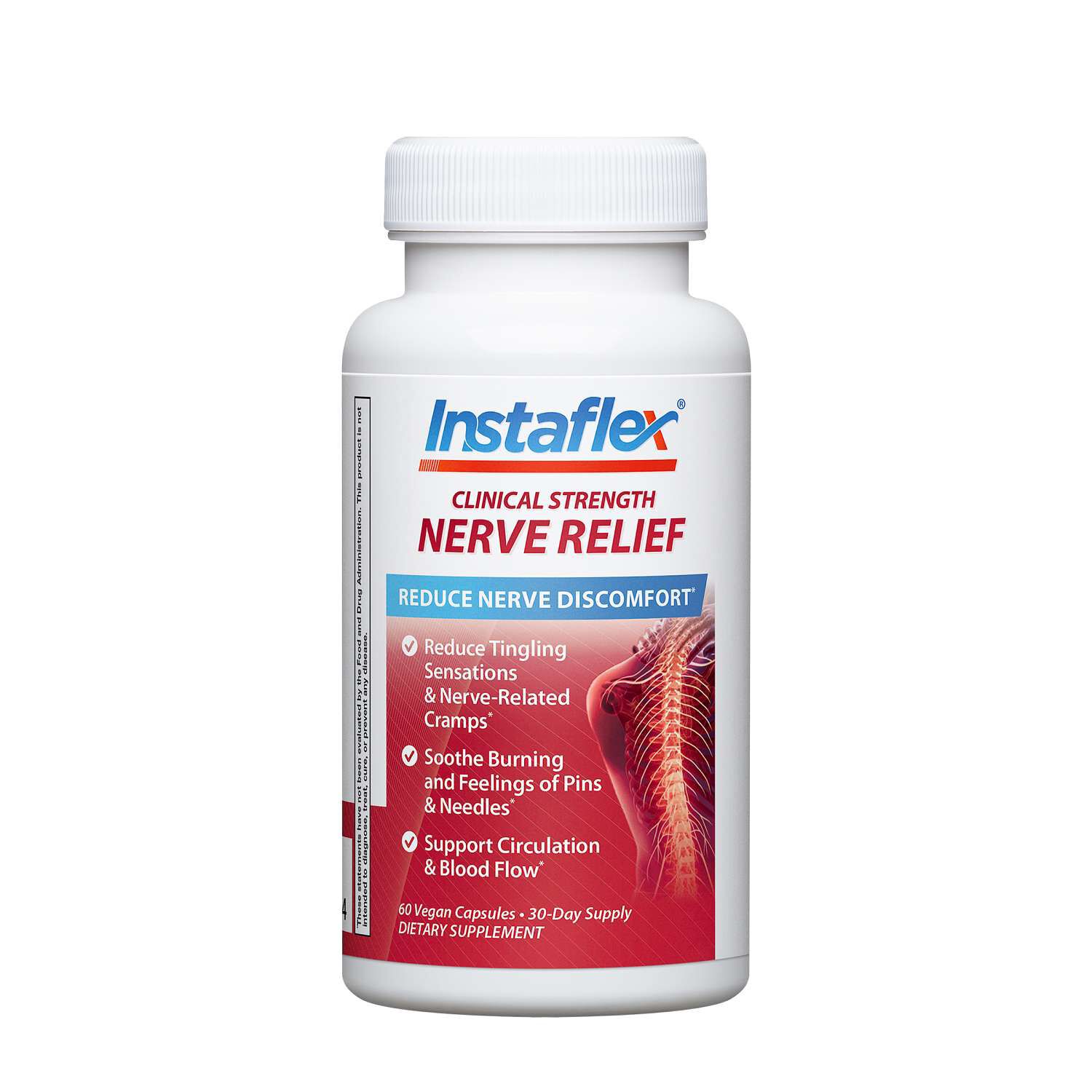
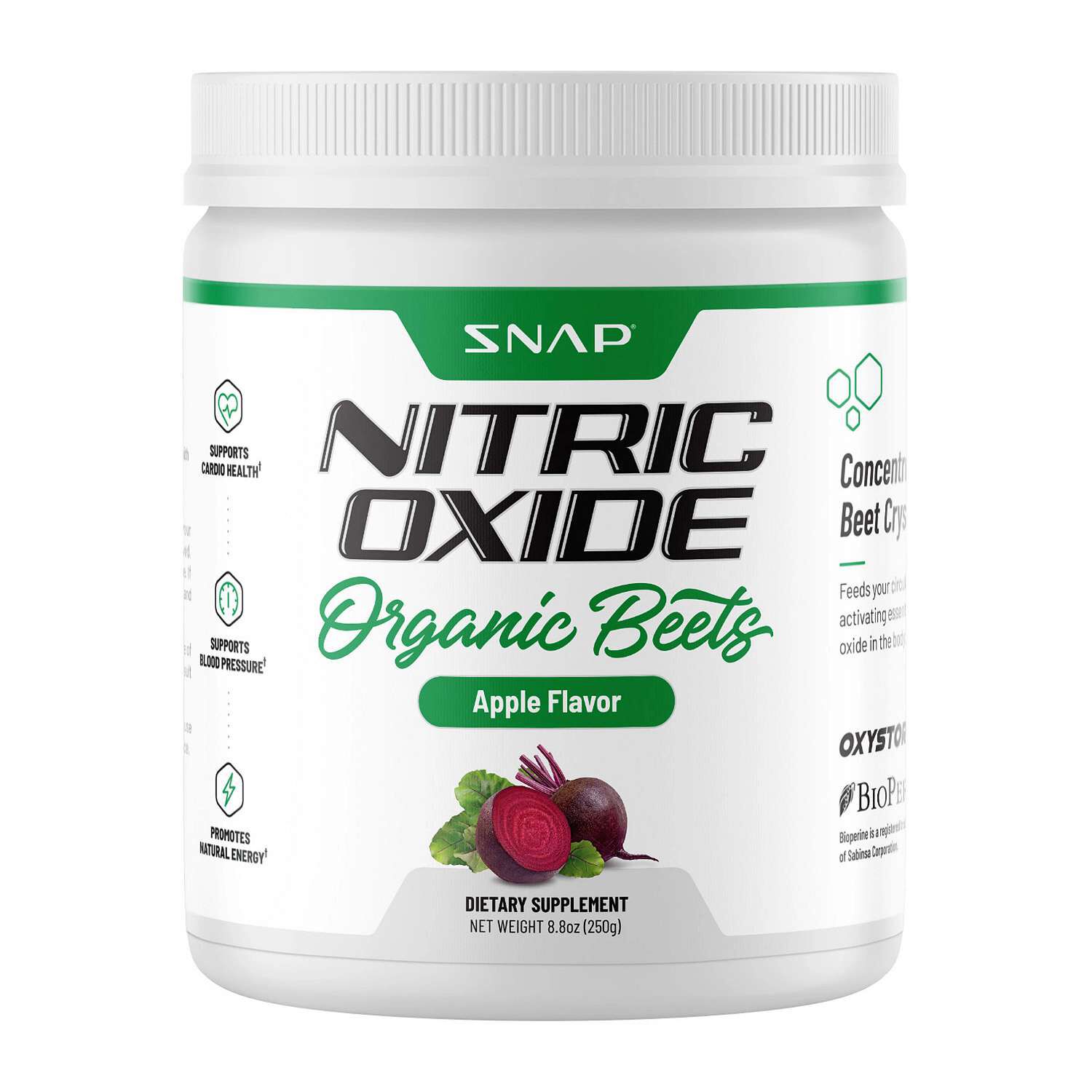
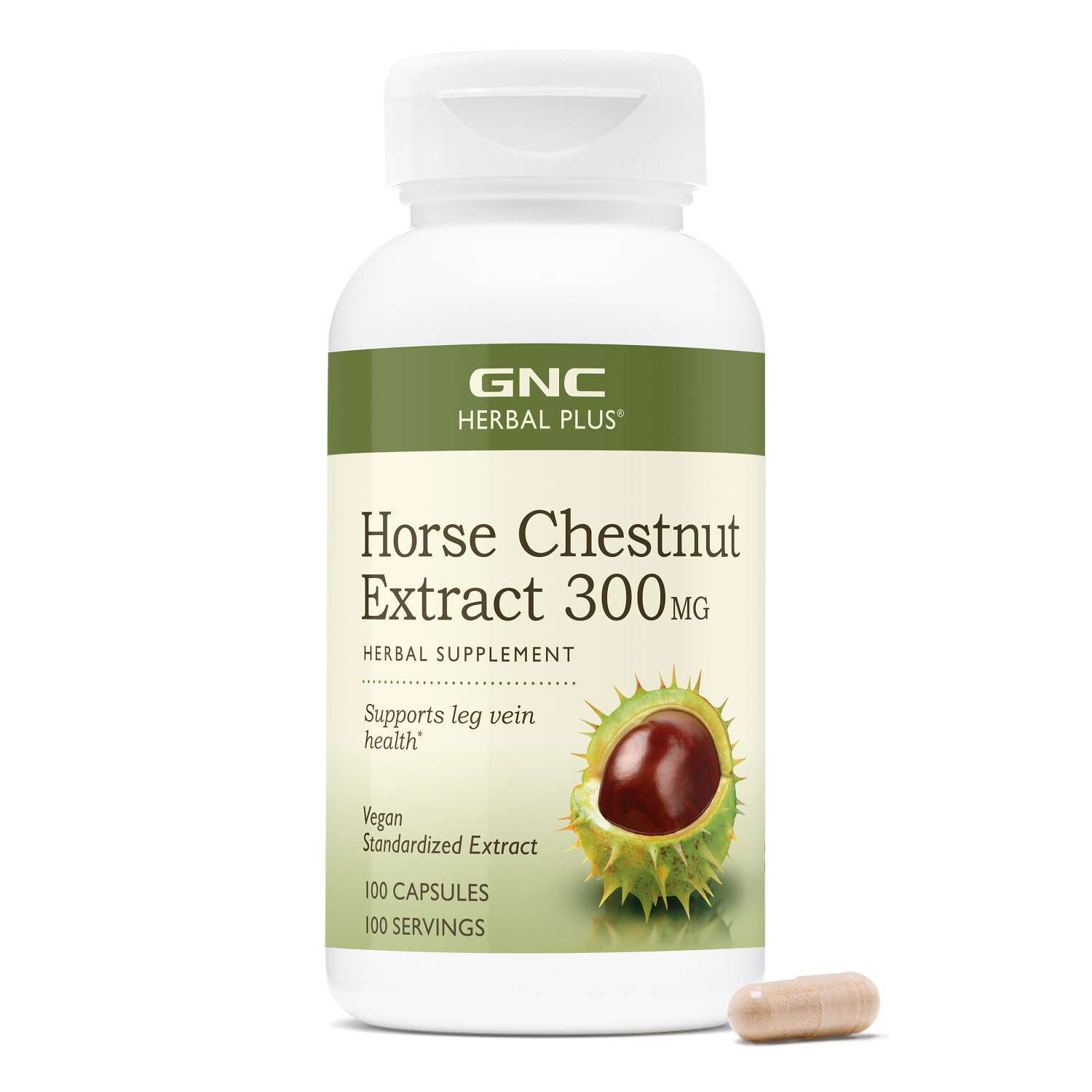
Leg circulation supplements may support normal circulation as part of an adult wellness routine, with formulas that vary in their ingredients, serving sizes, and formats. Circulation is the movement of blood throughout the body, including the legs and feet, and it is the central theme of this supplement category. Ingredients associated with circulation-focused formulas include horse chestnut extract, diosmin, L-arginine, beetroot powder, and niacin, also known as vitamin B3. These are different types of ingredients rather than interchangeable versions of the same substance. Horse chestnut is a botanical ingredient, diosmin is a flavonoid, L-arginine is an amino acid, beetroot powder is derived from a vegetable, and niacin is a vitamin. A formula may feature one of these ingredients or combine several with additional vitamins or plant extracts. That variety makes the ingredient panel more informative than the category name alone. A formula centered on an amino acid has a different composition from one built around a botanical extract, even when both appear within the same circulation category. Ingredient identity, form, and amount provide context for comparing formulas without assuming that one approach suits every adult. For plant-based ingredients, the label may identify a plant part, an extract ratio, or a stated amount of a naturally occurring compound. Those details describe the material used; a larger number on the front of a package does not, on its own, establish a better match. Likewise, a blend with several ingredients is not automatically a closer fit than a simpler formula. The distinction between intended support and individual experience matters here: a supplement may support normal function, but its ingredient list does not predict how someone will feel. The category is best understood through its intended use and the factual differences among formulas, rather than expectations of a particular result.
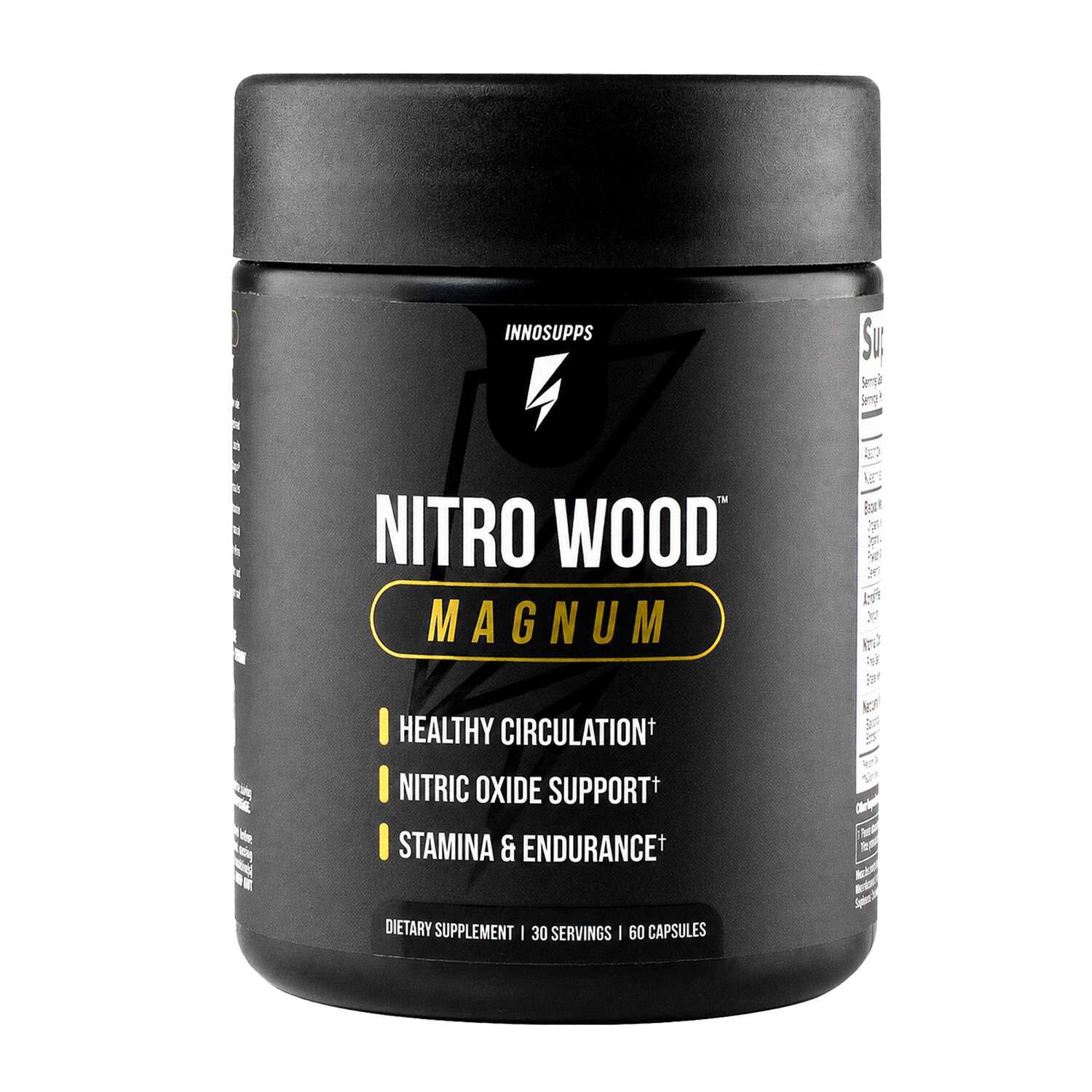
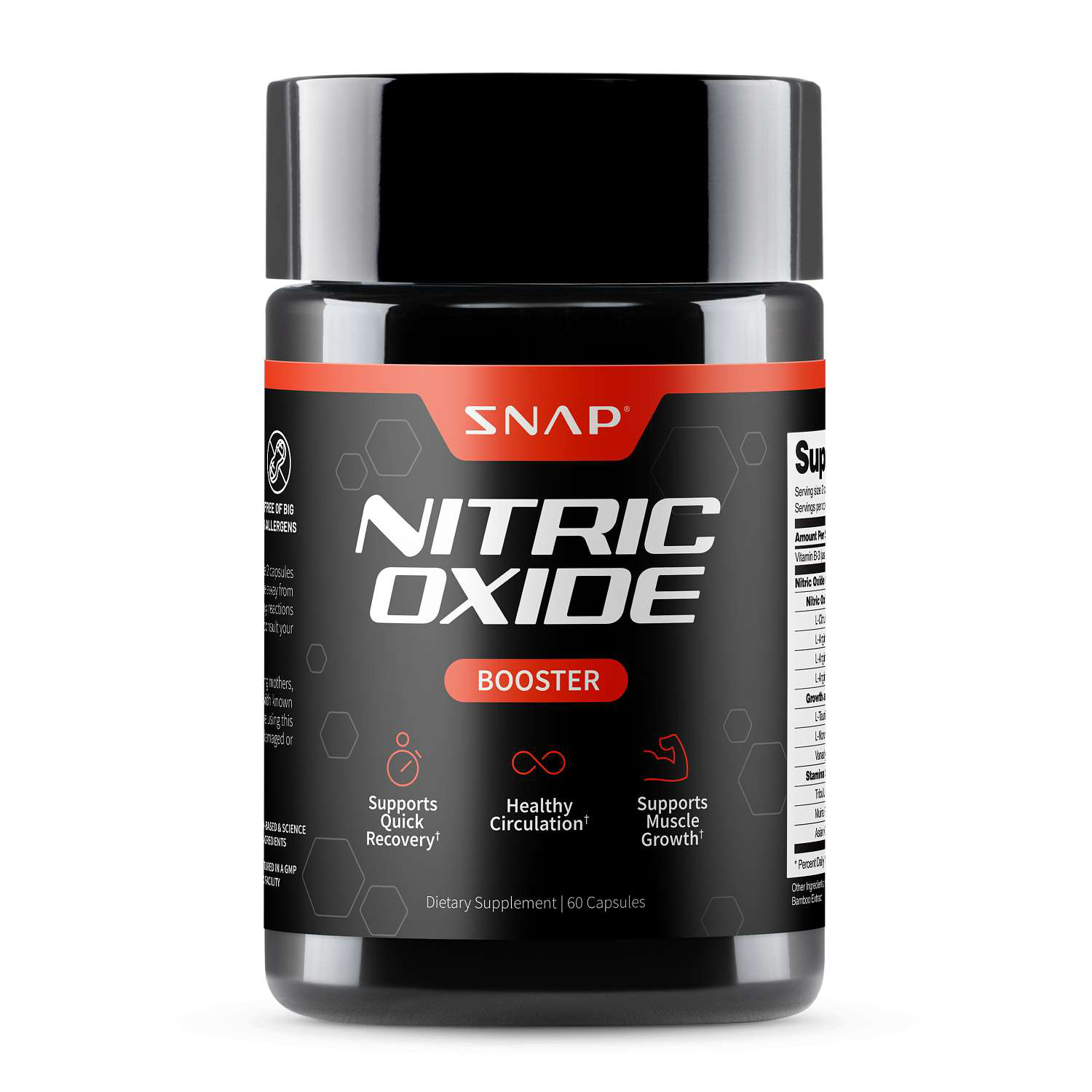
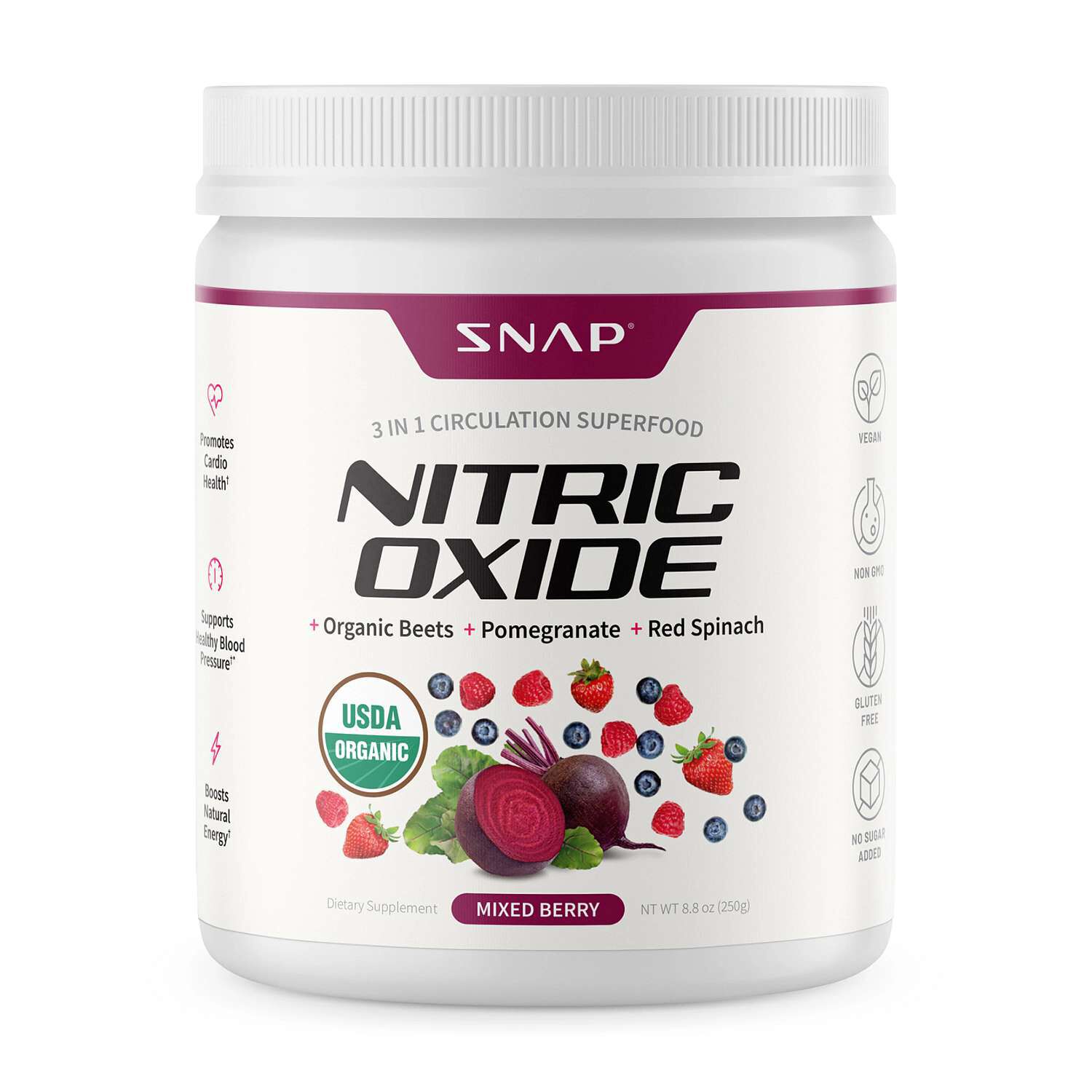
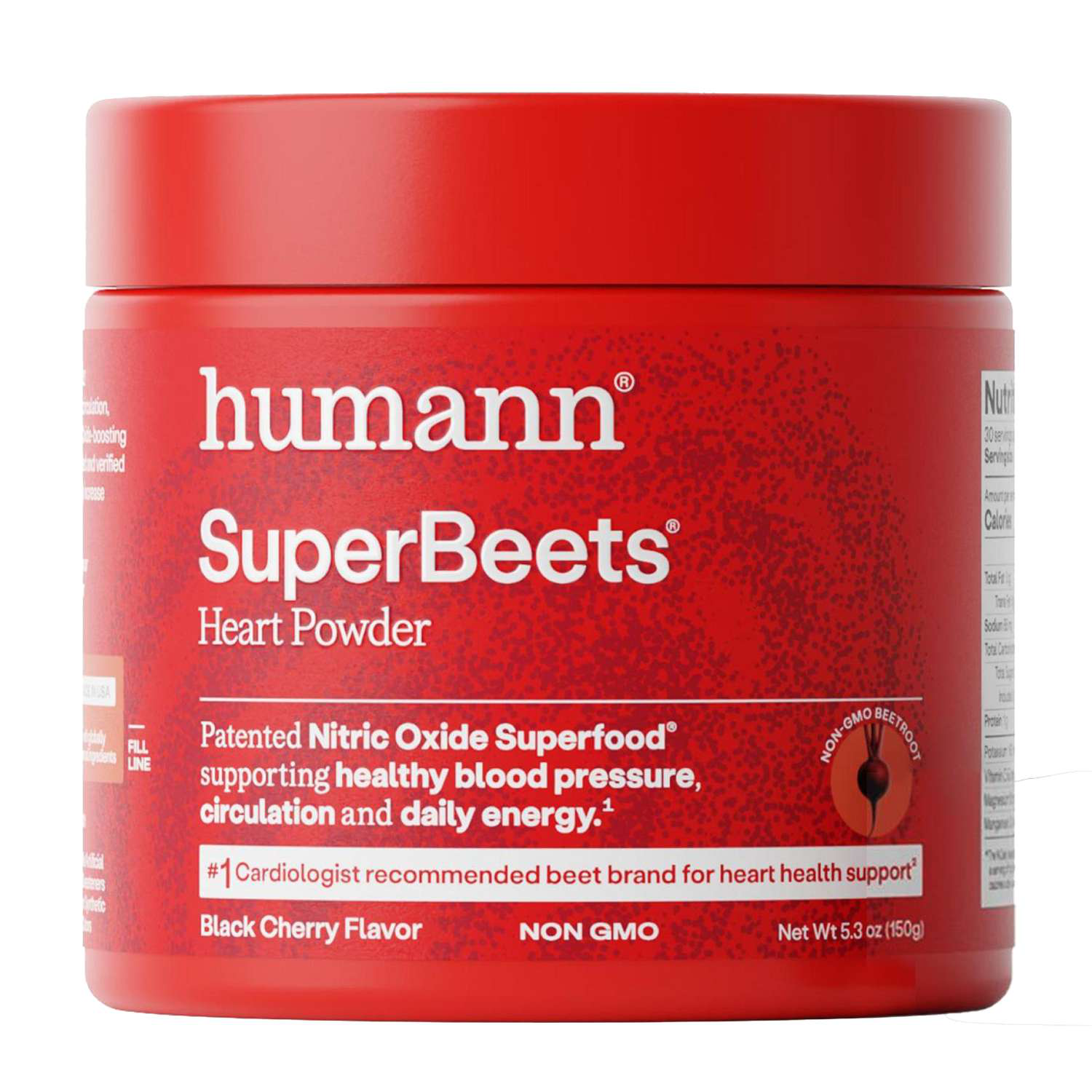
Capsules, tablets, softgels, and powders bring different practical considerations to the same shopping category. Capsules and tablets offer a measured format without preparation, while powders involve measuring and mixing according to the package directions. Capsule dimensions, tablet shape, and the number of units in a serving can matter just as much to an everyday routine as the ingredient names. A serving listed as two capsules is different from a single-capsule serving, and the amount shown in the Supplement Facts panel generally refers to the stated serving rather than necessarily to each capsule. Powder labels may specify a scoop size, a weight, or both, so container size alone does not describe how many servings it holds. Flavor and texture are additional considerations for drinkable formats, particularly when a botanical or vegetable ingredient contributes its own taste. Dietary preferences also extend beyond the featured ingredient. A plant-derived extract can appear inside a gelatin capsule, while a vegetarian capsule may use cellulose-based material. The capsule shell, softgel material, flavoring ingredients, and other components belong in the comparison alongside the featured nutrients. For shoppers whose preferences center on vegetarian formulas, Vegetarian Circulation Support Supplements offers a more focused category to explore. Vegetarian suitability is a characteristic of the finished formula, not something established solely by the presence of beetroot or another plant ingredient. Allergen statements and dietary certifications provide separate information and are not interchangeable with a vegetarian designation. The Other Ingredients section can also identify materials used to form a tablet, create a capsule shell, or carry an ingredient within a softgel. These details help explain differences that are not always visible from a product image. Two similarly sized bottles may contain different serving counts, capsule materials, or ingredient combinations, giving each a different practical fit even when the front labels share a circulation-support theme.
For adults comparing leg circulation supplements, intended use and day-to-day practicality belong together. Someone with a desk-based schedule may prefer a compact bottle that fits neatly beside other wellness supplies, while a frequent traveler may place more importance on a secure closure and packaging that is easy to keep organized. An adult who already prepares a daily drink may find a powder format more familiar than someone who wants no mixing step. These situations describe routine preferences, not reasons to assume that supplementation is needed. A busy schedule, a long commute, or time spent standing does not establish which ingredients are personally suitable. The same distinction applies to serving frequency: a format that fits easily into one person's day may feel cumbersome in another person's routine. Label directions, intended age range, and listed precautions provide important context, especially when several supplements are part of the same household's collection. Shared ingredients can appear across categories, so the front-of-package theme is only one part of understanding a formula's composition. Packaging and care matter over the life of the container, too. Original labels preserve access to serving information, ingredient details, lot information, and date markings. Storage statements describe the conditions intended for that formula, and container closures help protect the contents between uses. A powder kept beside a damp kitchen sink has different handling considerations from a sealed capsule bottle stored in a dry cabinet; the package's storage directions remain the relevant reference. For travel, the original container also keeps the formula identifiable rather than leaving loose capsules or tablets without context. Shelf life is another label detail worth distinguishing from the number of servings: one describes a date associated with the product, while the other describes the quantity supplied. Taken together, ingredient transparency, dietary suitability, serving format, and clear packaging information offer a grounded way to compare this category. The most practical match is one whose stated purpose and everyday handling align with an adult shopper's preferences, without relying on exaggerated expectations about what a supplement might do.
- Q: What are leg circulation supplements?
A: Leg circulation supplements are dietary products that may include ingredients such as vitamins, minerals, and herbal extracts. These ingredients are often chosen for their potential to support healthy blood flow and overall circulatory wellness in the legs. - Q: Which ingredients are commonly found in leg circulation supplements?
A: Common ingredients in leg circulation supplements may include horse chestnut extract, butcher’s broom, grape seed extract, vitamin C, and bioflavonoids. These components are often selected for their traditional use in supporting vascular health. - Q: How should leg circulation supplements be incorporated into a daily routine?
A: Leg circulation supplements are typically taken orally as part of a daily wellness routine. It is important to follow the usage instructions provided on the product packaging or consult with a healthcare professional for guidance. - Q: Can leg circulation supplements be taken alongside other vitamins or supplements?
A: Many people choose to take leg circulation supplements along with other vitamins or dietary products. However, it may be helpful to review ingredient lists and consult with a healthcare provider if you have questions about combining different supplements. - Q: Are there lifestyle habits that may complement the use of leg circulation supplements?
A: In addition to considering leg circulation supplements, some individuals find that regular movement, stretching, staying hydrated, and wearing comfortable footwear may also contribute to overall circulatory wellness in the legs.