





Mercury Free Fish Oil Supplements
(0 Results)
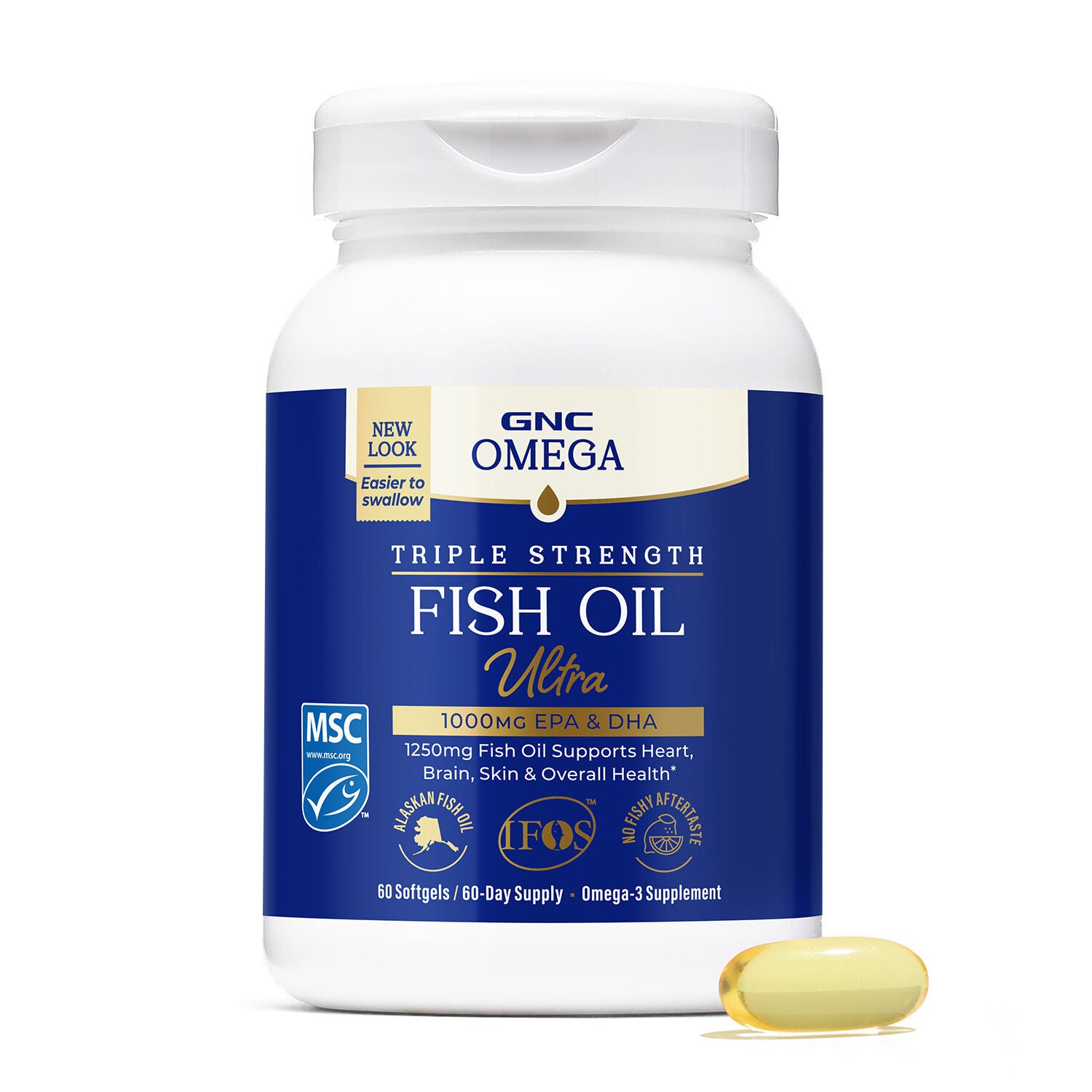
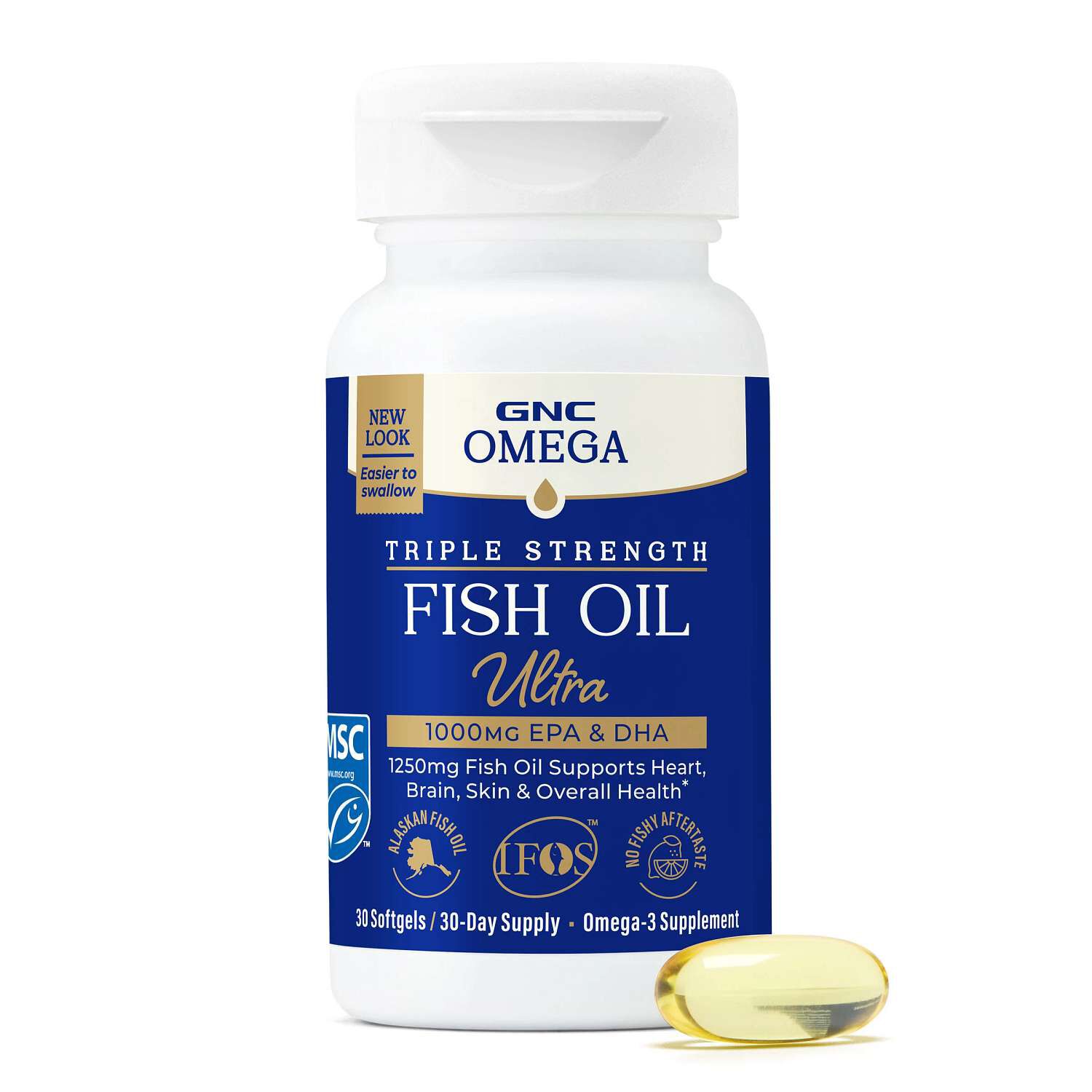
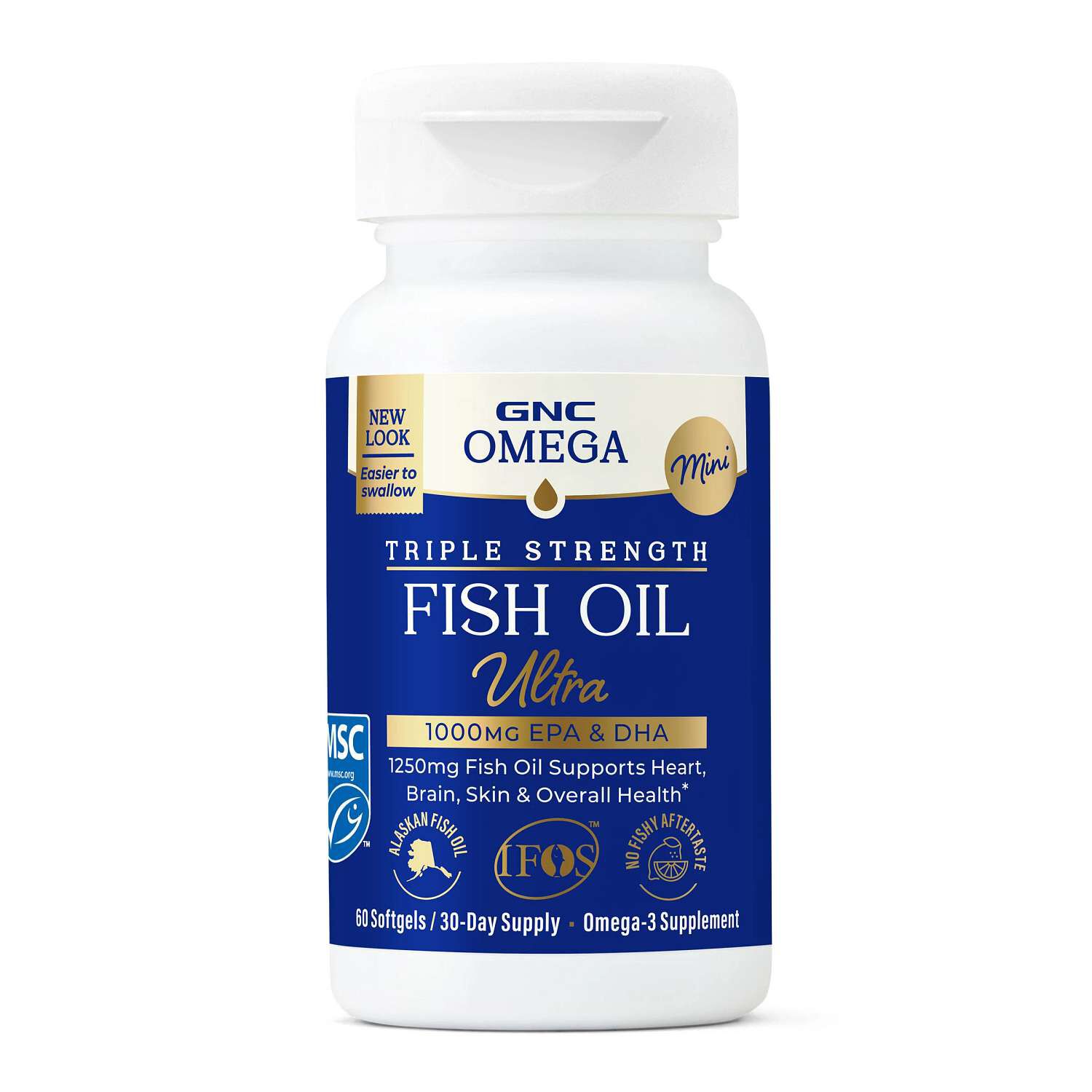
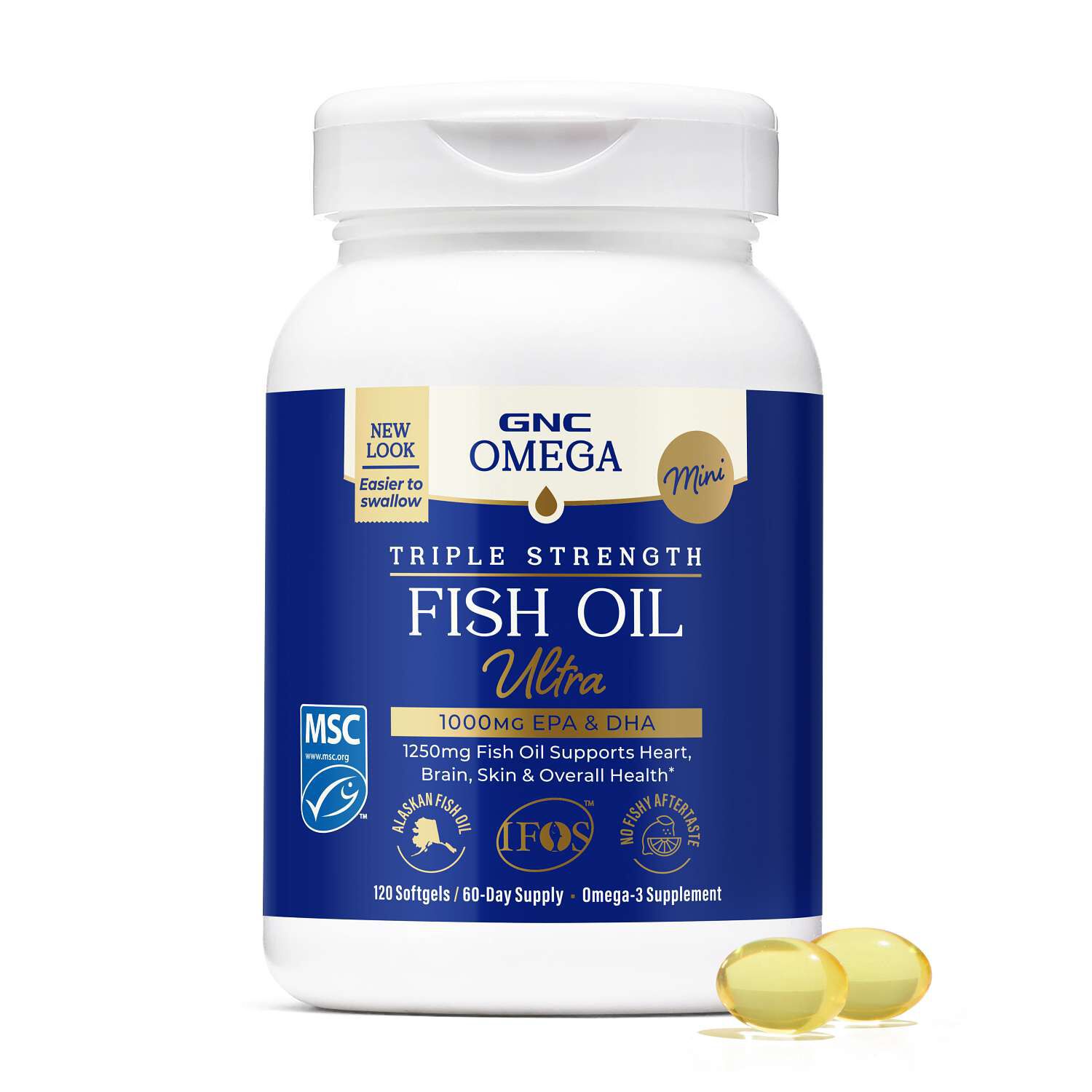
Discover our premium selection of mercury-free fish oil supplements, crafted to support your overall health and well-being. Sourced from high-quality fish and rigorously tested for purity, our fish oil products provide essential omega-3 fatty acids without any harmful contaminants. Whether you're looking to boost your cardiovascular health, support brain function, or reduce inflammation, our mercury-free fish oil options are a safe and reliable choice. Dive into our range of supplements and experience all-natural support for a healthier you.
-
 $24.99
-
-
-
-
-
-
-
-
-
-
 Purity Products$26.99
-

-

-
-

-
-
 Portions Master$25.99
-

-
-
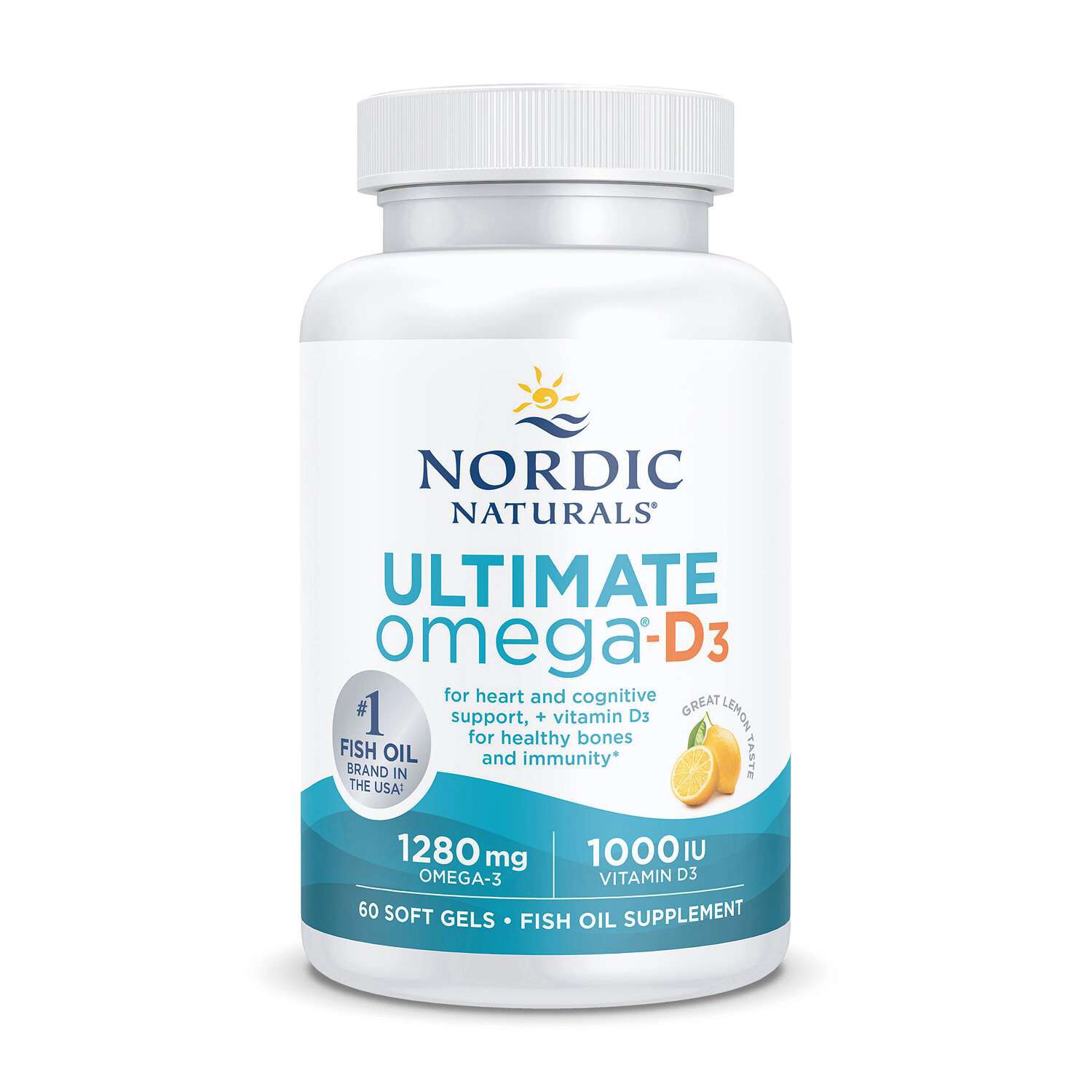


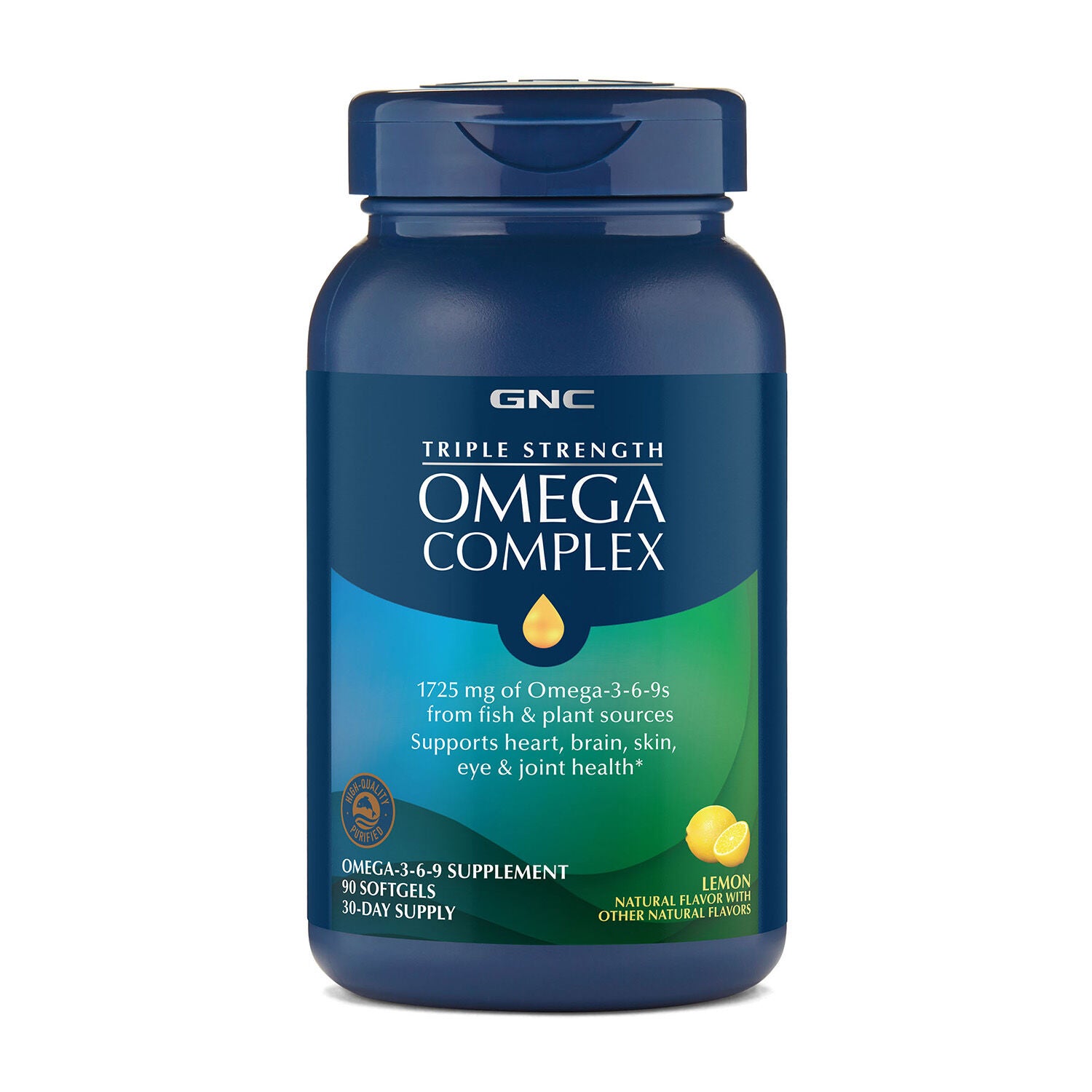
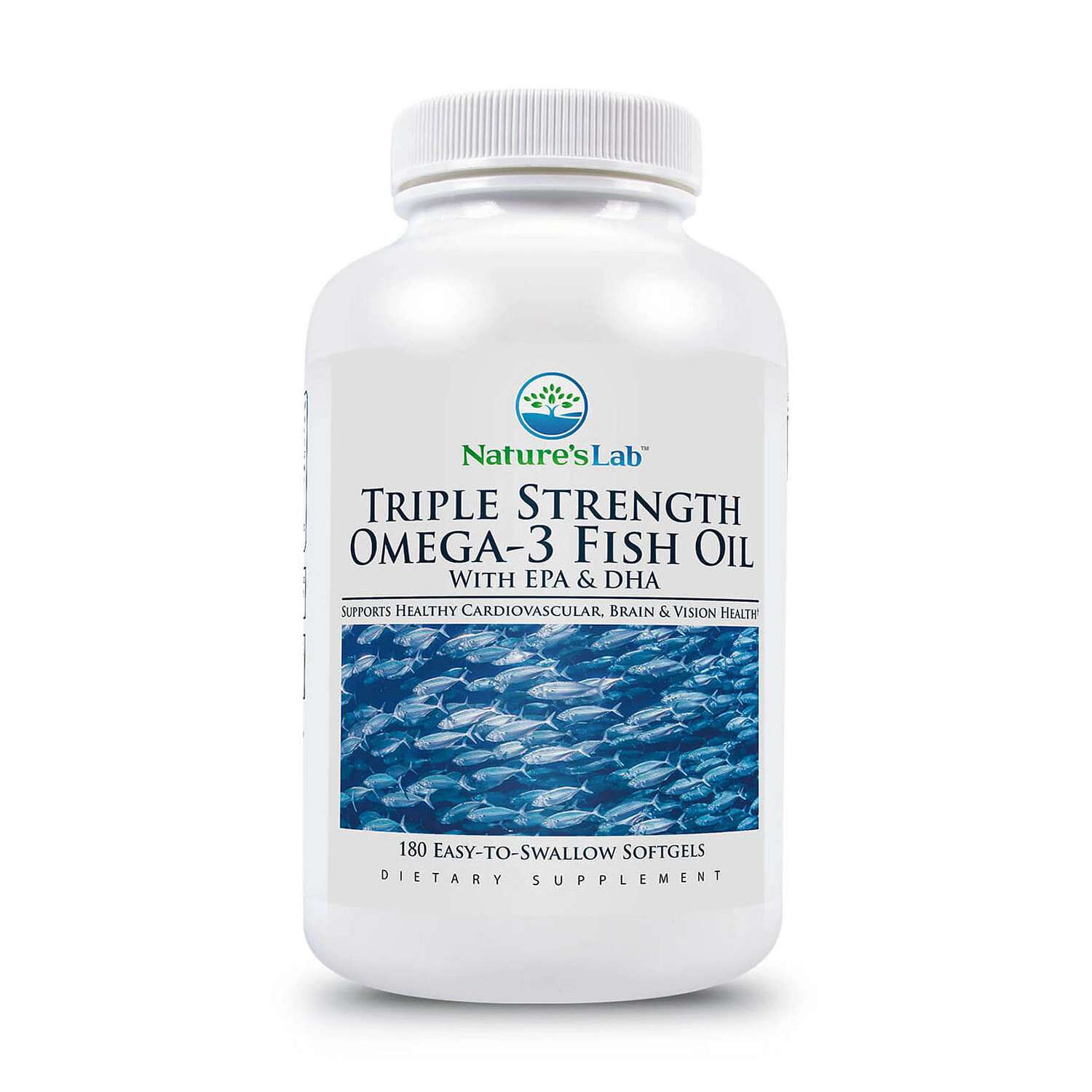
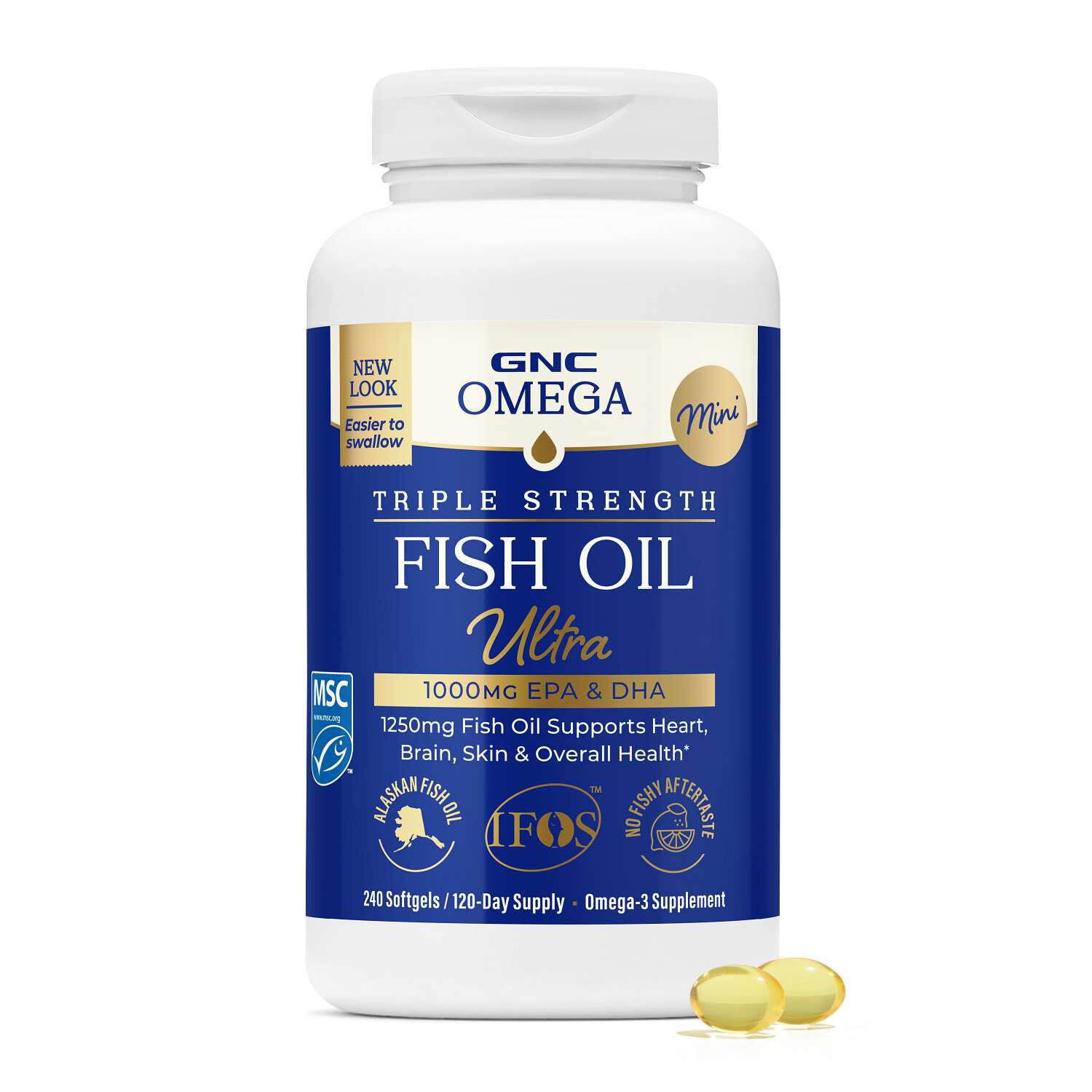
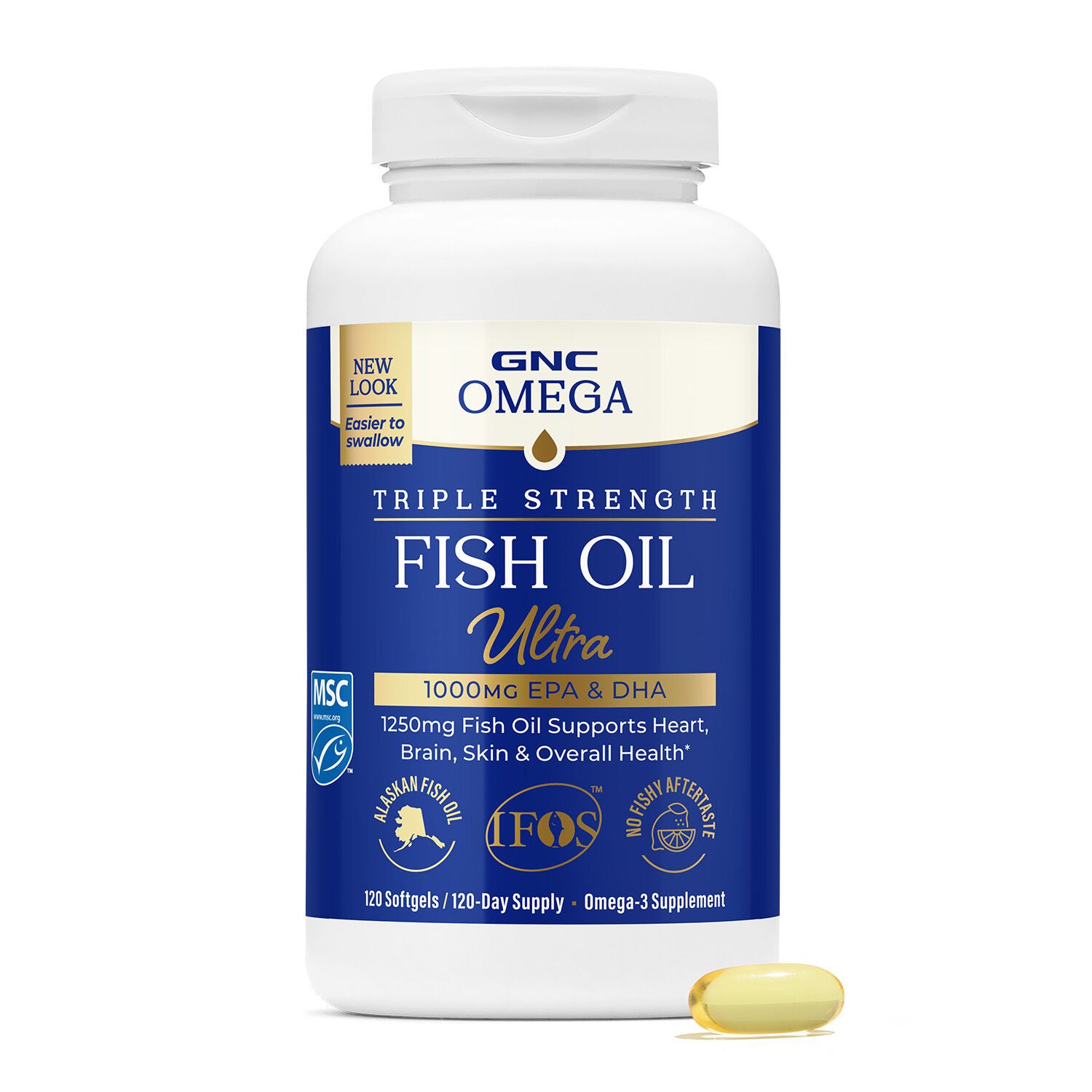
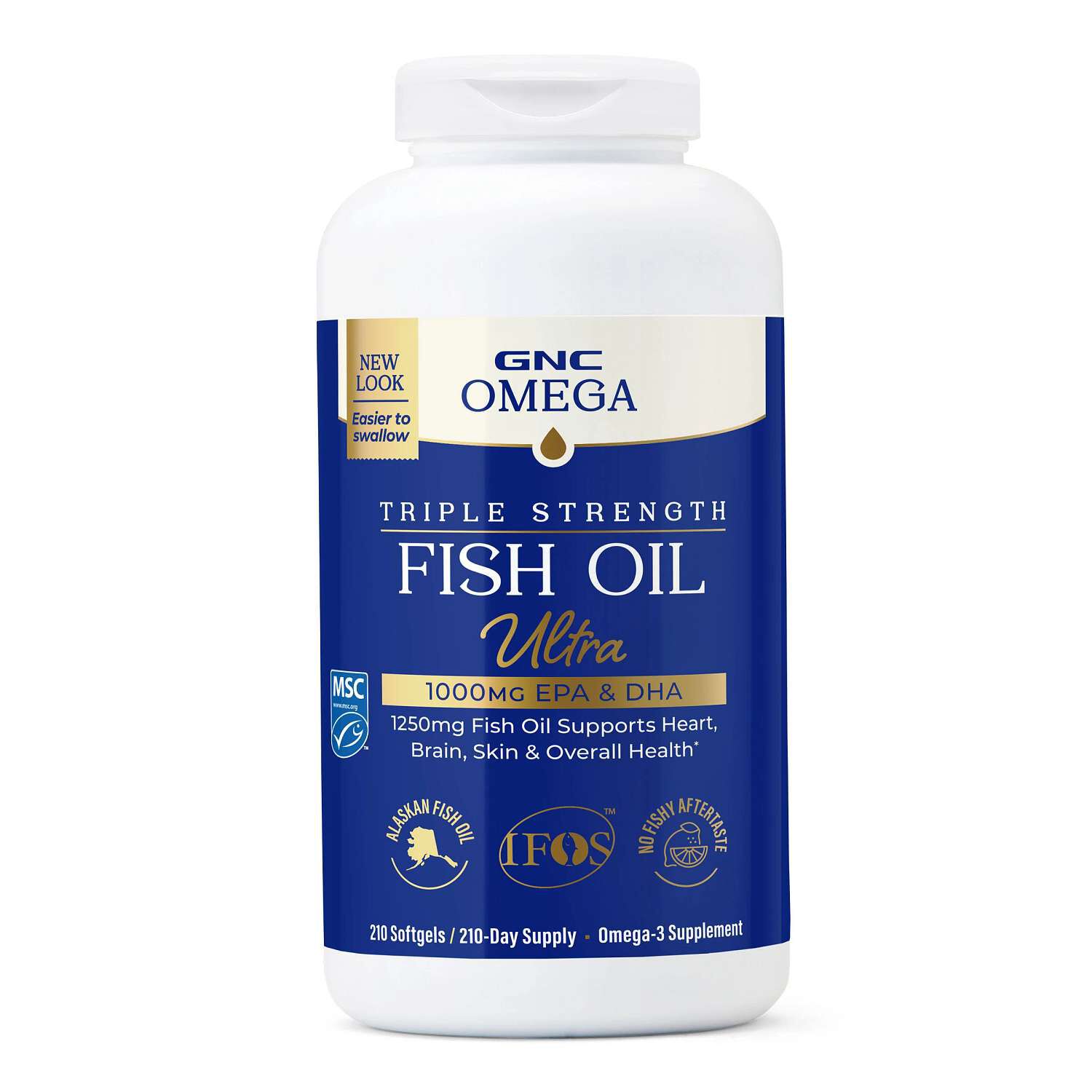
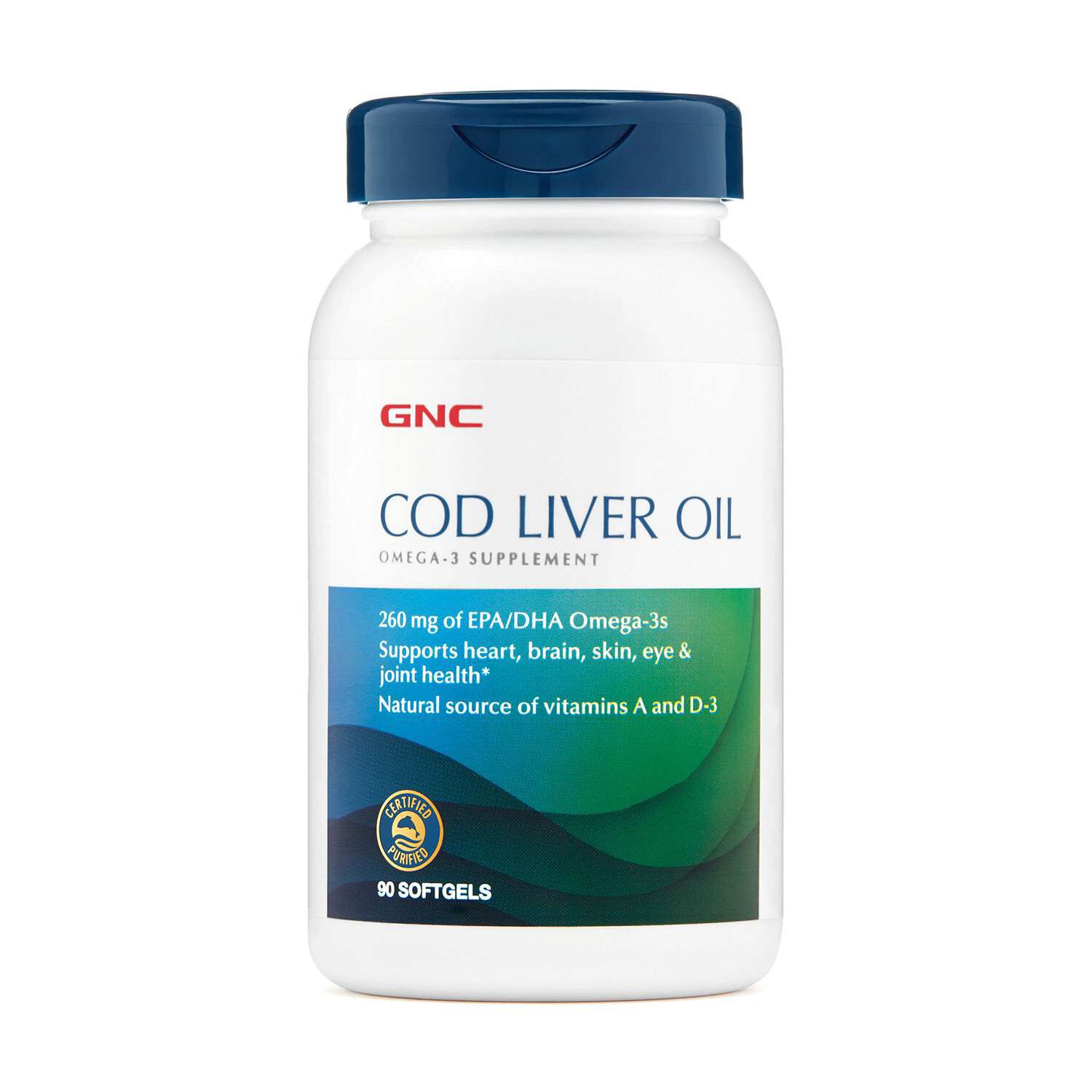
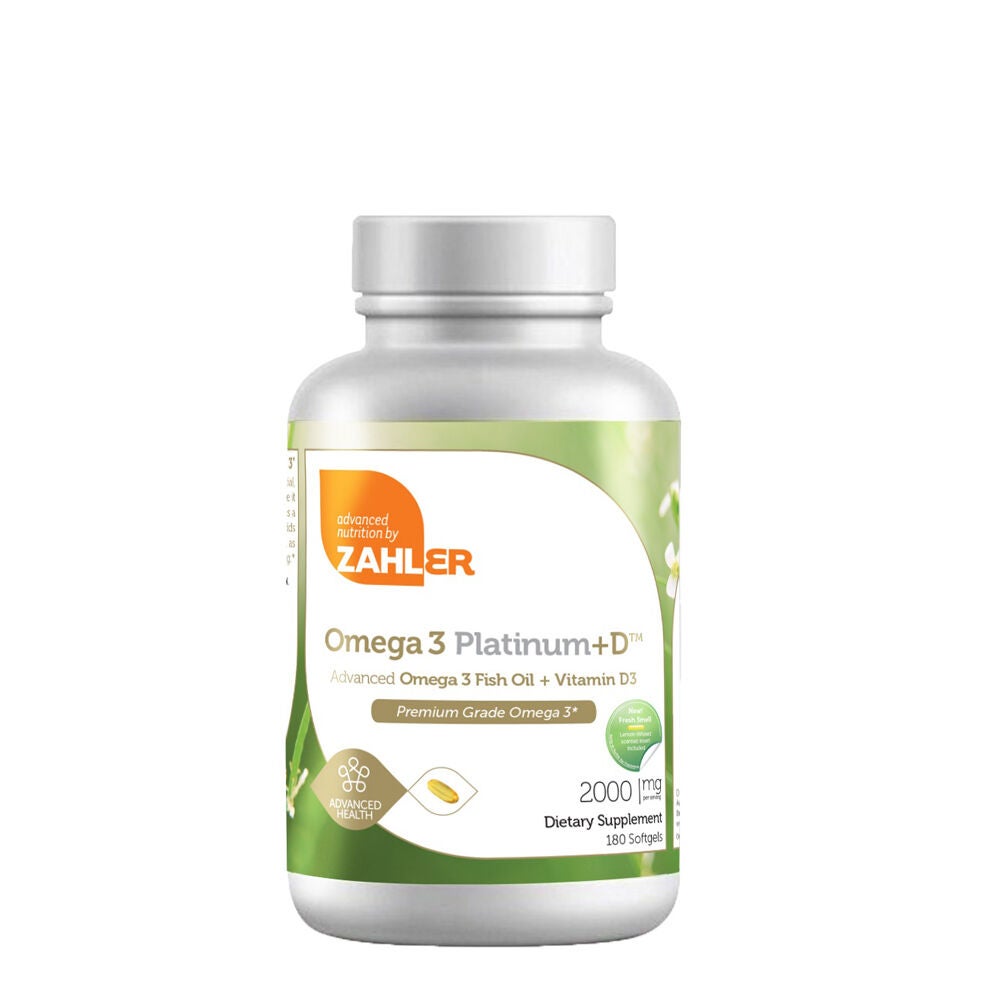
Fish oil supplements tested for mercury give shoppers a way to compare marine omega-3 formulas through their sourcing, composition, and documented purity. EPA, or eicosapentaenoic acid, and DHA, or docosahexaenoic acid, are omega-3 fatty acids found in marine oils. These named fatty acids are distinct from the overall amount of fish oil listed on a label, which can include other fatty acids as well. For shoppers focused on mercury, an important distinction is the difference between a broad purity statement and a documented laboratory result. A result reported as “not detected” means the laboratory did not measure mercury at or above that test’s detection limit; it does not establish that every possible trace is absent. Useful testing information identifies mercury specifically, explains the detection threshold, and connects the findings to the finished supplement or a particular production batch. Independent laboratory testing and accessible batch reports provide more context than an unexplained quality seal alone. Purification methods, including molecular distillation, may reduce unwanted substances in fish oil, but a processing description is not a substitute for analytical results. Sourcing adds another layer of context. Fish oil can come from anchovies, sardines, pollock, and other marine species, with the species and sourcing region sometimes identified on the package. Smaller fish generally occupy a lower position in the marine food chain, although species alone does not establish the mercury content of a finished supplement. The clearest comparison combines source information with testing after processing. Documentation addressing other heavy metals and oxidation offers a broader picture of quality without making mercury testing stand in for every other quality check. These details are particularly useful when two labels use similar purity language but provide different supporting information. A clearly identified testing organization, an explanation of what was measured, and a report tied to the relevant batch make purity statements easier to evaluate.
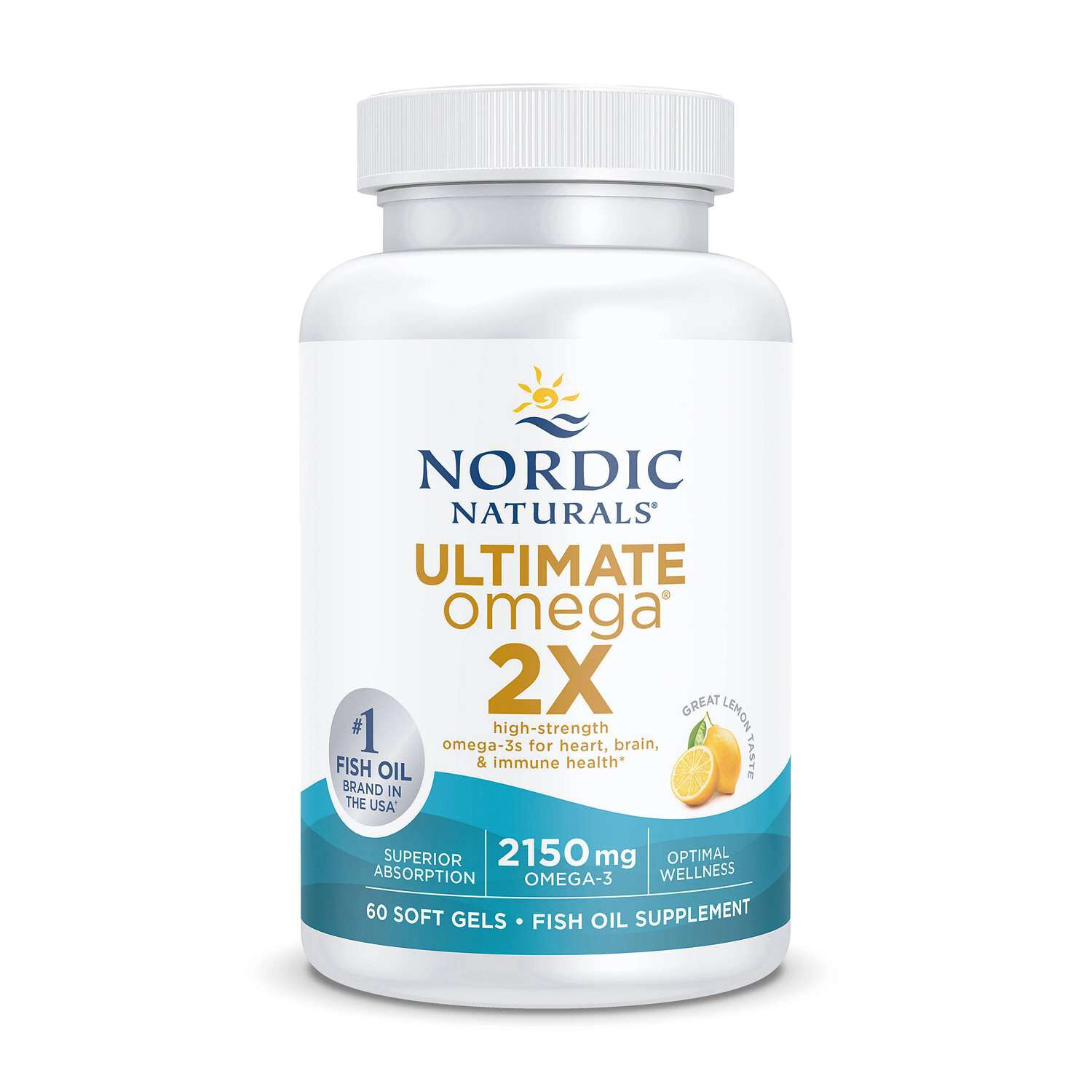
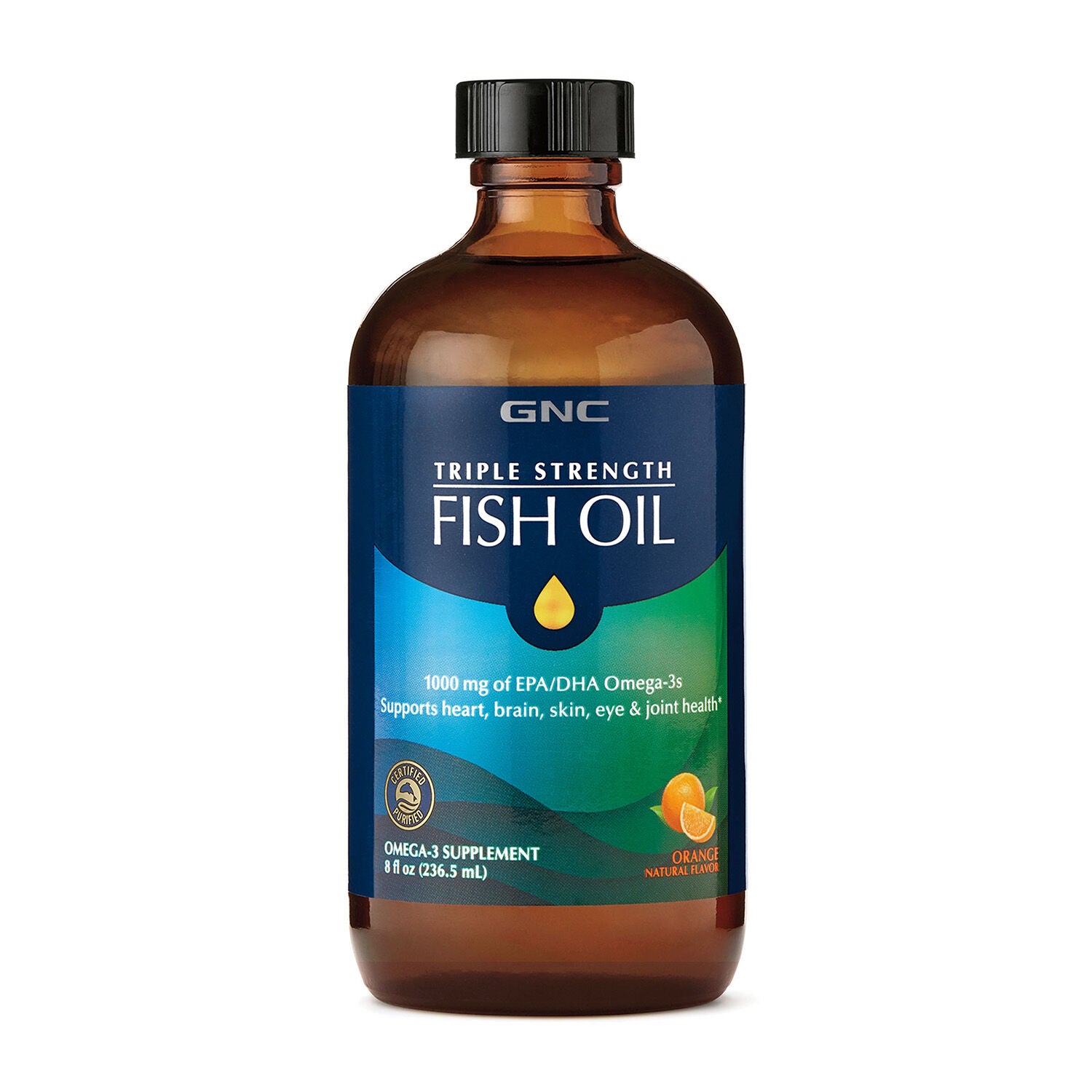
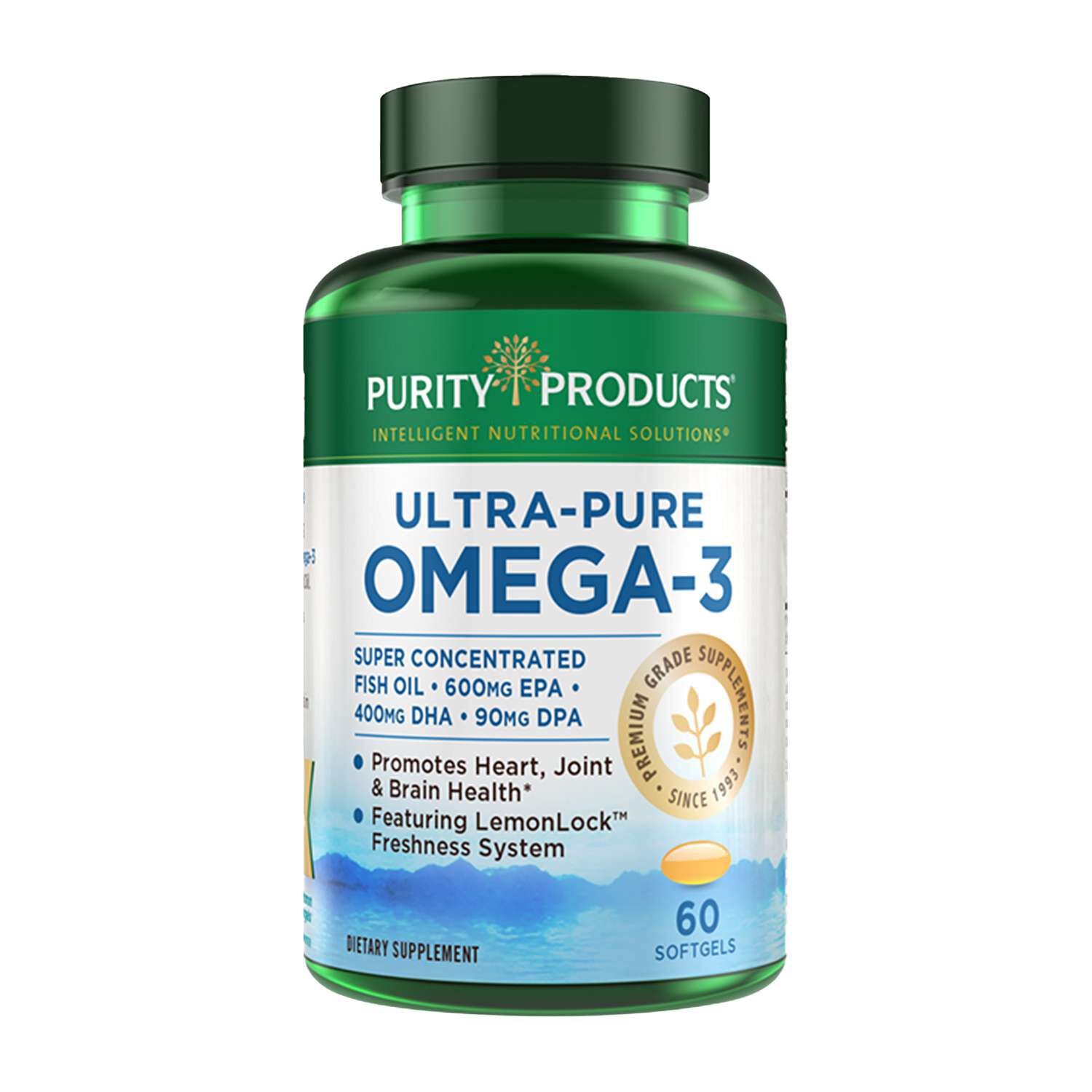
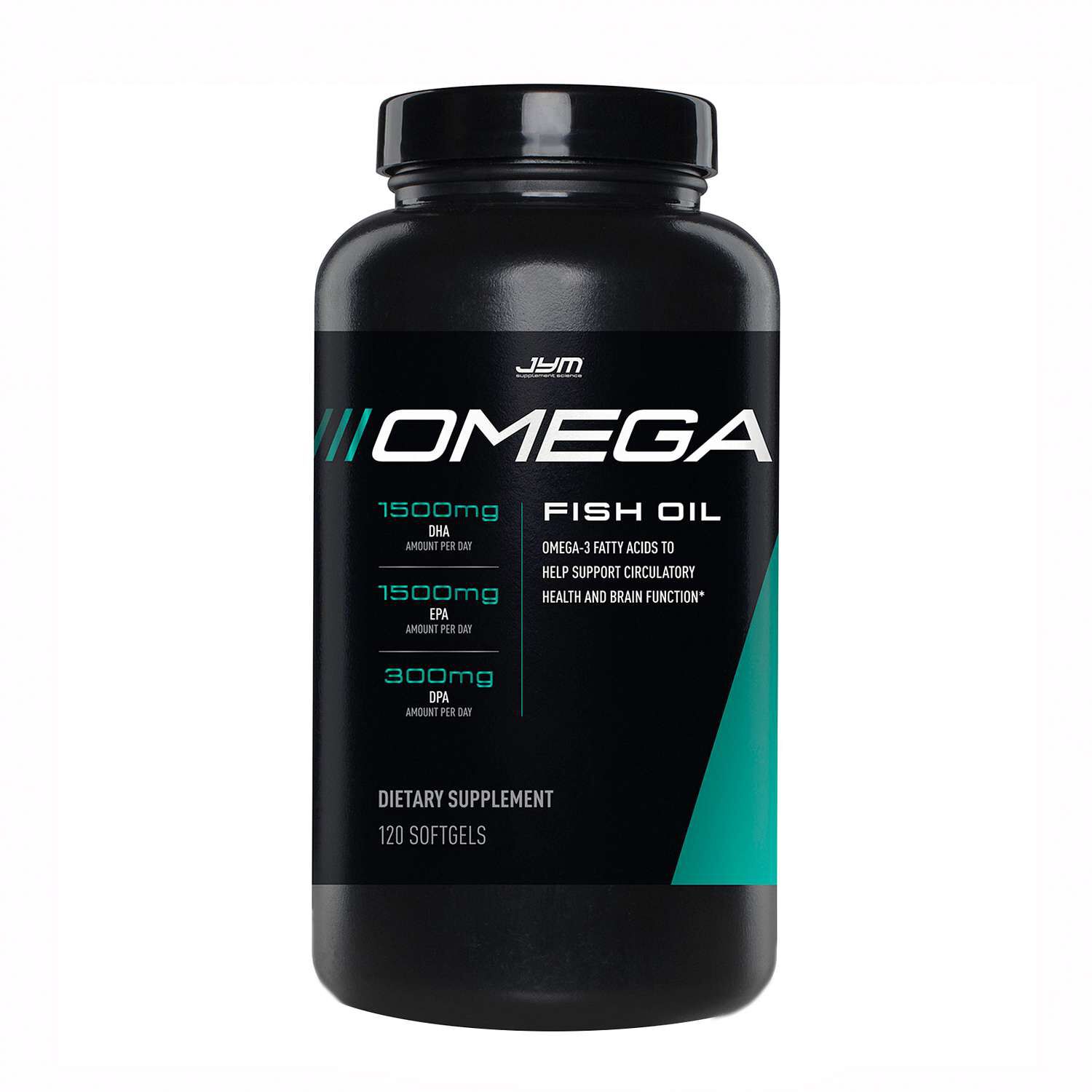
Beyond mercury testing, fish oil supplements differ in serving size, concentration, capsule materials, and format. The amount of oil named on the front of a package is not necessarily the amount of EPA and DHA in a serving. For example, a serving containing 1,000 milligrams of fish oil does not automatically contain 1,000 milligrams of those two omega-3s. The Supplement Facts panel separates the serving size from the listed amounts of individual nutrients, making it the most useful place to compare formulas on the same basis. A serving might consist of one softgel or several, so capsule count matters alongside the amount of EPA and DHA. More concentrated formulas may provide a larger amount of these fatty acids in a smaller portion of oil, though the labeled serving remains the reference point. Softgels enclose the oil in individual capsules, while liquid formats use a measured portion. A liquid may suit someone who prefers measuring a serving, whereas a softgel may fit more easily into an established supplement routine. Capsule dimensions and shell ingredients also deserve consideration. Gelatin can come from fish or other animal sources, and the ingredient list may include glycerin, flavoring, or other components beyond the fish oil itself. A flavored liquid or softgel may appeal to shoppers who prefer a citrus taste, but flavoring does not establish purity or freshness. Some softgels have coatings, with handling instructions that differ from those for an uncoated capsule. Labels may also identify the oil as triglyceride, re-esterified triglyceride, or ethyl ester form. Those terms describe chemical structure rather than mercury testing and are not purity certifications. Together, these details distinguish formulas that might otherwise look similar at a glance. Someone organizing a supplement cabinet may prioritize a straightforward softgel serving, while another shopper may prefer a liquid bottle with clearly marked measuring directions. The useful comparison is the labeled serving, ingredients, and format rather than capsule size or front-label wording alone.
Intended use and care round out the comparison of purified fish oil supplements. Adults who rarely include seafood in their meals may consider a marine omega-3 supplement as one way to add EPA and DHA to their routine, without treating a supplement as a substitute for a varied diet. Fish oil and whole fish are different foods and formats, and supplement labels describe a particular oil formulation rather than everything found in a seafood meal. Dietary preferences matter as well: fish-derived oil is not a plant-based ingredient, and the capsule shell can introduce additional animal-derived materials. Fish allergen statements deserve attention even when the oil has undergone purification, since mercury testing does not establish suitability for someone with a fish allergy. Shoppers comparing dietary preferences can also explore omega-3 supplements made without gluten, with the individual ingredient list and allergen statement providing the relevant details for each formula. Once a supplement becomes part of a routine, its packaging and storage directions remain important. Fish oil contains fats that are susceptible to oxidation, so the container’s closure, light protection, and directions after opening are practical considerations. Some liquid formulas specify refrigeration after opening; others have different storage requirements. The package instructions, rather than assumptions based on another bottle, determine the appropriate handling. Keeping the original container also preserves the lot number, date information, and serving directions for later reference. A clearly printed date and an intact seal are useful details to check before use. Bottle size matters in relation to the labeled serving and the period described in any after-opening instructions, not simply the number of capsules or ounces on the package. For a household with an organized supplement routine, readable labels and manageable packaging may be as relevant as flavor or capsule shape. The strongest basis for comparing mercury-tested fish oil remains consistent: transparent sourcing, specific laboratory documentation, clearly stated EPA and DHA amounts, and a format suited to the intended routine.
Best Sellers
-
Nordic Naturals
-
Nordic Naturals
-
Nordic Naturals
Related Pages

Top Collections
- Joint Mobility Supplement Packs
- Daily Collagen Supplements | Top Brands & Deals | GNC
- GLP 1 Support For Adults
- Zinc Supplements | Top Brands at Great Prices | GNC
- Supplements For Yoga Joint Flexibility
- Supplements For Balance
- Capsule Supplements For Energy And Stamina
- Adult Mobility Supplements
- Chronic Fatigue Supplements
- Vitamins For Hair Loss