Probiotic Enzymes
(0 Results)
Probiotic enzymes are essential supplements that can support your digestive health and overall well-being. By combining probiotics, which are beneficial bacteria that promote gut health, with enzymes that help break down food for better absorption, these supplements can help enhance your digestion and nutrient absorption. Whether you're looking to alleviate digestive issues or simply want to optimize your gut health, probiotic enzymes are a convenient way to support your body's natural processes. Discover our selection of probiotic enzyme supplements below and take a step towards better digestive health today.
-
-
-

-
-
 You Matter Wellness$49.99

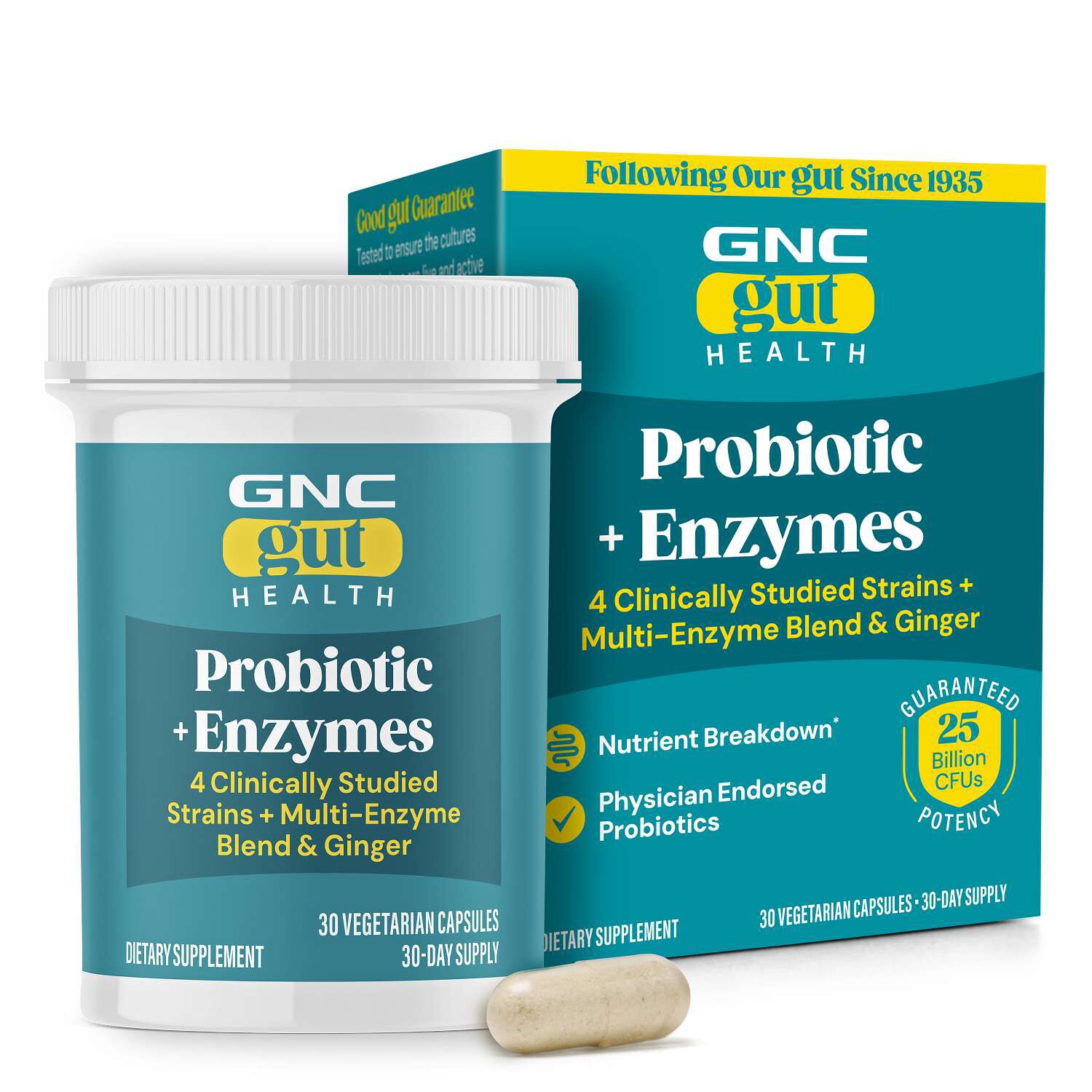




Probiotic enzyme supplements pair live microorganisms with digestive enzymes in a single formula, bringing together two distinct ingredient categories. Probiotics are live microorganisms that may support digestive wellness and the balance of the gut microbiome, the community of microorganisms living in the digestive tract. Digestive enzymes are proteins involved in breaking food into smaller components. In supplement form, they may help with the digestion of particular food components, depending on the enzymes included. Common types include protease for protein, lipase for fats, amylase for starches, and lactase for lactose, the sugar found in milk. Some blends also contain enzymes associated with the digestion of certain plant carbohydrates. These differences matter because an enzyme blend is not a single, interchangeable ingredient: its composition determines its intended role. A meal of pasta, vegetables, and cheese contains several kinds of nutrients, while a yogurt snack presents a different ingredient mix. Formulas intended for mealtime use may therefore feature different enzyme combinations, even when their front labels sound similar. Probiotics add another dimension, with ingredients identified by genus, species, and sometimes a specific strain designation. Names such as Lactobacillus and Bifidobacterium describe groups of bacteria rather than identical ingredients with identical characteristics. The phrase probiotic enzymes does not mean that probiotics and enzymes are the same thing, nor does it describe one standardized formula. It generally refers to supplements combining the two, with varying amounts, serving sizes, and directions. For adults considering everyday digestive support, the most relevant distinctions are the actual microorganisms, the enzyme types, and the way the formula is intended to be used. A longer ingredient list alone does not establish a better match. The relationship between the label and a person’s usual meals, dietary preferences, and existing supplement routine offers more meaningful context than the number of ingredients printed across the package.
The Supplement Facts panel provides a closer view of those differences. Probiotic quantities are commonly expressed in colony-forming units, or CFU, a measure related to viable microorganisms. Some labels state the count at manufacture, while others specify a count through the listed expiration date when stored as directed. Those statements describe different points in a product’s shelf life and are worth distinguishing when comparing formulas. A larger CFU number by itself does not describe the strains, serving size, storage requirements, or suitability for a particular routine. Enzyme information may appear as individual ingredients with activity units, as a blend measured by weight, or as both. Activity units describe enzyme activity under defined testing conditions; milligrams describe weight. Because those measurements communicate different information, equal milligram amounts do not necessarily indicate equivalent enzyme activity. Serving size adds another practical distinction: one formula may list its amounts per capsule, while another lists them per serving of two or more capsules. Capsule materials and supporting ingredients also shape the shopping experience. Depending on the formula, a capsule shell may contain gelatin or plant-derived materials, and other ingredients may include carriers, coatings, or flavorings. A plant-derived capsule shell does not, on its own, describe the source of every ingredient inside. For someone following a vegetarian or vegan eating pattern, the full ingredient list and any relevant labeling provide a clearer picture. Allergen statements are similarly important when dietary restrictions influence a purchase. Capsules offer a premeasured format, while powders and chewable formats, where offered within the category, have different considerations for serving measurement, taste, and handling. Flavored formats may contain sweeteners or other ingredients that are less prominent in an unflavored capsule. These details can be especially relevant for someone carrying a serving to lunch, organizing supplements beside a breakfast bowl, or choosing a format that fits comfortably into an established daily routine. The useful comparison is not simply capsule versus powder, but the full serving, ingredient profile, and labeled method of use.
Intended use and everyday handling help distinguish probiotic enzyme formulas beyond their ingredient panels. Some are labeled for use with meals, while others have directions built around a daily schedule; timing and serving instructions belong to the individual formula rather than the category as a whole. A supplement selected for a lunch routine needs to fit the actual setting, whether that means eating at a desk, packing a meal for a long shift, or sitting down to a shared dinner. Package size, the number of servings, and the ease of keeping the original label close at hand can all influence that fit. Storage deserves similar attention because probiotics contain living microorganisms and enzymes have their own handling requirements. Certain formulas call for refrigeration, while others are labeled for shelf storage. The package directions provide the relevant conditions, including any instructions that apply after opening. For a shelf-stable formula, a closed container kept away from steam, direct sunlight, and moisture is a more suitable arrangement than a bottle left beside a kitchen sink or in a steamy bathroom. Keeping the lid securely closed and retaining any supplied moisture-control packet, as directed, may help protect the contents during ordinary use. Expiration dates and packaging instructions are part of that same practical picture. Probiotic enzyme supplements also differ from broader nutritional combinations. Shoppers comparing formats that pair probiotics with vitamins and minerals can explore Probiotic Multivitamins, a related category with a different formulation focus. Neither category name replaces a review of the full label, particularly when several supplements share ingredients. For an everyday purchase, clear strain identification, understandable enzyme information, suitable capsule materials, and manageable storage requirements create a more useful basis for comparison than an oversized number on the front of a bottle. A well-matched choice reflects the intended user’s preferences and routine while keeping the distinctions between probiotics, enzymes, and other nutrients clear.
Best Sellers
-
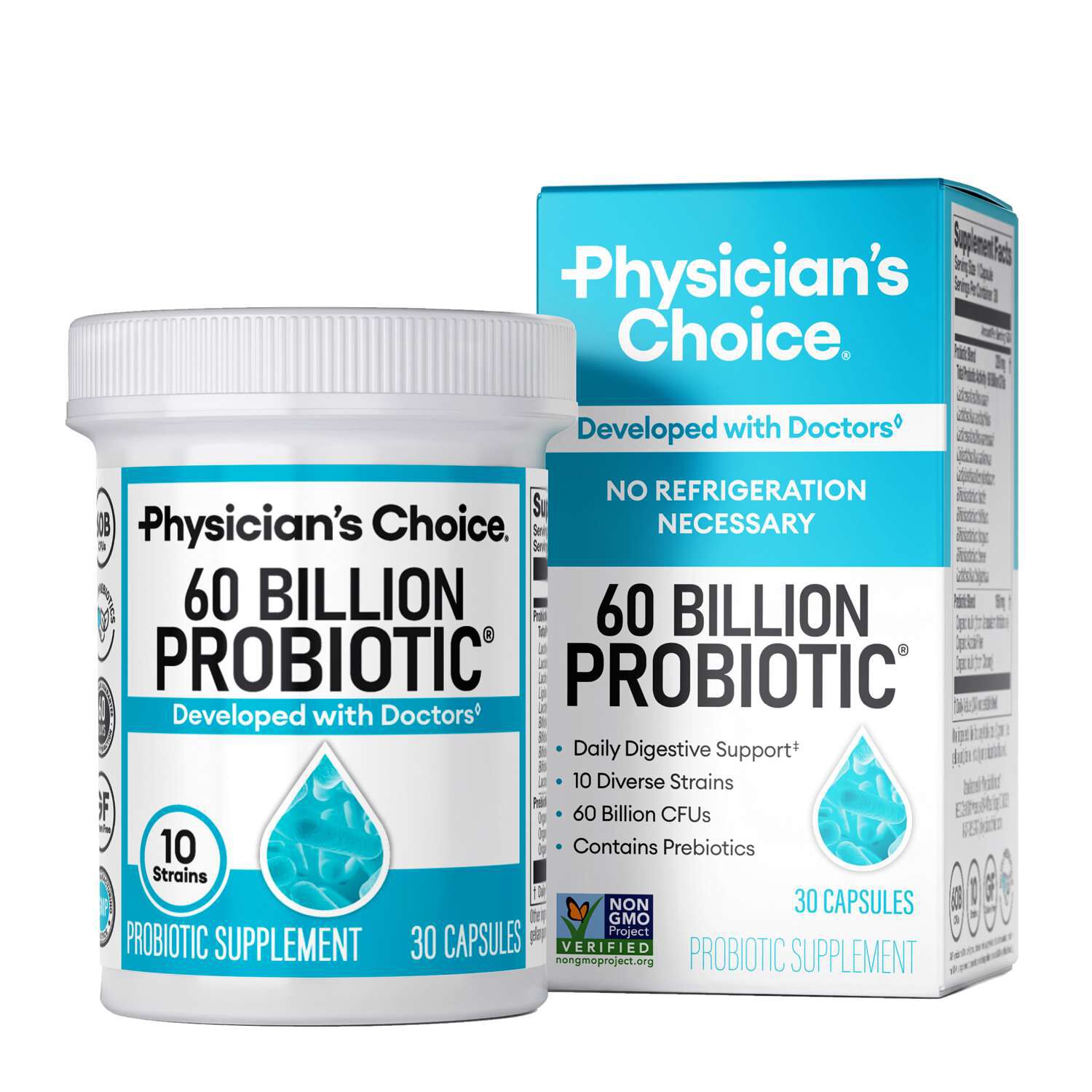 Physician's Choice