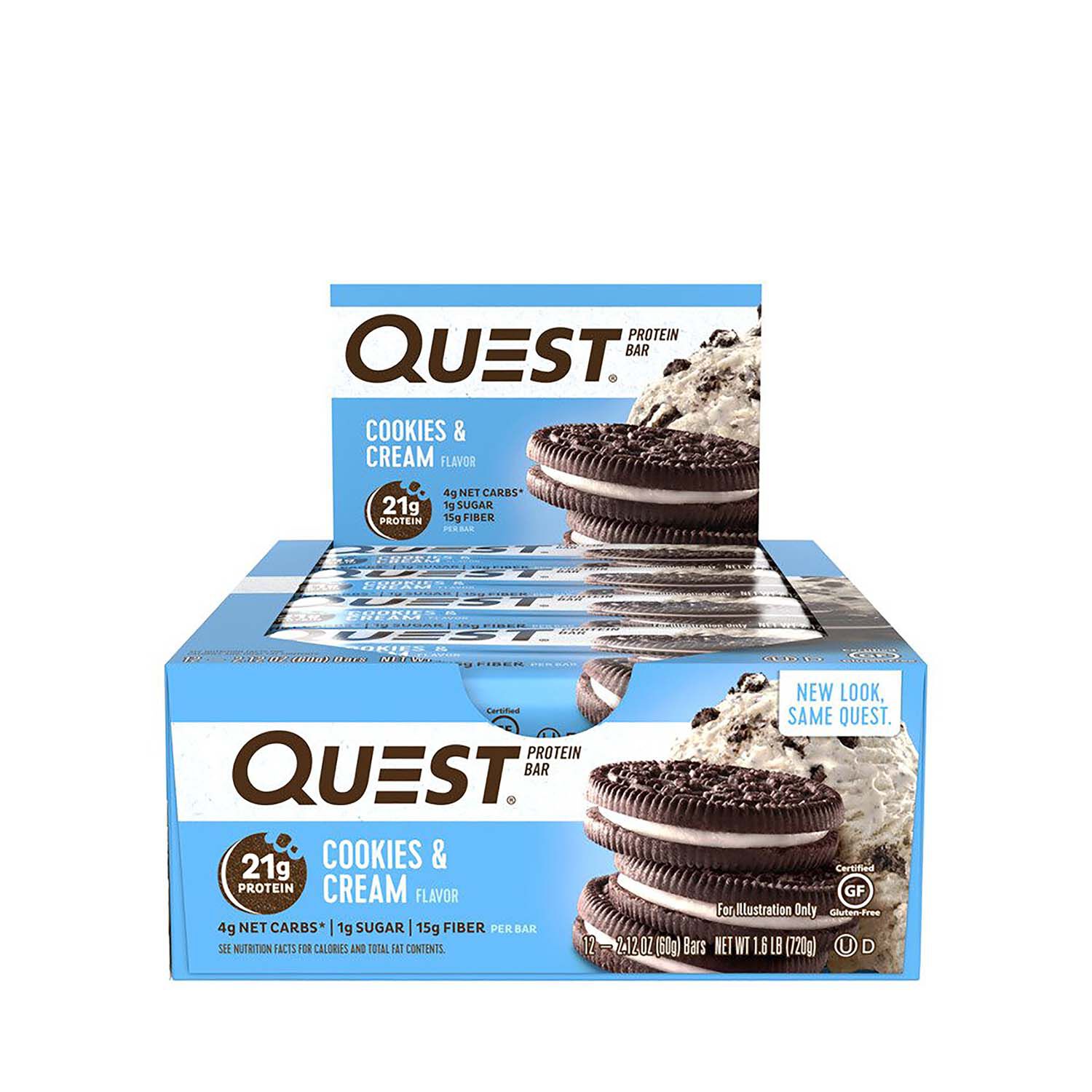
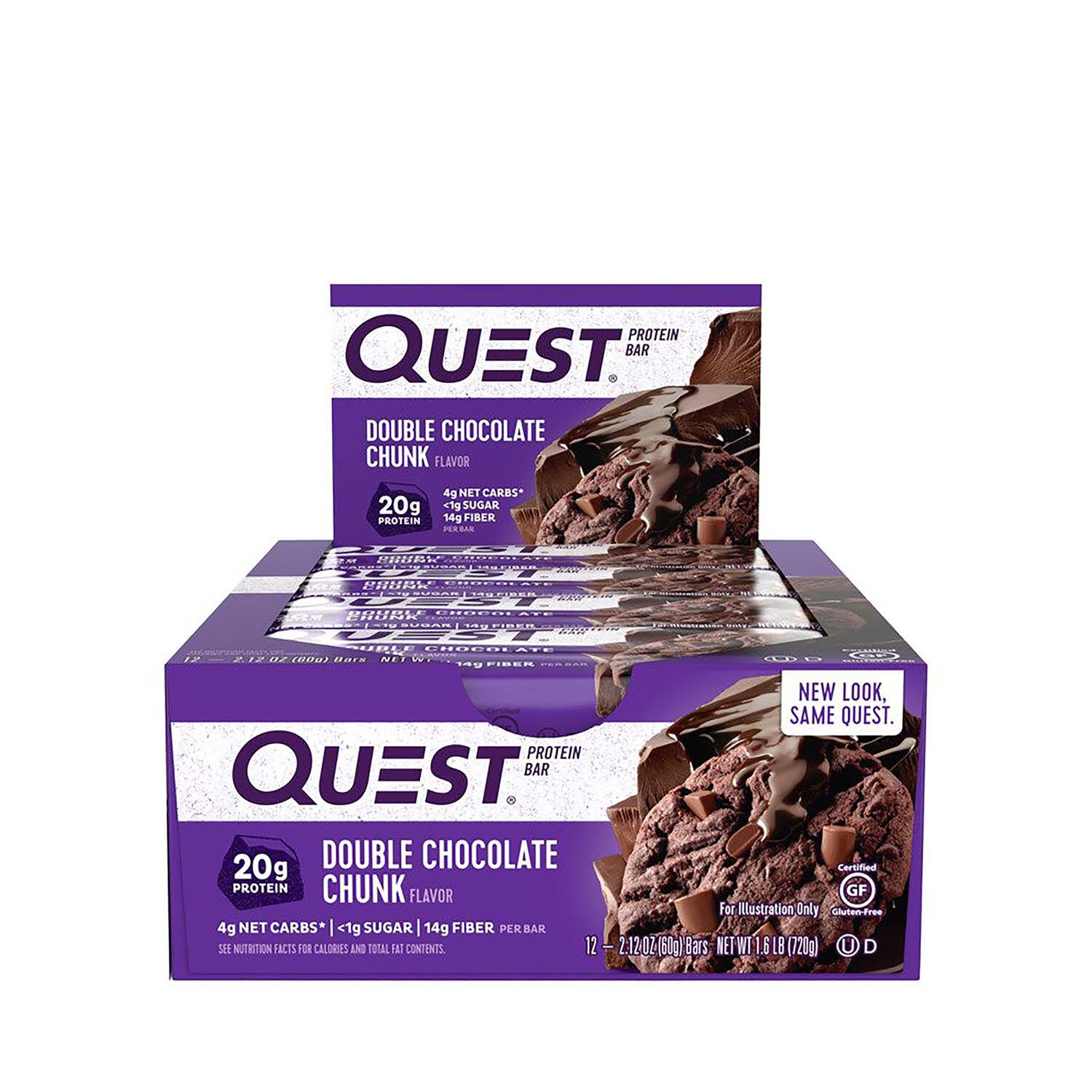
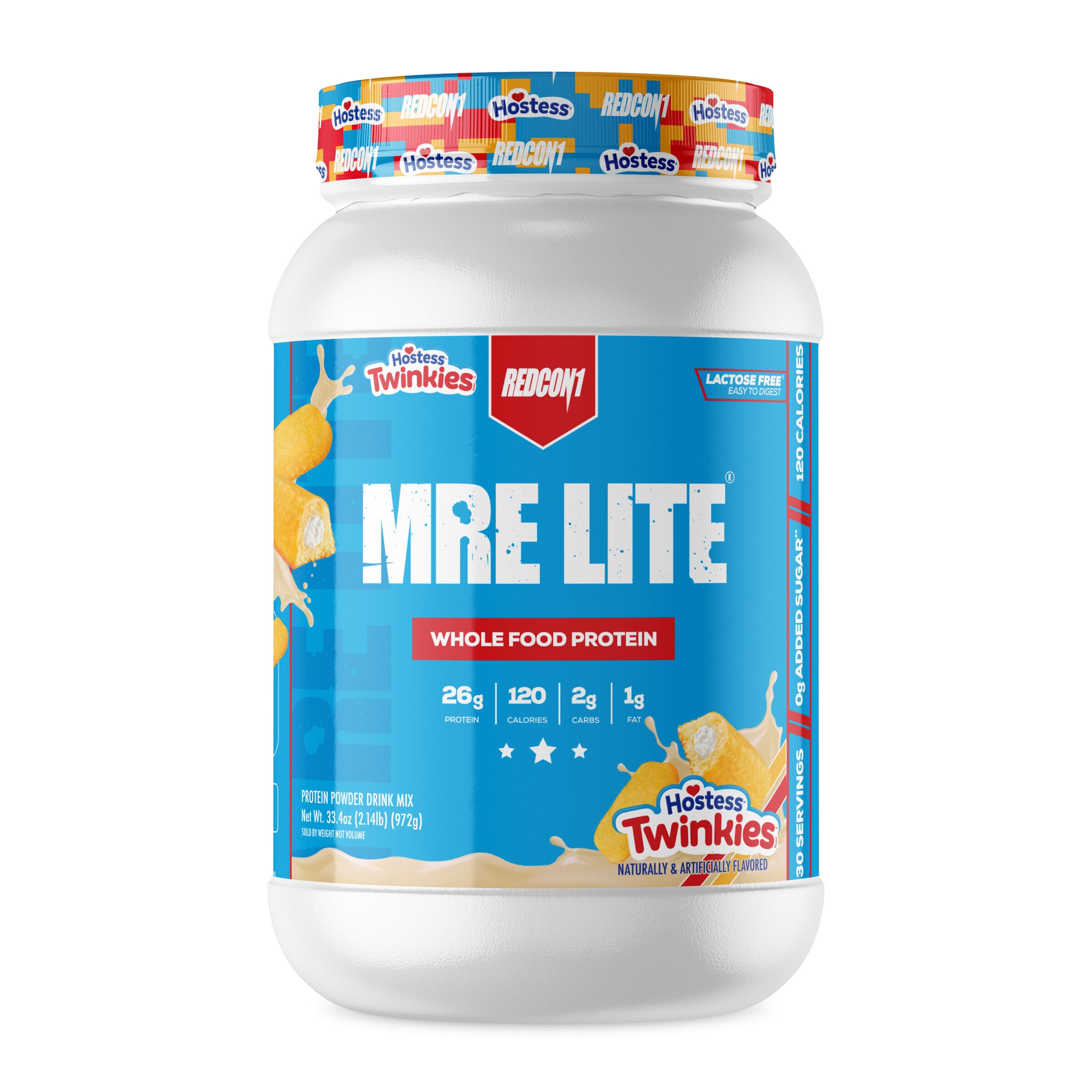
Protein Donuts
(0 Results)
Shop protein donuts for a sweet snack with protein. Compare available options by protein per serving, serving size, and ingredients, and check each product’s nutrition and allergen information to find a choice that fits your preferences and routine.
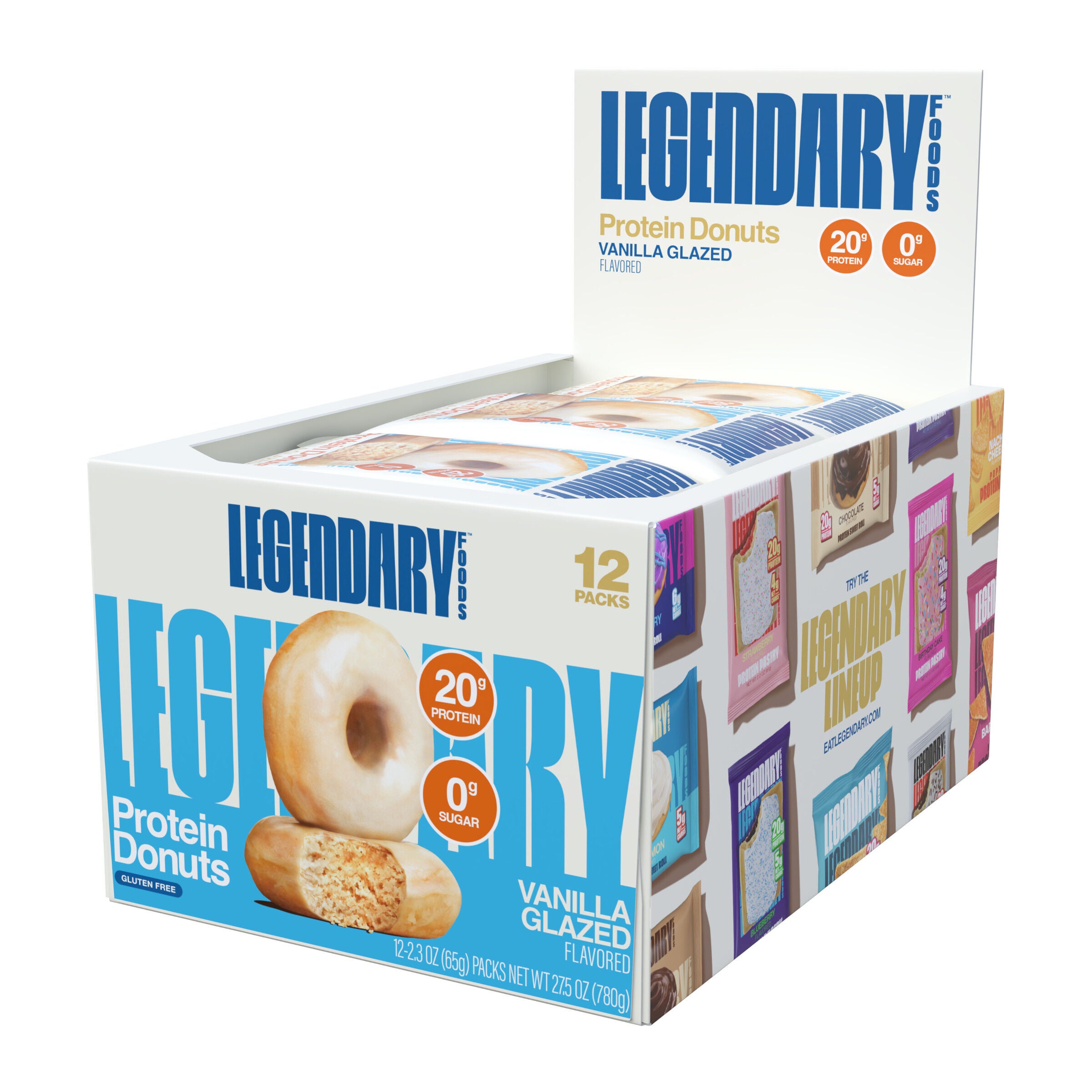
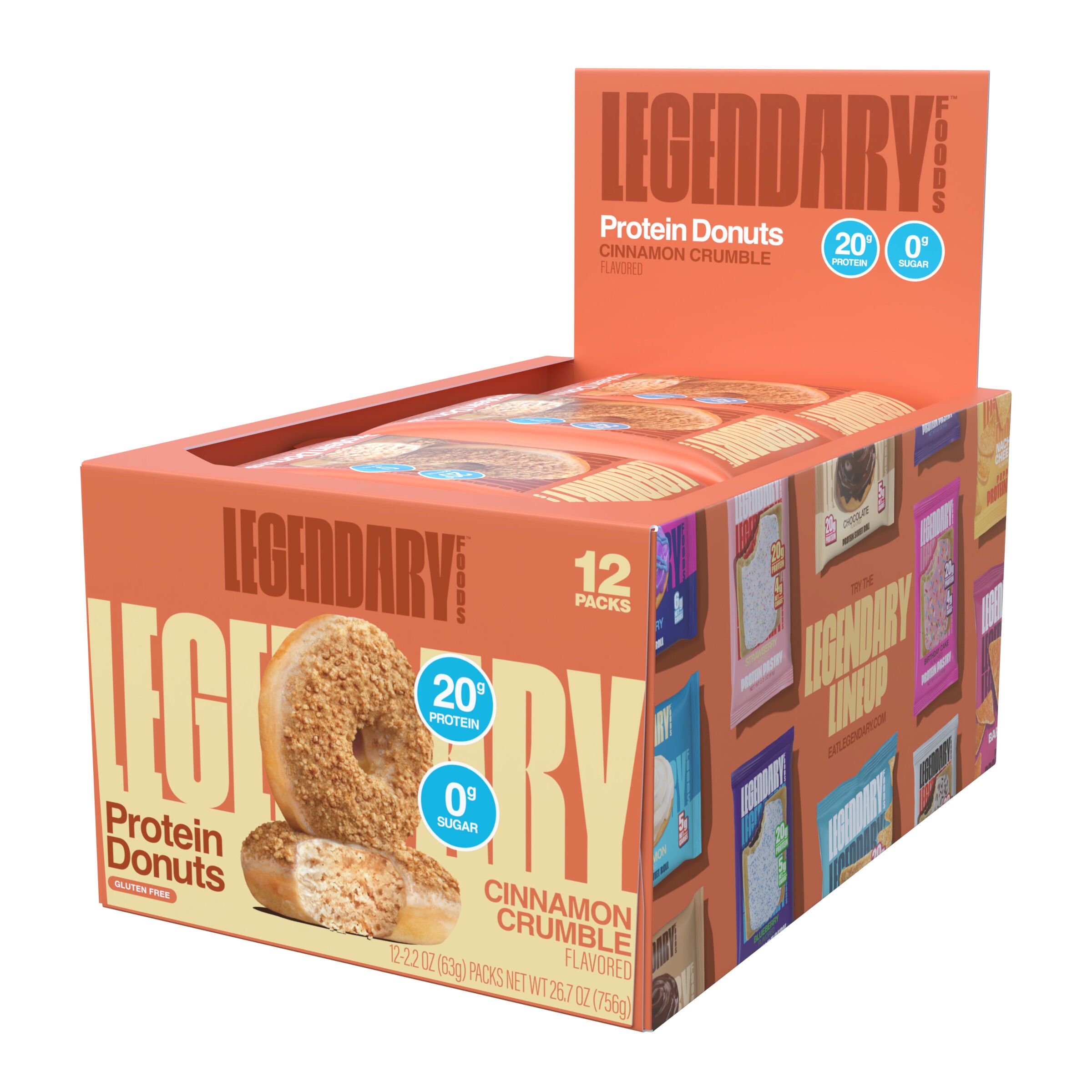
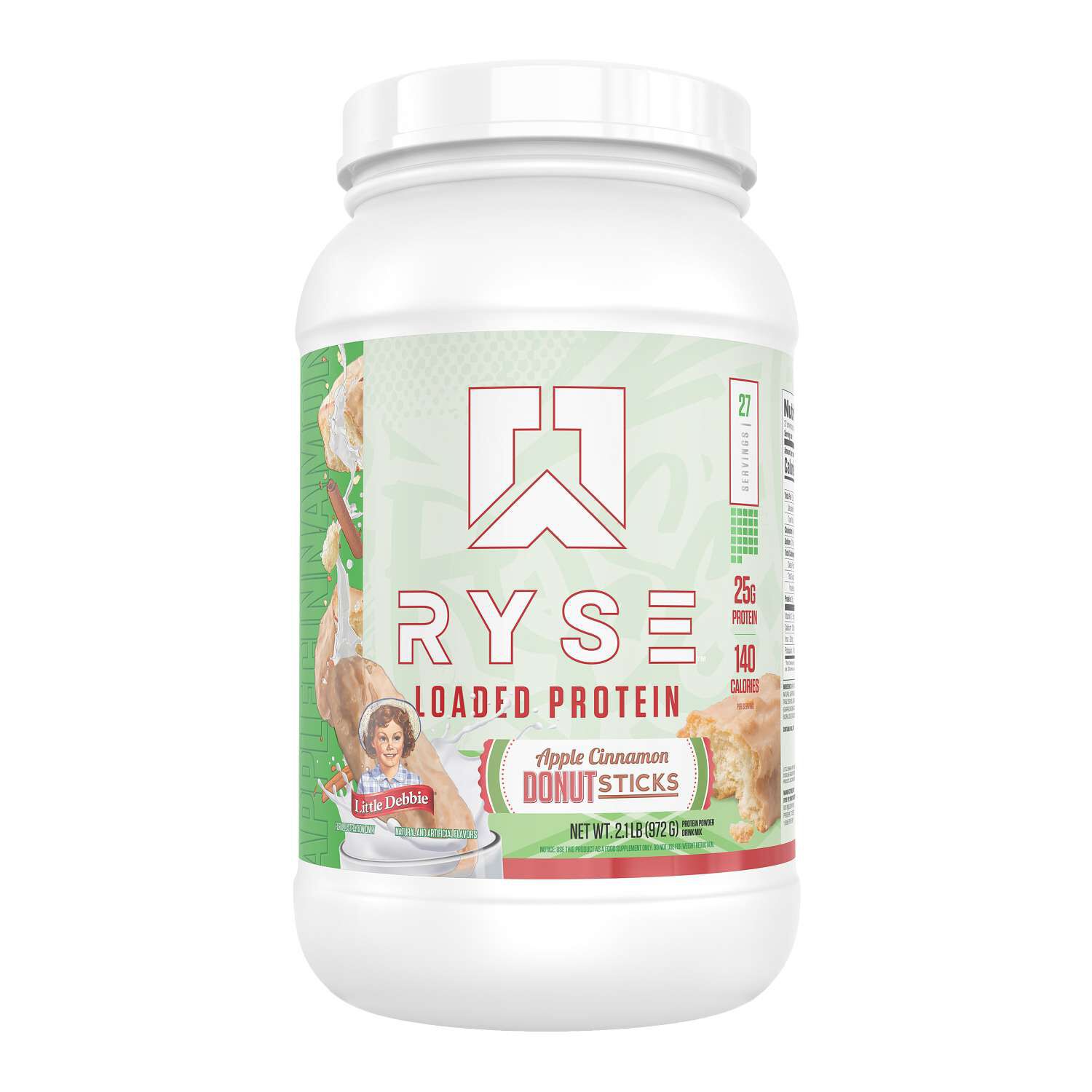
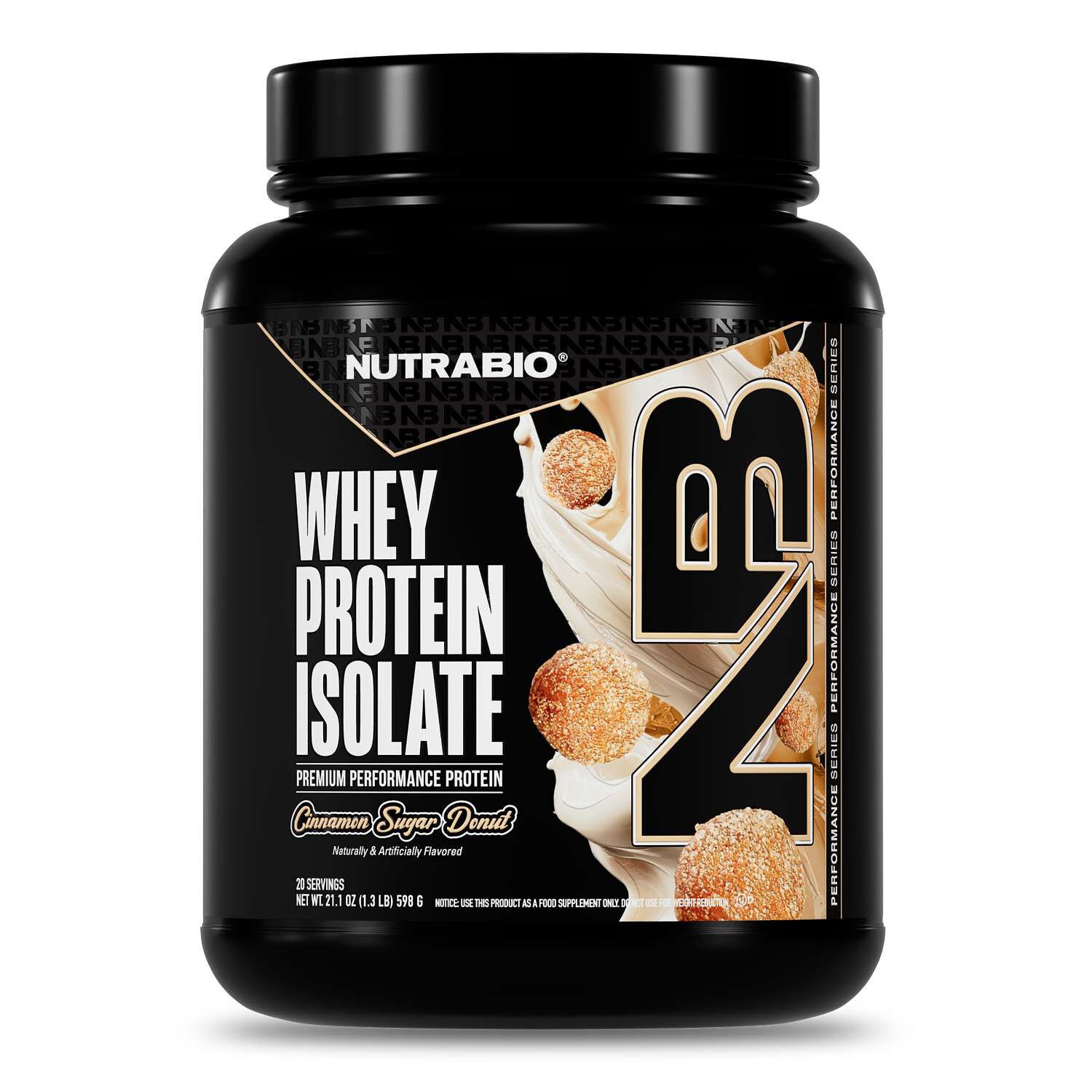
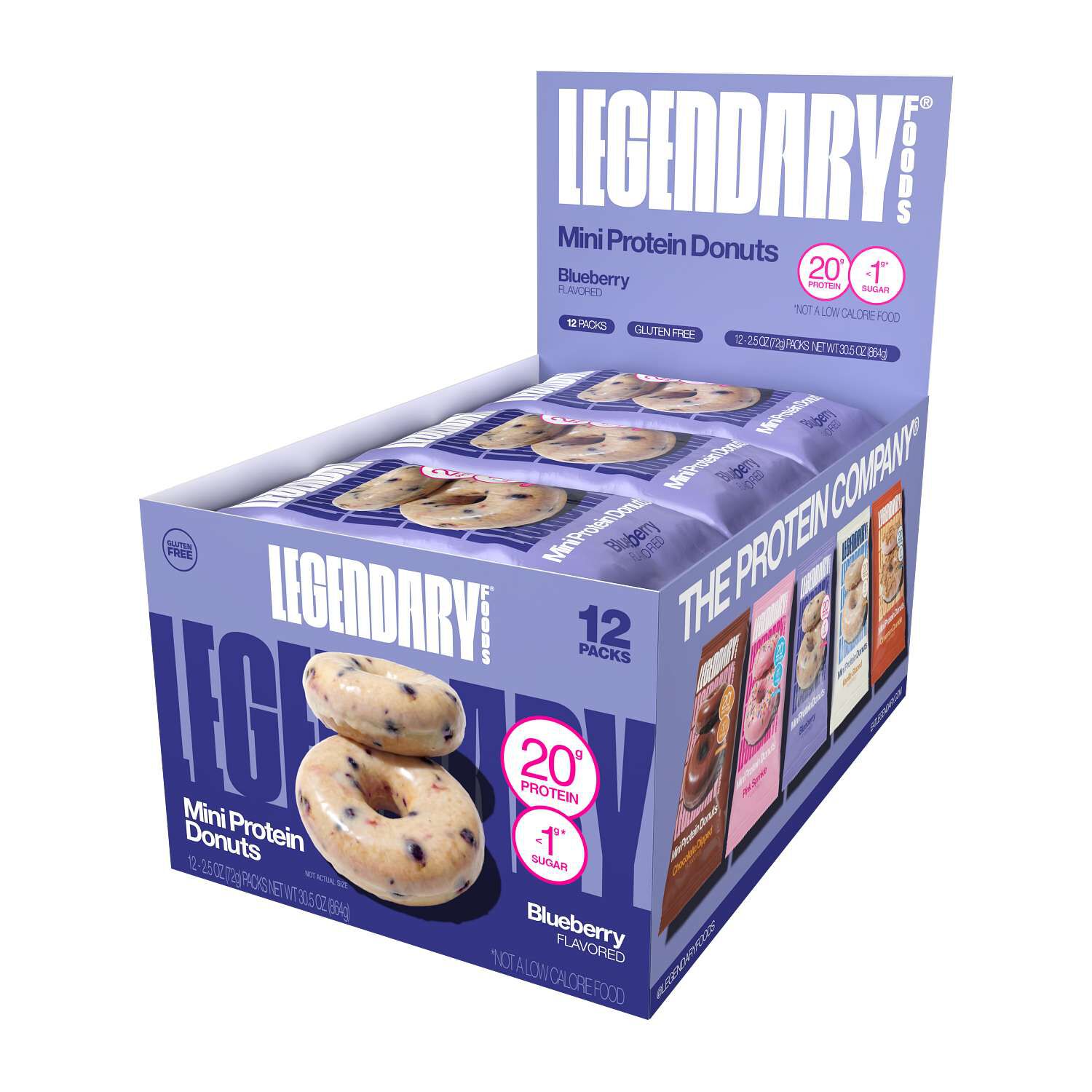

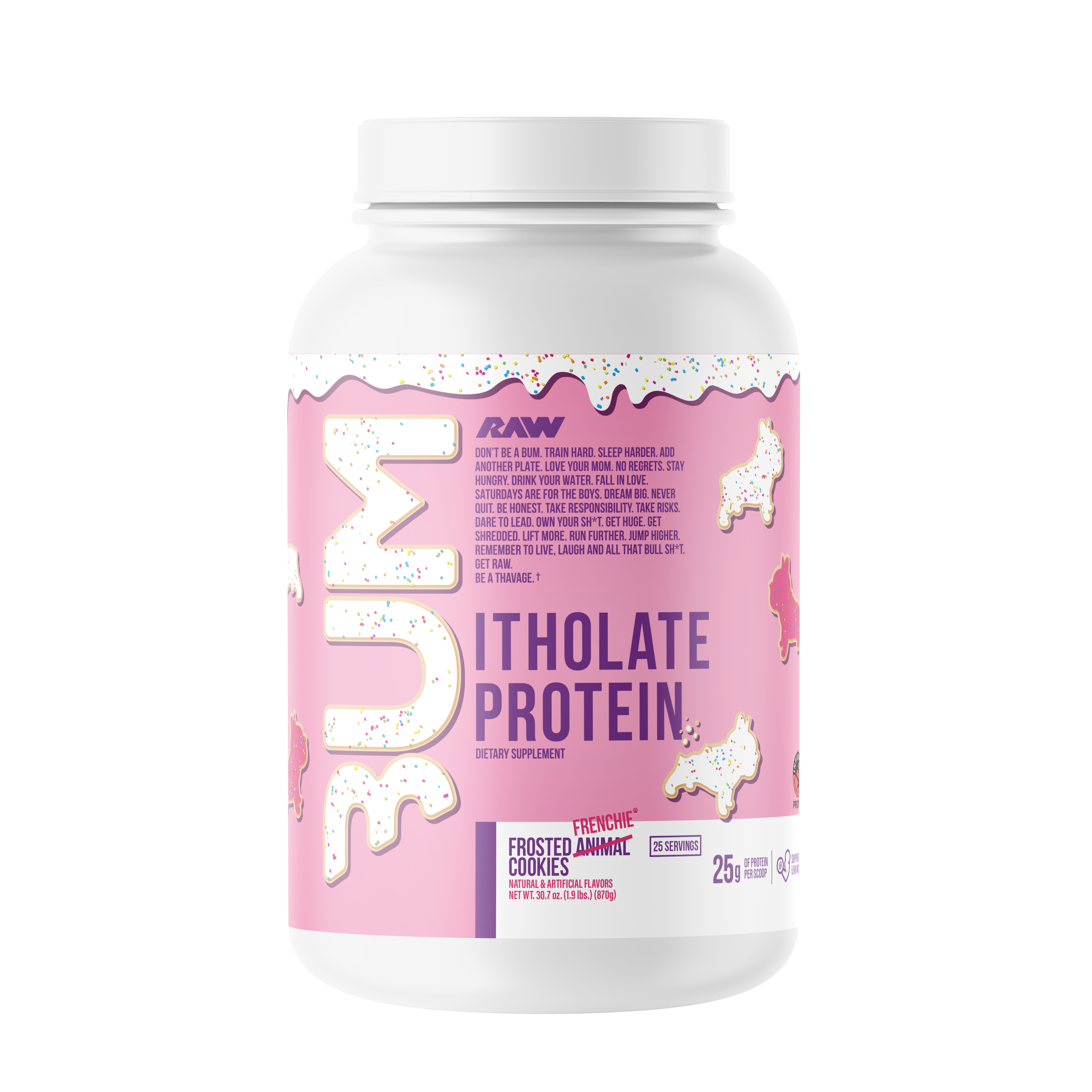


Protein donuts pair a familiar bakery shape with a protein-focused approach to snacking. The category may include ready-to-eat baked donuts, mixes intended for making donut-shaped treats, and related options built around recognizable donut flavors. These formats share a flavor theme, but they offer different eating experiences. A packaged donut is a handheld snack with its own crumb, coating, and portion size, while a baking mix involves preparation and may allow more flexibility in serving size or finishing touches. Classic flavor profiles such as vanilla glaze, chocolate, cinnamon, and cake batter give shoppers a useful starting point, especially when choosing between something subtle and something closer to a dessert. Texture matters just as much as flavor: a cake-style donut may have a tender, close crumb, while a protein-focused recipe may feel denser or chewier than a traditional bakery donut. Chocolate coatings, icing, or flavored drizzles add another texture to consider, particularly for someone who prefers an understated snack rather than a heavily decorated treat. Protein donuts may suit a desk drawer, a lunch bag, or a planned snack after a workout, depending on the package’s storage instructions. Individually wrapped portions may be convenient for a commute or an afternoon between appointments, while a larger package may make more sense for a household where several people enjoy the same flavors. The most useful distinction is between wanting an actual baked donut and wanting a donut-inspired taste in another format. A person looking for a fork-and-plate treat may prefer a soft cake-style option, while someone packing a snack for a busy day may put more weight on wrapping, portability, and how neatly it travels. Neither the donut shape nor the flavor name tells the whole story; the ingredient list, nutrition information, and serving size provide the details needed to understand what each format contains.
Ingredients and nutrition information help distinguish protein donuts that look similar on the outside. Depending on the recipe, protein may come from whey, milk, egg, soy, or other plant-based sources, each contributing differently to the finished flavor and texture. Flour, oats, cocoa, oils, sweeteners, and other baking ingredients also shape the eating experience. A rich chocolate flavor may suit someone who enjoys a cocoa-forward snack, while vanilla or cinnamon may be a closer match for a familiar cake donut. Sweetness varies by recipe, and sugar alternatives may have a taste or finish that differs from conventional sugar. The amount of protein is only one part of the nutrition panel: serving size, calories, carbohydrate, added sugar, fat, and fiber provide useful context for comparing portions. A package containing more than one donut may list nutrition information by individual piece or by a larger serving, so the number of servings per container matters alongside the front-label description. Ingredient and allergen statements are particularly relevant for shoppers selecting around food preferences or avoiding certain ingredients, including milk, wheat, eggs, soy, peanuts, and tree nuts. For baking mixes, the dry mix’s information may differ from the prepared donut, depending on the ingredients added during preparation. Eggs, milk, oil, or a topping may change both the recipe and the nutrition per serving. Storage and handling are practical considerations, too. The package instructions establish whether a baked snack belongs in a pantry, refrigerator, or freezer, and any preparation directions take precedence over general expectations about donuts. An intact wrapper may help preserve texture during transport, while a rigid container may protect a delicate coating from getting pressed against other lunch-bag contents. Once opened, a baked donut may lose moisture, so resealable packaging or an appropriate food container is worth considering. For mixes, clearly marked preparation steps, portion guidance, and storage directions for unused mix make it easier to understand the effort involved before choosing a format.
Choosing among protein donuts is often about matching the product format to a familiar routine rather than treating every donut-inspired option as interchangeable. Someone who enjoys a coffee-break pastry may be interested in a baked texture and a restrained glaze; someone who prefers a more dessert-like snack may look for chocolate, layered flavors, or a noticeable coating. For a shared household snack, individually marked portions and clearly readable ingredients may be more practical than a format that requires everyone to portion from the same container. For a baking project, a mix may suit someone who already enjoys preparing snacks at home and has the appropriate pan and ingredients. Preparation time, cleanup, and the number of servings are part of that choice, especially when the intention is to make several portions for later use. The flavor connection also extends to Donut Flavored Supplements, a related category for shoppers interested in the same bakery-inspired notes in a supplement format rather than a baked donut. A flavored powder and a ready-to-eat donut are different experiences: one is intended for preparation according to its label, while the other has a defined shape, crumb, and serving format. With powders, the recommended liquid, mixing directions, and serving amount are useful points of comparison; with baked snacks, texture, wrapping, and storage deserve closer attention. Protein donuts may also make a thoughtful addition to a small snack assortment for an adult who already enjoys protein-focused foods. Familiar flavors, straightforward packaging, and consideration for the recipient’s food preferences matter more than assumptions about fitness goals. A few compatible snack formats may suit a care package, a workplace snack basket, or a gift for a home-baking enthusiast, provided their storage needs fit the occasion. Whether the preference is a portable baked snack, a mix for the kitchen, or a related donut-flavored format, the best match rests on clear product information and an eating experience that suits the shopper’s tastes.
- Q: What are protein donuts?
A: Protein donuts are donut-style snacks made with added protein ingredients, such as whey, milk protein, or plant-based protein. They combine a familiar bakery format with a protein-focused recipe, though ingredients and nutrition vary by brand. - Q: What types of protein are used in protein donuts?
A: Protein donuts can contain whey protein, milk protein, egg protein, or plant-based sources such as pea or rice protein. Check the ingredient list to see which protein sources a recipe uses. - Q: What flavors do protein donuts come in?
A: Protein donut flavors can include chocolate, vanilla, cinnamon, and birthday cake. Some recipes feature a glaze, frosting, or sprinkles, while others have a simpler cake-style finish. - Q: How can you serve protein donuts?
A: Protein donuts can be enjoyed on their own or paired with coffee, tea, or milk. For a plated snack, try serving one alongside fresh berries or yogurt. - Q: How do protein donuts differ from protein bars?
A: Protein donuts typically have a ring-shaped, bakery-style format, while protein bars often have a dense or chewy texture. Both categories vary in protein content, ingredients, and flavor, so compare nutrition labels rather than relying on the snack format alone.