





Vegetarian Amino Supplements
(0 Results)
Vegetarian amino supplements offer a convenient way to support your wellness goals while aligning with plant-based lifestyles. Whether you're looking to complement your daily nutrition or support your active routine, these supplements may provide a versatile option for those seeking alternatives to traditional sources. Explore a variety of vegetarian amino supplements designed to fit seamlessly into different dietary preferences and routines.
-

-
-
-

-

-
-
-

-
-

-

-

-

-

-
 Basic Supplements$11.97
-

-
-

-

-
-
-
-
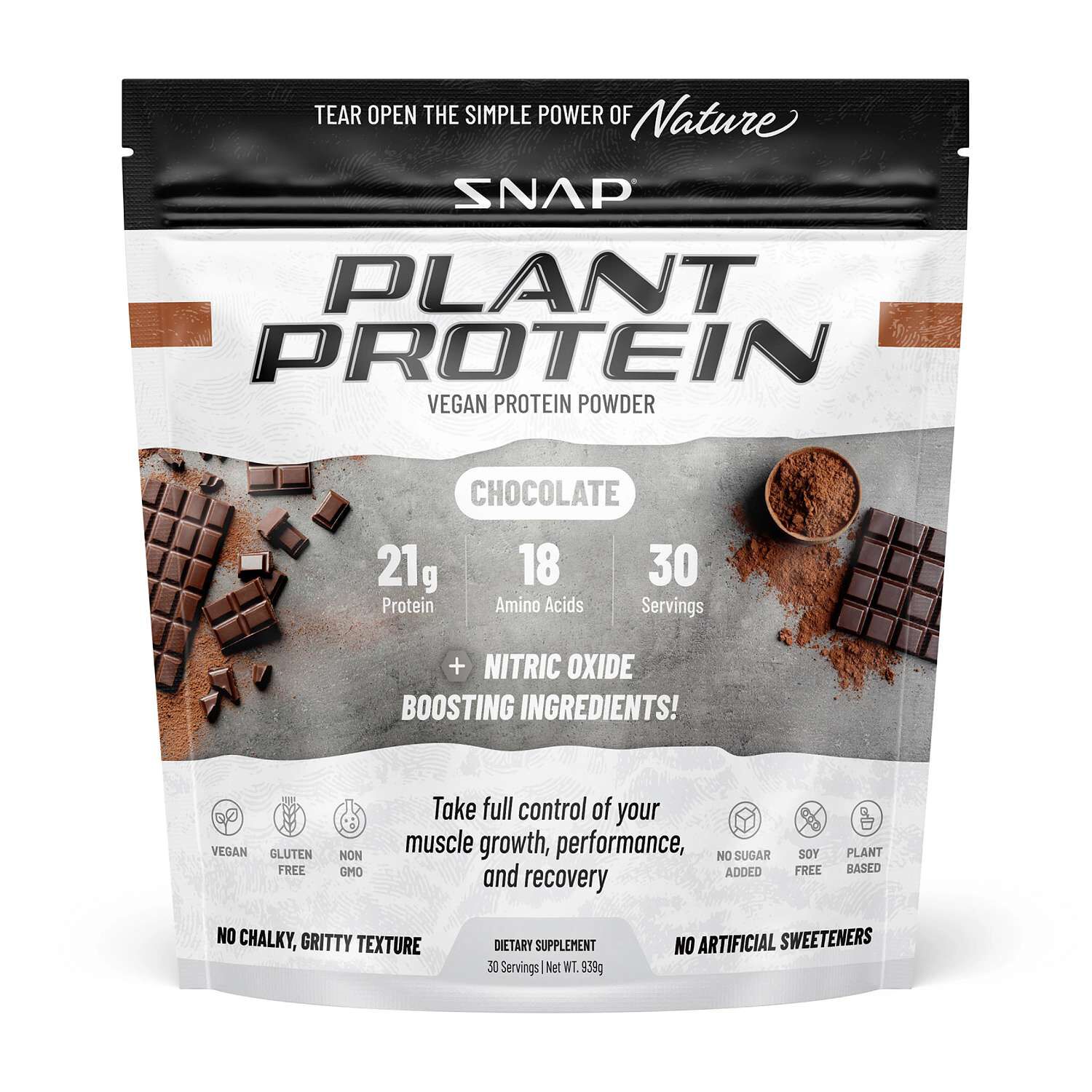

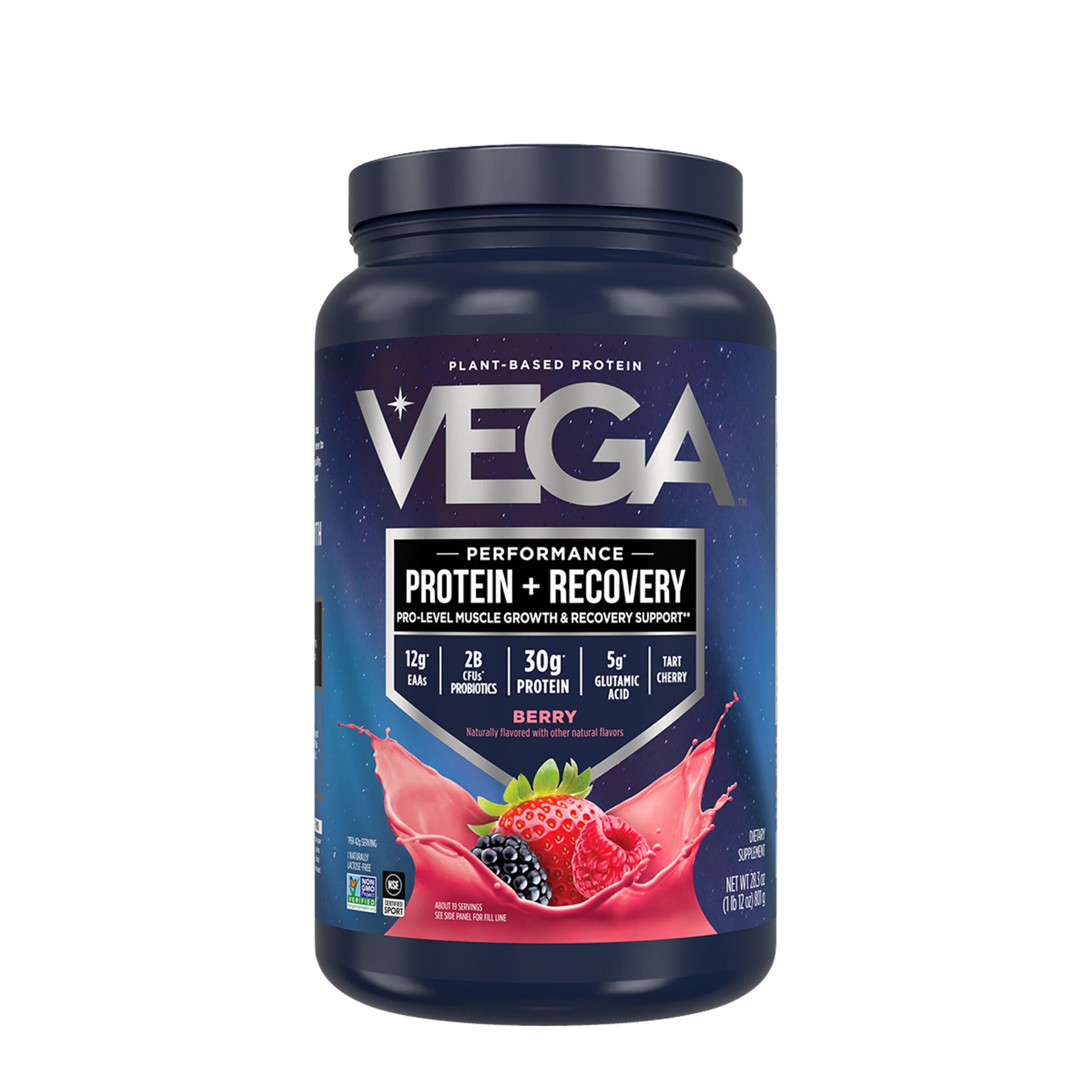
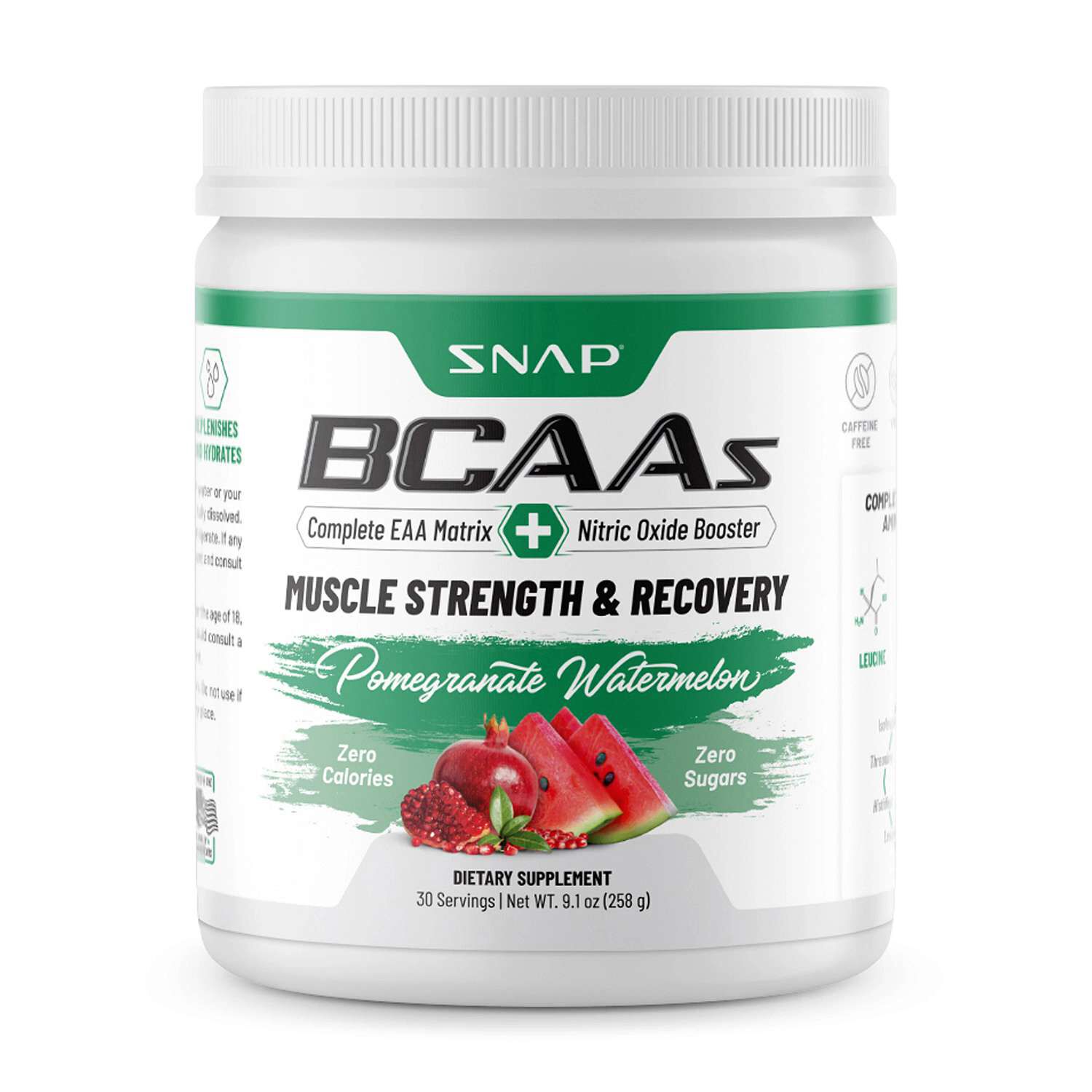
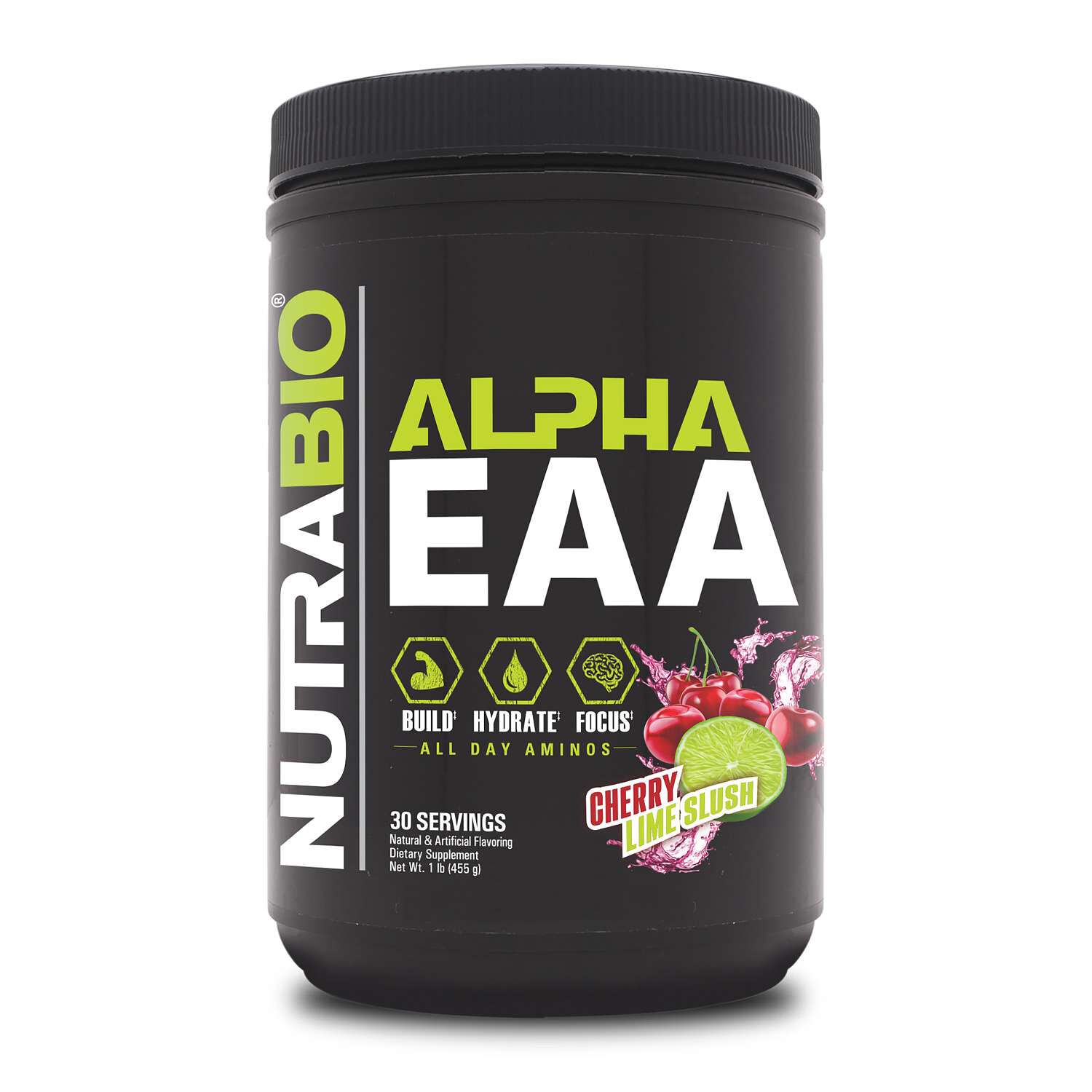
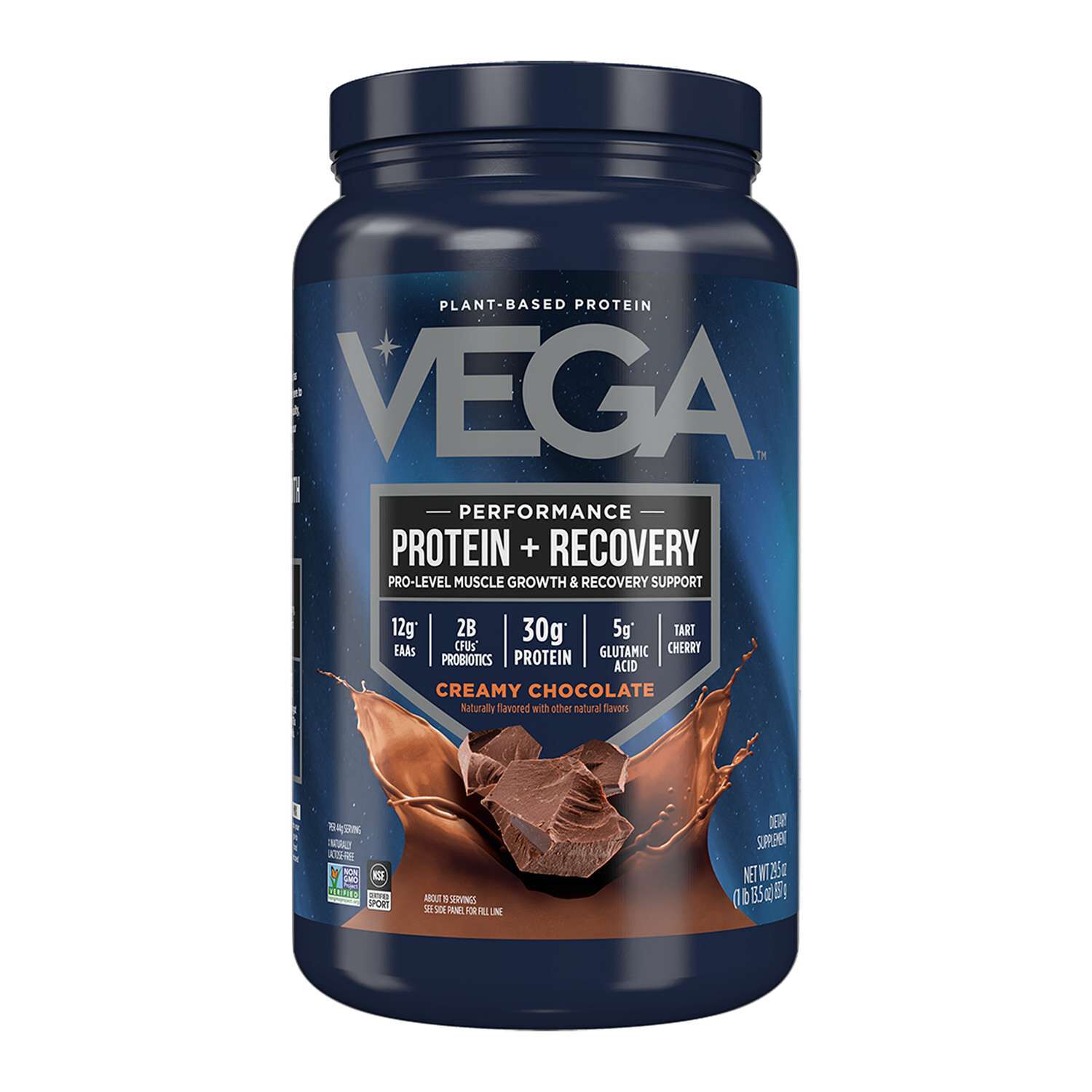
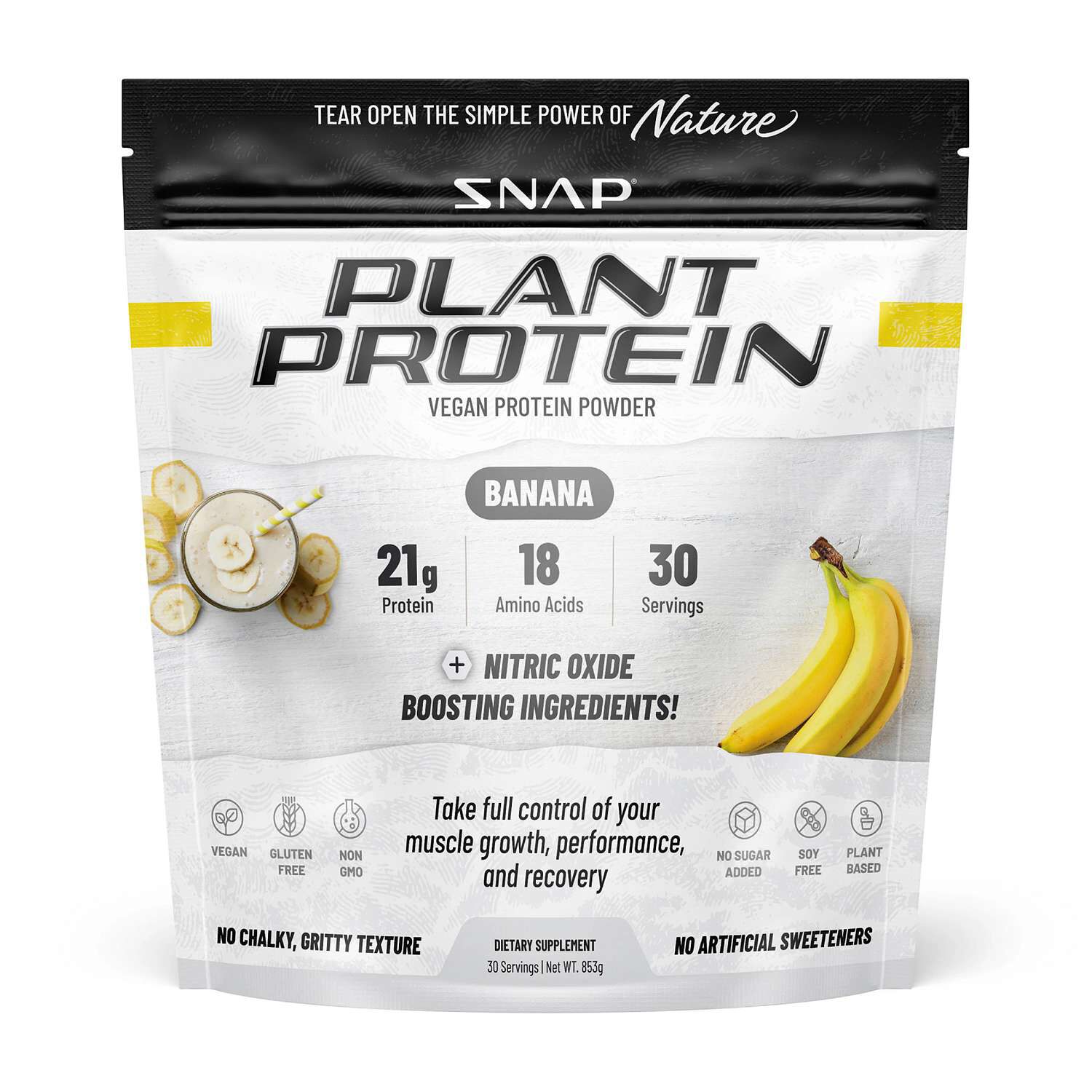
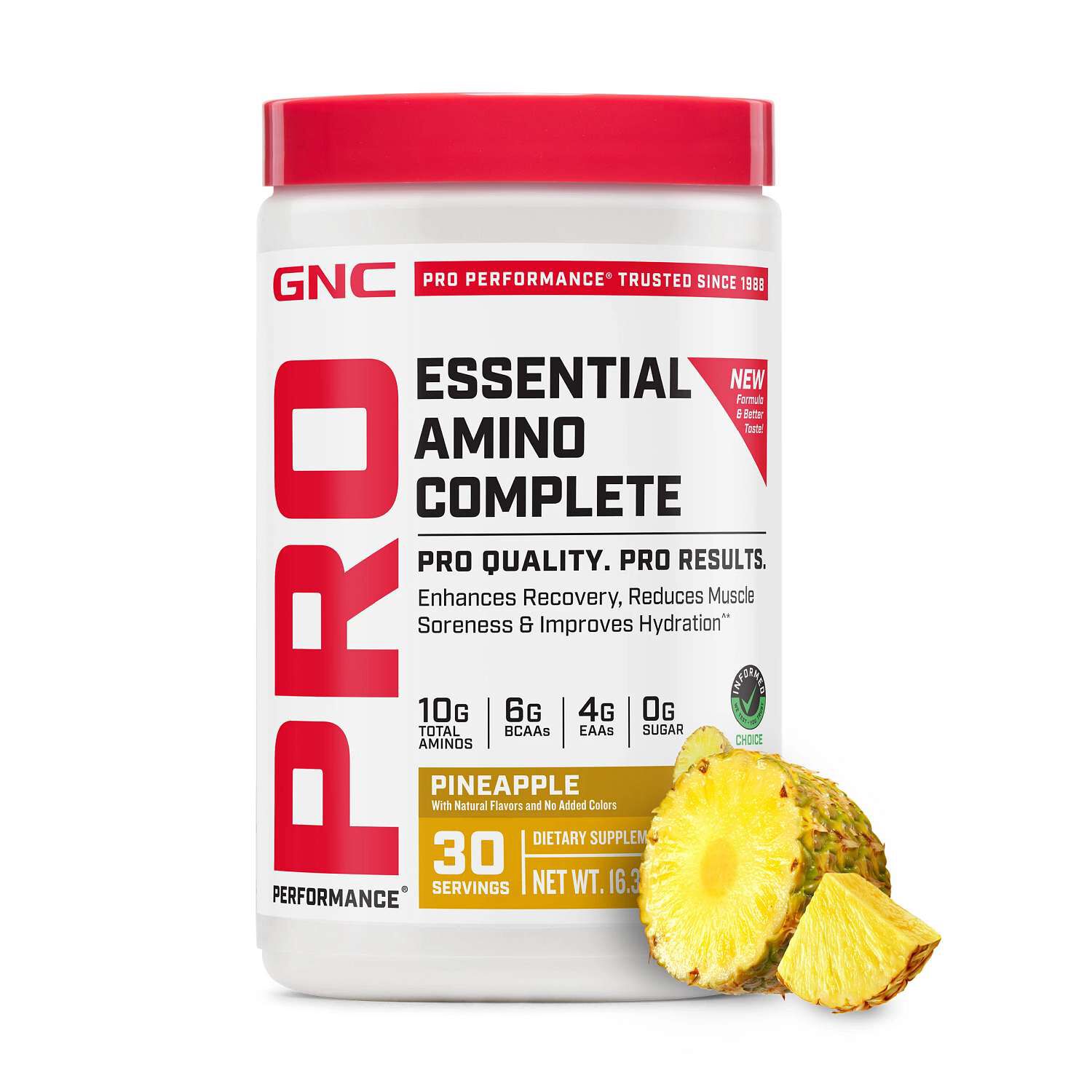
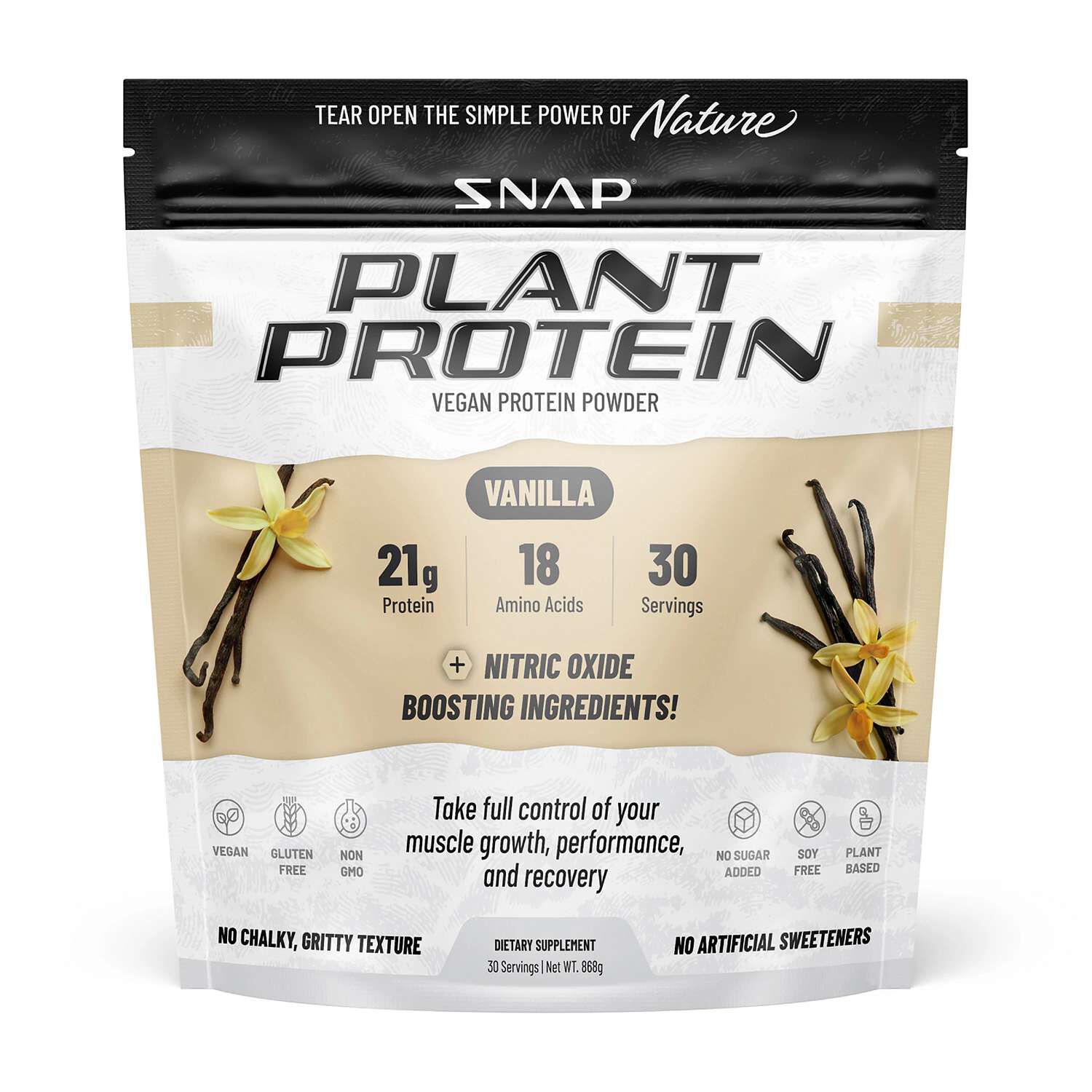
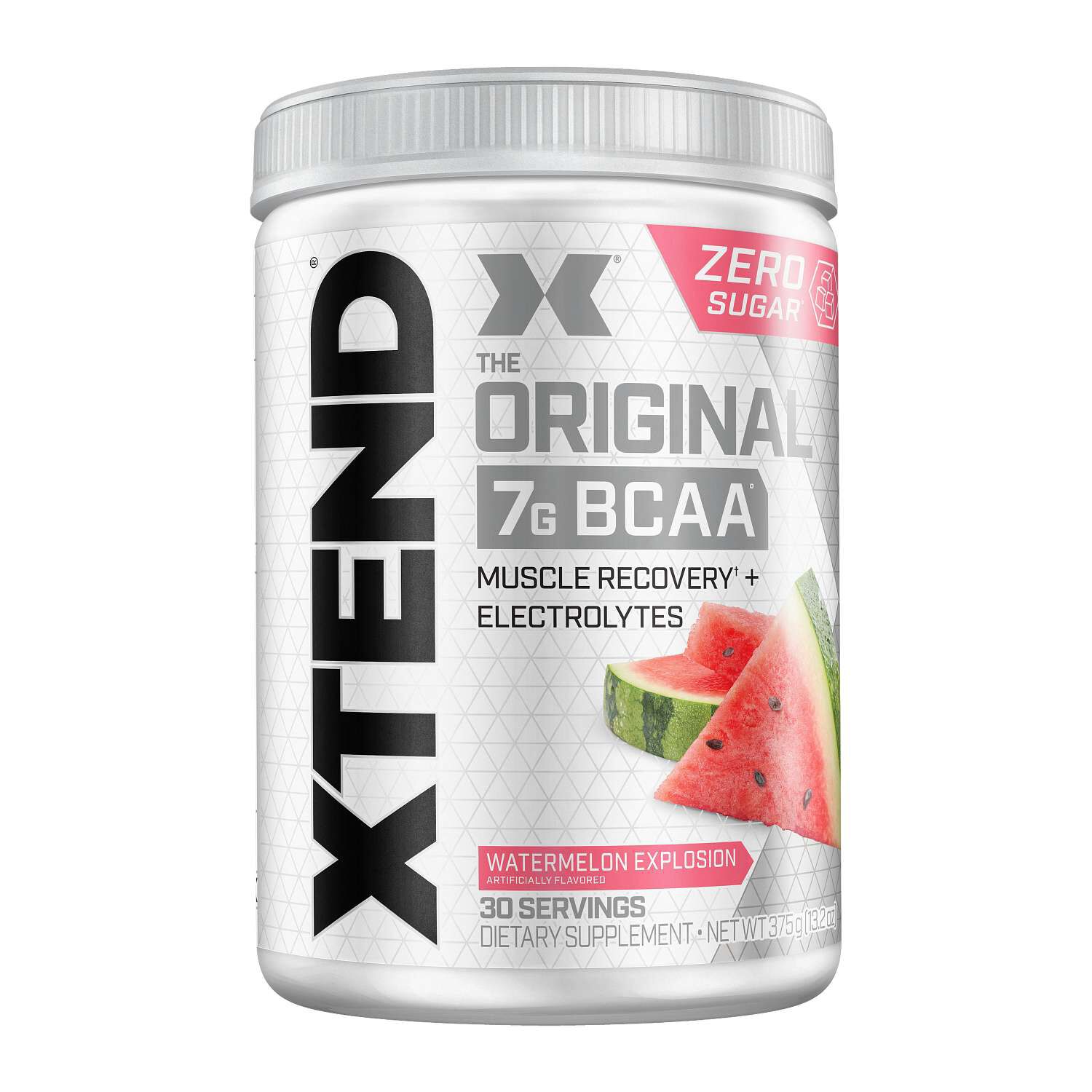
Vegetarian amino supplements are dietary supplements made with individual amino acids or amino acid blends and formulated to suit vegetarian eating preferences. Amino acids are the building blocks of protein, and this category includes focused formulas as well as blends containing the nine amino acids the body cannot make on its own. Those nine are histidine, isoleucine, leucine, lysine, methionine, phenylalanine, threonine, tryptophan, and valine. Branched-chain amino acids, commonly called BCAAs, are the smaller group of leucine, isoleucine, and valine. A BCAA formula is therefore different from a blend containing all nine, even when both come as flavored powders. Vegetarian does not automatically mean vegan: some vegetarian formulas may contain ingredients derived from milk or eggs, while vegan formulas are made without animal-derived ingredients. Amino acids may be produced through microbial fermentation using plant-based starting materials, but the production method alone does not describe every ingredient in the finished supplement. Capsule shells, flavorings, colors, and other added ingredients also matter to dietary suitability. A plant-based capsule shell, for example, does not by itself establish that everything inside the capsule meets a particular eating preference. Vegetarian or vegan labeling, ingredient details, and allergen statements offer more useful context than a flavor name or a picture of fruit on the package. For shoppers whose meals include beans, lentils, tofu, nuts, seeds, eggs, or dairy, vegetarian amino acid supplements may complement an established food routine in a convenient format. These supplements are distinct from protein powders, which typically supply protein from sources such as peas, soy, rice, milk, or eggs rather than a formula centered on separately listed amino acids. That distinction matters when comparing serving descriptions: grams of an amino acid blend and grams of dietary protein describe different aspects of a formula. The category spans many ingredient combinations, so the name on the front of a container is only part of its description.
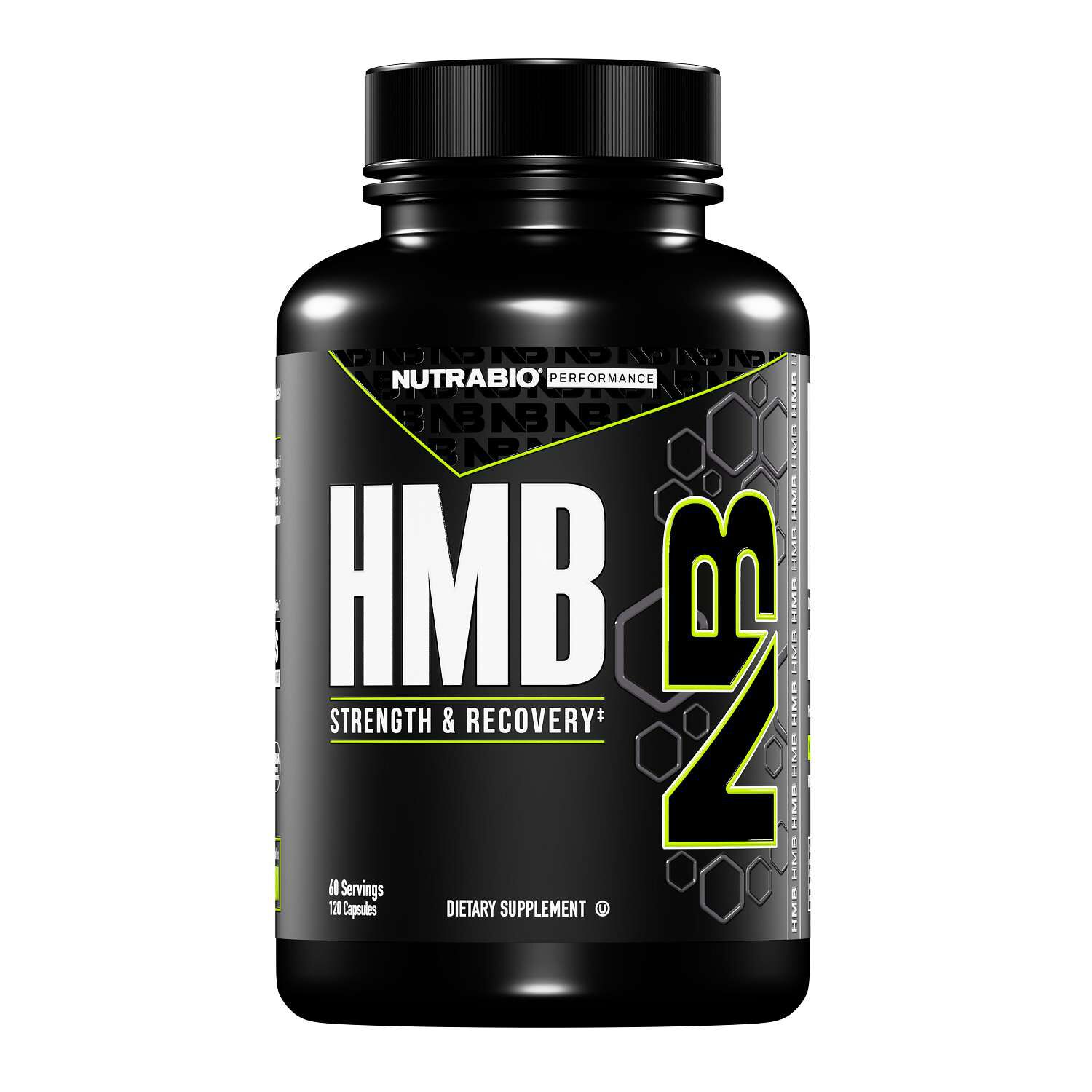
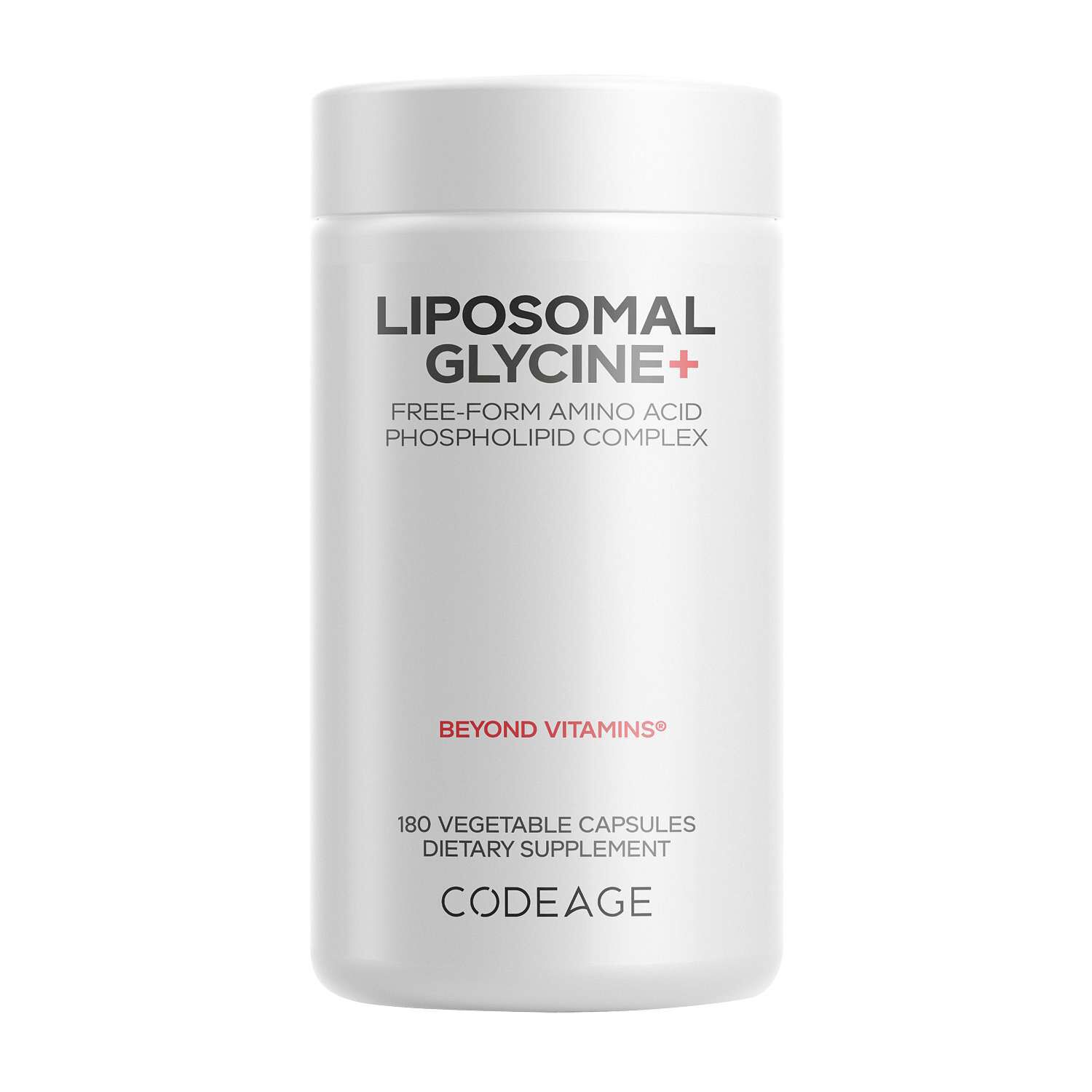
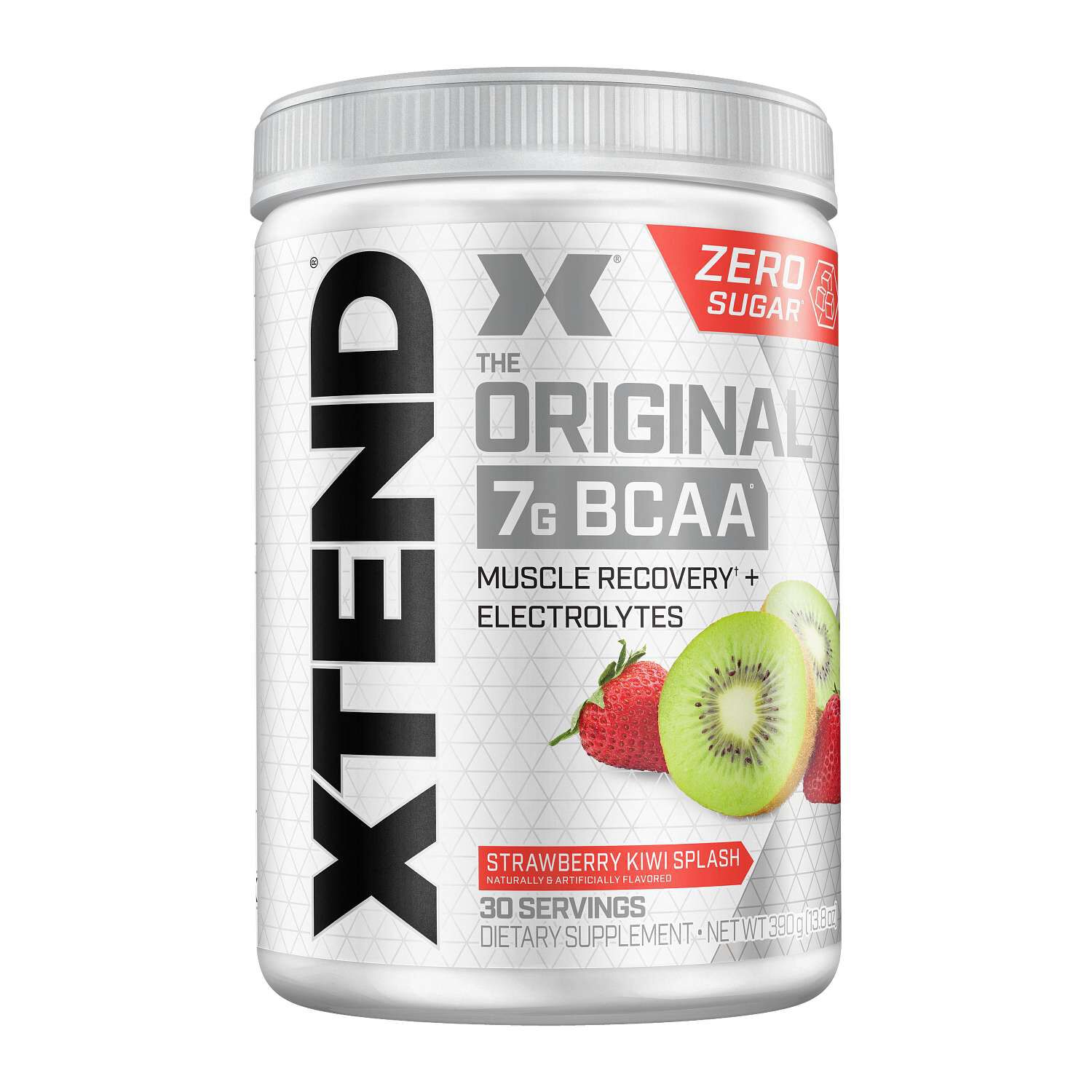
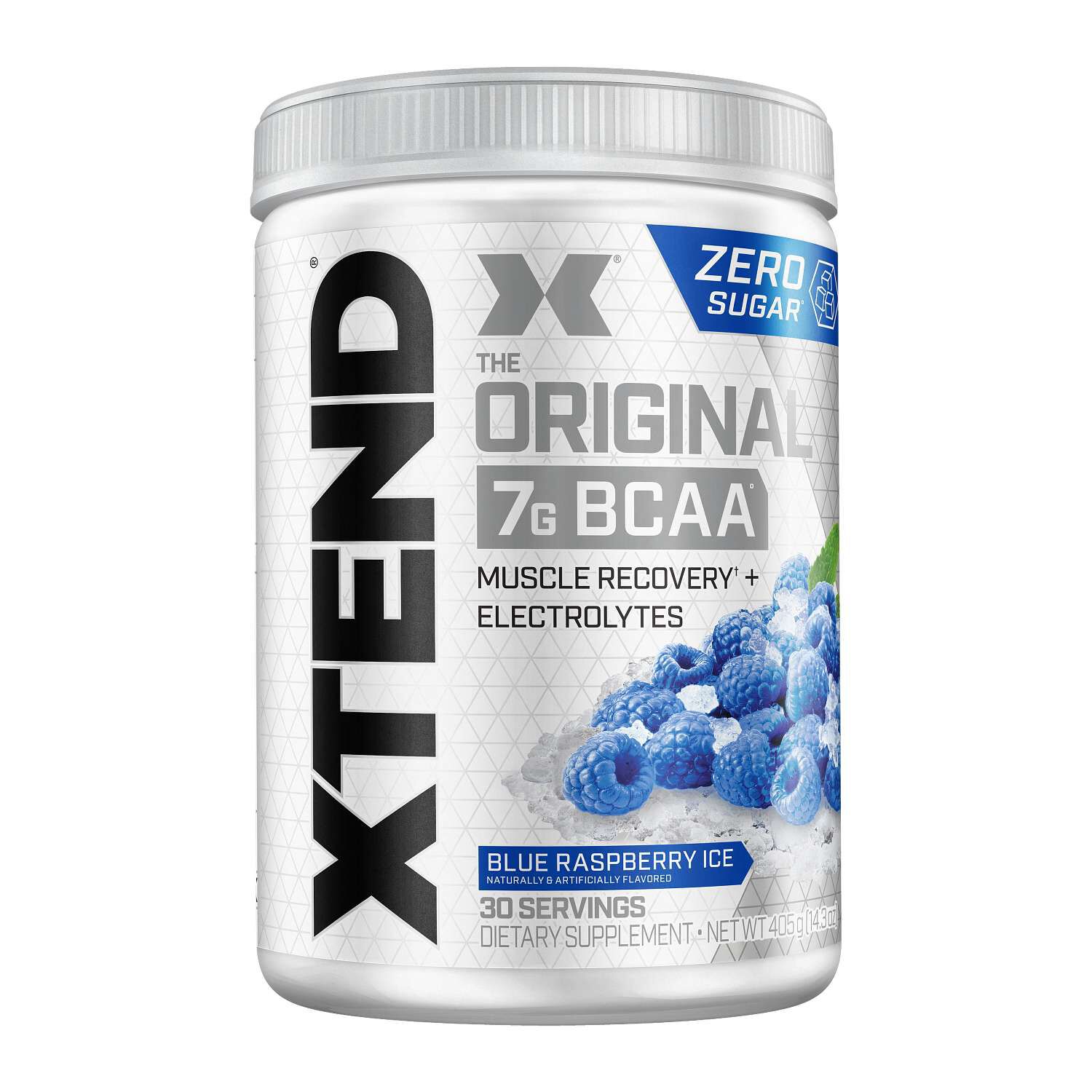
Powders, capsules, and tablets offer different ways to fit vegetarian amino supplements into everyday routines. A powder may suit someone who already mixes a drink before heading to the gym, while capsules may appeal to someone who prefers a measured format without another flavored beverage. Tablets offer another solid-format option, with dimensions and serving counts that vary by formula. The amount listed for one capsule or tablet can differ from the amount listed for a serving, making serving size an important part of any comparison. With powders, the amount of water specified on the label also shapes the drinking experience. A concentrated citrus flavor in a small shaker may taste different from the same serving prepared with more water, and some amino acids have a naturally bitter character. Unflavored does not necessarily mean tasteless, particularly when a powder is mixed into plain water rather than a smoothie or another beverage. Sweeteners, acids, and flavor ingredients contribute to the finished taste, while mixing characteristics vary with the formula and preparation method. A shaker bottle may be practical for a powder intended for shaking; other preparations may call for stirring according to the package directions. Capsule and tablet formats avoid these drink-preparation considerations, although serving count and size remain relevant to personal preference. Ingredient lists also distinguish amino-focused formulas from blends that include caffeine, electrolytes, vitamins, or other components. A fruit-flavored name does not establish whether a formula contains those additions, just as a vegetarian label does not describe its sweetness or texture. For someone moving between a morning workout, a commute, and a desk, packaging size and preparation needs may matter as much as flavor. Someone who keeps a shaker at home may prefer a different format from a person who wants a bottle that fits neatly into a gym bag. These everyday details give each format its own practical character without making one format the right choice for everyone.
The most informative comparisons between vegetarian amino supplements begin with what the label actually describes. Some formulas list amounts for individual amino acids, while others present a combined blend amount; those approaches provide different degrees of ingredient detail. A stated BCAA ratio describes the relative proportions of leucine, isoleucine, and valine, not the amount of every amino acid in the container. Likewise, a large scoop is not necessarily evidence of a larger amino acid serving, because flavoring ingredients and other components contribute to the powder’s weight. Serving size, ingredient amounts, preparation directions, and servings per container together create a clearer picture than package dimensions alone. For people following a vegetarian eating pattern, the details surrounding the formula deserve the same attention as its amino acid names. Gelatin and plant-derived capsule materials are different, and milk or egg ingredients may fit some vegetarian preferences while falling outside vegan preferences. Allergen statements and manufacturing disclosures add context where personal dietary requirements are more specific. Day-to-day care is another practical consideration: powders, capsules, and tablets each carry storage directions intended for that formulation and packaging. A dry storage location, a securely closed lid, and utensils kept away from moisture are common considerations for powdered supplements when consistent with the label. Original containers also keep ingredient information, preparation instructions, and date markings close at hand. In a shared household, that information may be particularly useful when different people follow different eating patterns. For shoppers exploring other categories organized around vegetarian preferences, Vegetarian NAD Supplements offers a separate ingredient focus; the shared dietary designation does not make the two categories interchangeable. Vegetarian amino supplements have their own range of compositions, flavors, and serving formats. Whether the intended setting is a kitchen counter beside a shaker bottle or a gym bag packed for an after-work session, a suitable choice may reflect both ingredient preferences and the practical details of an established routine.
Best Sellers

Related Pages


Top Collections
- Joint Mobility Supplement Packs
- Daily Collagen Supplements | Top Brands & Deals | GNC
- GLP 1 Support For Adults
- Zinc Supplements | Top Brands at Great Prices | GNC
- Supplements For Yoga Joint Flexibility
- Supplements For Balance
- Capsule Supplements For Energy And Stamina
- Adult Mobility Supplements
- Chronic Fatigue Supplements
- Vitamins For Hair Loss