





Vitamin E Sources
(0 Results)
Vitamin E sources come in a variety of forms, offering convenient ways to support your daily wellness routine. Whether you’re looking for softgels, capsules, or chewables, there are options that may fit seamlessly into your lifestyle. Explore a range of vitamin E sources that could help you maintain your nutritional goals, no matter where your day takes you.
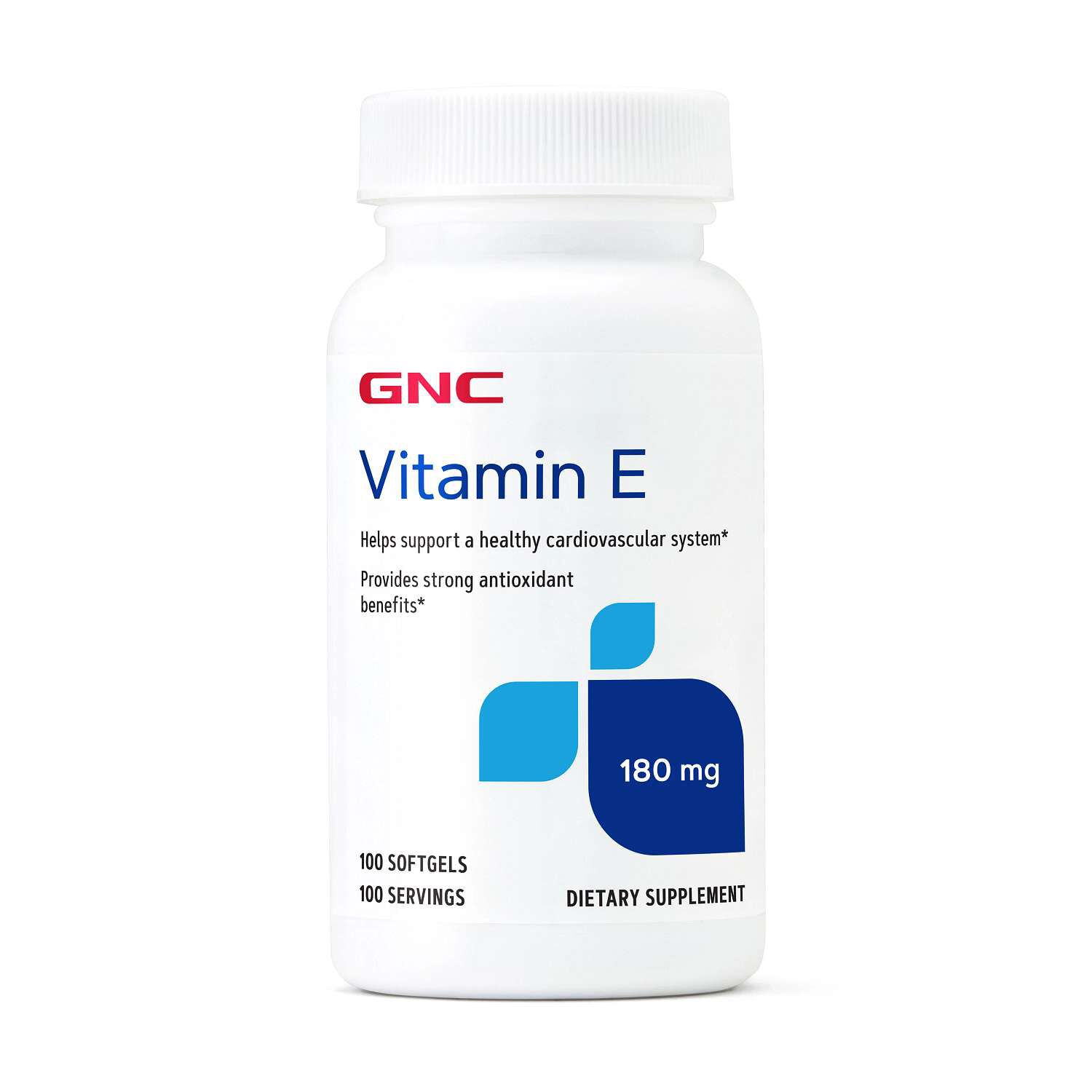


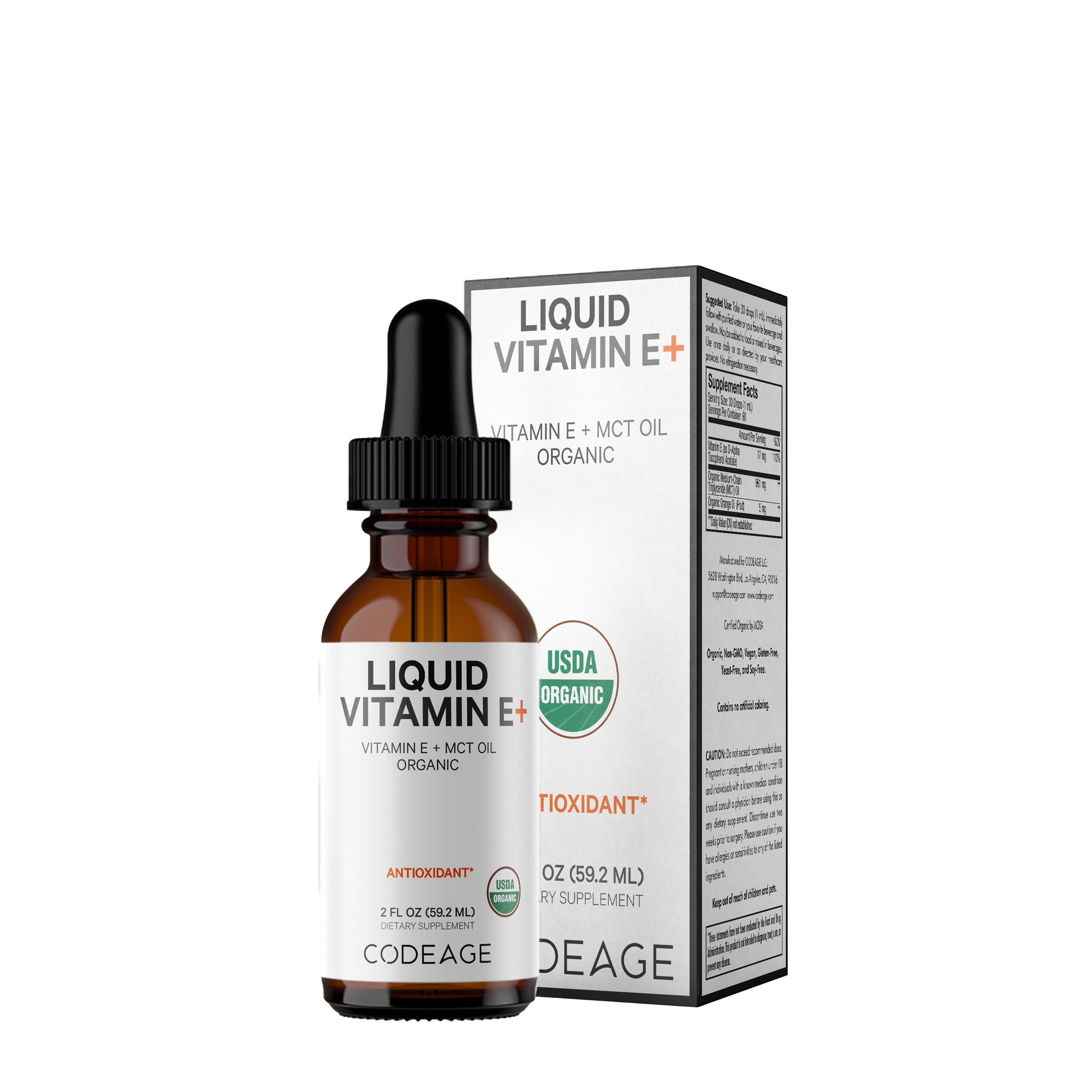
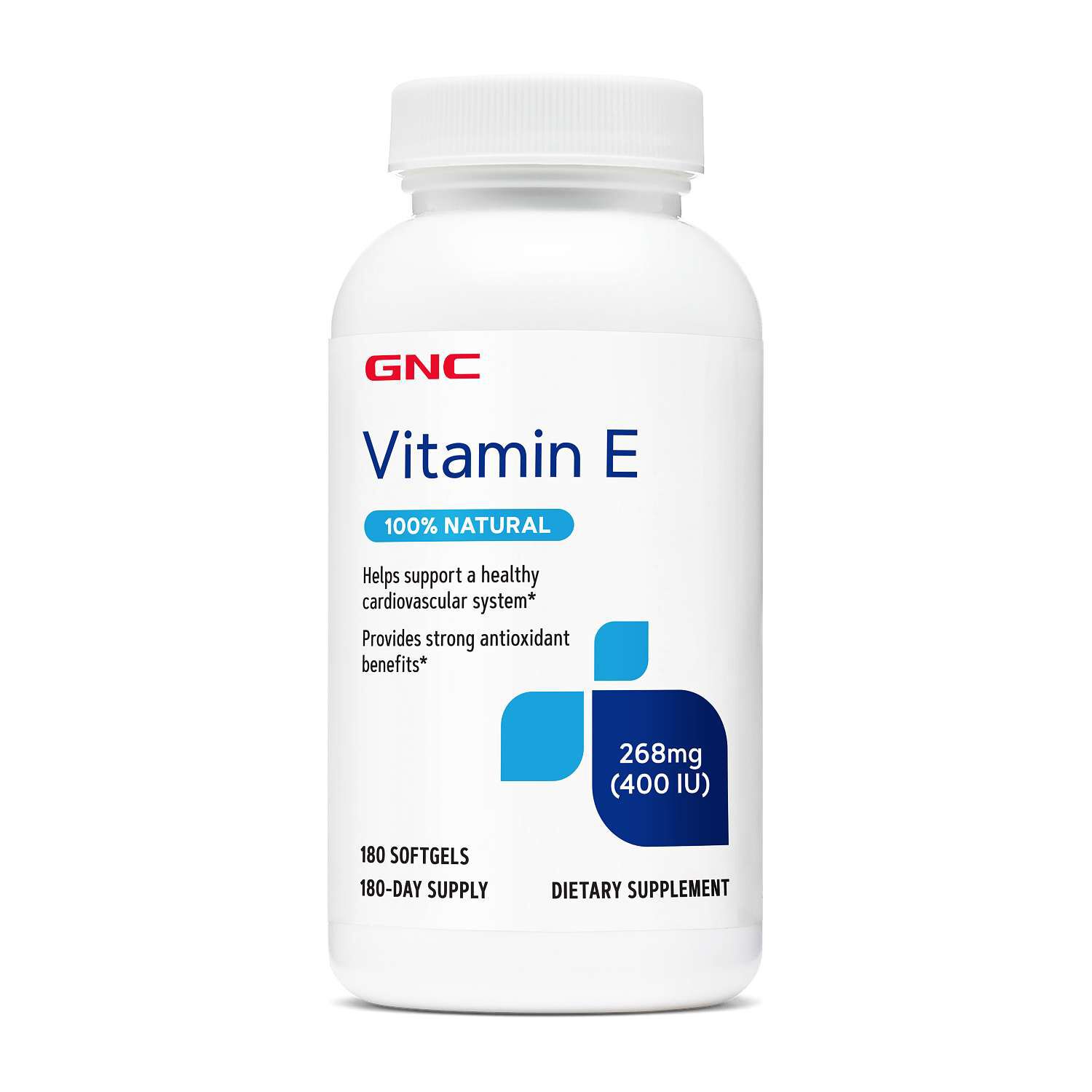


Vitamin E sources include plant oils, nuts, seeds, certain fruits and vegetables, fortified foods, and dietary supplements. Wheat germ oil, sunflower seeds, and almonds are among the most concentrated food sources. A tablespoon of wheat germ oil contains about 20 milligrams of vitamin E, while an ounce of almonds or dry-roasted sunflower seeds provides about 7 milligrams, with amounts varying by food and preparation. Sunflower and safflower oils also contain vitamin E, as do hazelnuts, peanuts, peanut butter, soybean oil, corn oil, and olive oil, although the amount differs from one source to another. Avocados, mangoes, kiwifruit, spinach, red bell peppers, and collard greens contribute smaller amounts in typical portions. Some breakfast cereals and spreads have added vitamin E; their Nutrition Facts panels provide information about the added nutrient. These familiar ingredients put vitamin E in an everyday setting: chopped almonds over oatmeal, sunflower seeds scattered across a spinach salad, or slices of avocado layered into a sandwich. Vitamin E is a fat-soluble vitamin belonging to a family of compounds called tocopherols and tocotrienols. Alpha-tocopherol is the form used to express vitamin E amounts on nutrition and supplement labels. Among supplements, vitamin E appears in single-nutrient formulas as well as multivitamins and other nutrient combinations. Food examples provide context for ingredient origins, but a supplement’s listed source and its serving amount are separate pieces of information. A formula may contain vitamin E obtained from vegetable oils, while another uses a synthetic form. The type of oil mentioned on a label does not, by itself, establish how much vitamin E is in a serving. A carrier oil can be present as part of the formulation without representing the main source of its labeled vitamin E. Botanical source statements, ingredient names, and the amount listed in Supplement Facts together describe what is being compared.
Vitamin E supplements come in several formats, including softgels, capsules, tablets, chewables, and liquids. Softgels commonly contain an oil-based filling enclosed in a flexible shell, while capsules and tablets have different structures and ingredient combinations. Liquid formats use a measured serving rather than a capsule count, and chewable formats may include flavorings or sweeteners. Those differences matter for shoppers with preferences about texture, taste, serving preparation, and capsule size. A single-nutrient formula centers on vitamin E, while a multivitamin includes it alongside other vitamins and minerals. Neither a larger capsule nor a longer ingredient list indicates how much vitamin E a serving contains. Supplement Facts identifies the serving size, the amount of vitamin E, and its percentage of the Daily Value. The amount per serving is not always the amount per individual softgel, tablet, or chewable, making serving size an important part of a comparison. Milligrams and older International Unit measurements are different systems; their relationship depends on the form of vitamin E, so matching numbers alone can be misleading. Ingredient names offer additional detail. Naturally sourced alpha-tocopherol is often identified with a “d-” prefix, while synthetic alpha-tocopherol commonly carries a “dl-” prefix. Labels may also name tocopheryl acetate or tocopheryl succinate. Mixed tocopherol ingredients can contain several members of the tocopherol family, but the blend name alone does not establish the declared vitamin E amount. Materials surrounding the nutrient deserve attention as well. A softgel shell may contain gelatin, while another format uses plant-based capsule materials. Carrier oils, colorings, flavorings, and other ingredients appear outside the main nutrient listing. A plant-derived vitamin E ingredient does not automatically mean every component of the finished supplement is plant-based. Source information and allergen statements are especially relevant when formulations involve soy or when shoppers avoid particular ingredients. These label details distinguish the nutrient itself from the materials used to package it into an everyday supplement format.
The intended use of a vitamin E supplement is to supplement dietary intake, not to stand in for the variety of foods that contain the nutrient. Adults browsing this category may be comparing a standalone vitamin with a multivitamin, looking for a particular ingredient origin, or considering a format that fits an established routine. Someone who prefers capsules has different practical considerations from someone comparing flavored chewables or measured liquids. A bottle kept alongside breakfast dishes also has different packaging considerations from one packed for travel: closure style, container size, and clearly printed directions are tangible details beyond the nutrient name. Shoppers browsing by audience can also explore Vitamin E For Women, where the same distinctions between source, serving amount, capsule materials, and format remain relevant. An audience-focused category identifies whom a formula is marketed toward; its label provides the specific composition and intended use. Storage and handling are another part of evaluating supplement formats. Packaging directions describe appropriate storage, and the original container keeps the ingredient information, serving directions, and best-by date together. Moisture and direct sunlight are common storage considerations, particularly for products kept near a kitchen sink or on an exposed countertop. A secure closure and an intact package matter throughout everyday use. Vitamin E also appears in personal-care formulations, but an ingredient listed in a topical product is not a dietary source, and those products have a different intended use from ingestible supplements. For oral supplements, the useful comparison remains grounded in the declared nutrient and the format surrounding it. Food origin describes where an ingredient comes from; Supplement Facts describes the amount in a serving; the remaining ingredient list describes the formulation. Keeping those distinctions visible makes the category more understandable without treating every plant oil, mixed ingredient blend, or vitamin-containing product as interchangeable.
Best Sellers

Related Pages

Top Collections
- Joint Mobility Supplement Packs
- Daily Collagen Supplements | Top Brands & Deals | GNC
- GLP 1 Support For Adults
- Zinc Supplements | Top Brands at Great Prices | GNC
- Supplements For Yoga Joint Flexibility
- Supplements For Balance
- Capsule Supplements For Energy And Stamina
- Adult Mobility Supplements
- Chronic Fatigue Supplements
- Vitamins For Hair Loss