





Weight Gaining Bars
(0 Results)
Fuel your journey toward your goals with weight gaining bars, a convenient option for those looking to support their calorie intake throughout the day. These bars may fit easily into busy schedules and could be enjoyed as part of a balanced routine. With a variety of flavors and formats available, weight gaining bars might offer an easy way to help you stay on track wherever life takes you. Explore options that may suit your preferences and lifestyle needs.
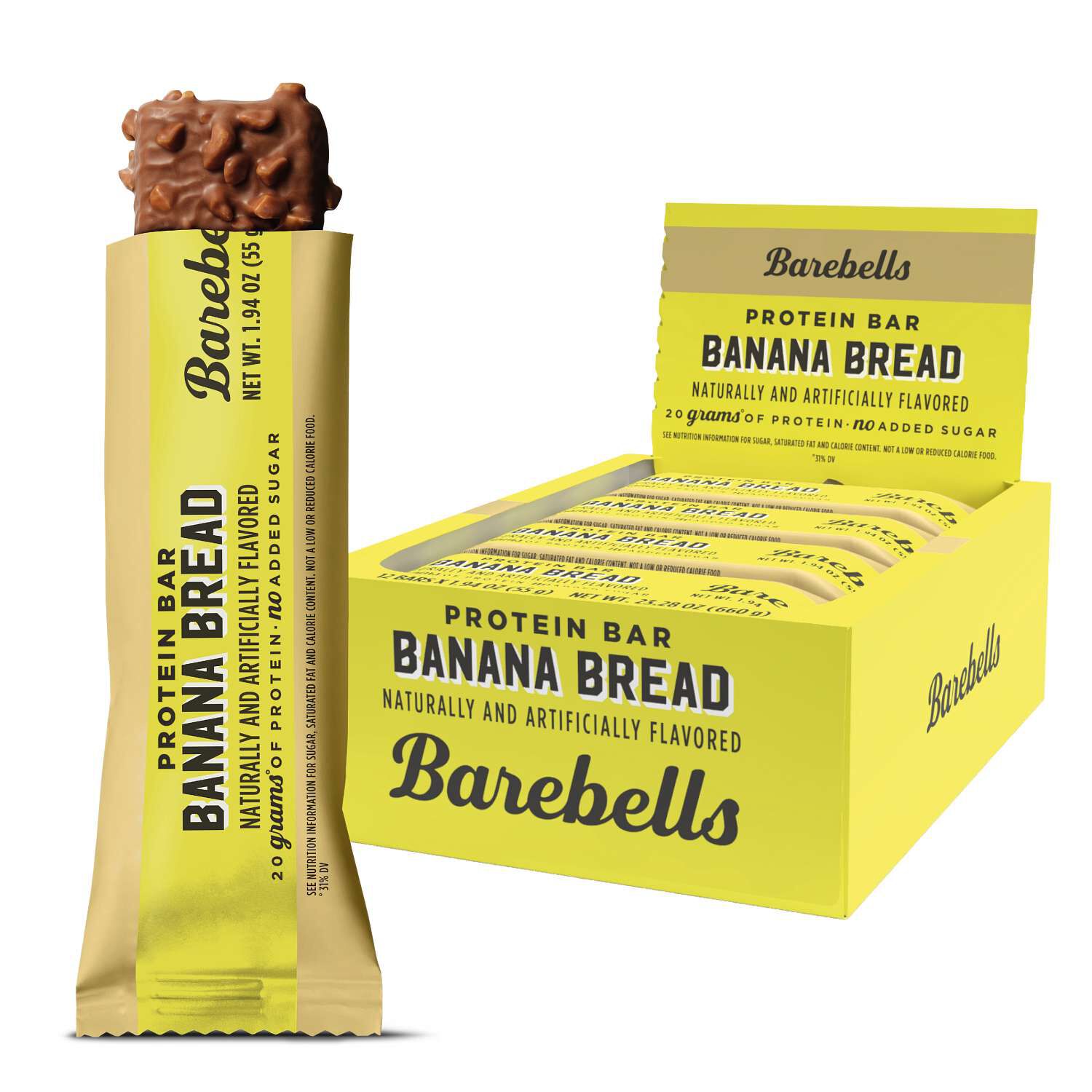
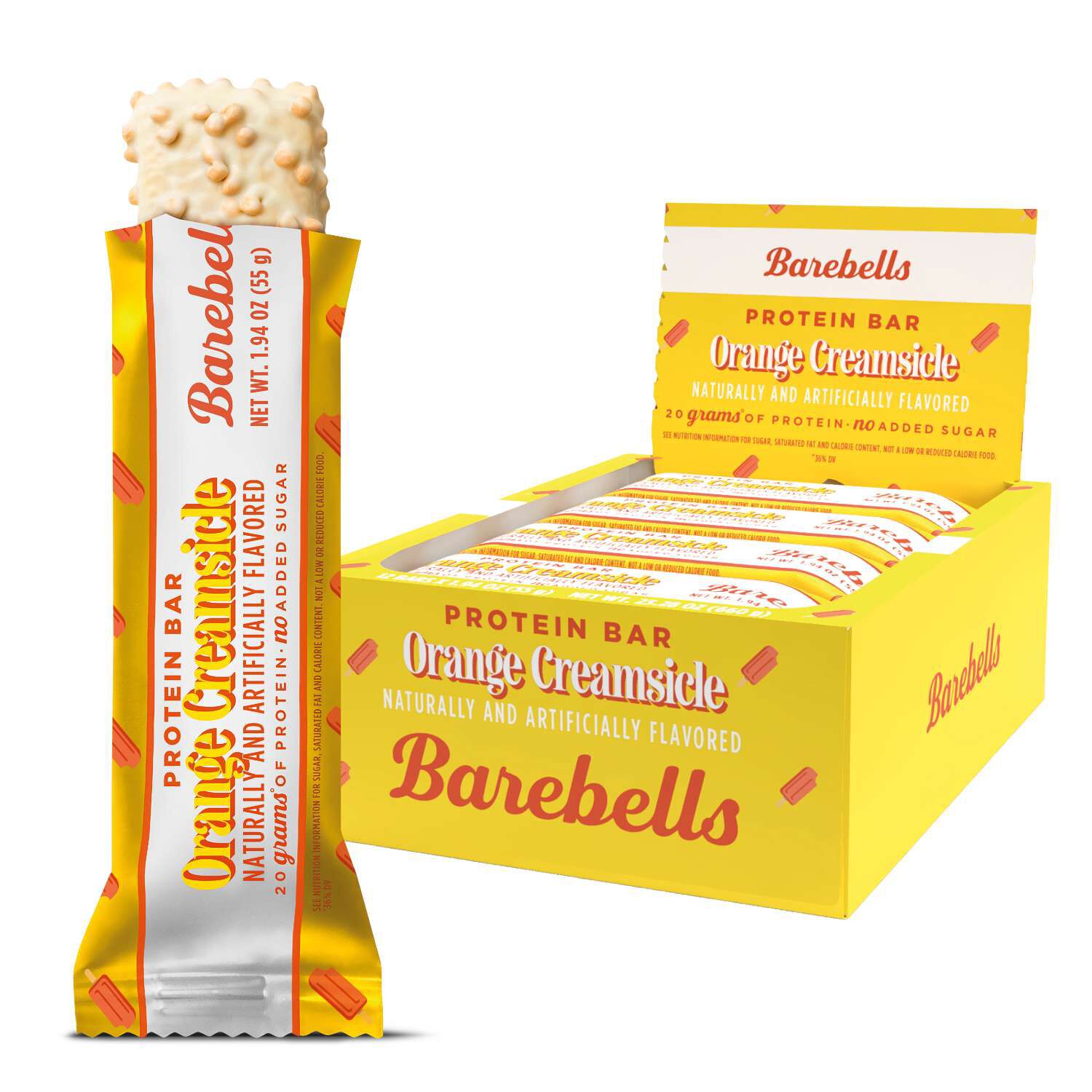

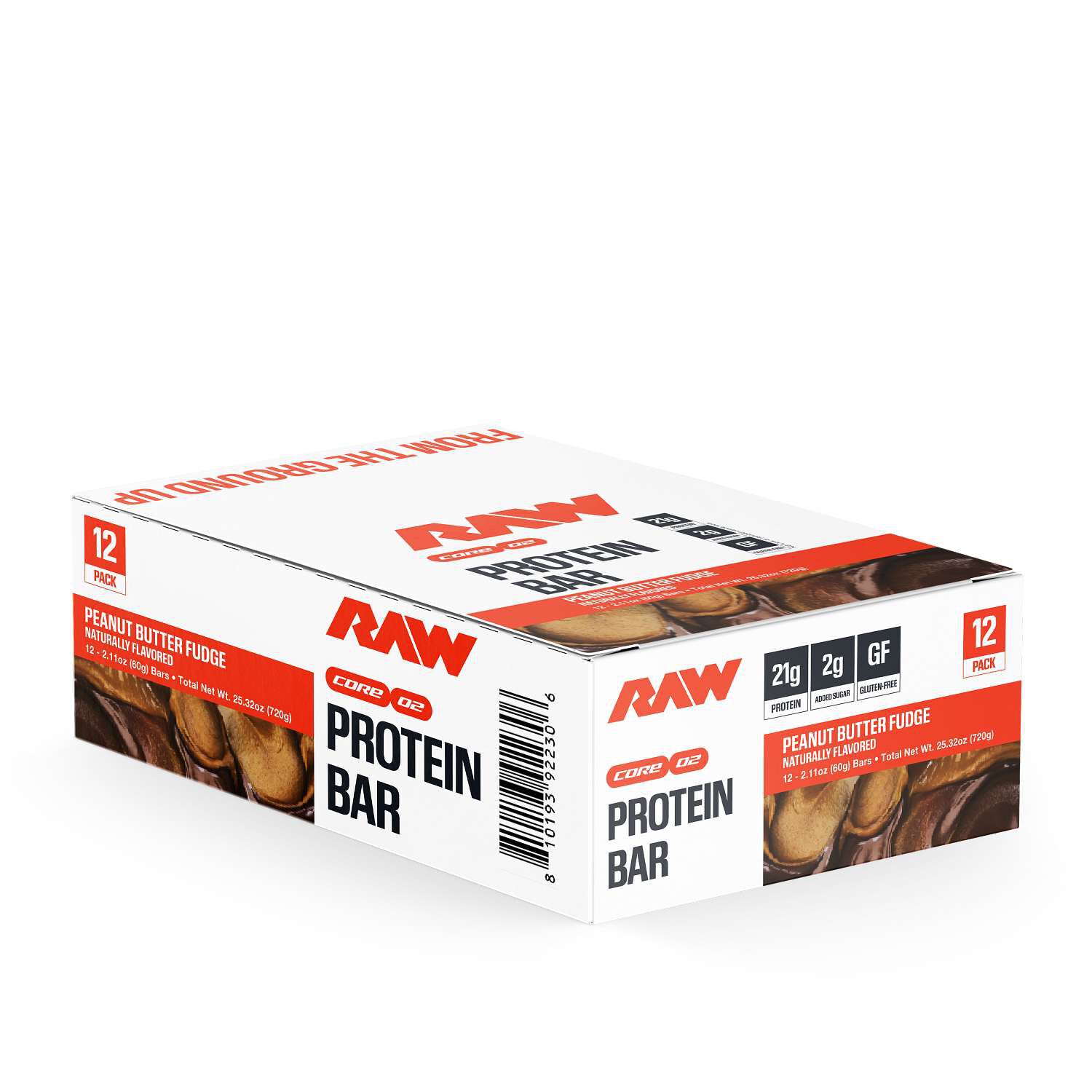


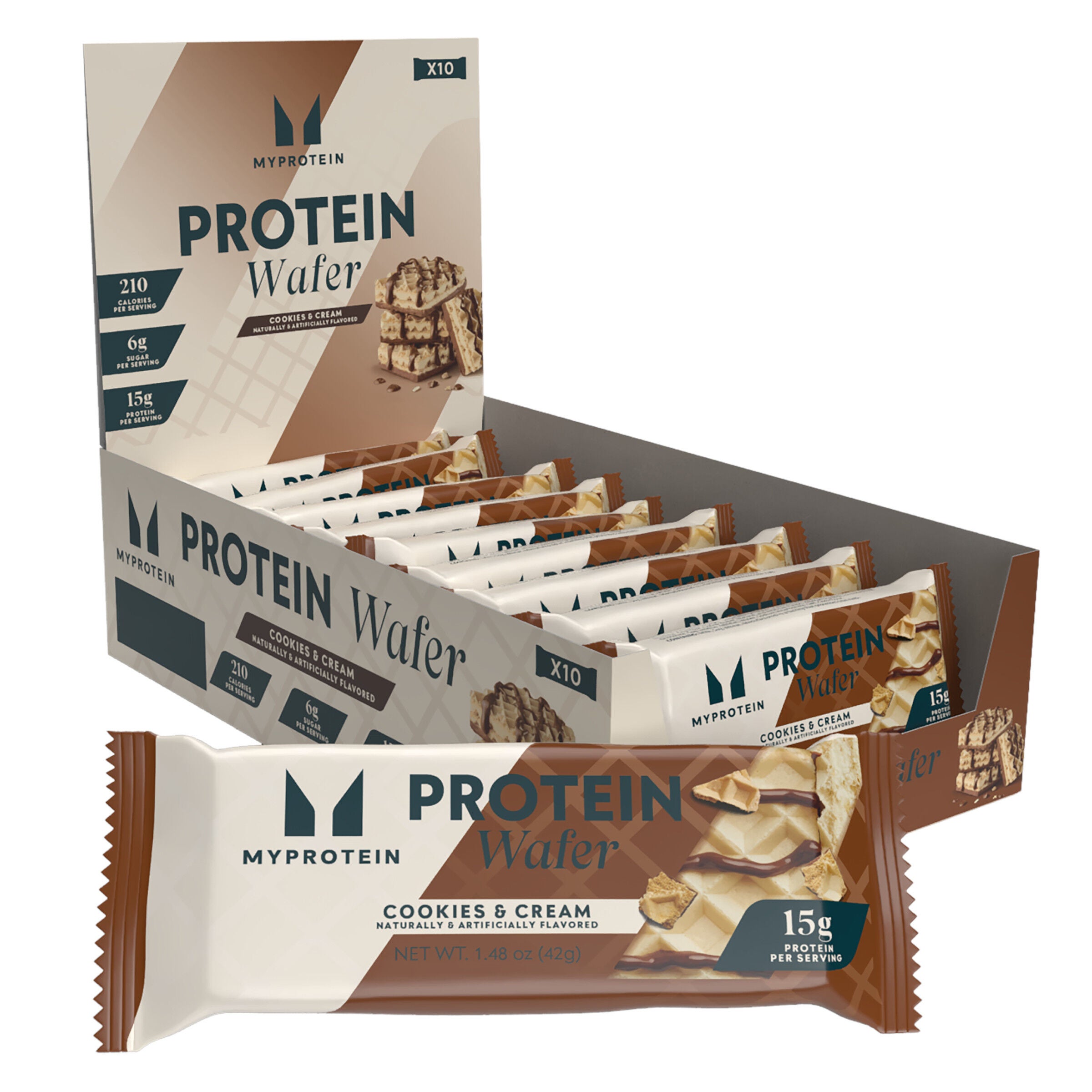
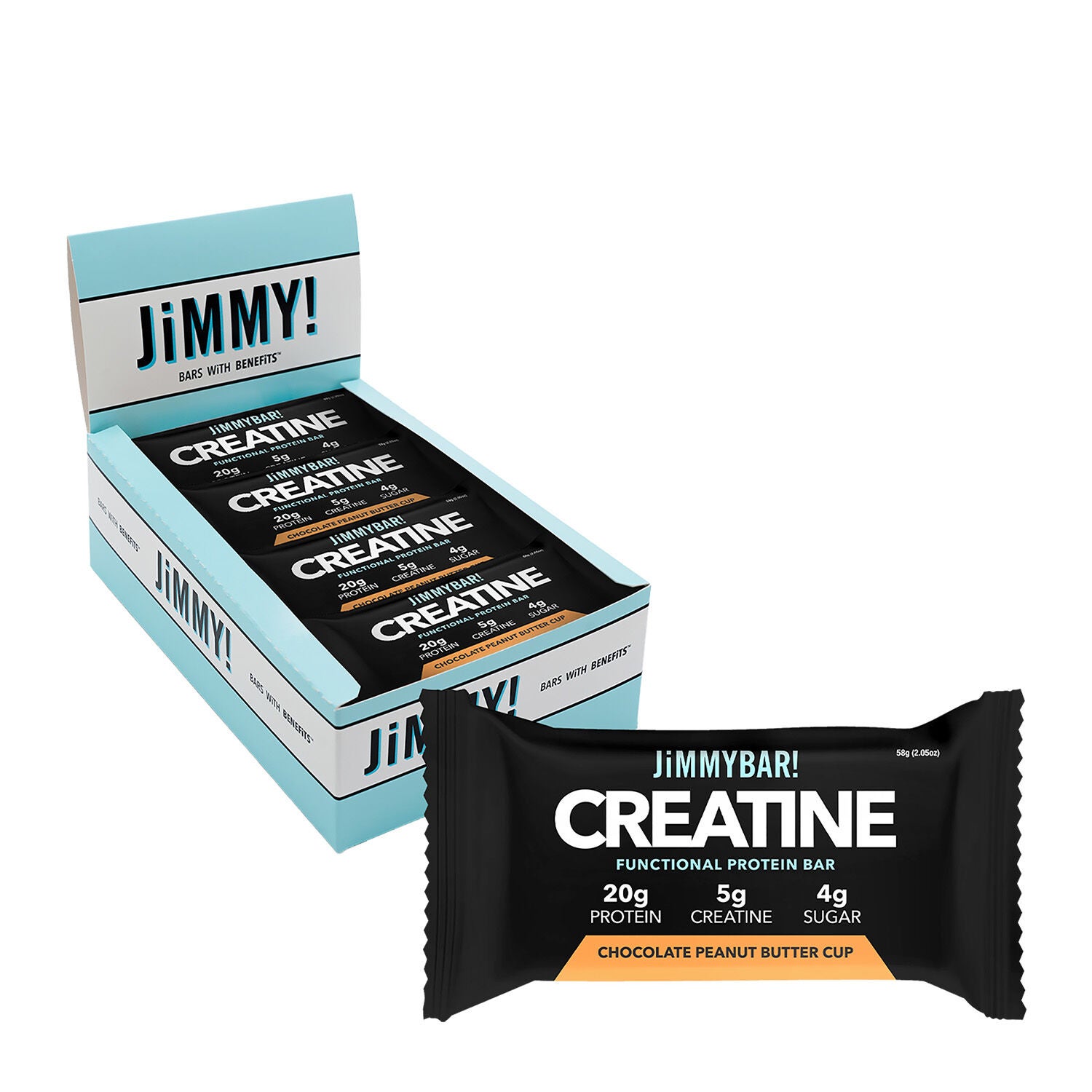
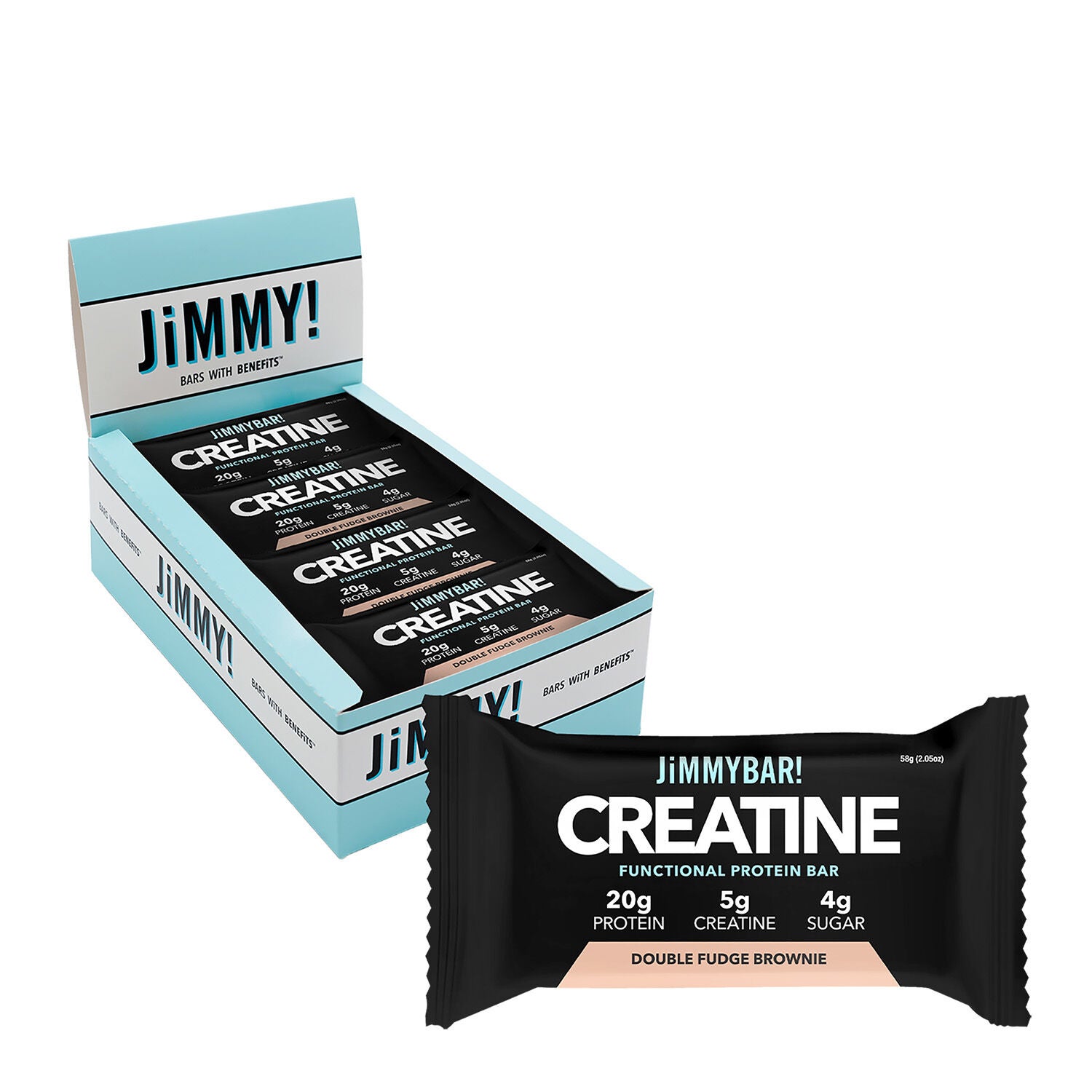
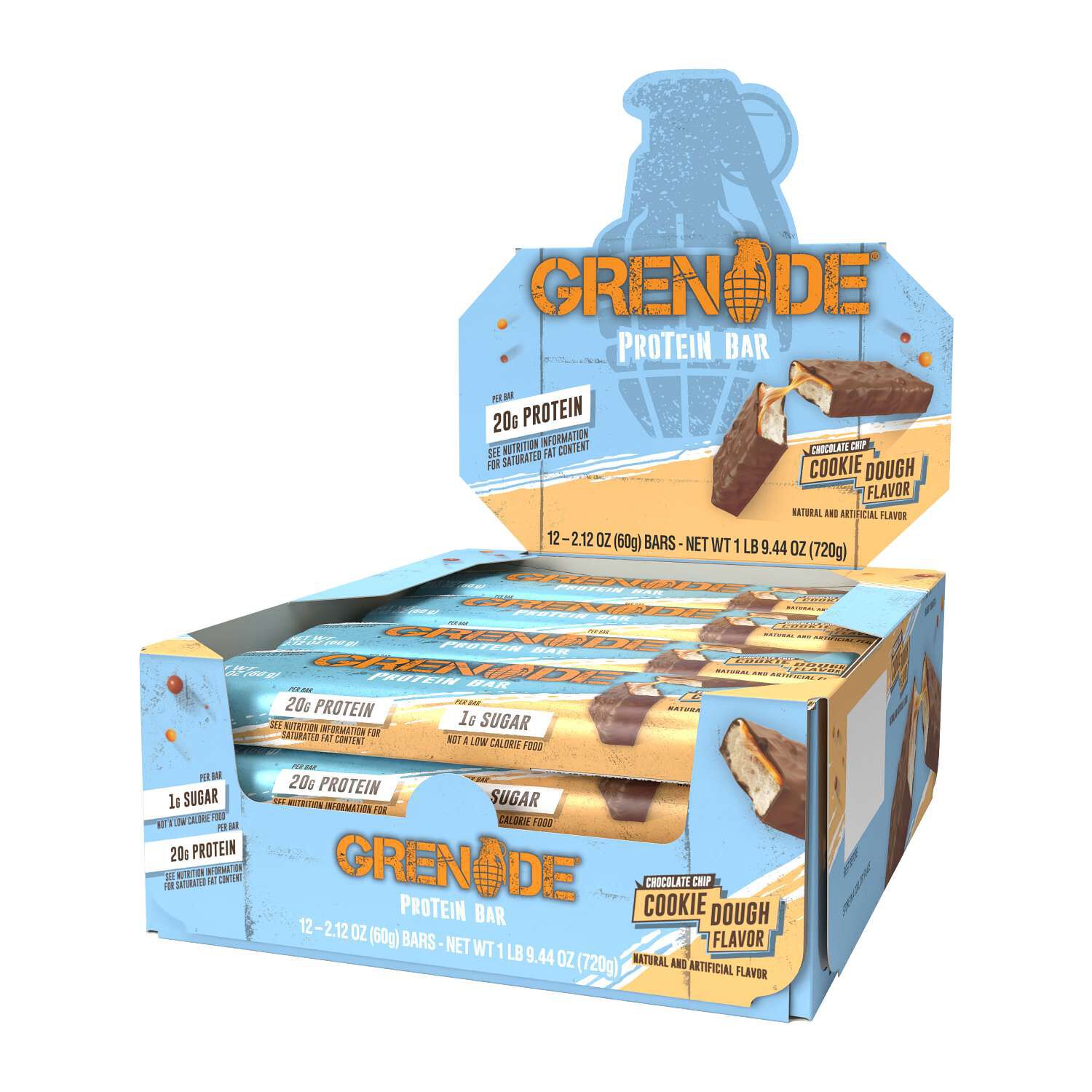
Weight gaining bars are calorie-dense packaged snacks intended for eating routines that include additional calories alongside regular meals. They typically combine protein, carbohydrates, and fat in a compact format, with recipes ranging from chewy oat-and-nut mixtures to layered bars with a soft center and a chocolate-style coating. For someone working toward a higher calorie intake, a bar may offer a manageable addition between breakfast and lunch, after a workout, or during a long stretch away from the kitchen. The category overlaps with protein bars and meal-style bars, but those names do not describe the same nutritional profile. A bar with a substantial amount of protein is not necessarily high in calories, and a larger wrapper does not always indicate a larger serving. Some larger bars contain roughly 300 to 400 calories per serving, while other recipes fall below or above that range. The nutrition panel gives a more useful comparison than the category name alone: calories per serving, serving size, protein, carbohydrates, fat, and added sugars all describe different aspects of the food. The number of servings in a package also matters, especially when one wrapped portion contains more than one labeled serving. Comparing calories by the portion someone expects to eat may make the differences between bars clearer. Weight gain depends on eating patterns over time, so a single snack is only one part of that picture. These bars may fit as additions to varied meals rather than substitutes for the variety of foods eaten throughout the day. Their compact shape may appeal to people who prefer a small packaged snack over another large food container. A commuter with a packed lunch, a recreational lifter carrying a gym bag, or someone with a short afternoon break might use the same type of bar in different ways. The relevant distinction is how its serving size and nutritional makeup fit the rest of the eating routine, not simply whether the package emphasizes protein or calories.
Ingredients account for much of the difference in flavor, texture, and calorie density among weight gaining bars. Oats and other grains often form a chewy base, while nuts, seeds, and nut butters contribute fat, texture, and a roasted flavor. Dried fruit may add sweetness and a dense, slightly sticky bite. Protein ingredients can include whey, milk protein, soy, pea protein, or blends of several sources. Those choices are useful distinctions for shoppers comparing dairy-based and plant-based recipes, although a plant-based protein source does not by itself describe every ingredient in the finished bar. Carbohydrates and protein each contain about four calories per gram, while fat contains about nine, which helps explain why two bars with similar protein amounts can have different calorie counts. A recipe with a generous amount of nuts or nut butter may have a different nutritional profile from one built around a protein blend and a thin coating. Added sugars, fiber, and sugar alcohols are other label details worth considering according to personal preferences and familiar eating habits. No single ingredient tells the whole story, and a short ingredient list does not automatically mean a higher calorie serving. Taste and texture deserve attention as well, particularly for a snack someone expects to eat often. Dense, fudgy centers, crisp grain pieces, chopped nuts, and smooth coatings create noticeably different experiences. A person who enjoys a chewy oatmeal cookie may gravitate toward an oat-based texture, while someone who prefers a candy-bar-style snack might favor layers and a coating. Ingredient and allergen statements remain important for anyone avoiding milk, soy, peanuts, tree nuts, wheat, eggs, or sesame; recipes and manufacturing statements vary. For a comparison centered more closely on protein content, High Protein Bars offers a related category to consider alongside calorie-focused options. The distinction is useful because protein content, portion size, and calorie density are separate characteristics, even when they appear together in the same bar.
Practical details often determine whether a weight gaining bar fits comfortably into an everyday routine. An individually wrapped serving may be convenient for a desk drawer, a work tote, or a bag packed before an early start. A sturdy wrapper and a firm texture may suit a crowded backpack, while a softer, layered bar might be preferable when it can stay in a separate compartment. Coated bars, crumbly grain bars, and dense fruit-and-nut bars handle travel differently, so packaging and texture matter beyond the first bite. The storage directions and best-by information on the package are the appropriate reference points for keeping an unopened bar, and the original wrapper keeps the ingredient and nutrition information close at hand. Once a package is opened, its directions should guide storage of any remaining portion. Serving format matters here, too: a large bar divided into sections may be convenient for someone who prefers two smaller eating occasions, provided the portions are understood in relation to the label. The same consideration applies when pairing a bar with another snack or a beverage, since those additions have their own nutritional information. For someone heading from work to an evening workout, a bar could be one part of the food packed for the gap between lunch and dinner. On a busy day of errands, it might accompany fruit or another familiar snack rather than stand in for a full meal. Eating preferences are personal, and a very dense or especially sweet bar may not suit every occasion. Familiar flavors, a comfortable portion size, and a texture someone genuinely enjoys may make a particular style more appealing for repeated use. Comparing those everyday details alongside calories and macronutrients keeps the focus on the whole eating experience. Weight gaining bars may serve as a practical packaged option within a broader food routine, with meaningful differences in ingredients, serving sizes, flavor, and portability across the category.
Best Sellers
-
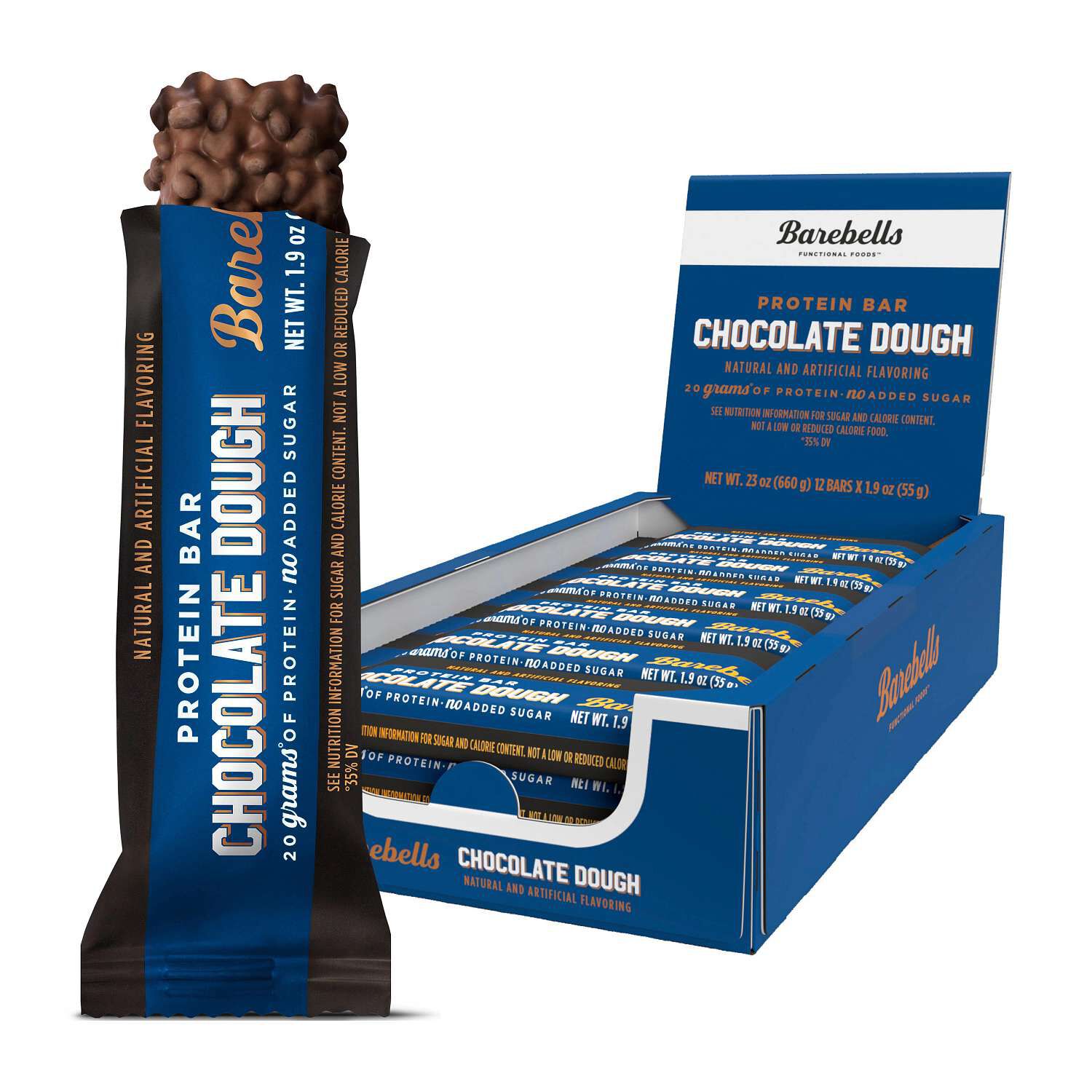 Barebells
-
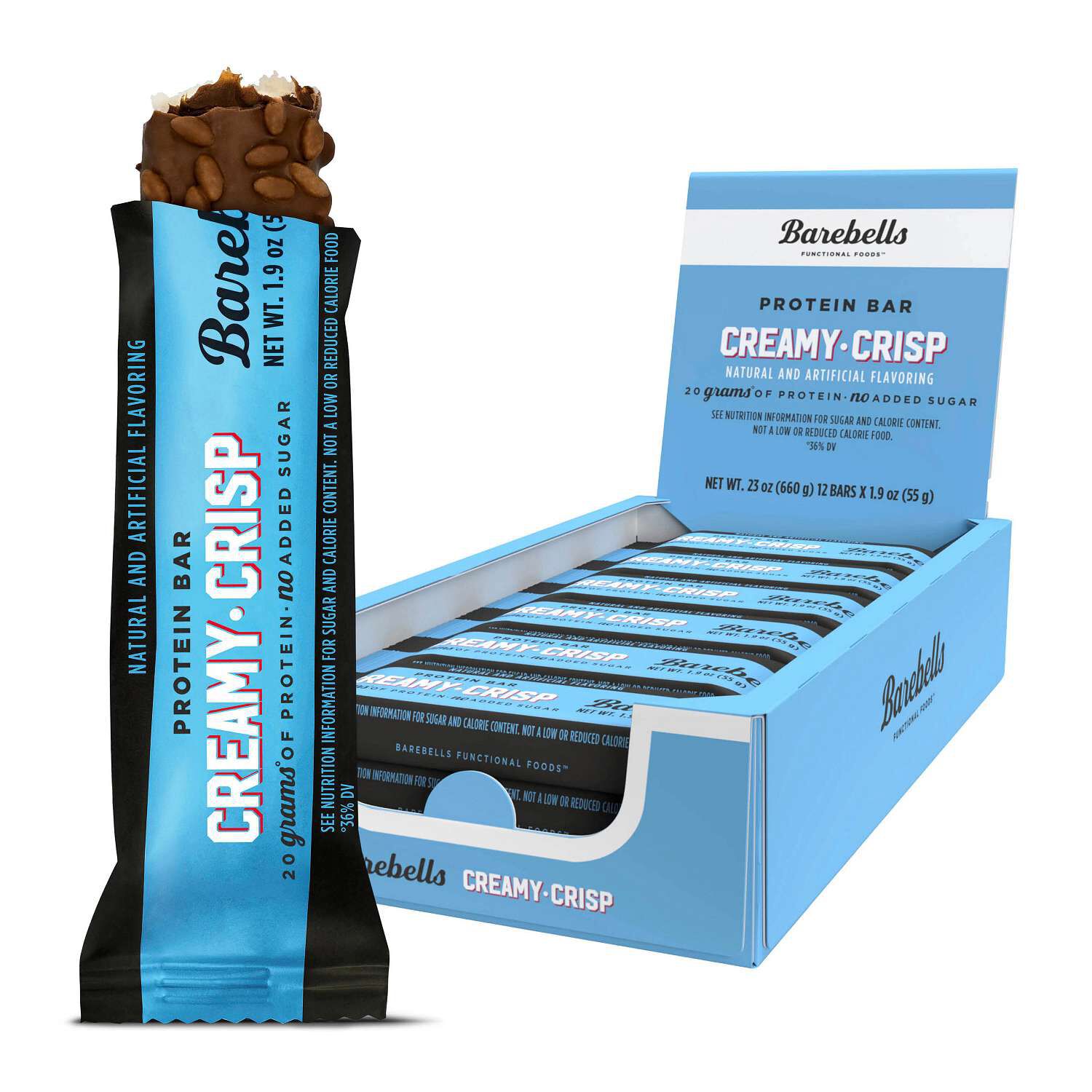 Barebells
-
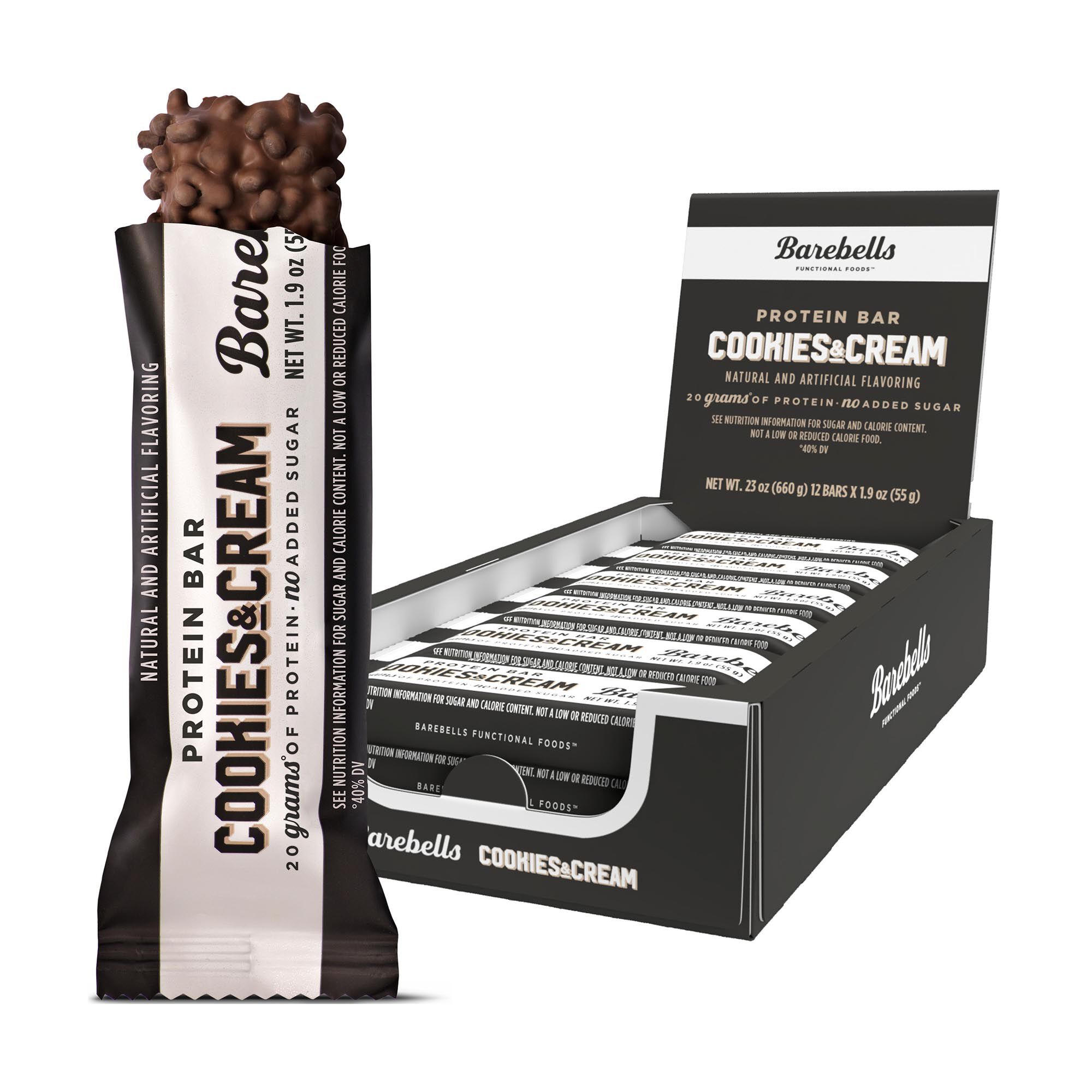 Barebells

Related Pages


Top Collections
- Zinc Supplements For Men
- Supplements For Yoga Joint Flexibility
- Protein for Adults
- Chronic Fatigue Supplements
- Supplements For Balance
- Vitamins For Hair Loss
- Capsule Supplements For Energy And Stamina
- Daily Collagen Supplements | Top Brands & Deals | GNC
- Burnout Support Supplements
- Natural Inflammation Supplements