Whey For Vegans
(0 Results)
Whey for vegans offers a unique approach for those seeking plant-based alternatives to traditional whey protein. Explore a range of options that may fit seamlessly into your active lifestyle and wellness routine. Whether you are looking to support your fitness goals or simply want more variety in your daily nutrition, whey for vegans provides choices that align with your dietary preferences. Discover convenient ways to incorporate these selections into your day-to-day meals and snacks.

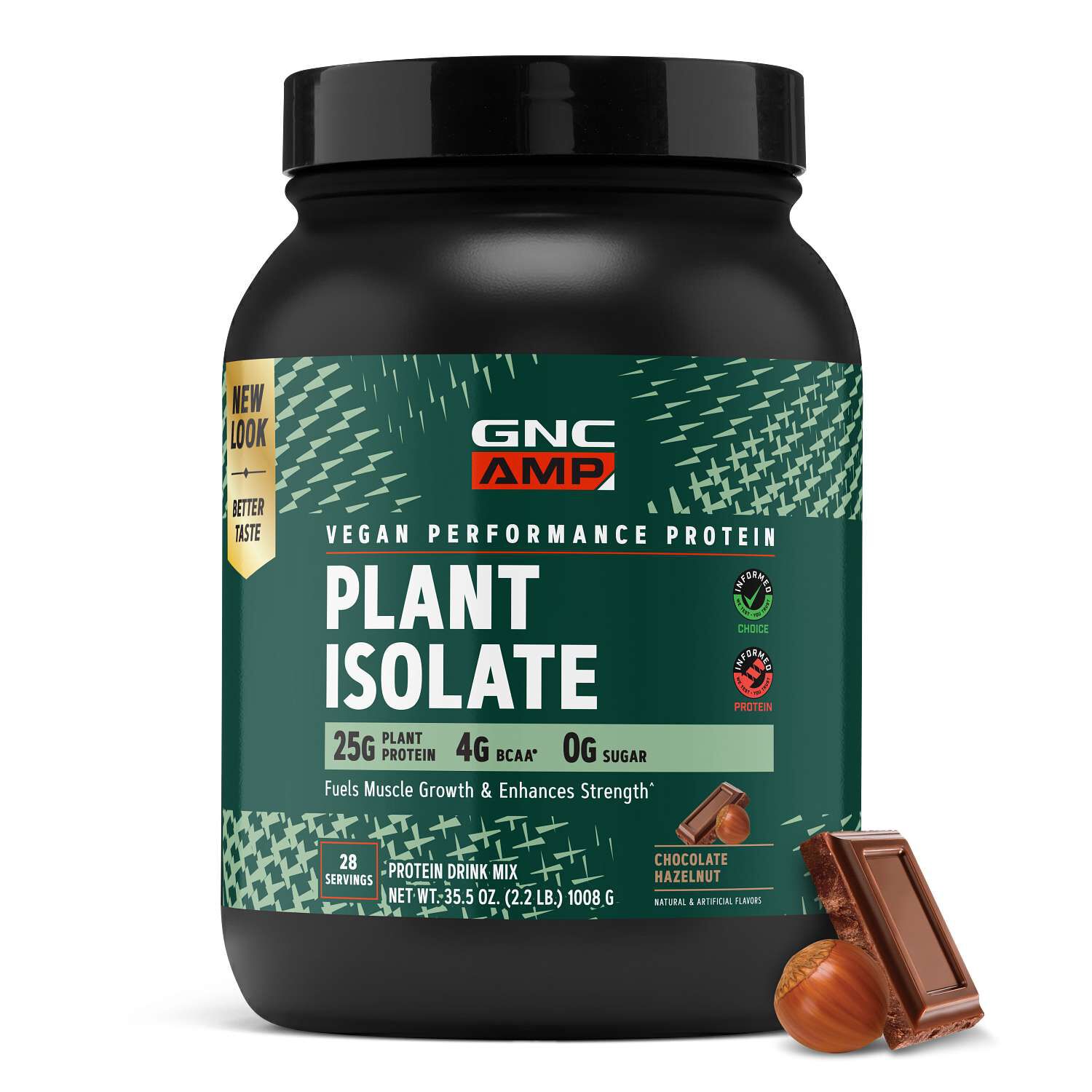
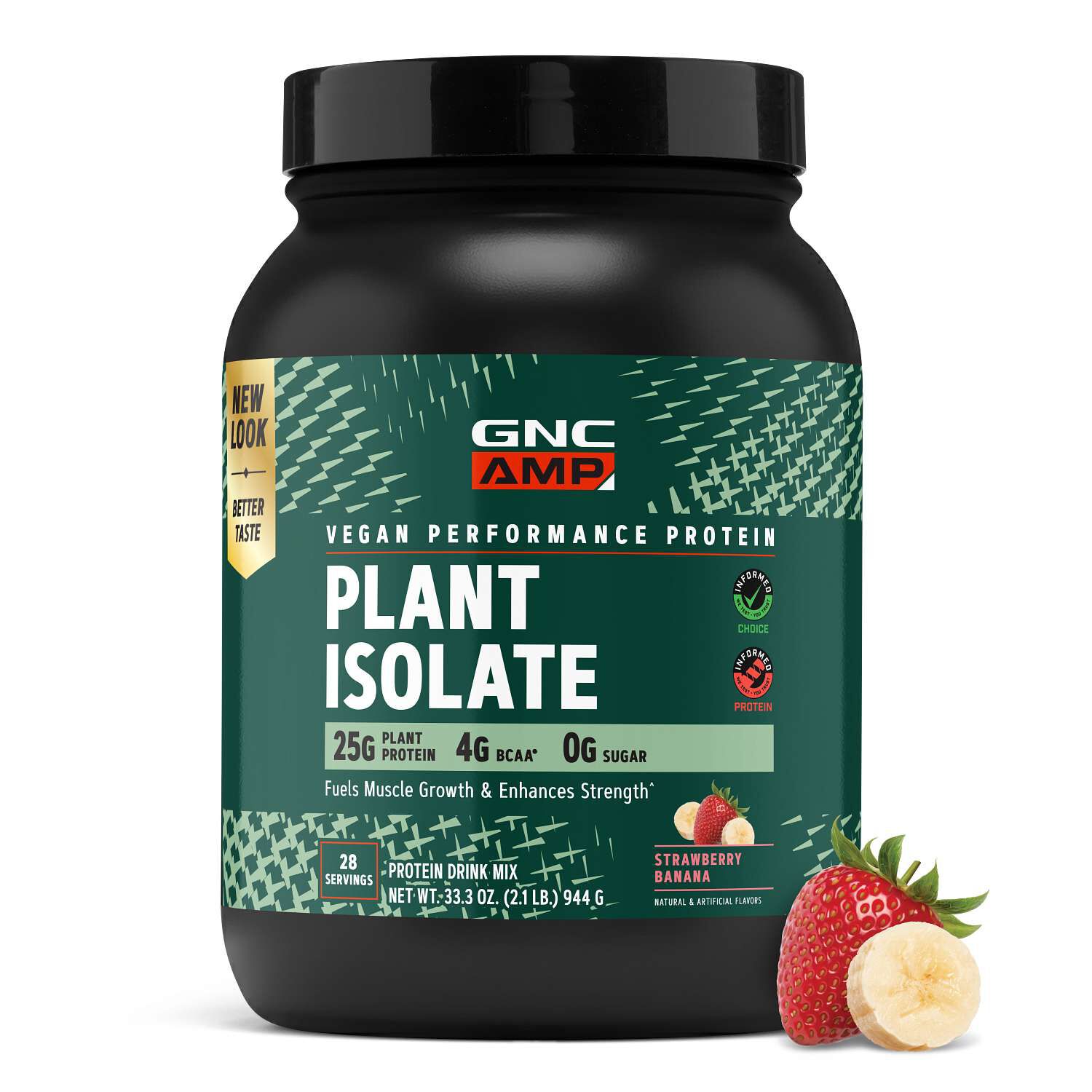
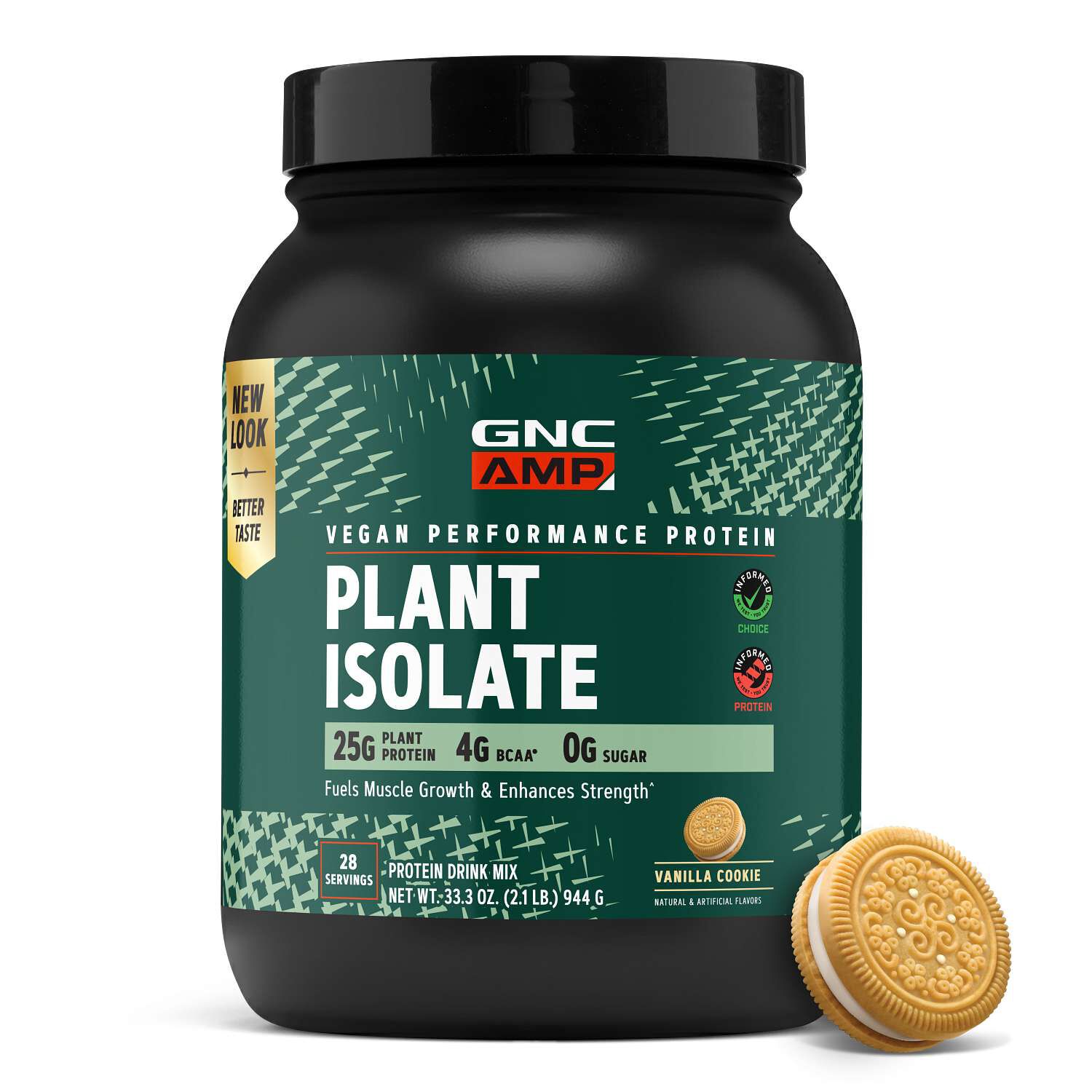
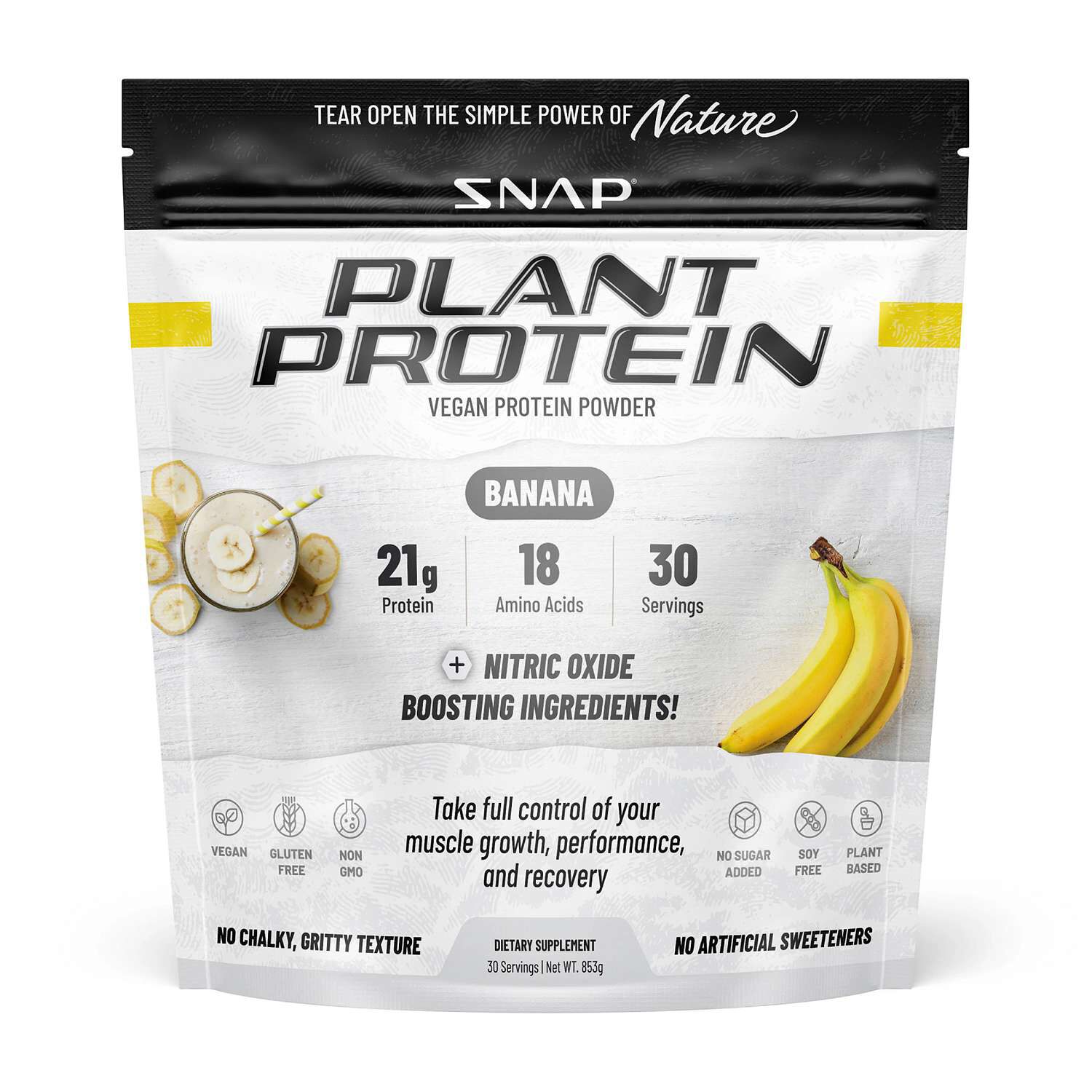

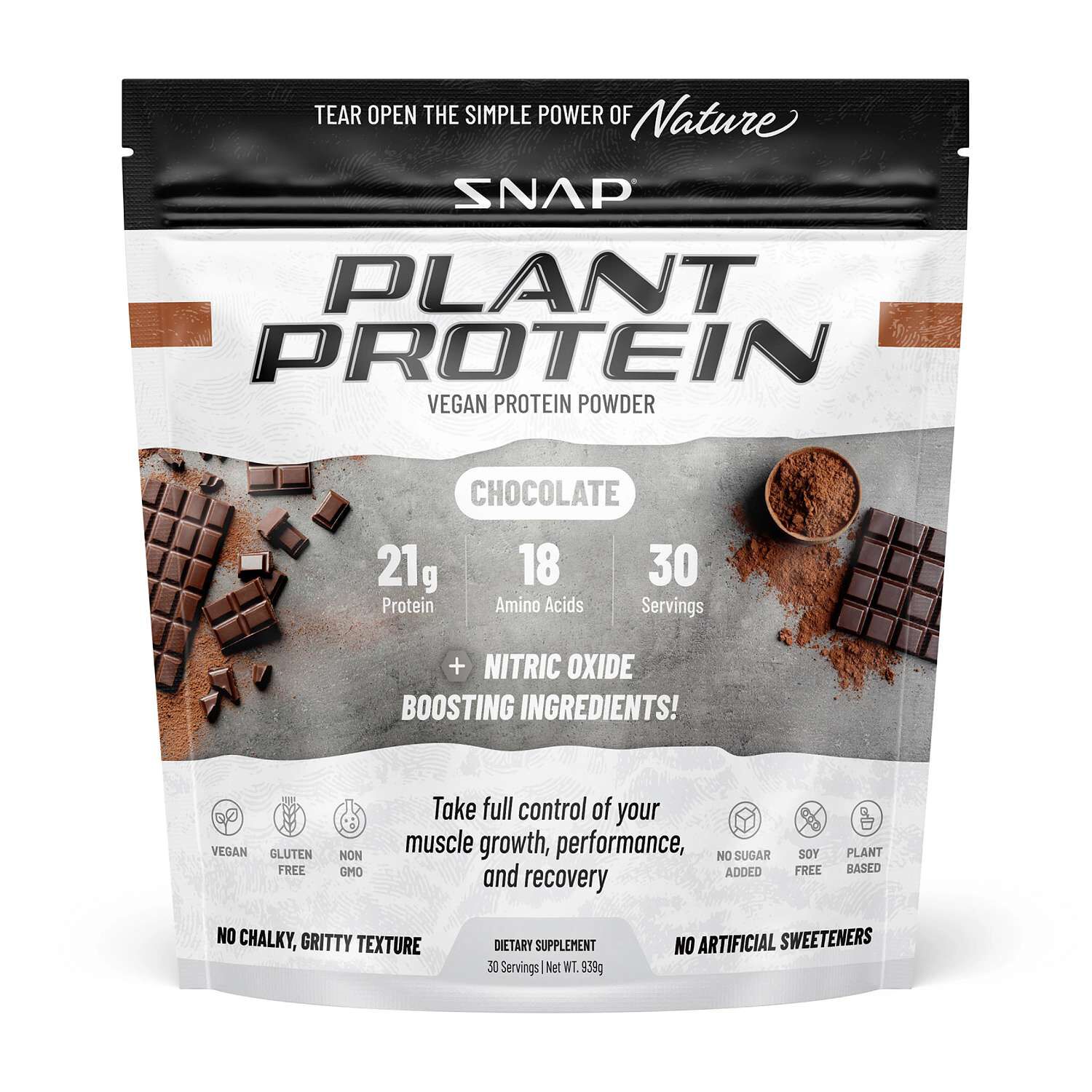
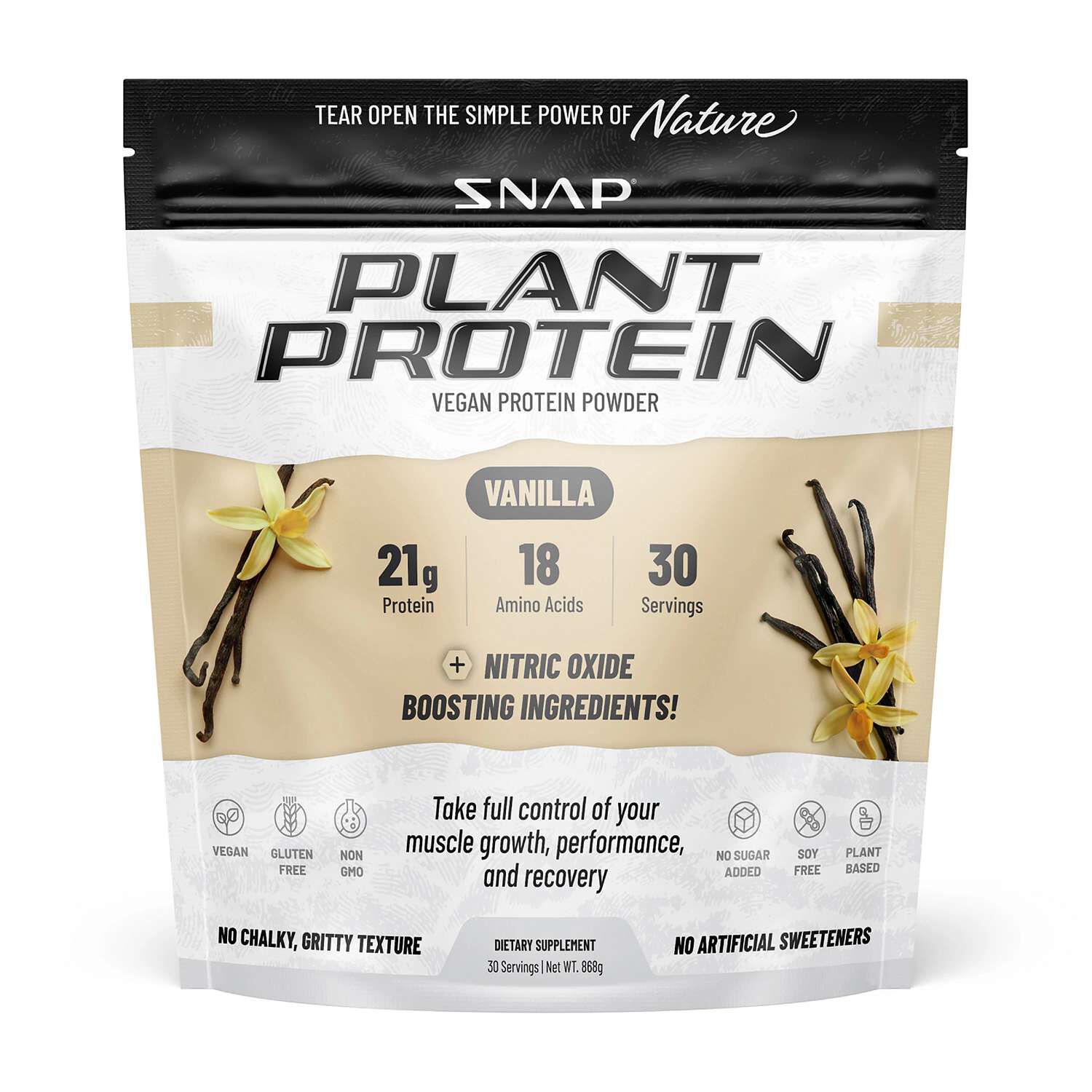


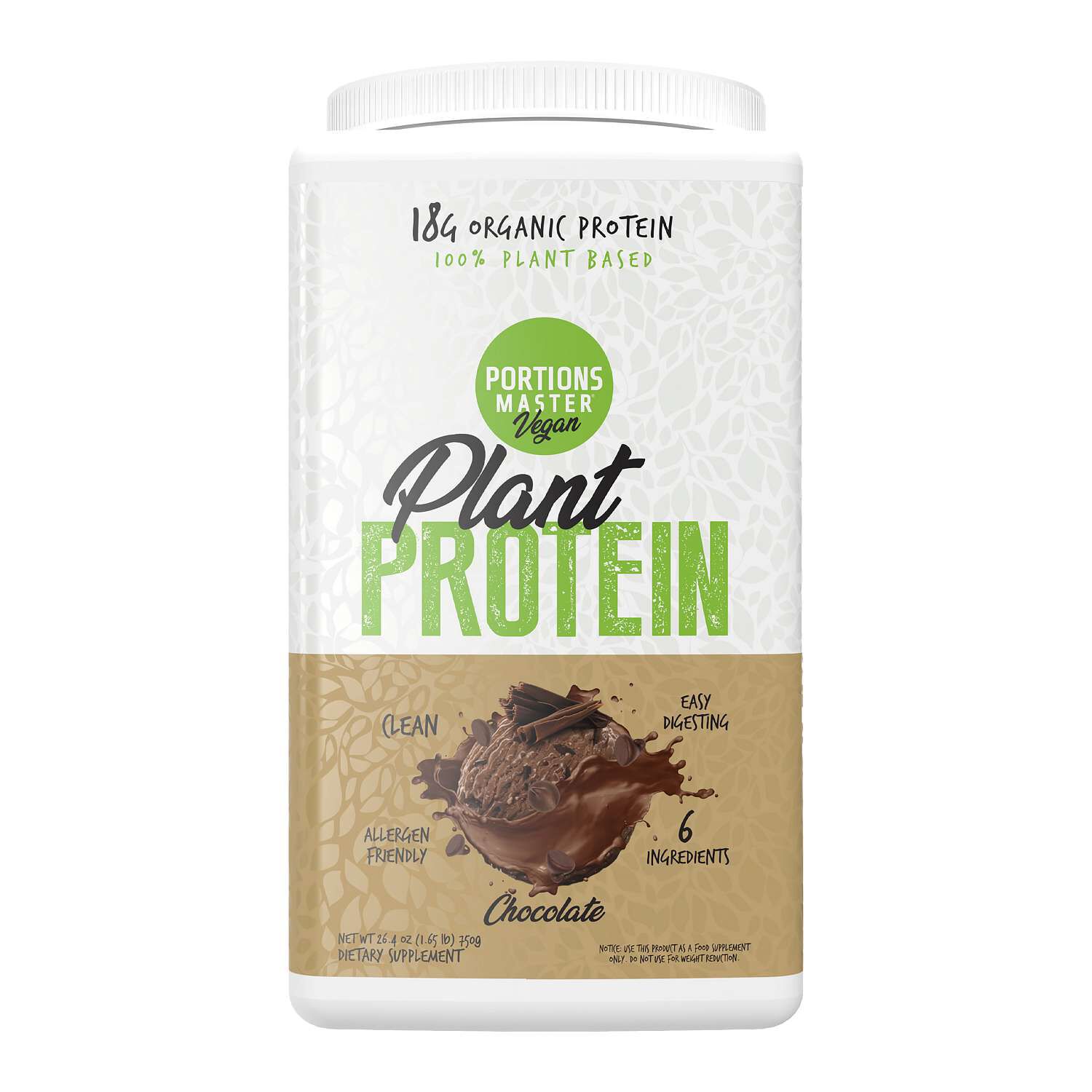
Traditional whey protein is not vegan because it comes from milk. For shoppers searching for whey for vegans, plant-based protein powders are the relevant alternative rather than a different form of conventional whey. Whey concentrate, whey isolate, and hydrolyzed whey are all dairy-derived; filtering or further processing does not turn them into plant proteins. Vegan protein powders instead use sources such as peas, soybeans, brown rice, pumpkin seeds, or combinations of plant ingredients. These powders occupy a similar place in a shopping routine, with formats intended for shakes, smoothies, and recipes, but their ingredient sources are different. Someone moving from dairy-based protein to a vegan option may prefer a familiar chocolate or vanilla flavor, while someone who cooks with protein powder may be more interested in an unflavored variety. Single-source powders feature one main protein ingredient, while blends combine two or more sources with different amino acid profiles. Neither format tells the whole story on its own: protein grams per serving, the rest of the ingredient list, flavoring, and preparation directions all contribute to the comparison. Soy, pea, and rice proteins also have distinct characteristics, so a blend and a single-source powder should not be expected to taste or mix exactly alike. A vegan designation is a useful starting point, but the full ingredient list provides more context than a front-label reference to plants alone. Ingredients such as milk powder, whey, casein, egg, or honey do not fit a vegan diet. Similarly, wording about reduced lactose does not establish that a protein powder is vegan. The distinction also matters when browsing Protein Drinks for Vegetarians: a vegetarian drink is not necessarily vegan, since vegetarian eating patterns can include dairy or eggs. For an entirely plant-based routine, the source of the protein and the ingredients accompanying it matter more than a flavor name or a familiar shake format.
Taste and texture deserve as much attention as the protein source, especially for something intended to become part of an everyday routine. Plant proteins have varying earthy, nutty, or bean-like notes, and flavorings and sweeteners differ from formula to formula. Cocoa, vanilla, cinnamon, and fruit flavors offer different directions without changing the need to review the ingredients. An unflavored powder is not necessarily tasteless; its underlying plant ingredients may still be noticeable in a simple drink. For a smoothie made with banana, oats, and a plant-based beverage, a mild vanilla powder may fit the other ingredients, while an unflavored option may be preferable for experimenting with savory recipes. Sweetened chocolate may suit a blended drink but could be less appealing in a recipe already containing cocoa and sweetener. Texture is another point of comparison. Some powders have a finer consistency, while others contain ingredients such as fibers, gums, or seeds that may influence the finished drink. A blender may produce a different texture from a shaker bottle, particularly when the recipe includes fruit, oats, or nut butter. Preparation directions provide the starting ratio of powder to liquid; personal preferences may call for a thinner drink or a thicker smoothie. Adding liquid before powder may make mixing easier in a shaker, while allowing enough room in the container may make shaking more practical. For recipes, the scoop included in a package is a serving tool rather than a universal measure across different formulas. Baking with a plant protein powder also involves more than substituting equal scoops for flour or a dairy-based powder. Different ingredients may change moisture, sweetness, and texture, so a recipe written for the chosen type of protein is a more dependable starting point than assuming every powder behaves the same way. These everyday details often determine whether a formula feels at home in a morning smoothie, a simple shake, or a kitchen recipe.
The most useful comparison is between the labeled serving and the way the powder will actually be used. Containers can have different scoop sizes, and a larger scoop does not automatically mean more protein relative to the amount of powder. Reading protein grams alongside serving weight, calories, carbohydrate, fat, fiber, sodium, and added sugar gives a clearer picture of the formula without relying on the package size. Sweeteners, flavorings, and added vitamins or minerals also distinguish otherwise similar plant protein powders. A shorter ingredient list may appeal to someone who wants a straightforward formula, while another shopper may prefer a flavored blend with a particular texture. Intended use helps narrow those preferences. A person carrying a shaker to work may value a powder with directions suited to simple mixing, while someone blending breakfast at home may have more room for fruit, oats, and other ingredients. For a gym bag or a day away from the kitchen, carrying a dry portion separately and adding liquid when ready may be more practical than transporting a prepared shake. Packaging matters here, too: a resealable pouch or a container with a secure lid may fit different cupboards, bags, and preparation spaces. Care is mostly about following the label and keeping the powder in suitable storage conditions. A tightly closed package, a dry scoop, and separation from moisture are sensible considerations for a powdered food. The date and storage directions on the package are more useful than assumptions about how long every protein powder should last. Once mixed, a drink should be handled according to its ingredients and any preparation instructions rather than treated like the dry powder. For someone choosing plant-based protein as a gift, the recipient’s usual flavor preferences, dietary choices, and preparation habits are more relevant than an elaborate formula. Across these uses, the central distinction stays straightforward: conventional whey is dairy-derived, while vegan alternatives come from plant sources. The right match may depend as much on ingredients, texture, and everyday preparation as on the amount of protein listed per serving.
- Q: What is whey and is it suitable for vegans?
A: Whey is a protein derived from milk during the cheese-making process, so it is not considered vegan. Vegans typically look for plant-based protein alternatives instead. - Q: Are there vegan-friendly alternatives to whey protein?
A: Yes, there are several plant-based protein powders available that may be suitable for vegans, such as pea, rice, and soy protein. - Q: How do plant-based proteins compare to whey in terms of taste and texture?
A: Plant-based proteins may have a different taste and texture compared to whey. Some people find them earthier or grainier, but many brands offer flavored options to help improve palatability. - Q: Can plant-based protein powders be used in the same way as whey protein?
A: Plant-based protein powders can often be used in similar ways as whey, such as mixing into shakes, smoothies, or recipes that call for added protein. - Q: What should vegans look for when choosing a protein powder?
A: Vegans might want to check the ingredient list to ensure the product contains no animal-derived ingredients and look for certifications or labels indicating it is vegan-friendly.