Accuracy Enhancing Brain Supplements
(0 Results)
Unlock your mind’s potential with accuracy enhancing brain supplements that may support focus and mental clarity. Whether you’re preparing for a busy day at work or tackling a challenging project, these supplements could help you stay sharp and attentive. Explore options designed to fit into your daily routine and discover how accuracy enhancing brain supplements might complement your wellness goals.
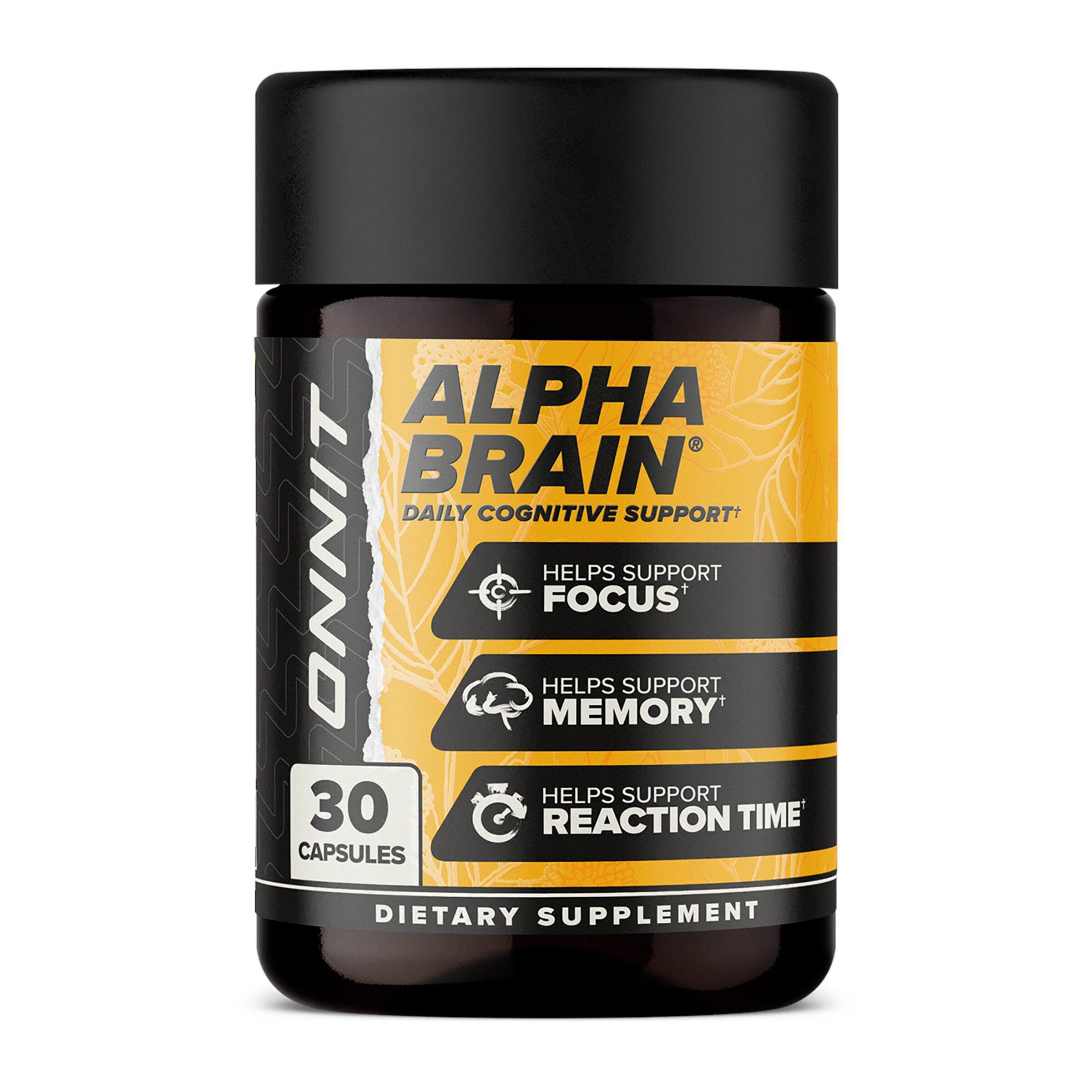
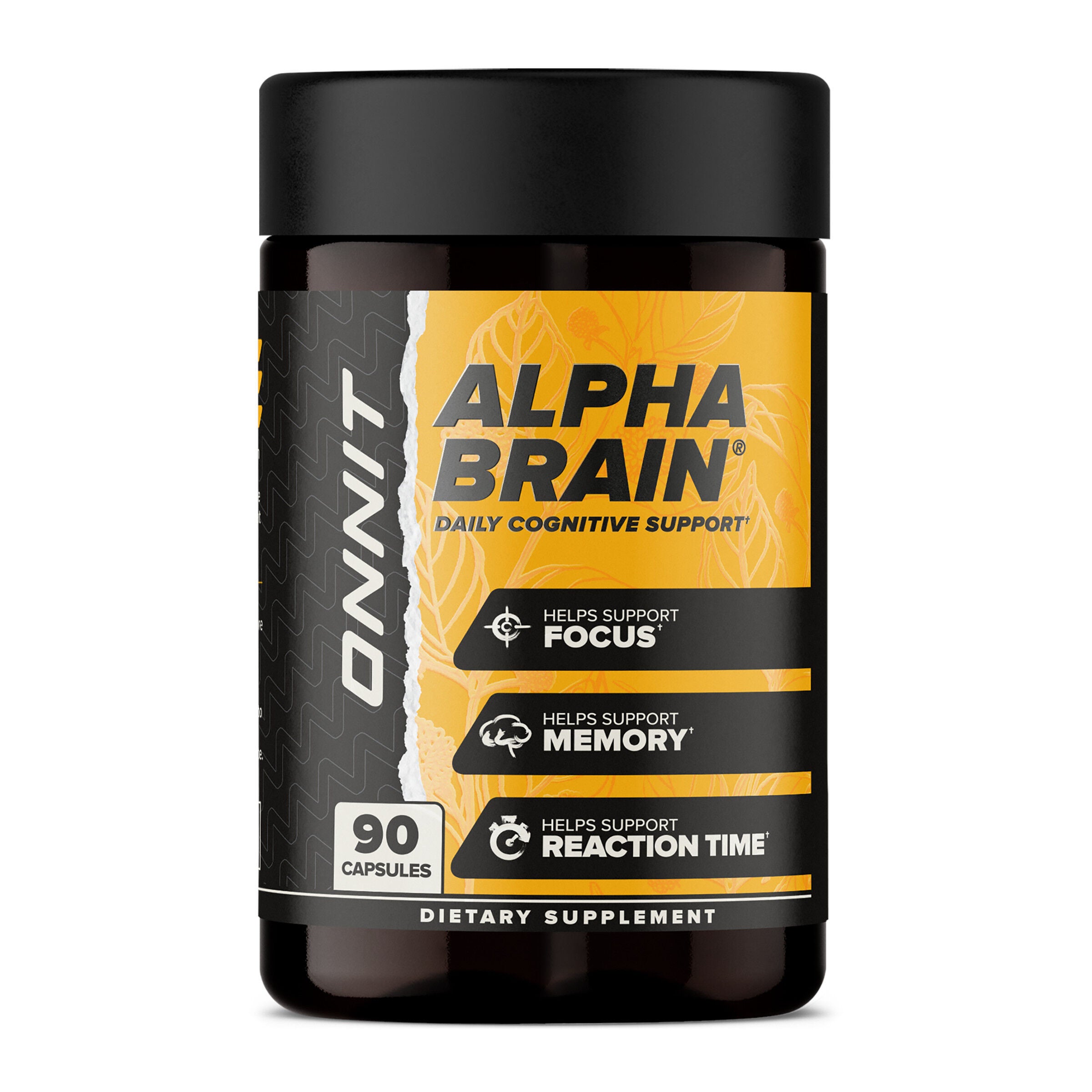
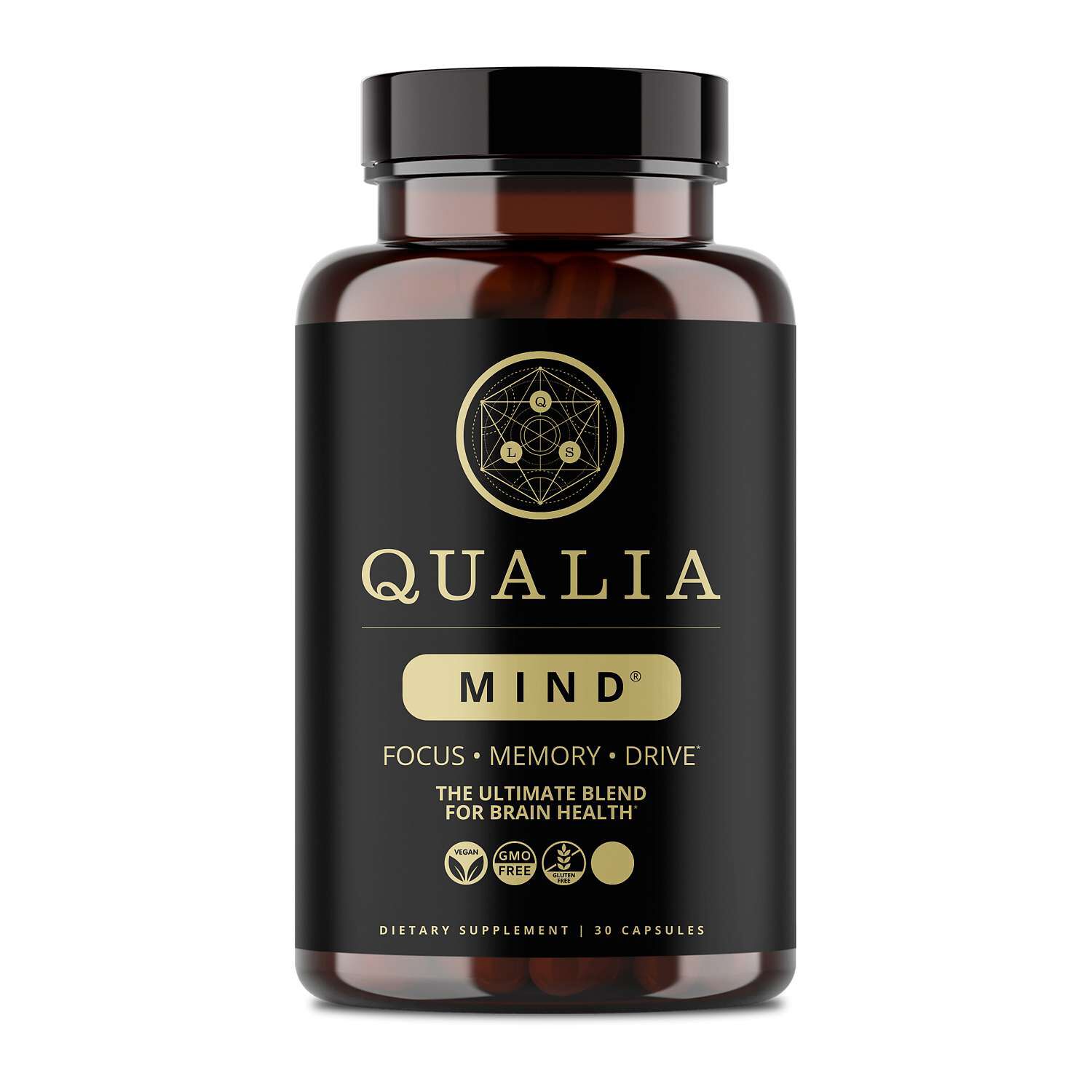
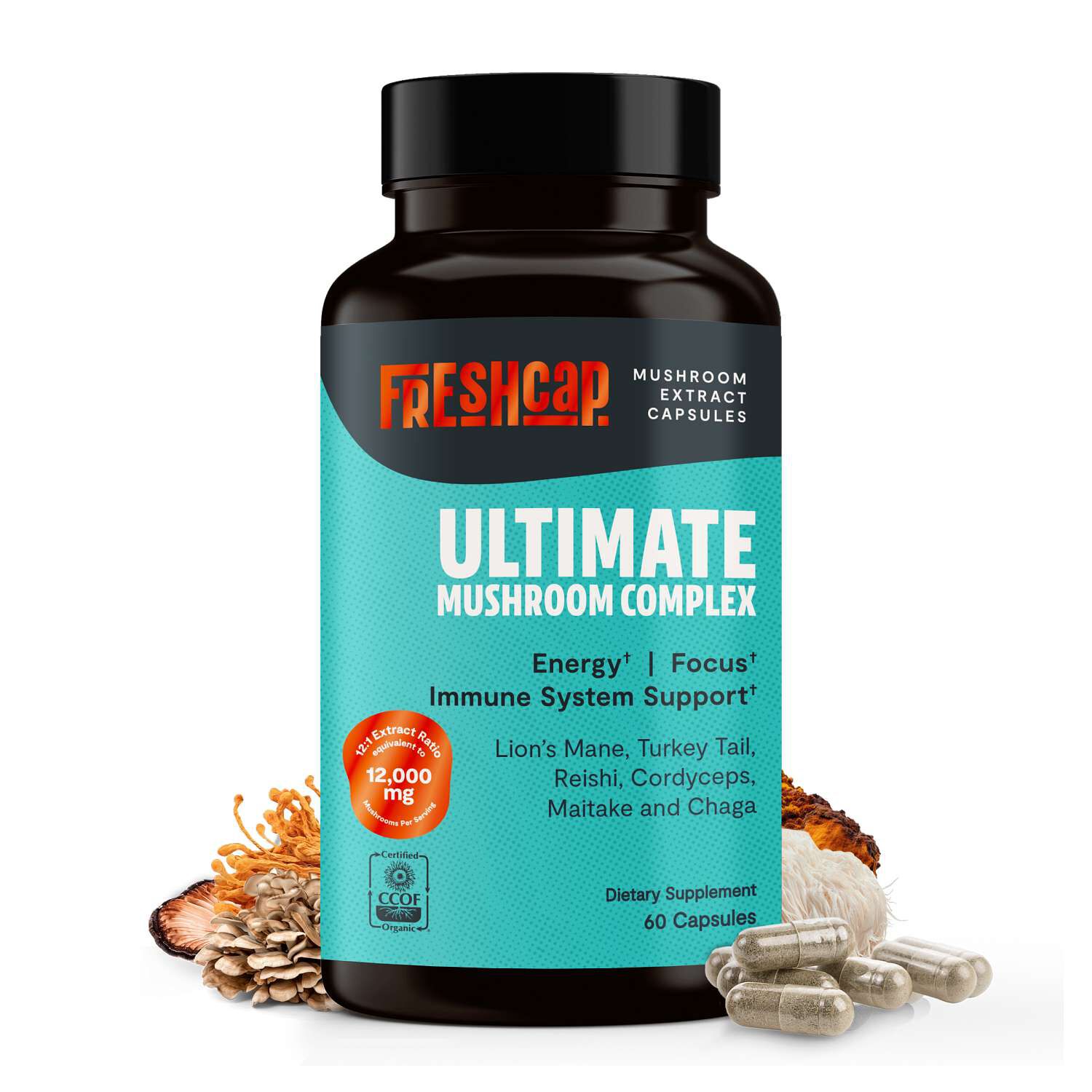

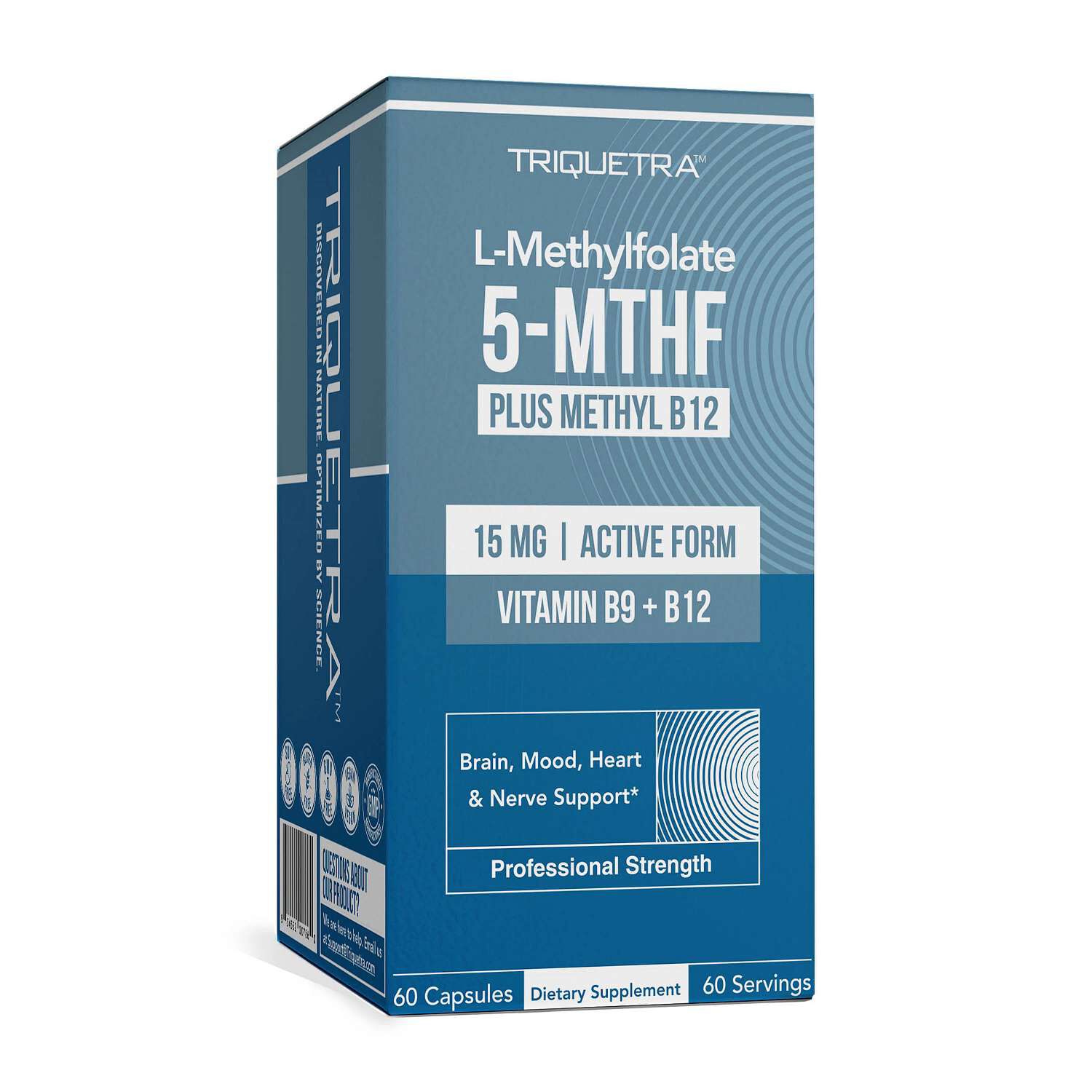

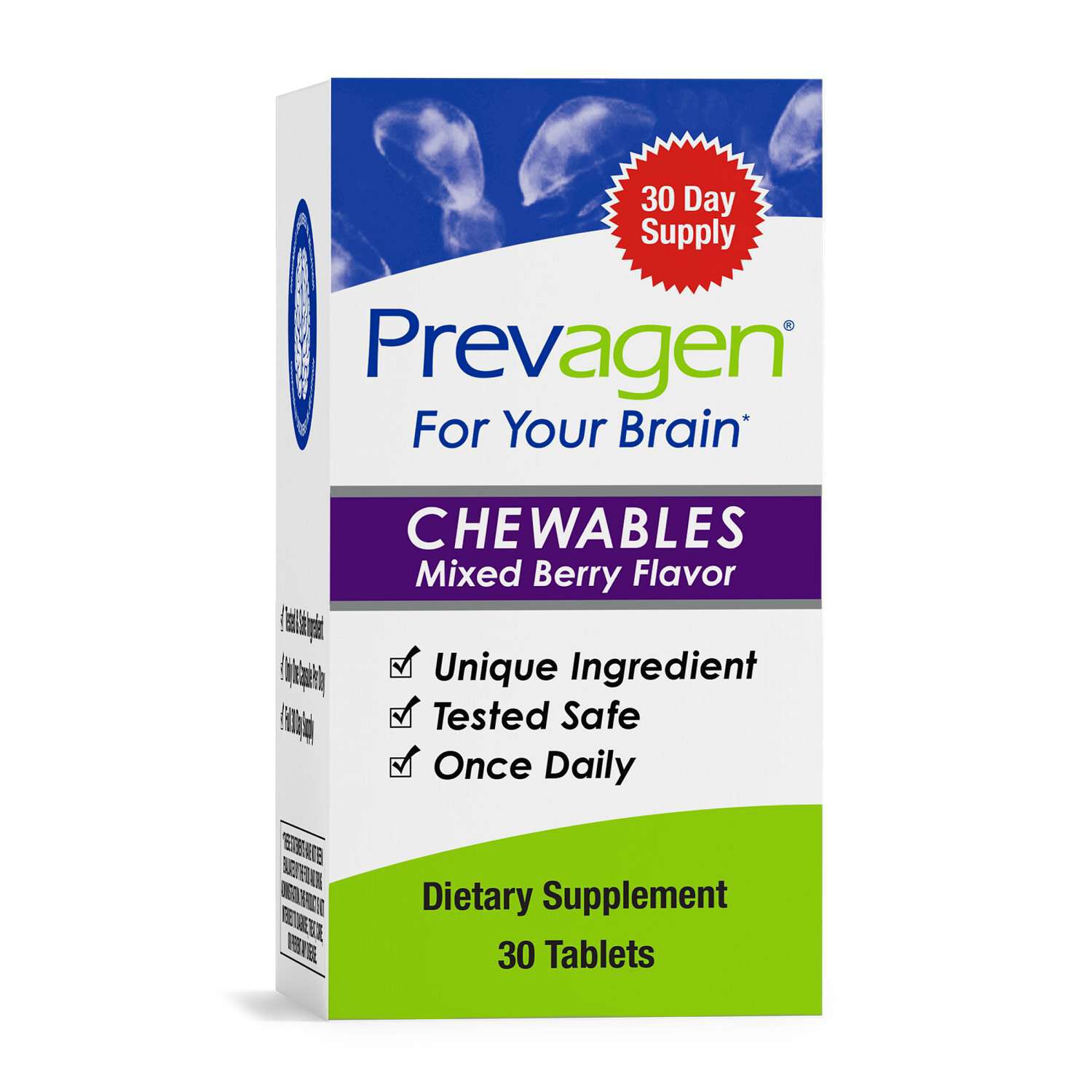

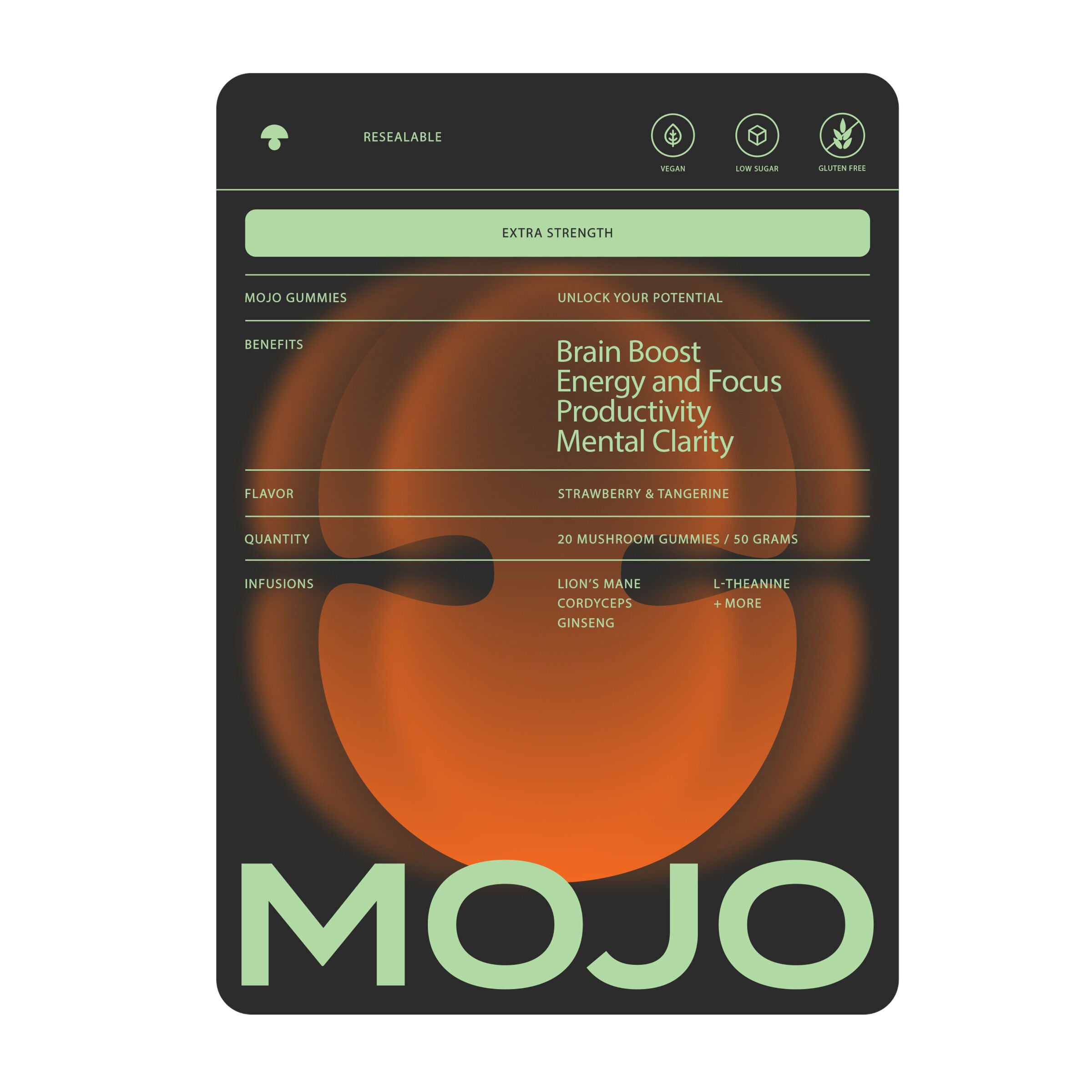
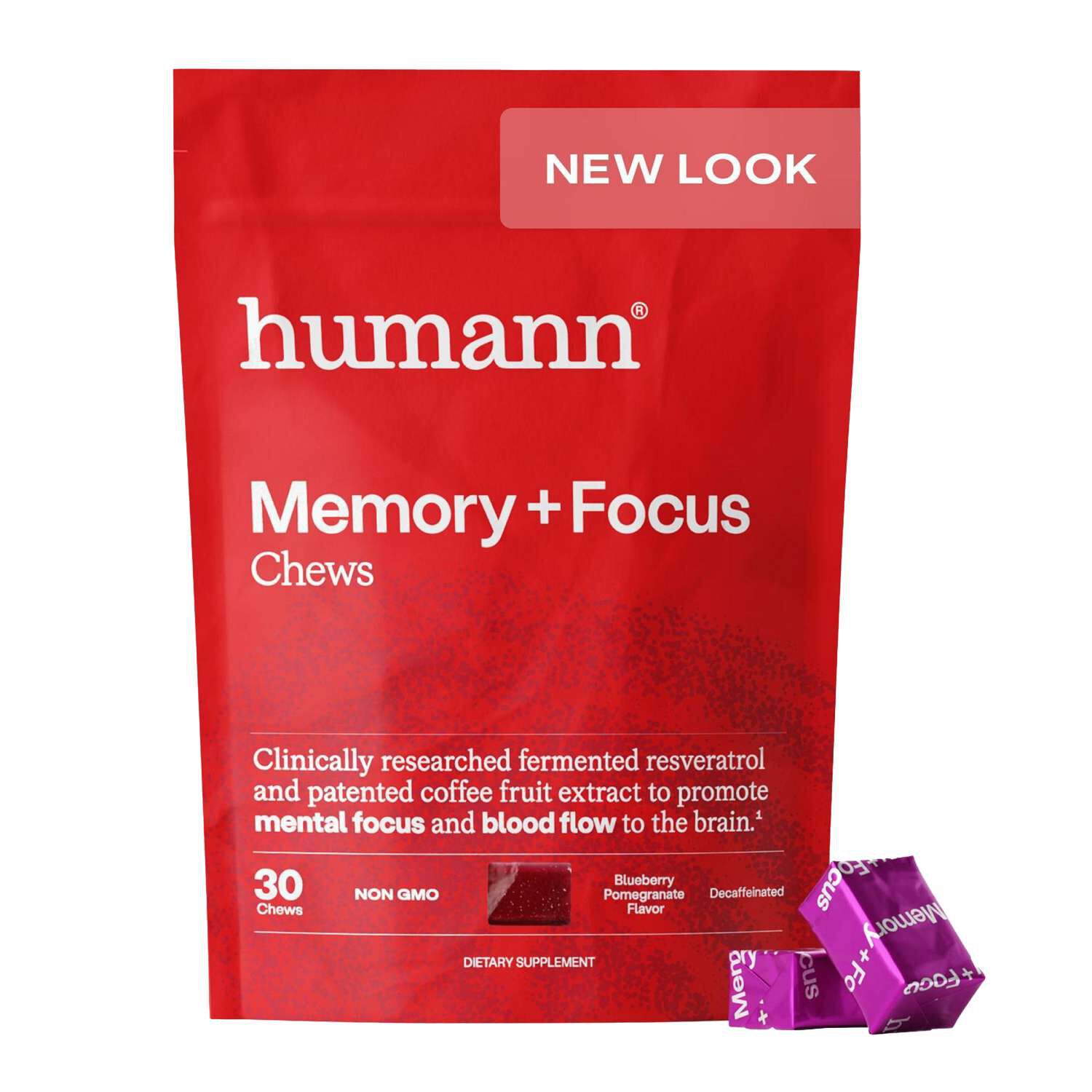
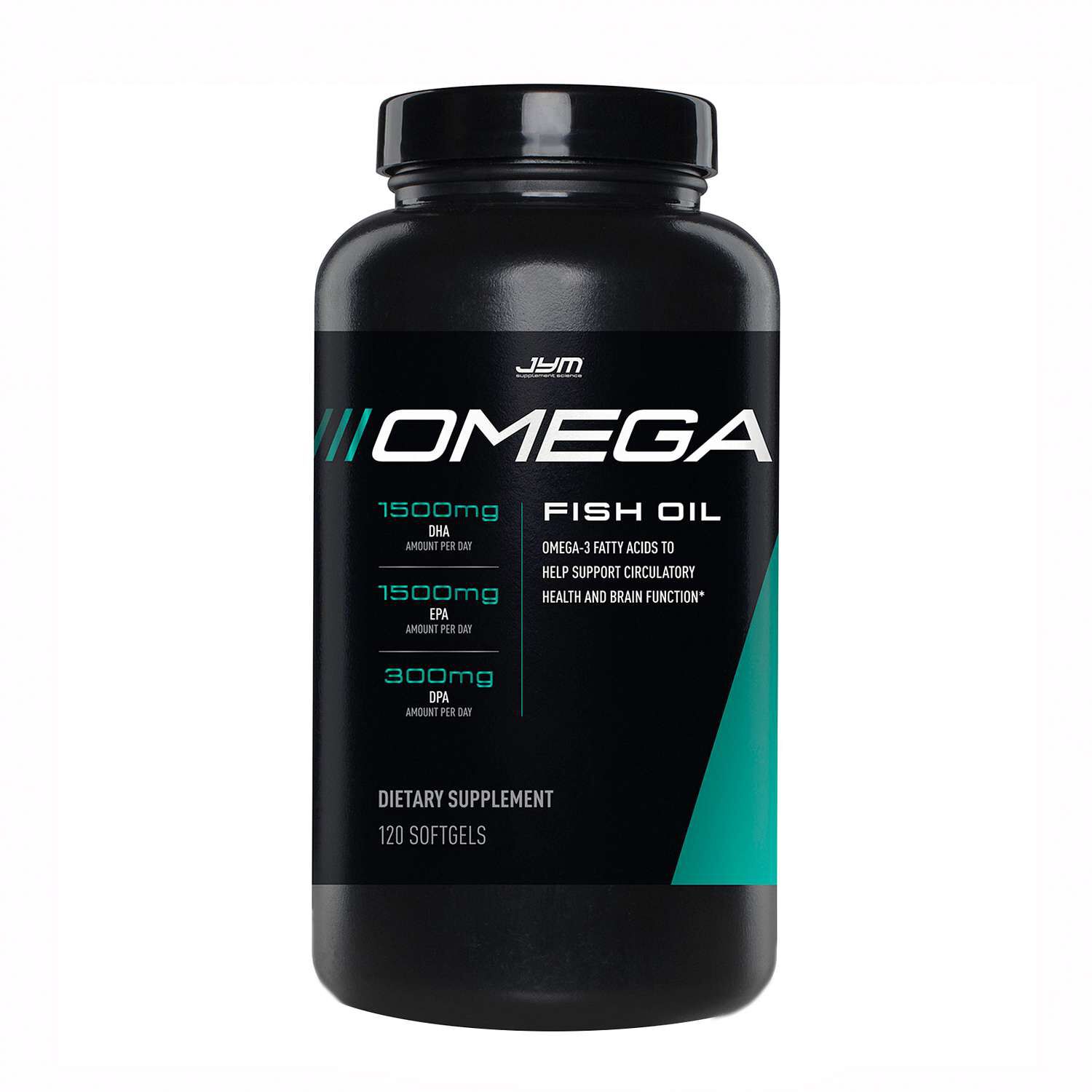
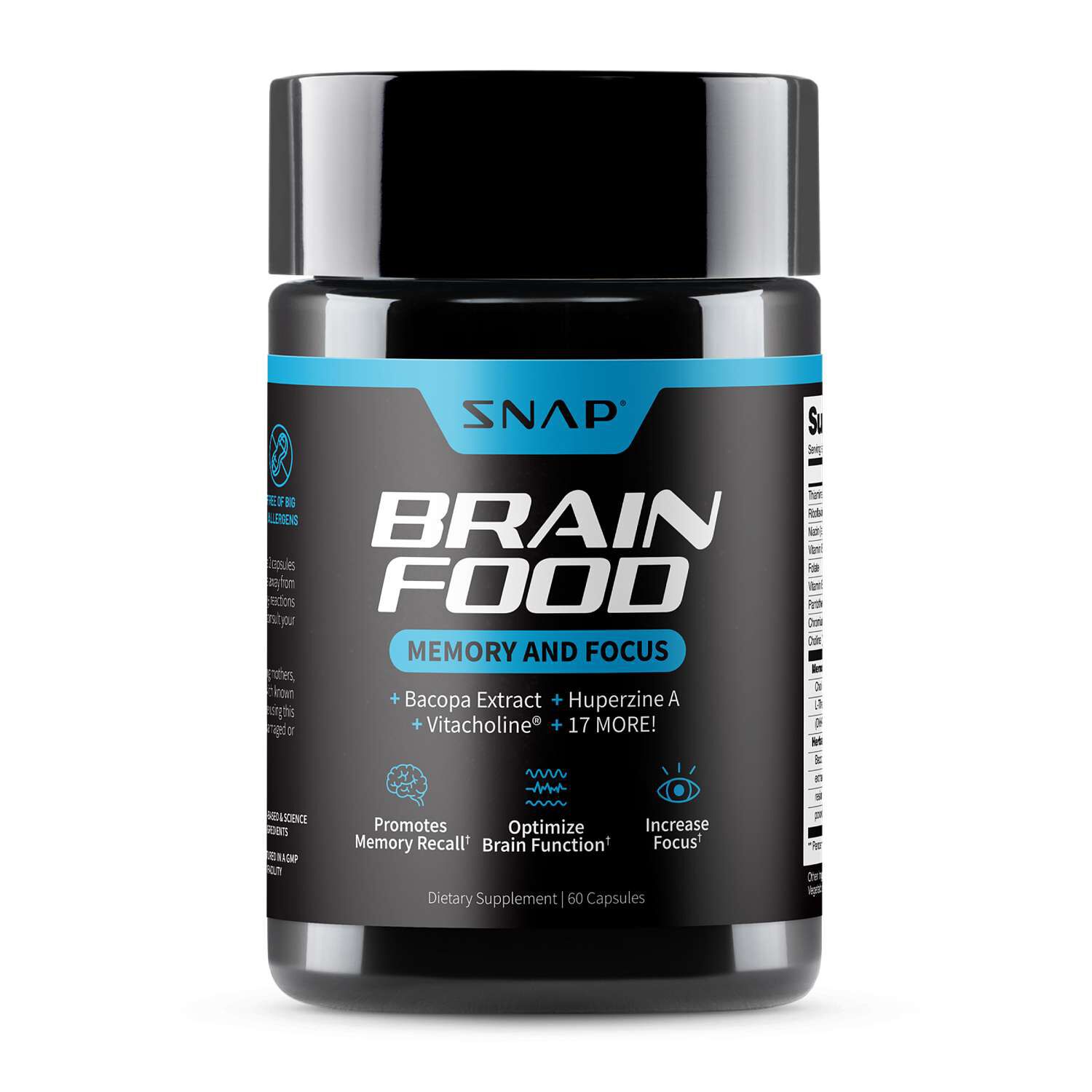
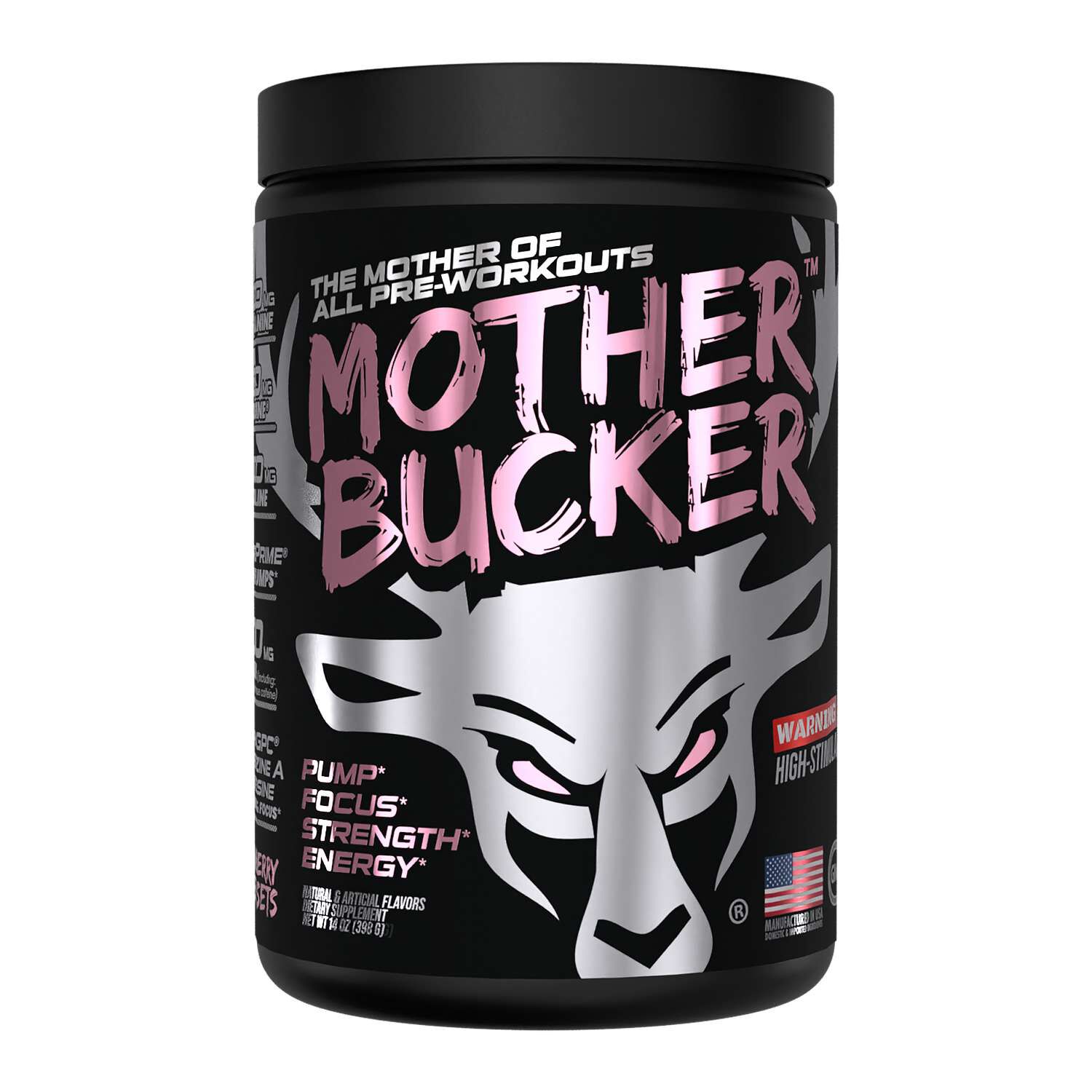
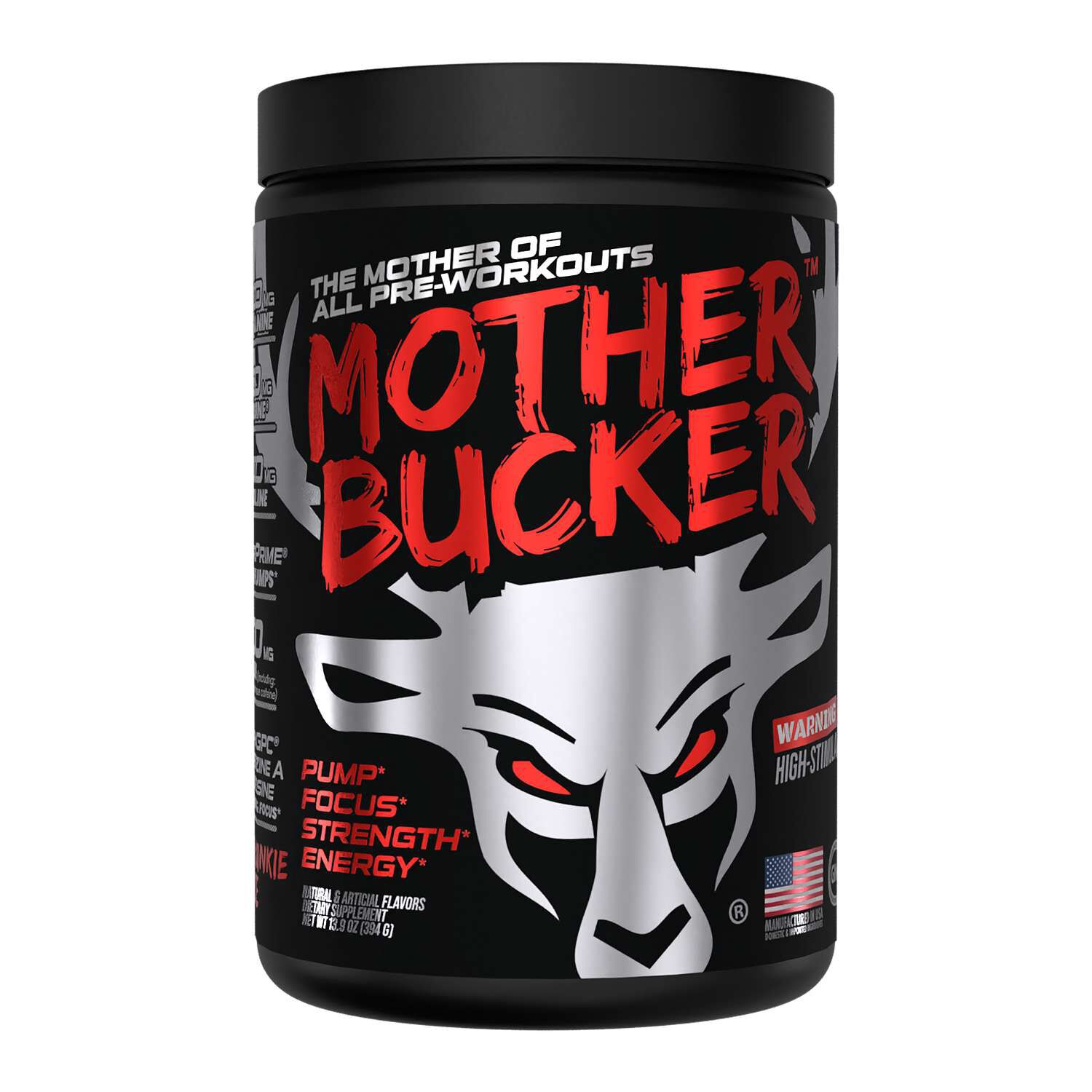
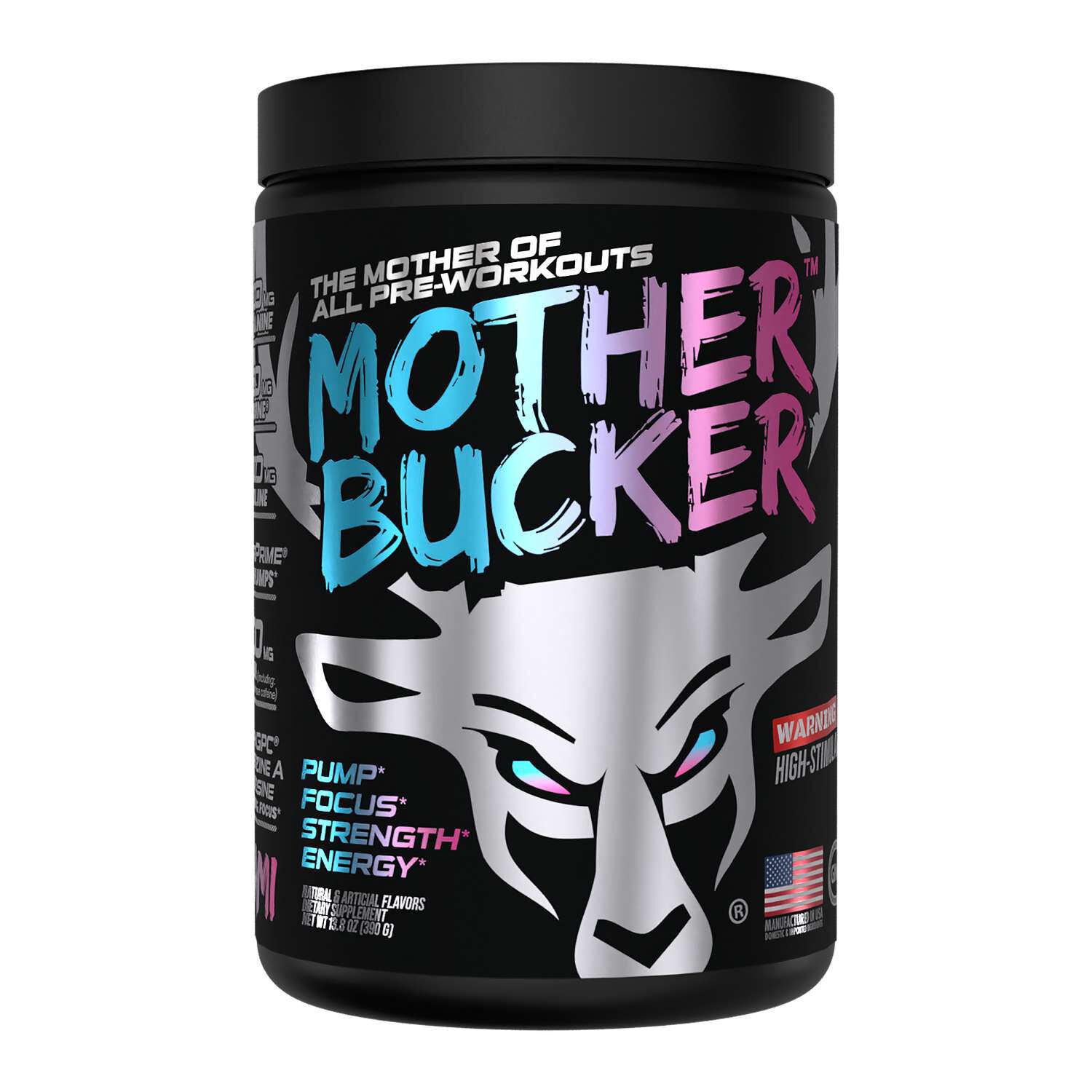


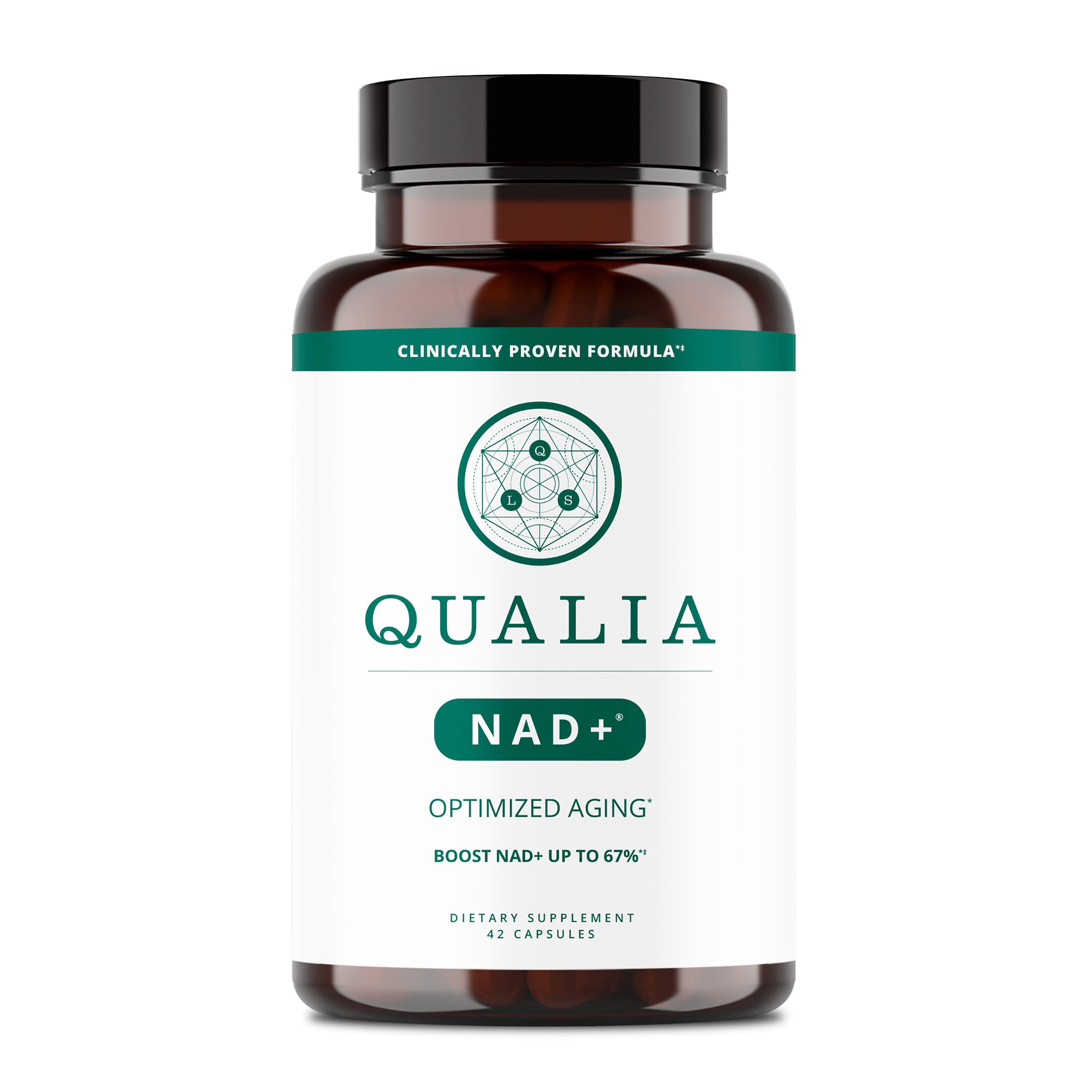
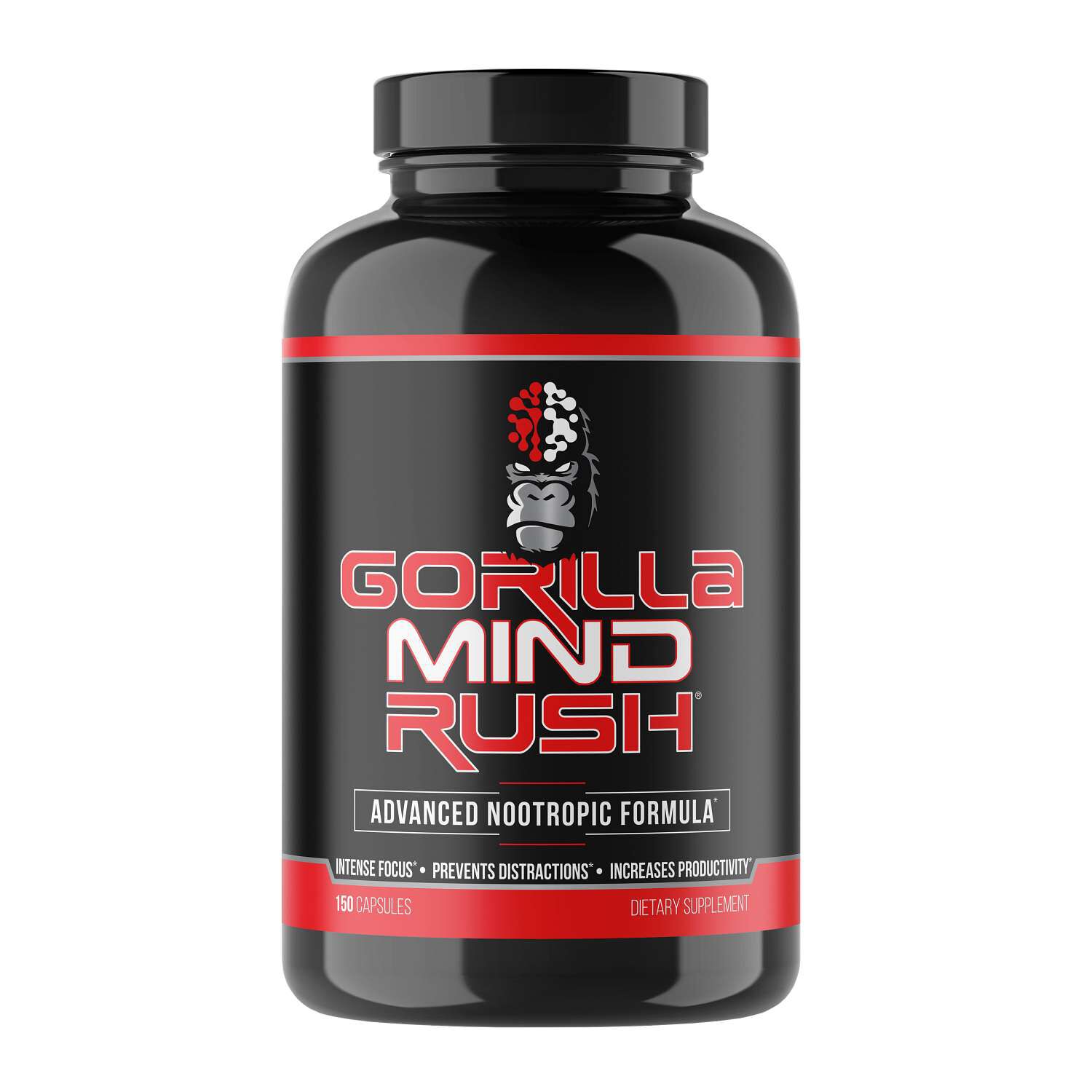
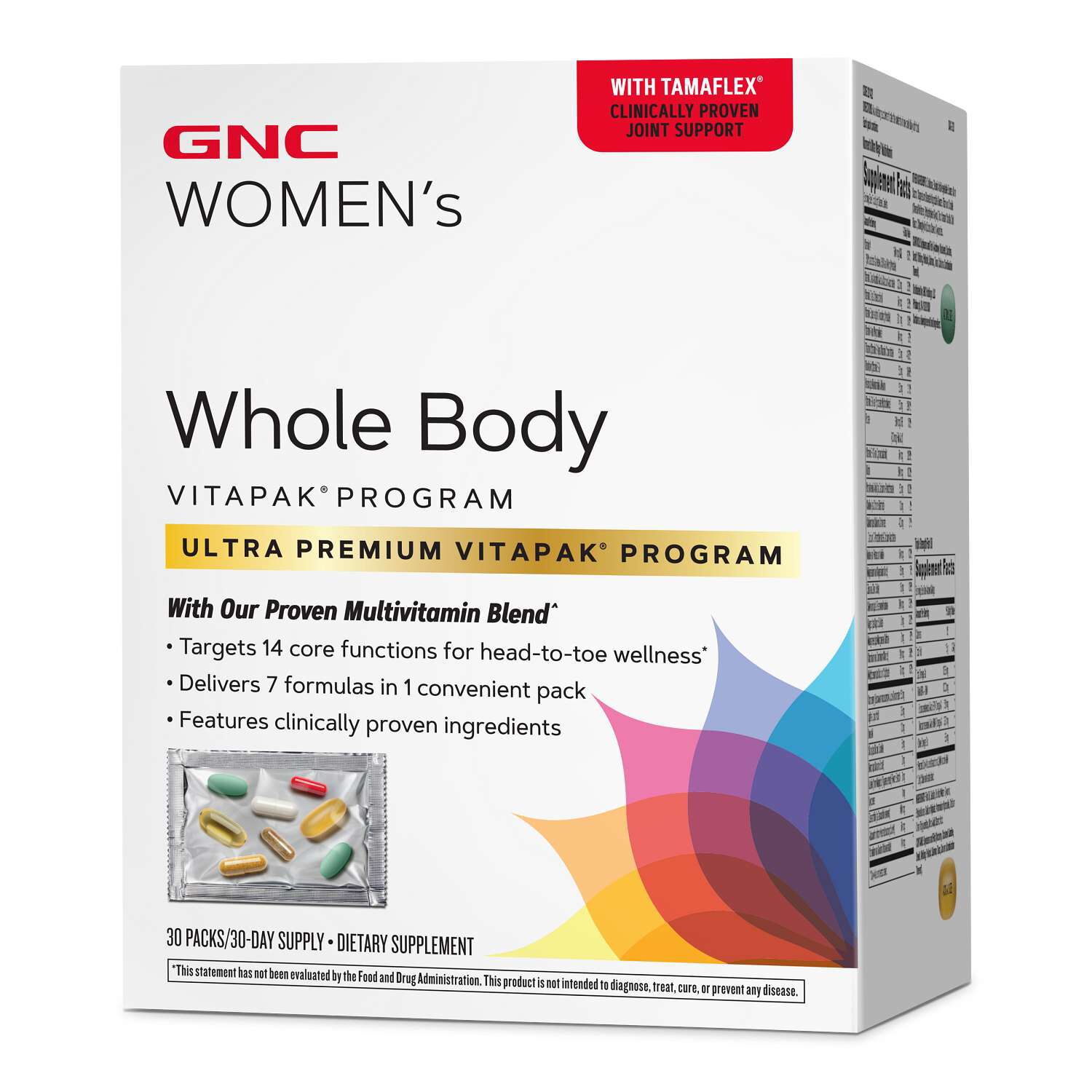
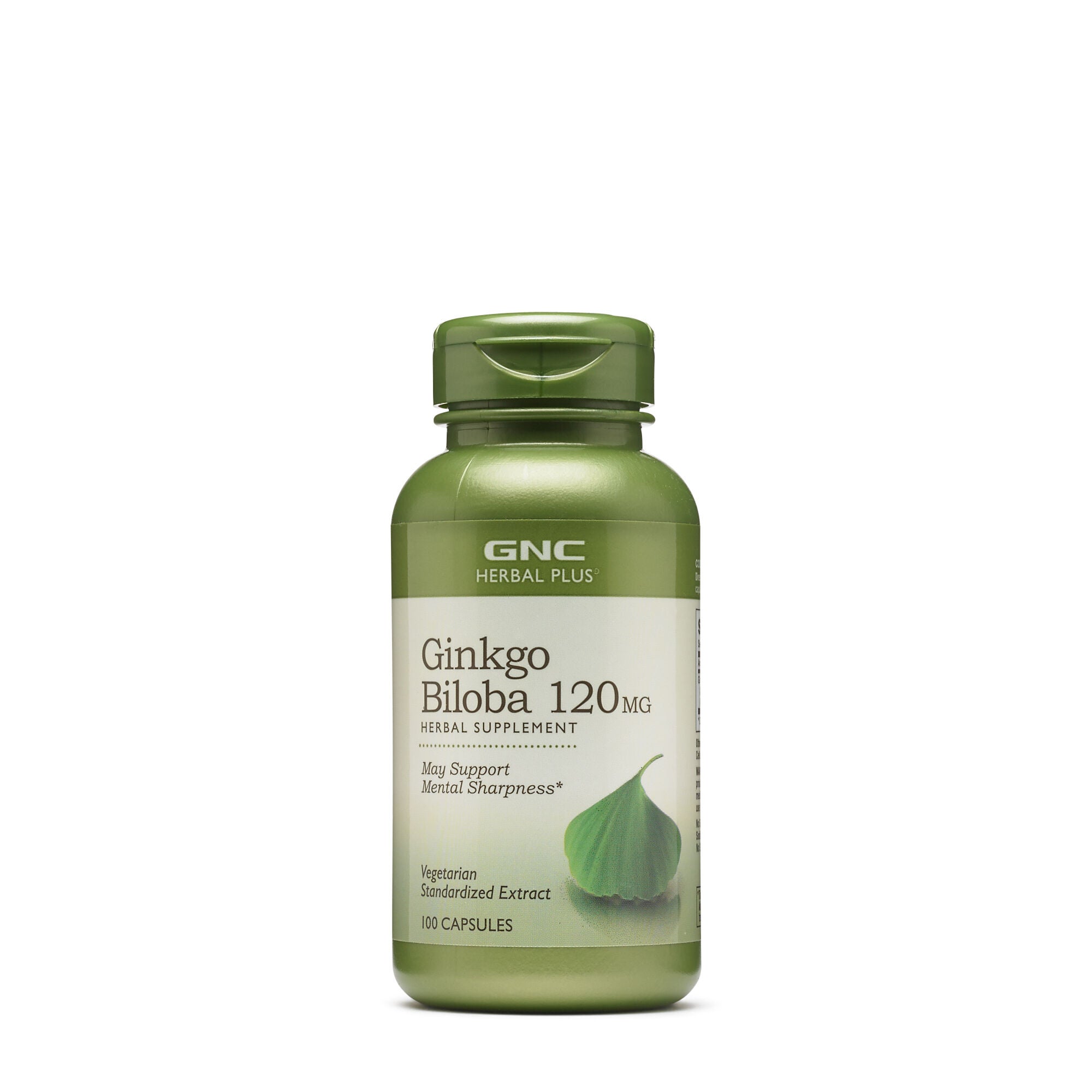

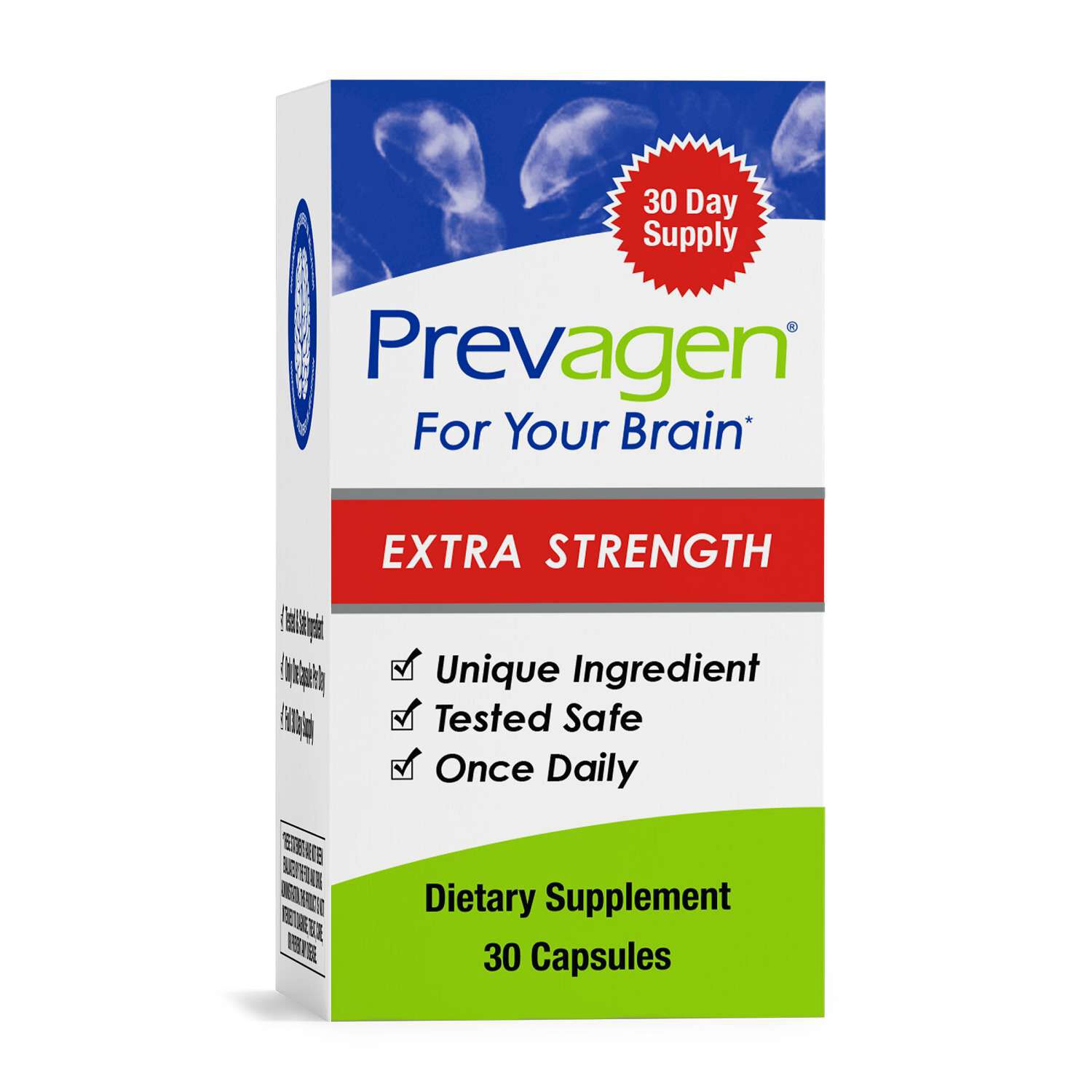
Brain supplements marketed around accuracy belong to the broader category of dietary supplements for cognitive wellness, focus, and everyday mental performance. The theme reflects what shoppers may be looking for, rather than a demonstrated outcome shared by every formula. Accuracy itself is a specific goal: catching a misplaced number in a spreadsheet, following the details of a lengthy presentation, or noticing a small difference between two otherwise similar documents. Research involving an individual ingredient does not automatically establish that a finished supplement could help someone perform those tasks more accurately. A finding about alertness is also not the same as a finding about fewer mistakes, stronger recall, or better judgment. That distinction matters when comparing brain supplements, because products grouped together can differ considerably in ingredients, serving sizes, and intended use. Common ingredient categories include vitamins, amino acids, fatty acids, botanical extracts, and mushroom ingredients. Examples found across the broader category include B vitamins, L-theanine, omega-3s, and lion’s mane. Their inclusion in a formula should not be read as proof of greater precision or consistent results. Some formulas feature a single ingredient, while others combine several components in a capsule, softgel, gummy, or powder. Adults browsing this category may be balancing detailed desk work, continuing education, creative projects, or hobbies that call for sustained attention. Those settings explain the interest in cognitive supplements without establishing that a supplement could improve performance in any particular setting. The most useful background is straightforward: brain supplements are not interchangeable, ingredient research varies, and a category label does not substitute for evidence about the formula itself. Dietary supplements do not undergo FDA approval for effectiveness before sale. For shoppers comparing options, clear labeling and realistic descriptions provide a more meaningful basis for understanding a product than language suggesting exceptional intelligence, flawless concentration, or consistently accurate work.
The practical differences between formulas extend well beyond the names on the front of the package. A Supplement Facts panel identifies listed dietary ingredients and their amounts per serving, while the serving size establishes how many capsules, gummies, or scoops those amounts represent. A bottle with sixty capsules, for example, does not necessarily represent sixty servings. Formulas containing proprietary blends may list a combined blend amount without disclosing the individual amount of every component, which can make direct comparisons less straightforward. Ingredient identity matters as well: a whole mushroom powder and a mushroom extract are different preparations, and botanical labels may identify the plant part used. For omega-3 supplements, the stated amounts of DHA and EPA offer more specific information than the amount of oil alone. Other ingredients can include capsule materials, flavorings, colors, sweeteners, and ingredients used to help a powder mix evenly. These details are relevant to dietary preferences, texture, and the overall experience of using a supplement. Capsules may suit someone who prefers an option without a flavored drink, while powders involve measuring, mixing, and choosing a compatible beverage according to the package directions. Gummies have their own serving sizes, textures, and sugar content; softgels have distinct dimensions and shell materials. A format that fits comfortably into one person’s routine may feel inconvenient to another. Caffeine content is another meaningful point of comparison, particularly when coffee, tea, or other caffeinated products are already part of the day. A formula described around focus is not necessarily made without caffeine, and similarly named products can have different compositions. Packaging and storage requirements also deserve attention. Screw-top bottles, individual packets, and tubs involve different amounts of handling and space. Printed storage directions, package integrity, and expiration dates are more relevant than assumptions about how long a supplement might retain its quality. Unlike durable equipment, supplements are consumable goods, so their practical fit includes both the serving format and the conditions specified on the label.
A useful way to understand this category is through the everyday routine surrounding it, rather than an expectation of a dramatic change. Someone who spends a morning reviewing contracts may value a clearly labeled capsule format; an adult taking an evening language course may be more interested in understanding whether a formula contains caffeine. A hobbyist working through a complex model-building project may compare ingredient simplicity, while a frequent traveler may pay closer attention to package size and serving convenience. These are examples of shopping priorities, not evidence that a particular supplement could make those activities more precise. A familiar name or an impressive ingredient count does not establish that one formula is a better match than another. Comparisons are more informative when they account for the ingredient preparation, amount per serving, serving instructions, and the population and outcomes examined in relevant research. Findings from a small study or a study of one ingredient may not apply to every adult or to a multi-ingredient formula. Likewise, independent testing for identity or specified quality criteria is different from evidence that a product could improve thinking accuracy. For a broader view of formats intended for routine use, Daily Brain Supplements offers a related category to explore alongside accuracy-focused selections. The connection is everyday use, not an assumption that taking a supplement regularly could produce a particular result. Sleep, meals, movement, work habits, and the demands of the task all belong to the larger context of daily performance; a bottle cannot account for every part of that context. Brain supplements are also a personal purchase rather than a universal gift, since ingredient preferences, serving formats, and existing routines differ. Across this category, a thoughtful comparison rests on transparent product information, manageable expectations, and attention to the distinction between a shopper’s goal and a demonstrated product effect. That perspective leaves room to explore cognitive wellness supplements without treating marketing language as proof of sharper judgment or fewer errors.