





Brain Health Solutions
(0 Results)
Explore a variety of brain health solutions designed to fit your wellness routine and support your personal goals. Whether you’re looking for supplements to complement your daily habits or seeking options that may help you stay focused throughout the day, these selections offer a range of choices. Find brain health solutions that align with your lifestyle and discover new ways to prioritize your well-being.
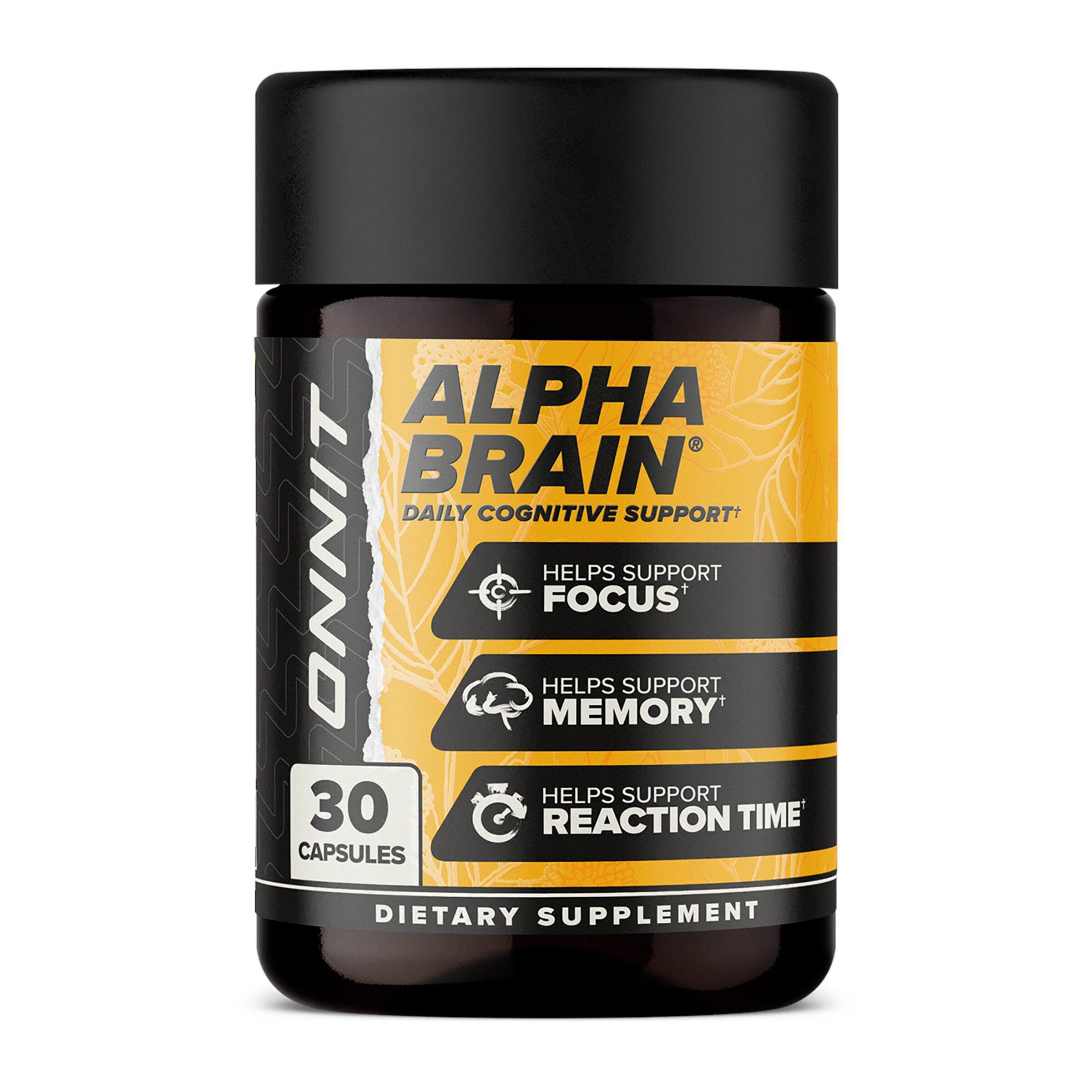
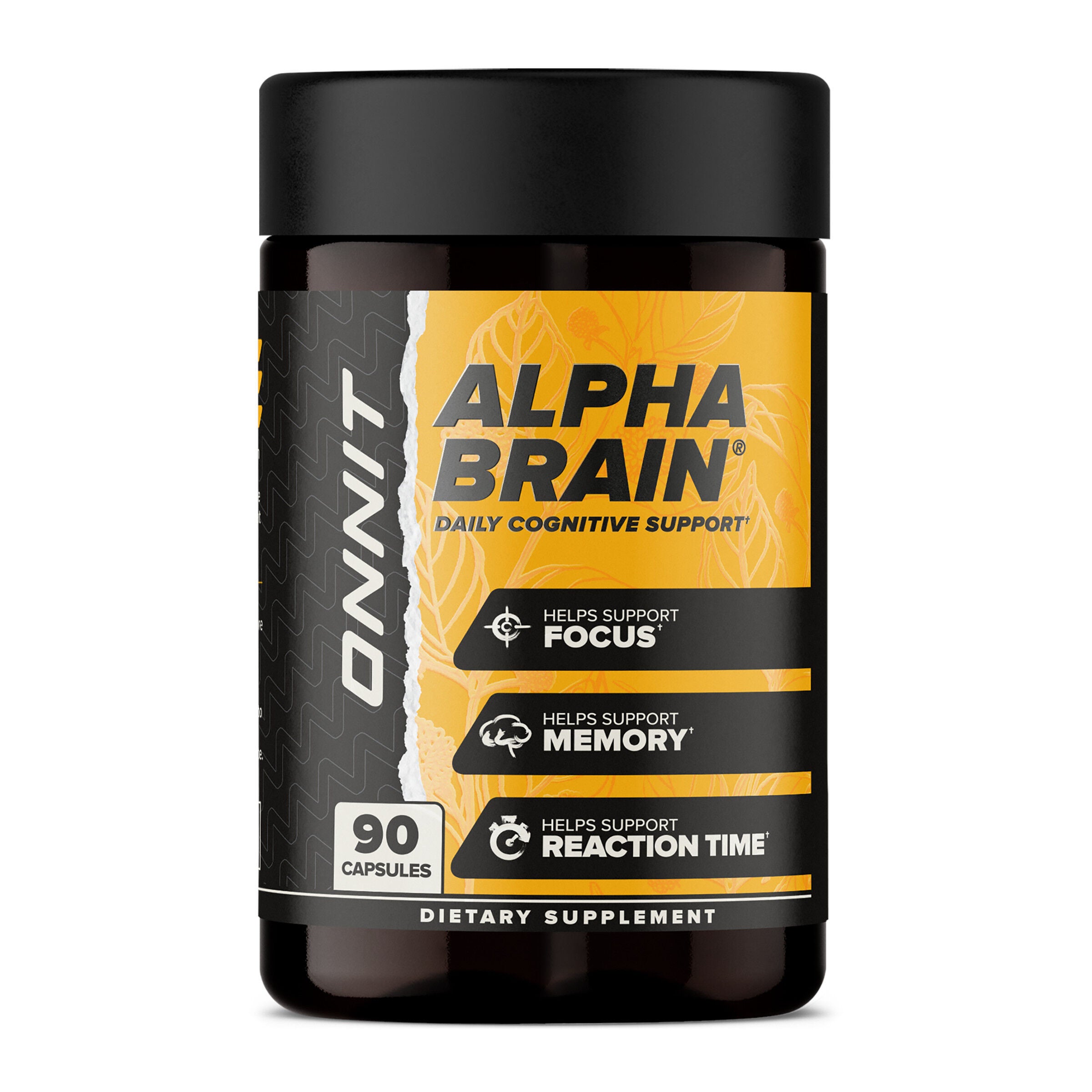
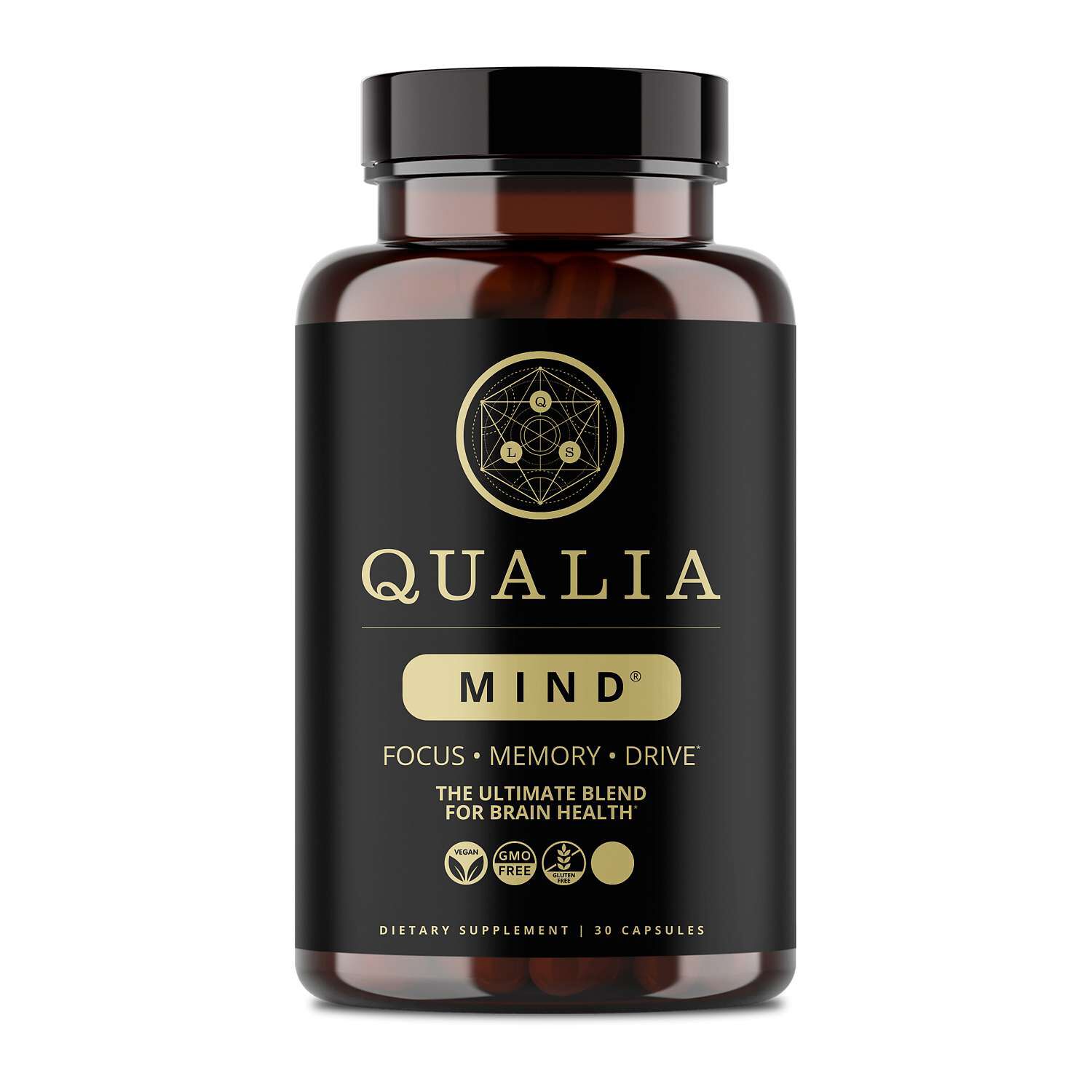

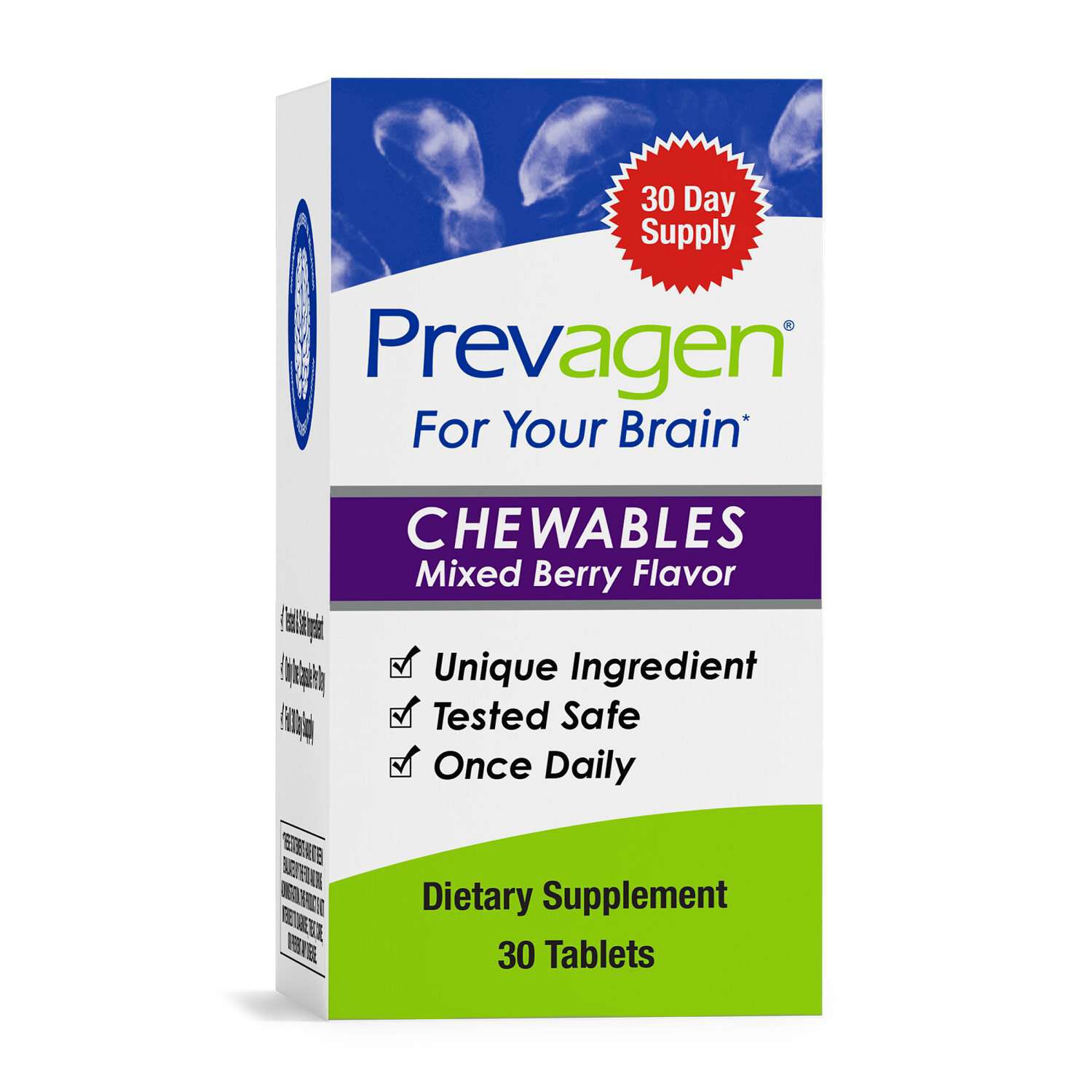
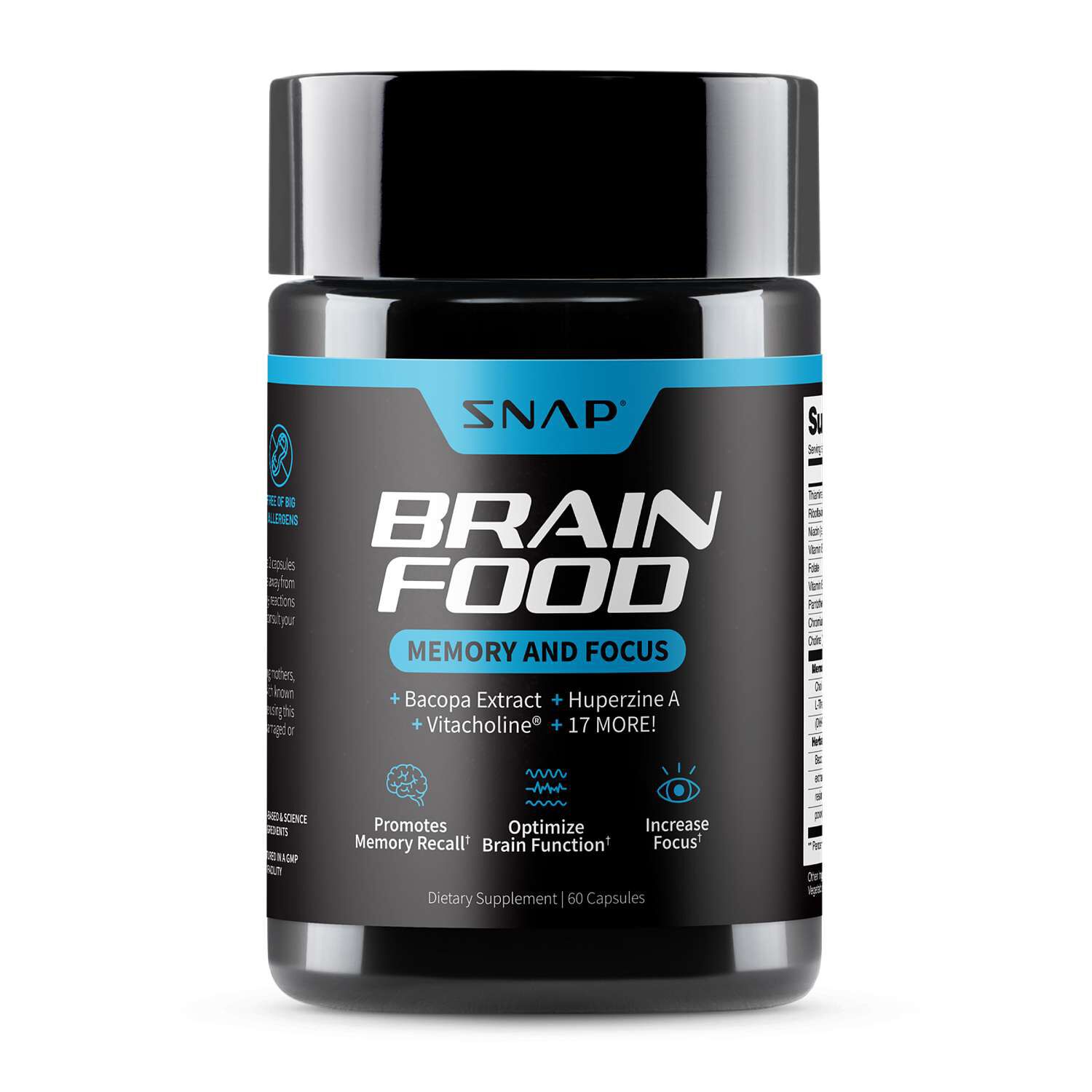
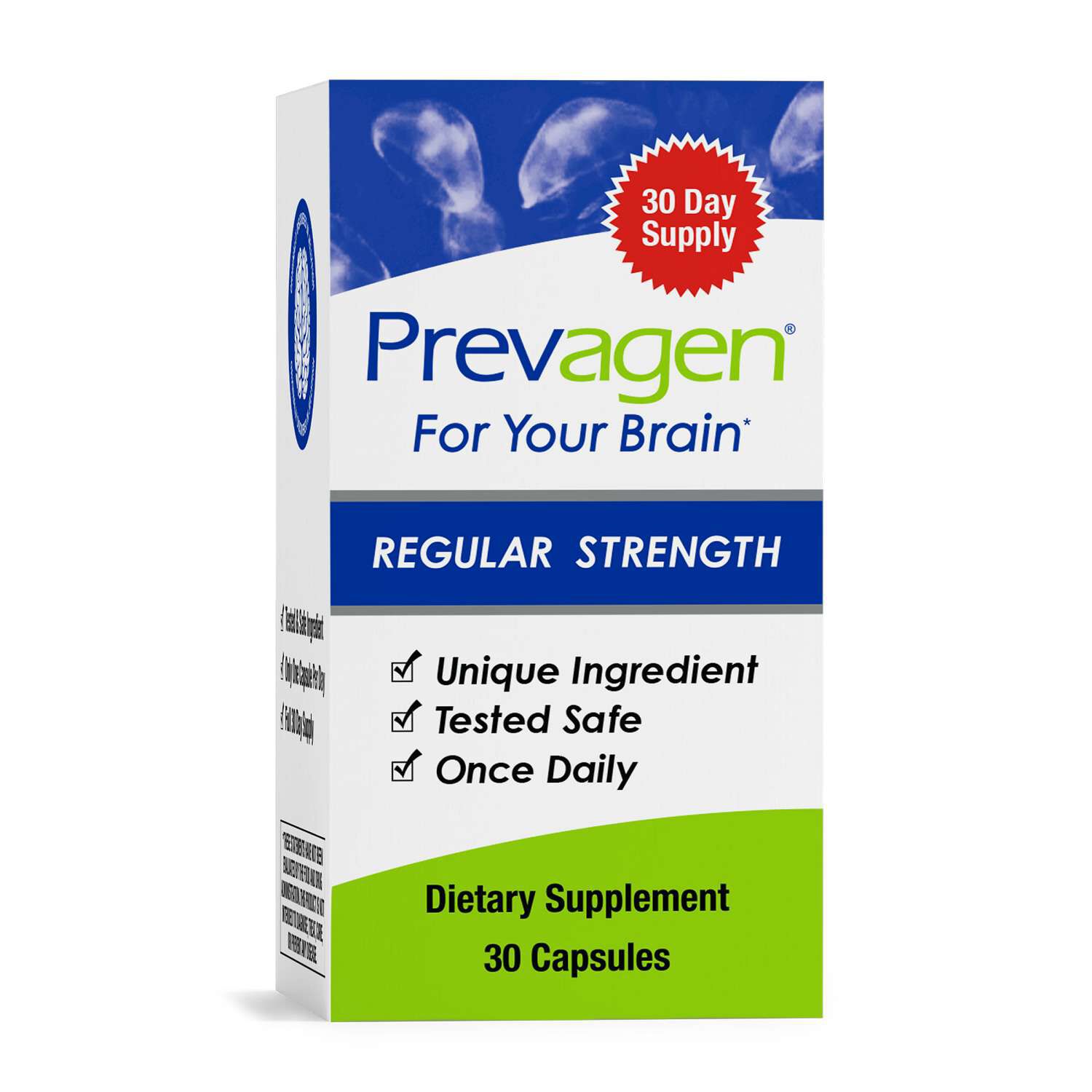

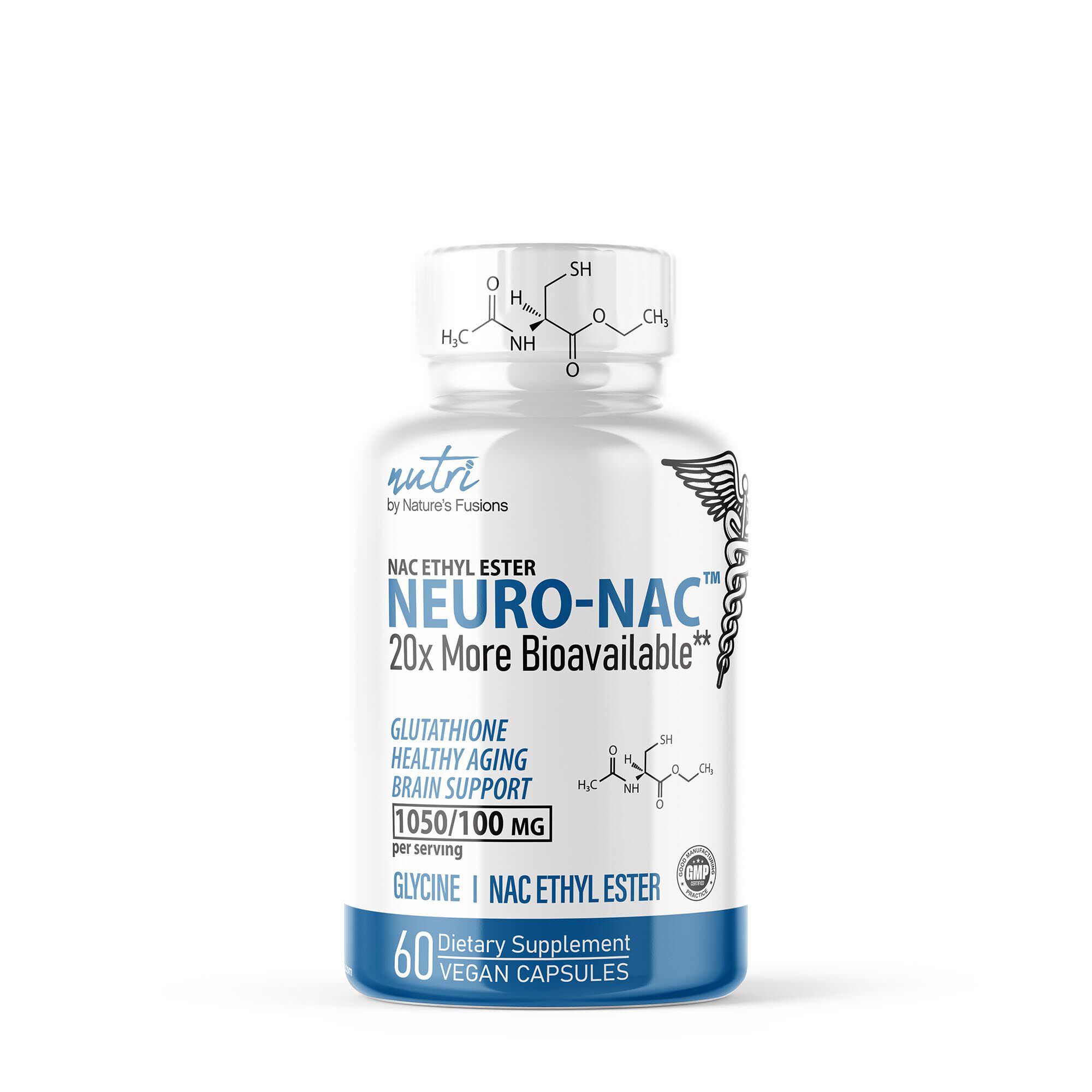
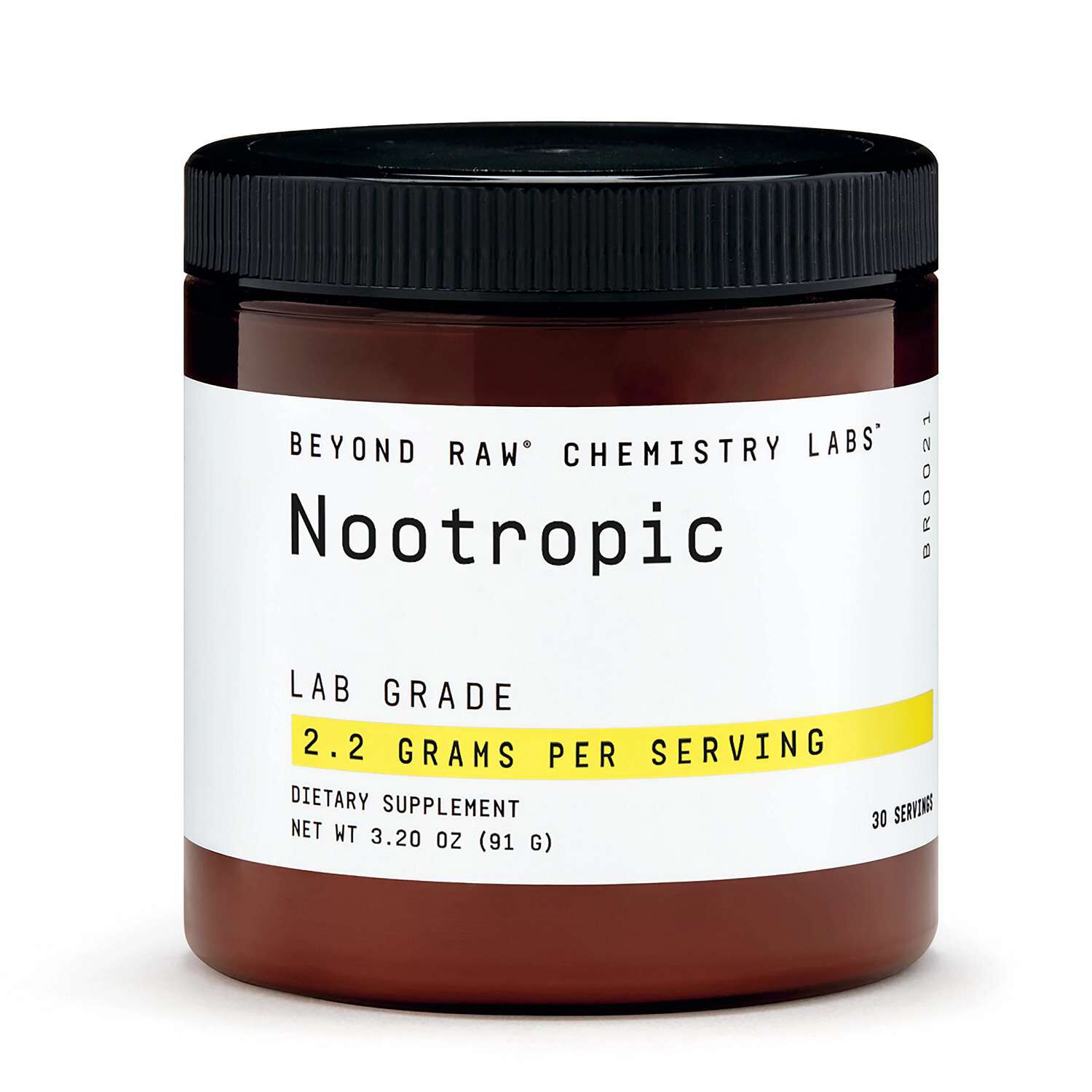
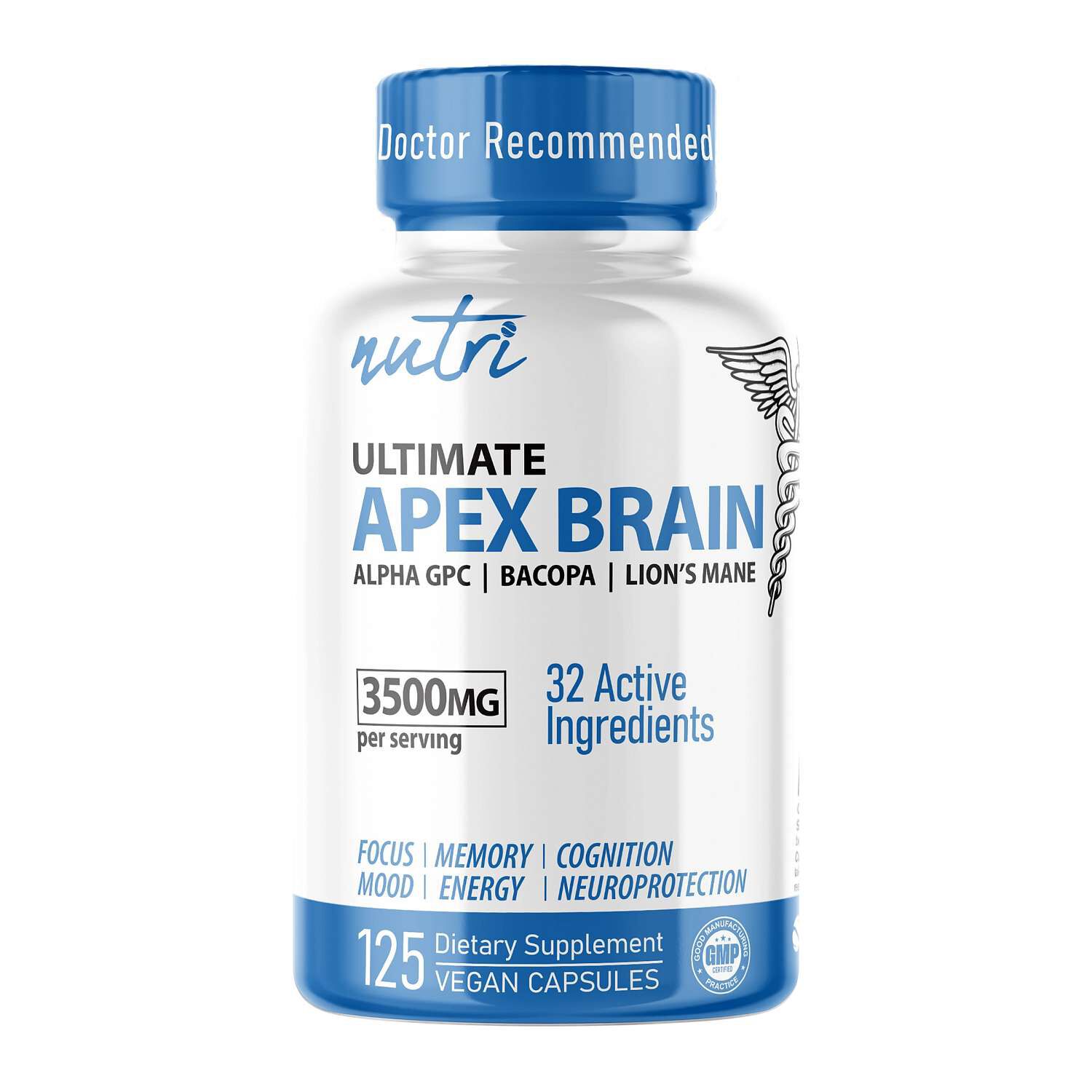
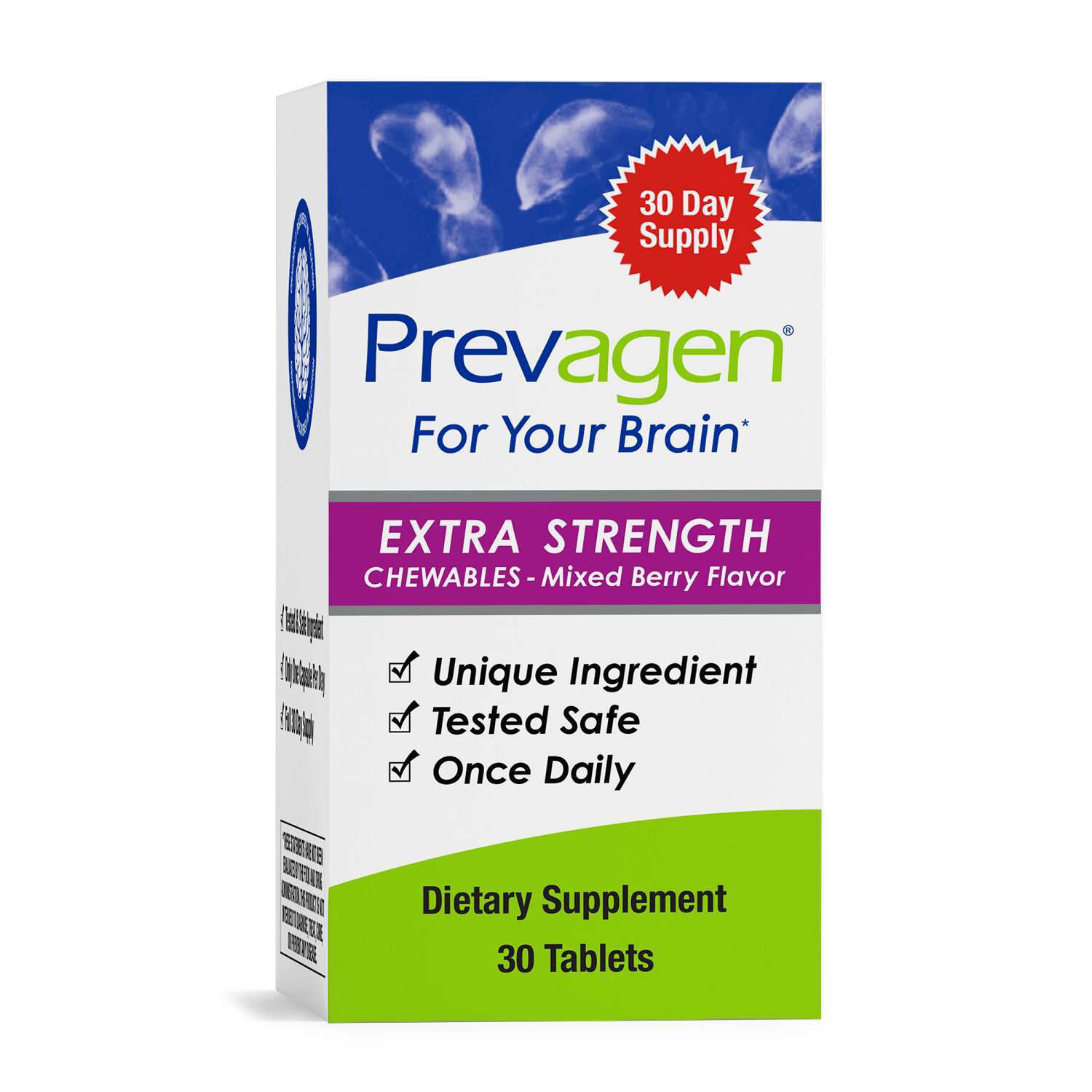
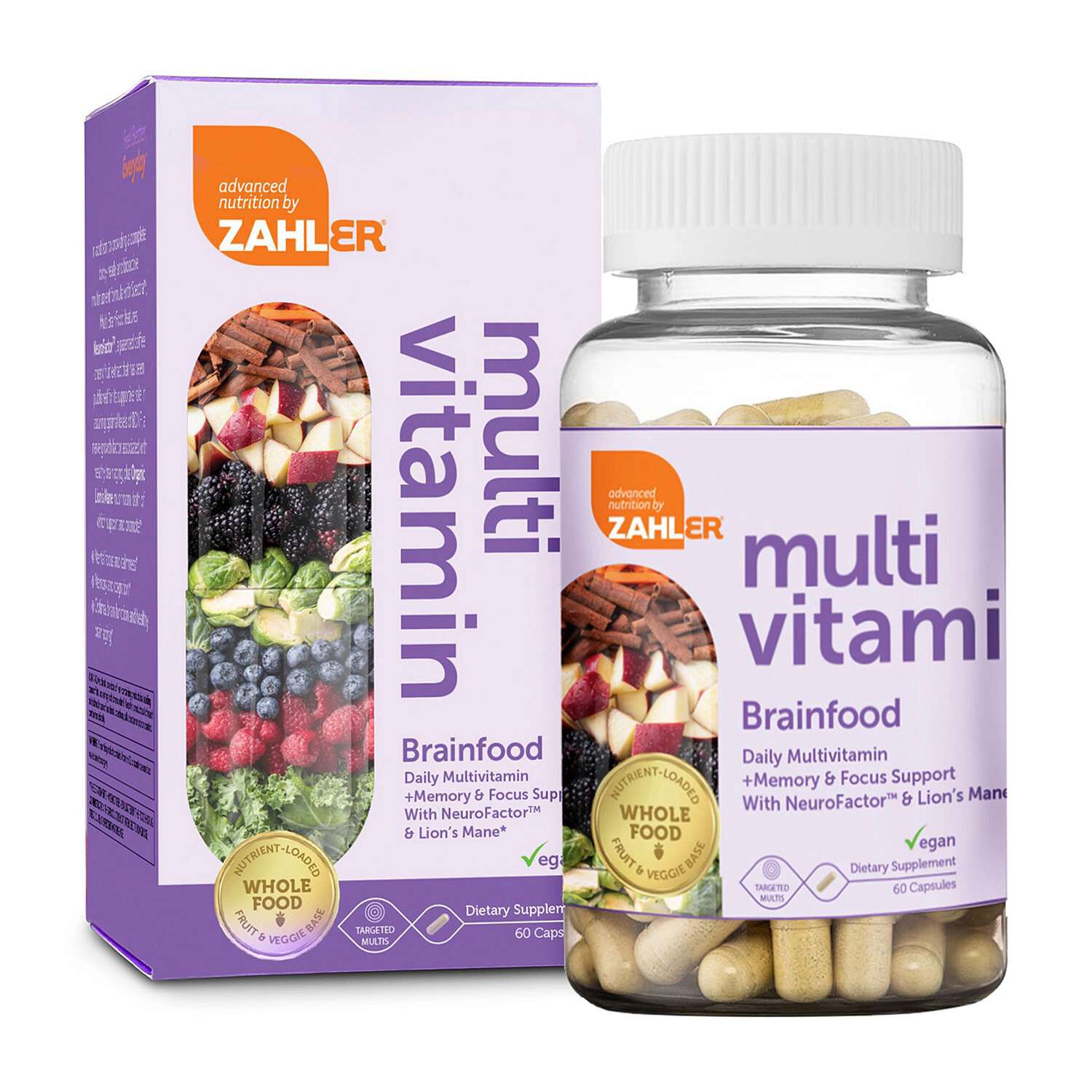
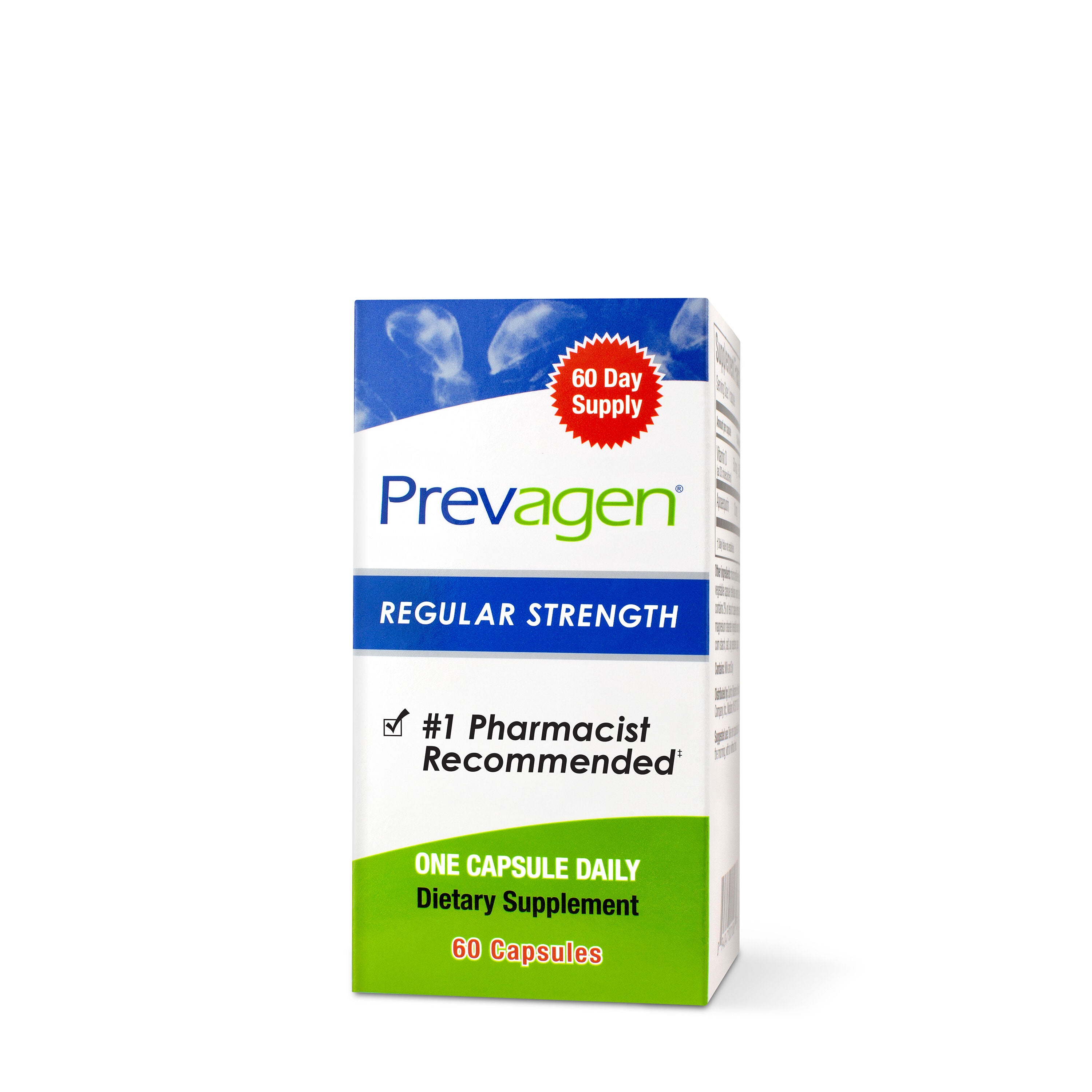


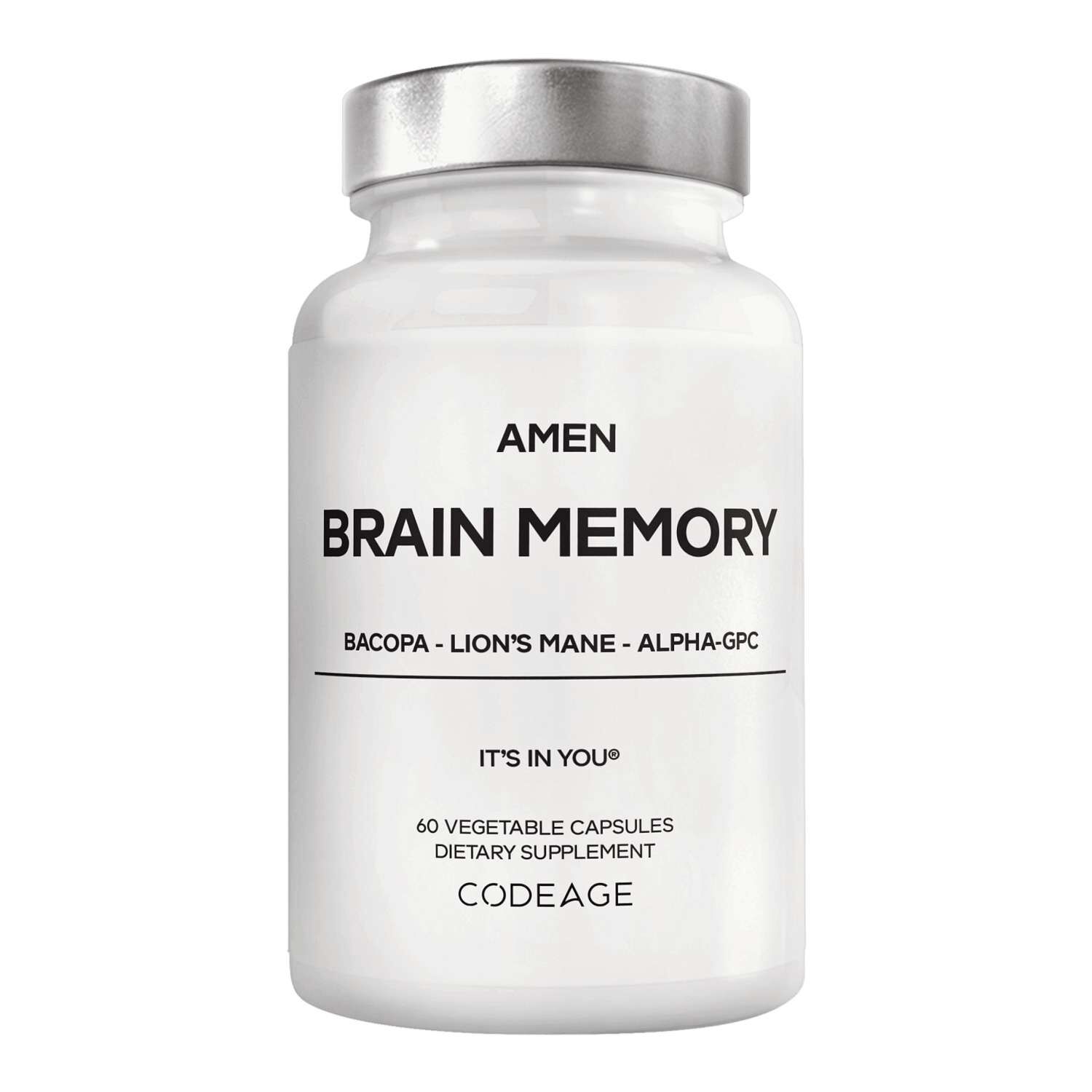

Brain health solutions in a supplement collection are nutritional products intended for adults interested in memory, focus, and cognitive wellness. They may complement a wellness routine built around varied meals, regular movement, restful sleep, and time spent learning and connecting with others. The category is best understood in that everyday context, rather than as a shortcut to sharper thinking or a replacement for daily habits. Vegetables, fruit, whole grains, beans, nuts, and sources of unsaturated fats are familiar parts of a varied eating pattern. Walking, reading, practicing a musical instrument, and sharing a conversation also have a place in a well-rounded routine. Supplements fit into a different part of the picture: they offer a way to add selected nutrients or other dietary ingredients, with suitability depending on the individual and the formula. Brain health supplements may contain vitamins, minerals, omega-3 fats, botanical ingredients, or combinations of these. Those ingredient groups are not interchangeable, and similar wording on the front of two packages does not mean their contents are alike. A closer comparison involves the ingredient list, amounts per serving, format, and labeled intended use. Someone moving between work and evening classes may value a straightforward serving routine, while someone who already takes several supplements may place greater importance on understanding overlapping ingredients. Adults interested in cognitive wellness may also have different preferences about capsules, tablets, chewables, powders, or liquids. The most relevant choice is not necessarily the formula with the longest ingredient list or the largest number printed on the package. It is a choice that reflects personal preferences, clear labeling, and informed consideration of suitability. Questions about an ingredient’s relevance to a particular person, or its use alongside medications or other supplements, belong with a qualified healthcare professional. That individualized context matters more than broad language about concentration, memory, or mental performance.
Comparing brain health supplements starts with understanding what a serving actually contains. A bottle’s capsule count and its number of servings describe different things, especially when the suggested serving includes more than one capsule or tablet. The Supplement Facts panel provides the serving size and declared amounts, while the other-ingredients list adds details about capsule shells, coatings, flavorings, sweeteners, and similar components. Capsule materials may be animal-derived or plant-derived, which matters to shoppers with particular dietary preferences. Chewable formats may have a texture and flavor that influence the daily experience, while powders and liquids introduce considerations such as measuring, mixing, and carrying a serving away from home. A powder intended for a beverage also has practical characteristics worth comparing, including its suggested preparation method and whether its flavor suits that drink. These are differences in use, not evidence that one format will produce a better cognitive outcome than another. For someone who prefers a small number of steps in the morning, a format that requires measuring and mixing may feel less convenient than one taken directly from its container. For another person, that same preparation may fit naturally beside breakfast. Adults comparing these everyday considerations may also explore Brain Health Support Supplements For Busy Adults for a related shopping focus. Beyond format, labels may identify ingredient sources, dietary characteristics, allergen information, and age-specific directions. Those details deserve attention rather than assumptions based on the category name. An adult-oriented formula, for example, should not be treated as suitable for every member of a household. When a package references testing or certification, the named organization and the scope of that statement provide useful context. Testing information may address ingredient identity or manufacturing standards; it should not be read as evidence of a particular memory or focus result. Transparent information helps distinguish what a supplement contains from what a shopper hopes to experience.
The practical side of choosing brain health solutions continues after the label comparison. Intended use includes how a supplement fits into an ordinary day, where it will be stored, and how closely its format matches a person’s preferences. A morning spent packing lunches and catching a train looks different from a quiet breakfast at home, and a container that stays on a kitchen shelf has different handling demands from one carried in a work bag. Package size, closure design, and labeled storage directions are useful details in either setting. Tablets, capsules, powders, and liquids can have different storage requirements, so the instructions on the individual container take precedence over general assumptions about the category. Depending on the format, directions may address moisture, light, temperature, refrigeration, or use after opening. A securely closed original container also keeps the ingredient information, serving directions, and date markings together for later reference. For travel or a shared household, that connection between the contents and their label is particularly useful. Packaging condition and legible instructions matter more than decorative presentation, and a supplement’s usefulness is not measured by how long an opened bottle can remain in a cabinet. Shopping with an established routine in mind may help narrow the comparison without turning the choice into a search for the most elaborate formula. Someone who values a short ingredient list may compare single-nutrient options differently from someone considering a blend, while a person with dietary preferences may begin with capsule materials or ingredient sources. Neither approach establishes that a supplement will produce a noticeable change. Experiences may vary, and expectations are better grounded in the stated contents and intended use than in dramatic descriptions of productivity. Brain health supplements may have a place alongside everyday wellness habits, but they are not replacements for varied food, adequate rest, enjoyable activity, or meaningful connection. A thoughtful comparison keeps those distinctions clear while giving practical details—serving format, labeling, storage, and personal suitability—the attention they deserve.
What types of ingredients are commonly found in brain health supplements?
Brain health supplements may include ingredients such as omega-3 fatty acids, B vitamins, ginkgo biloba, and herbal extracts that shoppers may choose for cognitive support.
How should brain health supplements be incorporated into a daily routine?
Many people choose to take brain health supplements with meals or as directed on the product label. It's helpful to follow the suggested use instructions provided by the manufacturer.
Are there specific times of day that are better for taking brain health solutions?
Some individuals prefer taking these supplements in the morning or early afternoon, but timing can depend on personal preference and the specific product's directions.
Can brain health supplements be taken alongside other vitamins or supplements?
Many people combine brain health solutions with other daily vitamins or supplements. Checking the product label for any usage recommendations is helpful when adding new products to your regimen.
What lifestyle habits might complement the use of brain health solutions?
Maintaining a balanced diet, staying physically active, getting adequate sleep, and engaging in mental exercises may all support overall cognitive wellness alongside supplement use.
Best Sellers
Related Pages
Top Collections
- Joint Mobility Supplement Packs
- Daily Collagen Supplements | Top Brands & Deals | GNC
- GLP 1 Support For Adults
- Zinc Supplements | Top Brands at Great Prices | GNC
- Supplements For Yoga Joint Flexibility
- Supplements For Balance
- Capsule Supplements For Energy And Stamina
- Adult Mobility Supplements
- Chronic Fatigue Supplements
- Vitamins For Hair Loss