Calorie Intake For Muscle Building
(0 Results)
Calorie intake for muscle building plays a key role in supporting your fitness journey. Finding the right balance of nutrients and energy may help you work towards your strength goals. Whether you’re new to training or looking to optimize your routine, exploring options that align with your calorie intake for muscle building could be an important step. Discover a variety of solutions that may fit your lifestyle and support your workout plan as you focus on building muscle and reaching your potential.
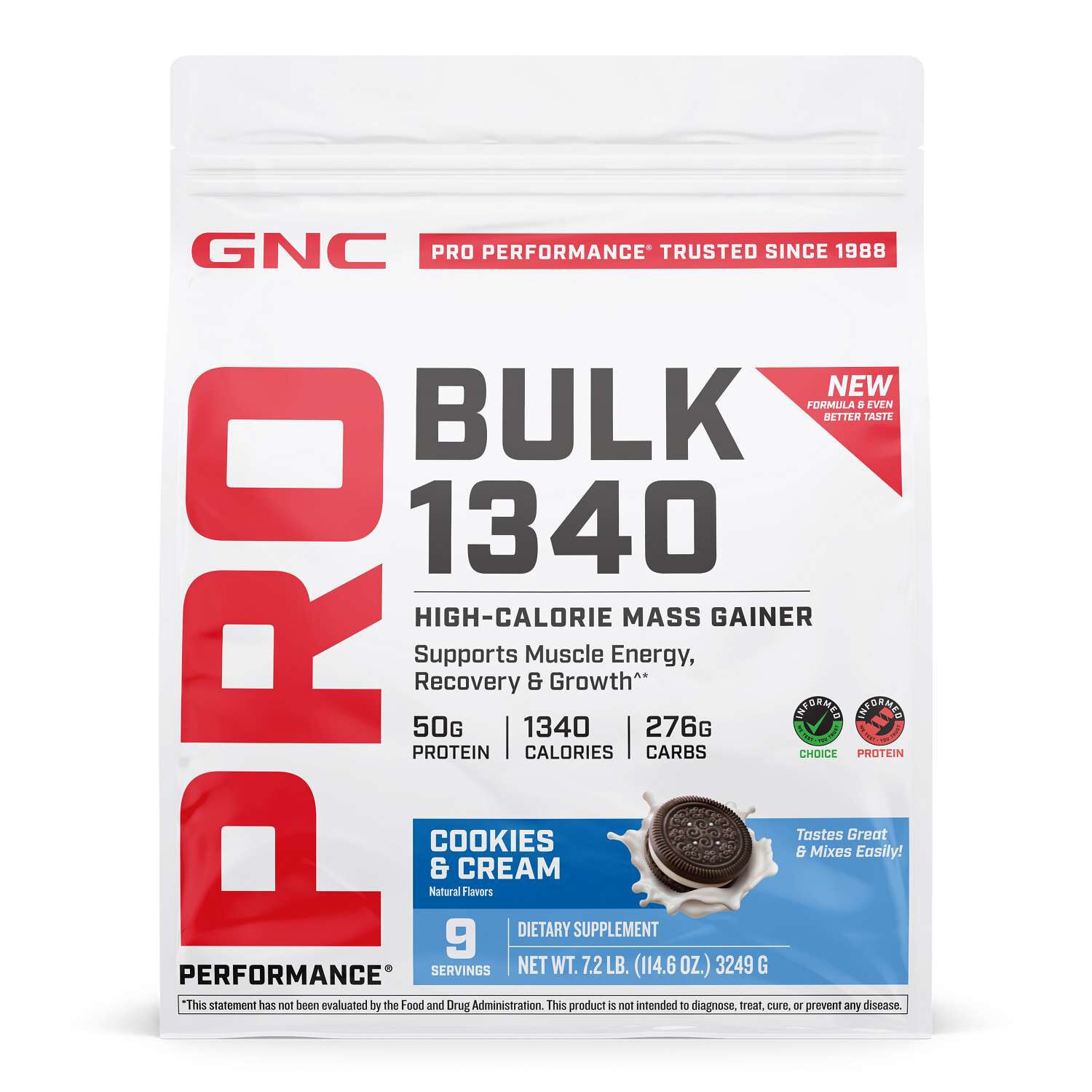
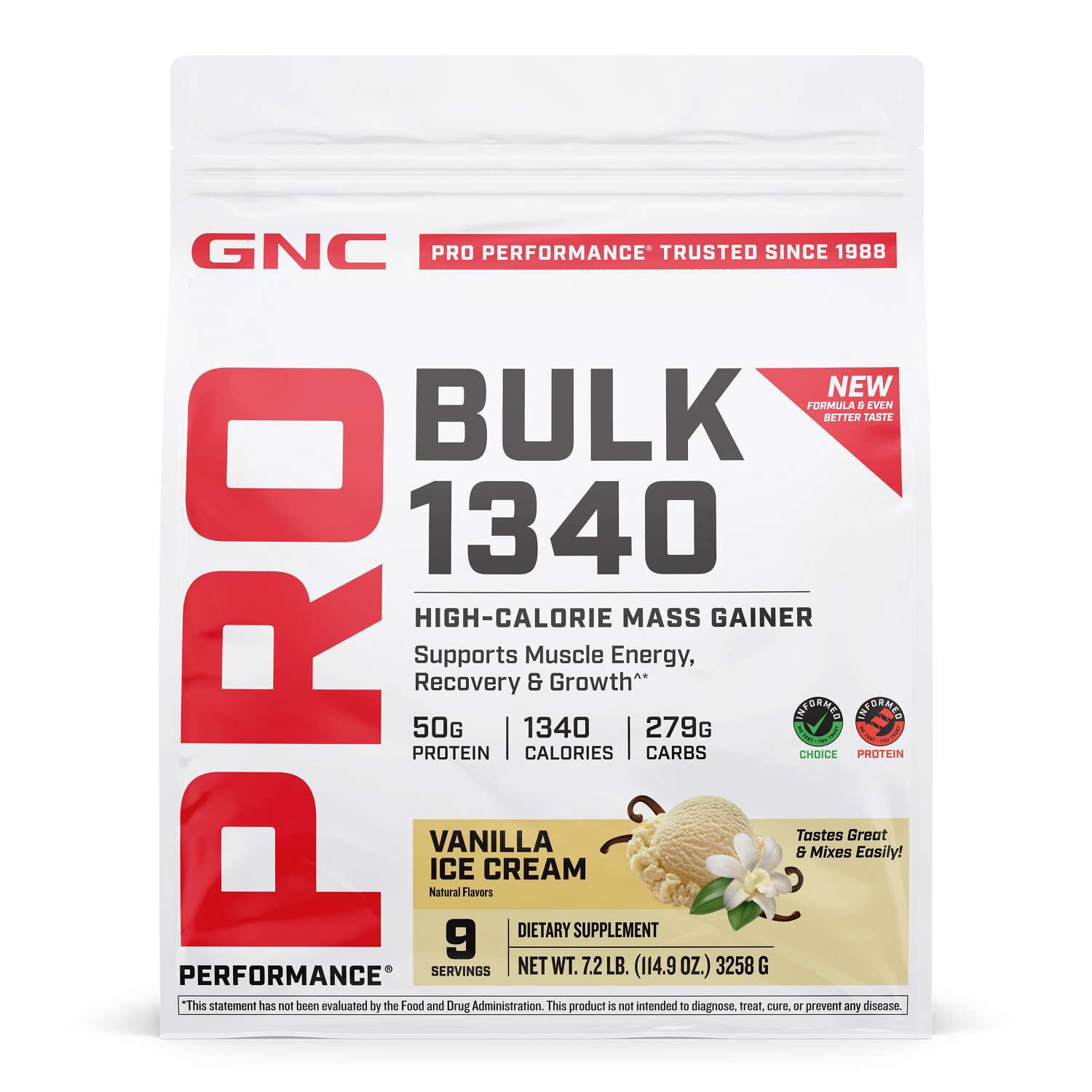
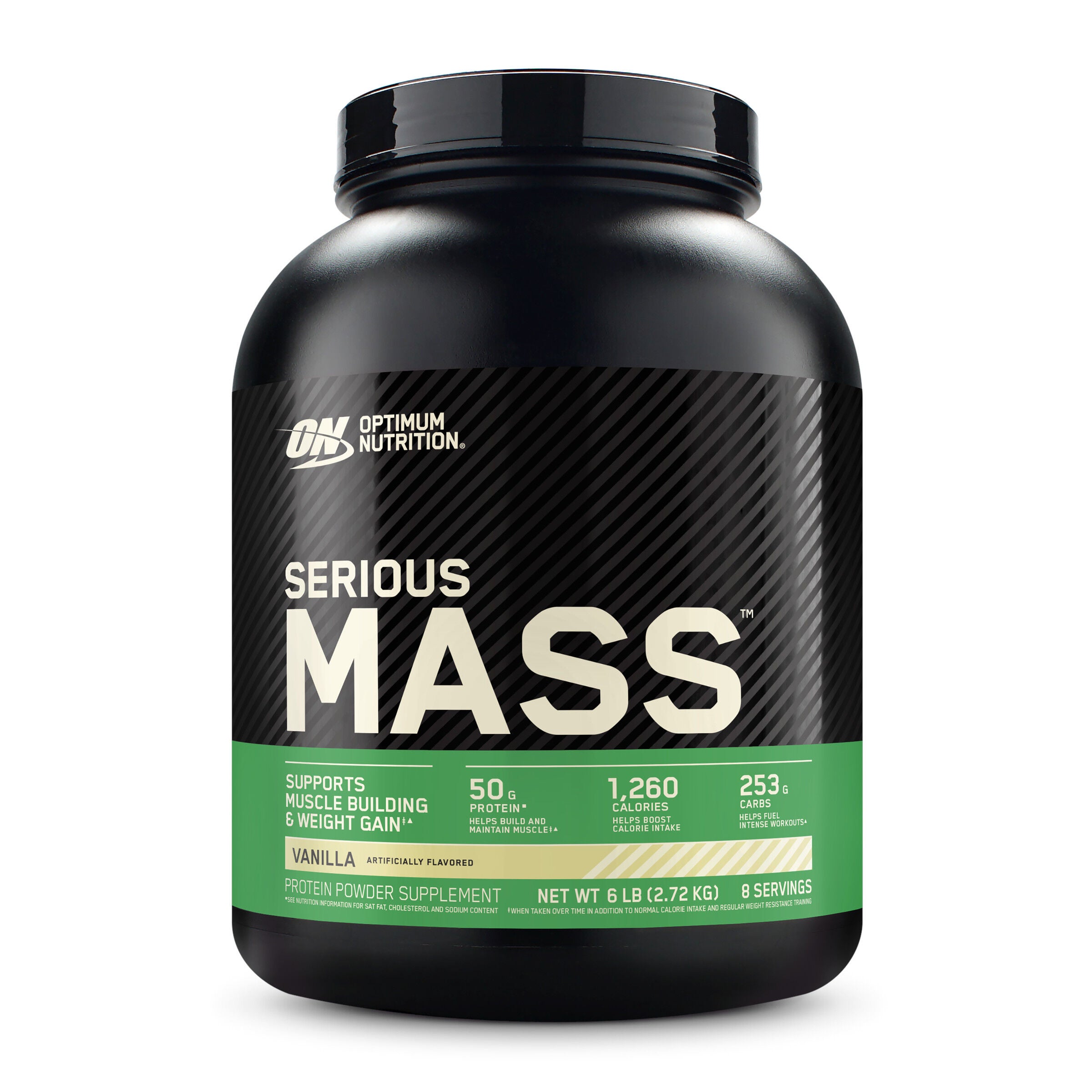
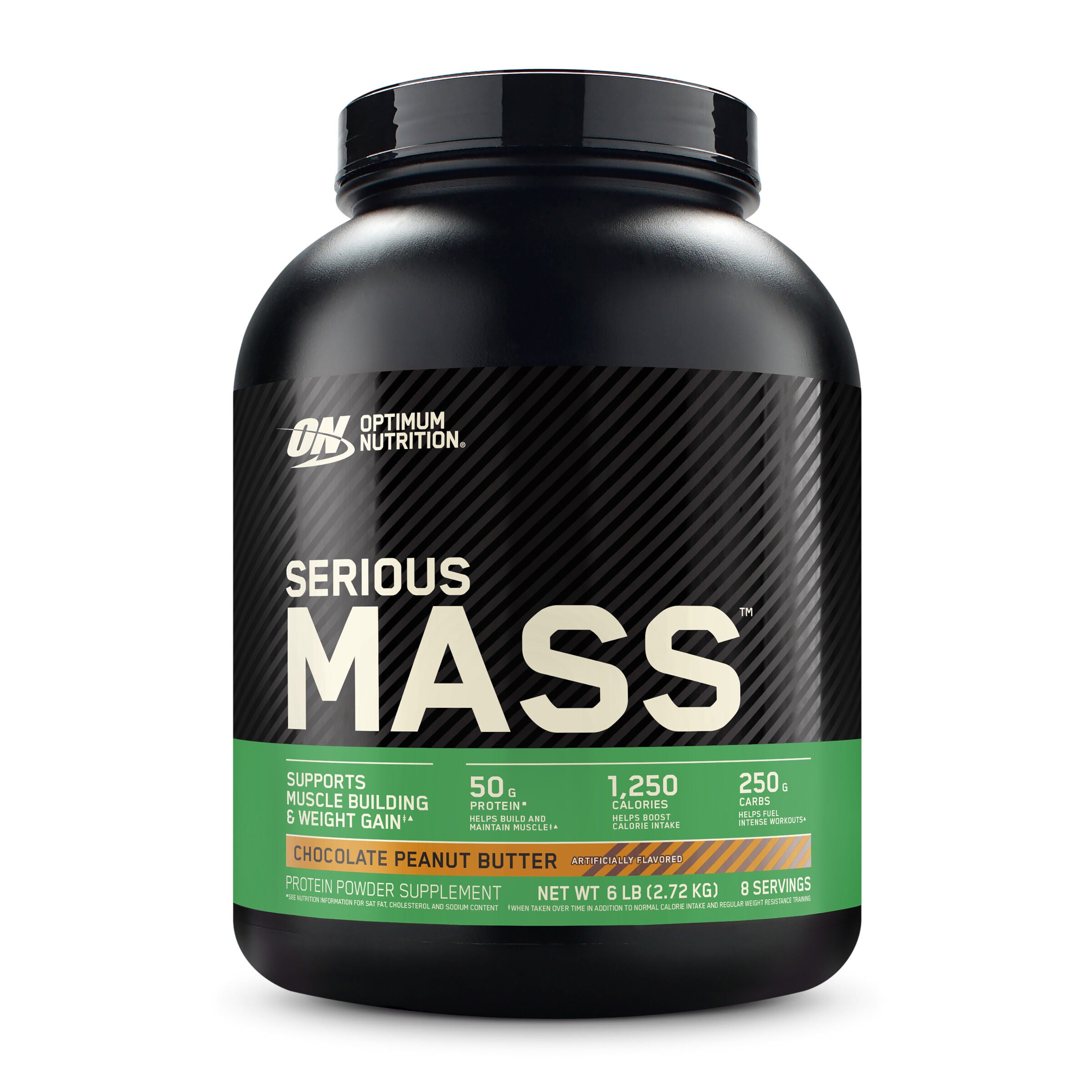
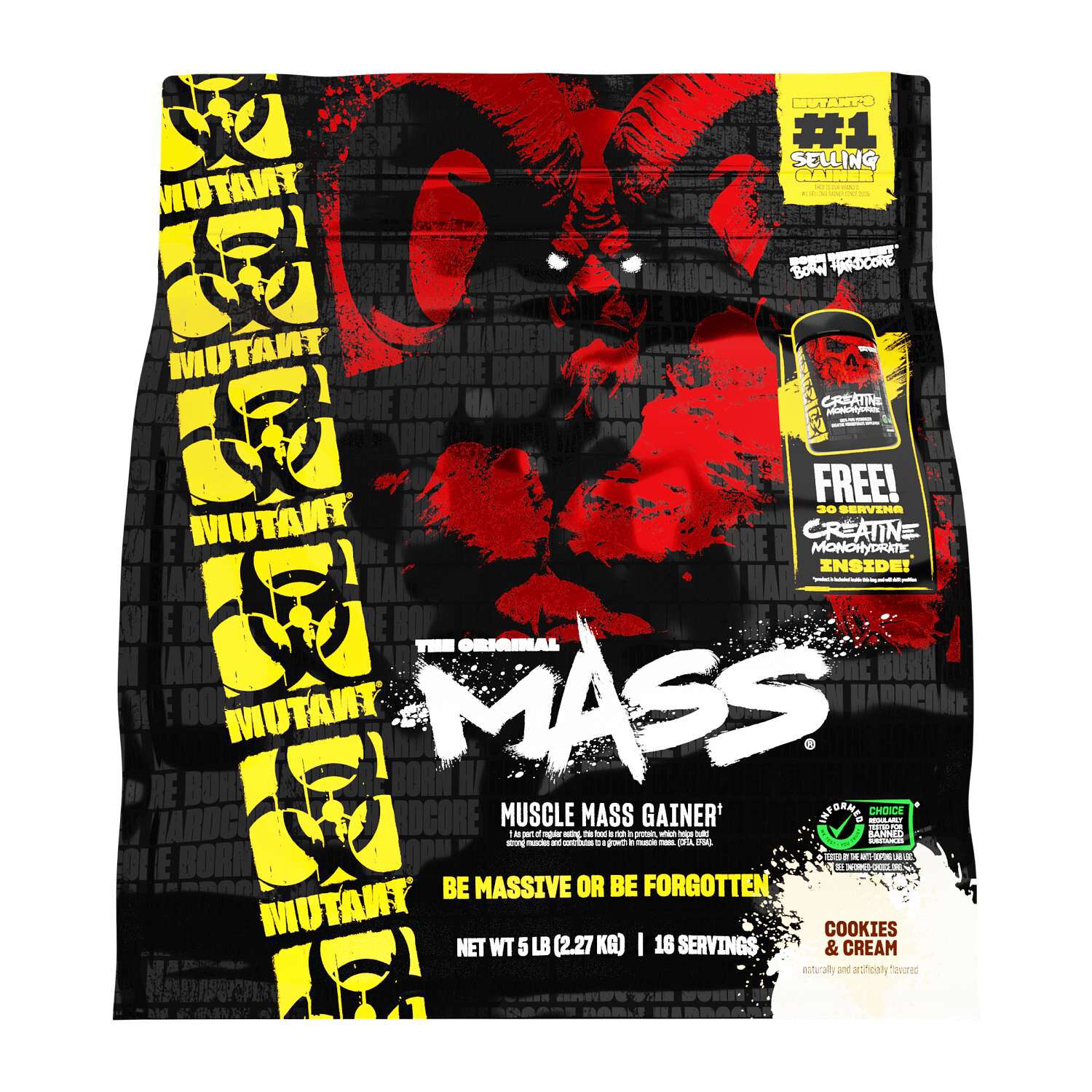
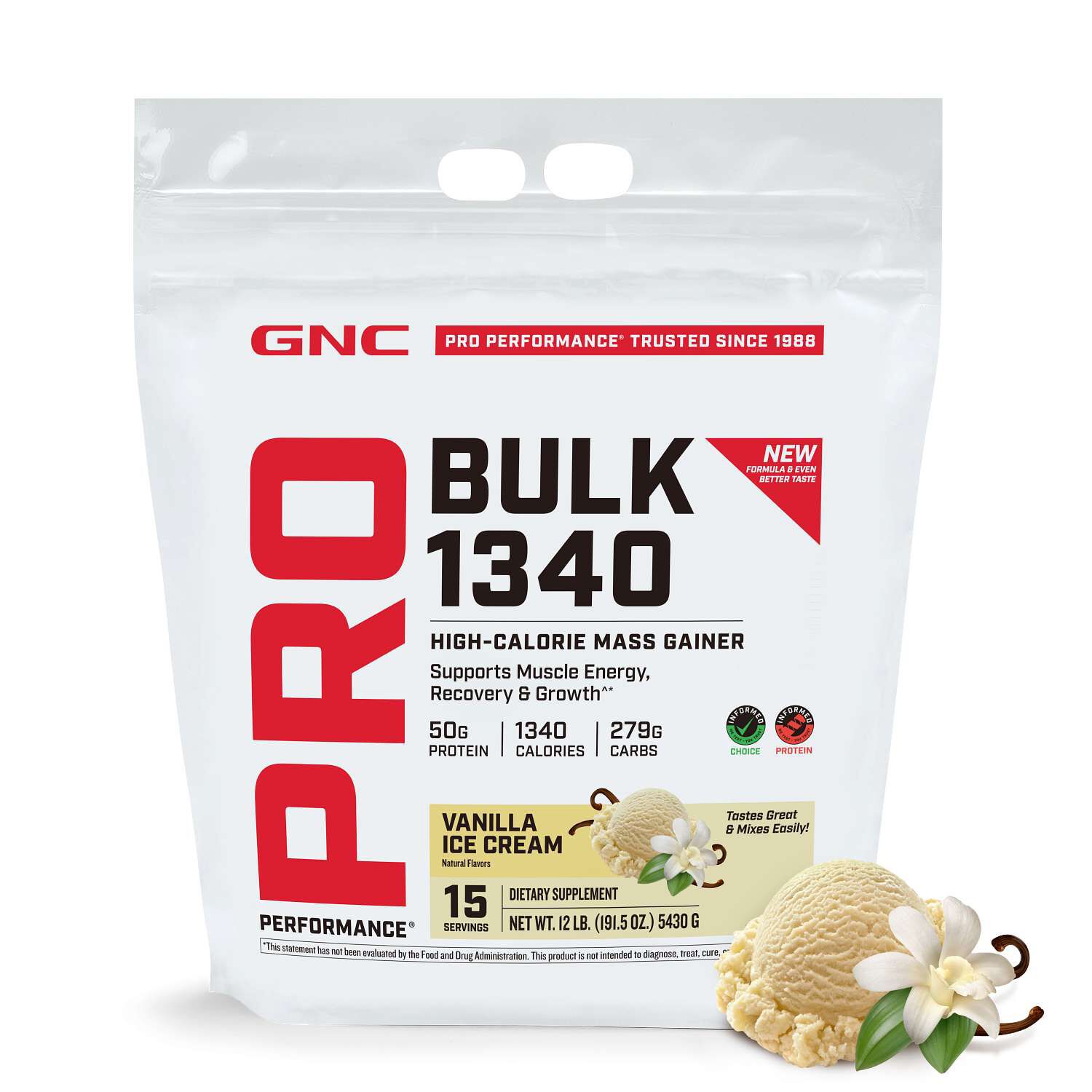

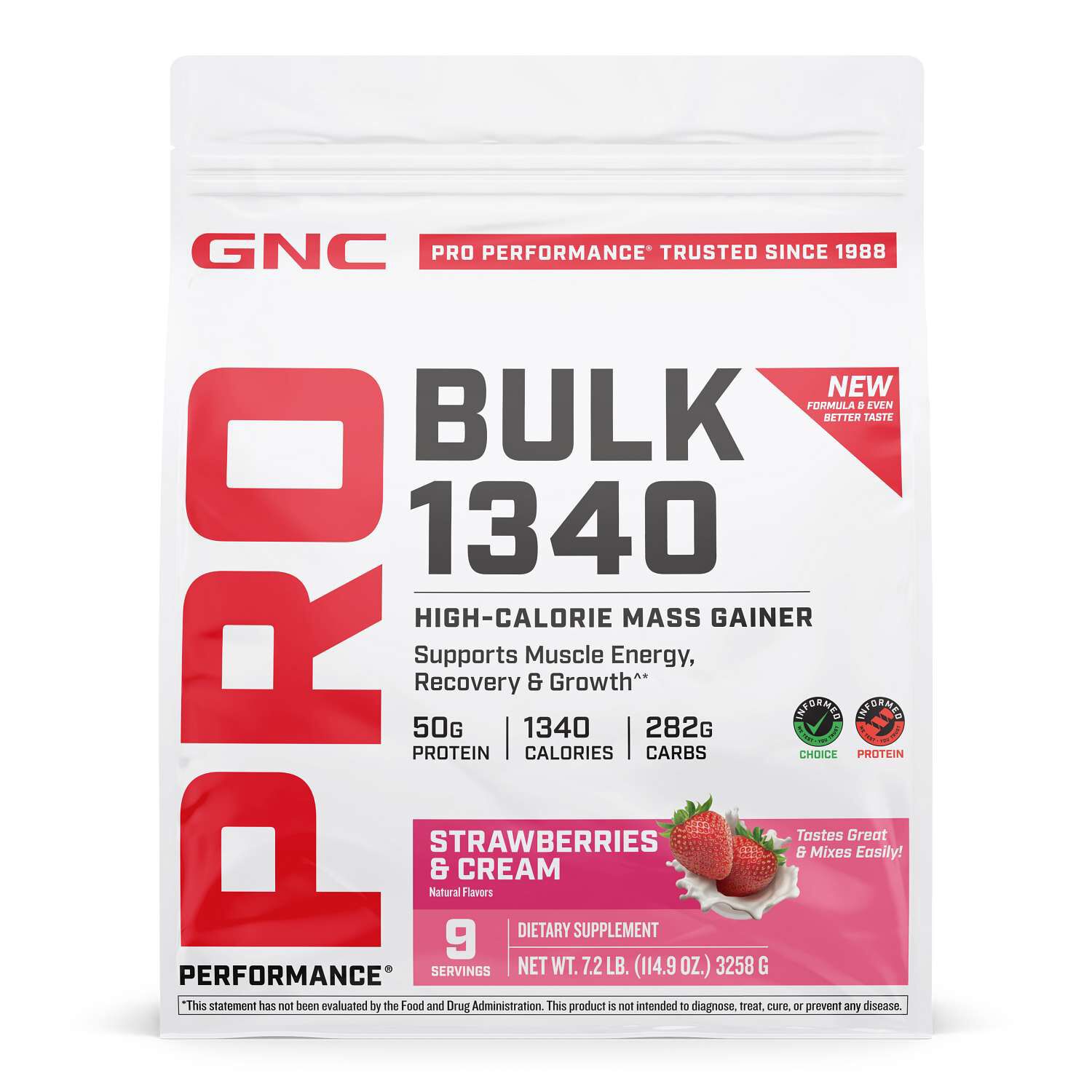

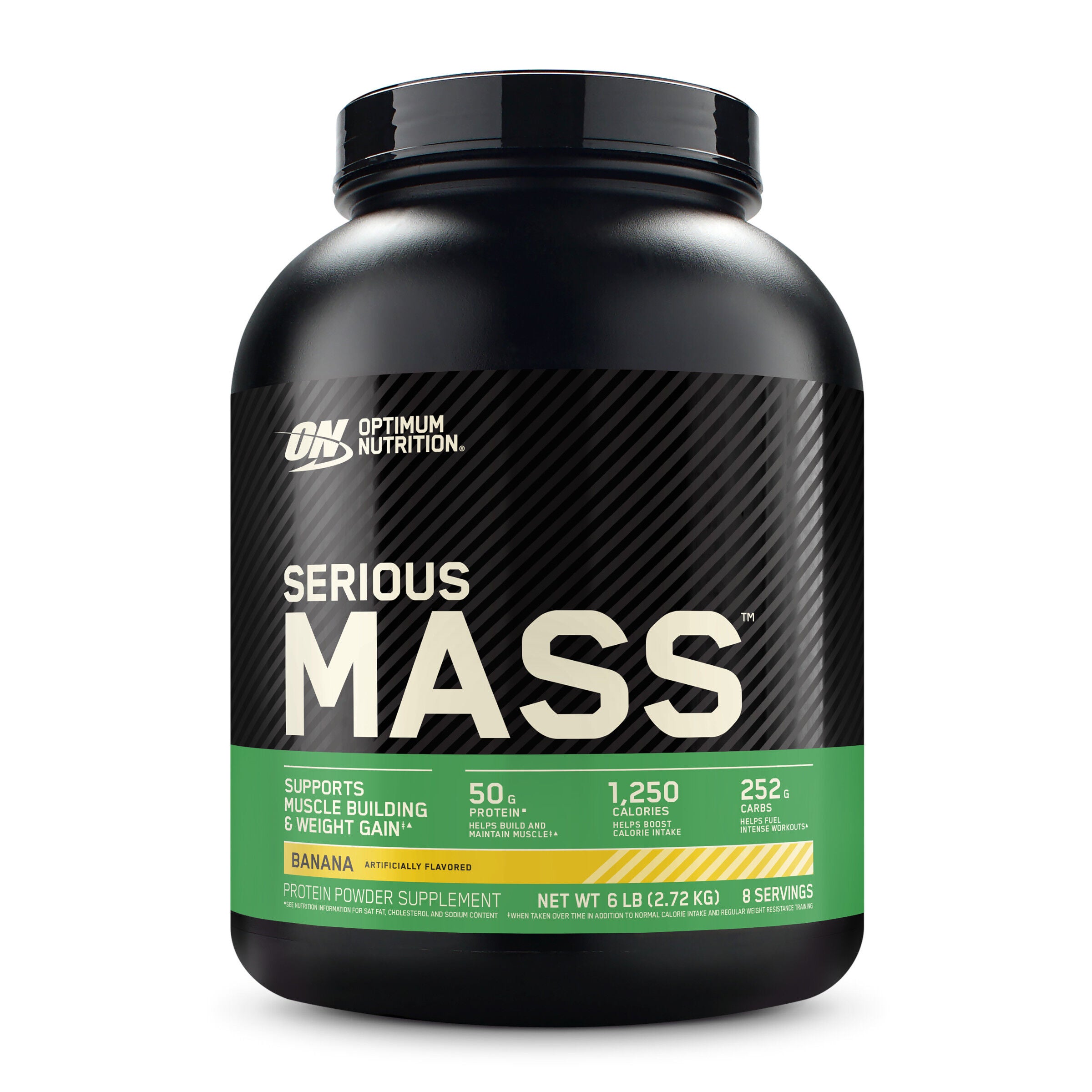

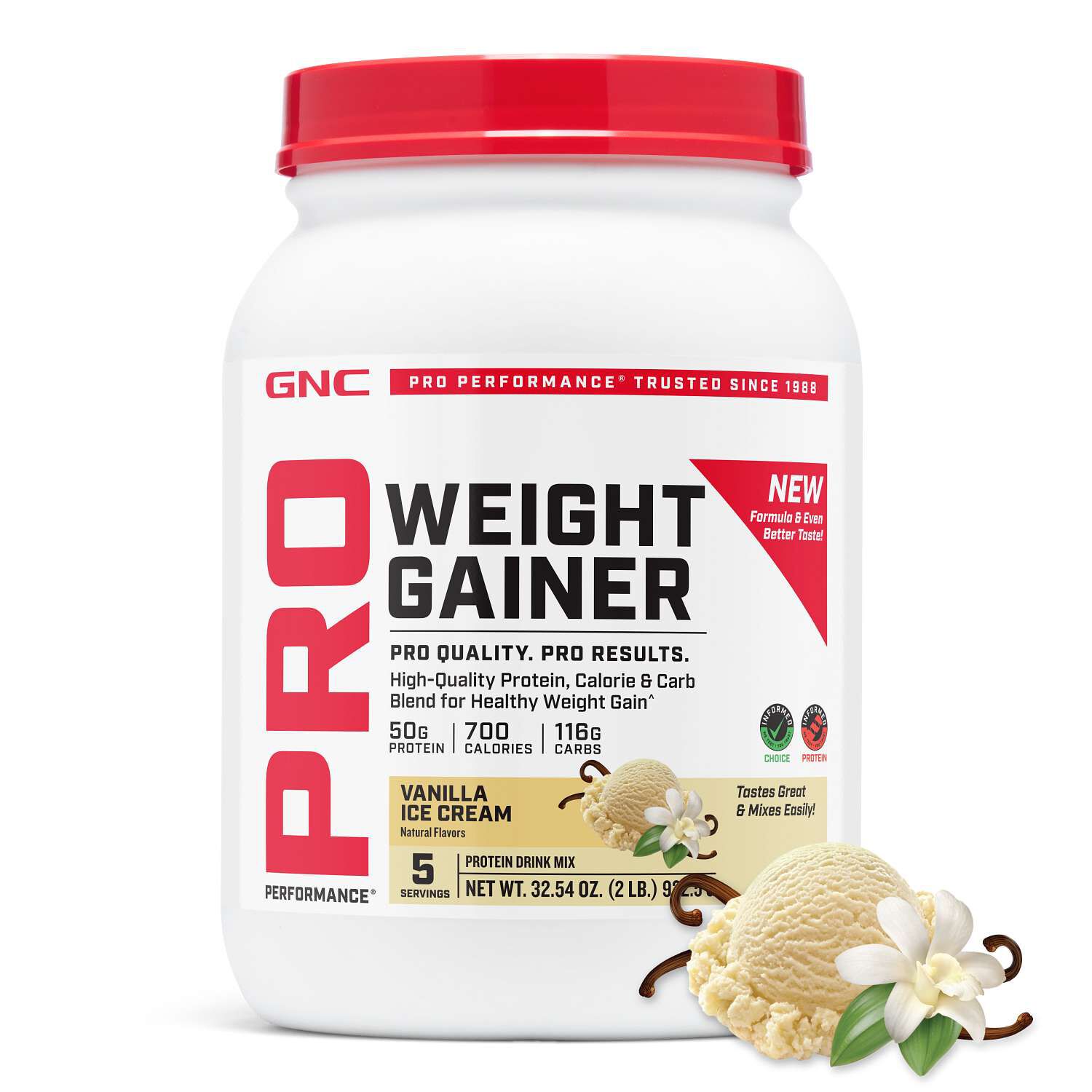


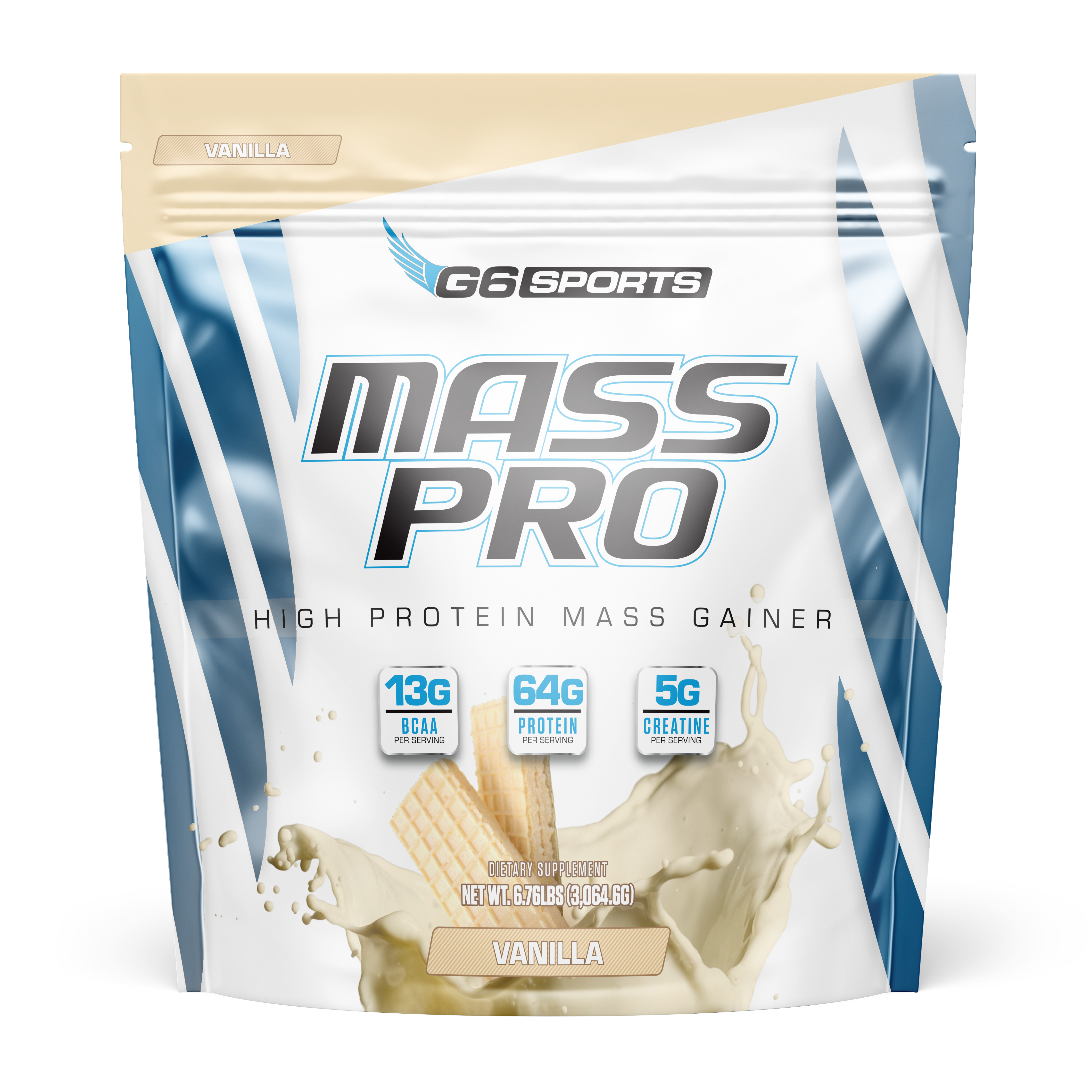
Calorie intake for muscle building centers on the relationship between food intake, daily energy use, and resistance training. A calorie surplus means consuming more energy than the body uses, while maintenance intake refers to the amount associated with relatively stable body weight. A modest surplus may support muscle-building goals alongside consistent resistance exercise and adequate protein, but the appropriate amount varies from person to person. For someone whose maintenance intake is 2,500 calories, an intake of 2,750 calories would represent a 250-calorie surplus; those same numbers could mean something different for someone with a different body size or activity pattern. Age, body composition, training demands, and movement outside the gym all influence energy needs. Someone who spends the workday walking and lifting has a different routine from someone who sits at a desk before an evening workout. Within that broader picture, protein powders, calorie-dense drink mixes, nutrition shakes, and snack bars offer different ways to organize everyday nutrition. A protein-focused powder may fit a routine where meals already supply sufficient energy, while a mass gainer may offer a more concentrated source of calories from a combination of protein, carbohydrates, and fat. These nutrients contribute different amounts of energy: protein and carbohydrates each provide approximately four calories per gram, while fat provides approximately nine. That distinction helps explain why similar-looking servings can have substantially different calorie counts. Serving size matters just as much as the number printed beside calories. One serving might contain several scoops, and a container’s preparation example might include milk rather than water. The calories in the dry powder and the calories in the finished drink are not necessarily the same. Nutrition Facts panels provide a consistent point of comparison across formats, especially when calorie content, protein content, and serving weight are considered together. A smaller scoop is not automatically a lower-calorie serving, and a larger container does not necessarily contain more servings.
Taste, texture, ingredients, and preparation are meaningful considerations for products intended to become part of a regular eating routine. Whey, casein, soy, pea, and blended protein sources differ in origin and mixing characteristics, while formulas with oats or other carbohydrate ingredients may produce a thicker drink. Some powders mix into a light shake; others have a richer texture that is more noticeable in a blender than in a shaker bottle. Water keeps preparation straightforward, while milk, yogurt, fruit, or nut butter changes both the texture and the nutritional content of the finished serving. A chocolate powder blended with banana and milk is a different eating experience from an unflavored powder stirred into oatmeal, even when both start with a similar amount of protein. Flavor strength, sweetness, and serving volume can influence how comfortably a format fits alongside regular meals. A very large shake might feel cumbersome during a short commute, whereas a smaller drink or packaged snack may suit that setting. Ingredient lists also distinguish milk-based formulas from plant-based options and identify ingredients such as soy, peanuts, or tree nuts. Those details matter for people shopping around dietary preferences or ingredient restrictions, and formulations can differ even within the same general category. Bars offer another texture altogether, ranging from soft and chewy to crisp, with coatings or inclusions that affect the eating experience. Powders require a container and liquid, while ready-to-drink formats involve less preparation. Packaging deserves attention as well: a resealable pouch occupies space differently from a rigid tub, and individually wrapped portions fit differently into a lunch bag or gym tote. Printed storage directions, intact seals, and a dry scoop are practical considerations for powdered nutrition. Keeping food products in their intended packaging also preserves access to serving information, ingredient details, and preparation directions during everyday use.
The most relevant format often depends on where a person’s eating routine becomes difficult to manage, rather than on a single headline number. An adult who lifts before work may prefer a shake that fits beside breakfast, while someone with a long afternoon between meals may favor a substantial snack. A person who enjoys preparing smoothies might value a powder with a mild flavor that leaves room for fruit and other ingredients. Someone who dislikes thick drinks may be more interested in smaller serving volumes or a combination of regular meals and portable foods. These are differences in intended use, not evidence that one format suits every muscle-building routine. Timing can be part of that fit, but the calories and protein consumed across the day remain relevant beyond the minutes surrounding a workout. A shake may offer a convenient contribution to daily intake; it does not make resistance training, varied meals, or recovery time interchangeable. Likewise, more calories do not automatically translate into more muscle, and a high calorie count alone says little about a formula’s suitability for a particular eating pattern. Comparing protein per serving, carbohydrate sources, fat content, serving volume, and preparation requirements gives the calorie number useful context. Vitamins and minerals occupy a different nutritional category because they are not meaningful sources of calories. The related selection of Vitamins for Muscle Building offers another area to explore alongside calorie-focused nutrition, rather than a replacement for dietary energy or protein. For shoppers assembling a practical routine, the distinction between energy-containing nutrition and micronutrient supplements is important. A powder that tastes pleasant in a familiar breakfast, a shake that travels conveniently, or a snack with a texture someone enjoys may be easier to incorporate consistently than a format chosen only for its largest printed number. Clear serving information and a realistic match with everyday meals make calorie-focused nutrition easier to compare on its actual role in the day.
- Q: What is calorie intake and why might it matter for muscle building?
A: Calorie intake refers to the number of calories consumed through food and beverages. For those interested in muscle building, paying attention to calorie intake may support fitness goals by providing energy for workouts and recovery. - Q: How could someone estimate their daily calorie needs for muscle building?
A: Estimating daily calorie needs for muscle building might involve considering factors such as age, weight, activity habits, and fitness goals. Many people use online calculators or consult with nutrition professionals to help determine a starting point. - Q: Should calorie intake be adjusted on workout days versus rest days?
A: Some individuals choose to adjust their calorie intake based on how active they are, consuming more calories on workout days to support energy use and potentially less on rest days. Personal preferences and routines may influence this approach. - Q: What types of foods could contribute to a balanced calorie intake for muscle building?
A: A balanced approach to calorie intake for muscle building might include a mix of protein-rich foods, complex carbohydrates, healthy fats, fruits, and vegetables. This variety may help provide nutrients that support overall wellness. - Q: Can tracking calorie intake be helpful for those focused on muscle building?
A: Tracking calorie intake may help some individuals stay mindful of their nutrition habits while working toward muscle-building goals. There are various apps and tools available that could make tracking easier.
Best Sellers
-
 GNC Pro Performance
-
 GNC Pro Performance
-
 GNC Pro Performance
-
 GNC Pro Performance