





Children's Drops
(0 Results)
Children's drops offer an easy and convenient way to help ensure your little ones receive the nutrients they need. These liquid supplements are designed to be gentle on young tummies while providing a range of vitamins and minerals that growing bodies may require. Ideal for picky eaters or children who have difficulty swallowing pills, children's drops could make it simpler to support your child's health and wellness. Explore our selection of children's drops to find the perfect addition to your family's daily routine.



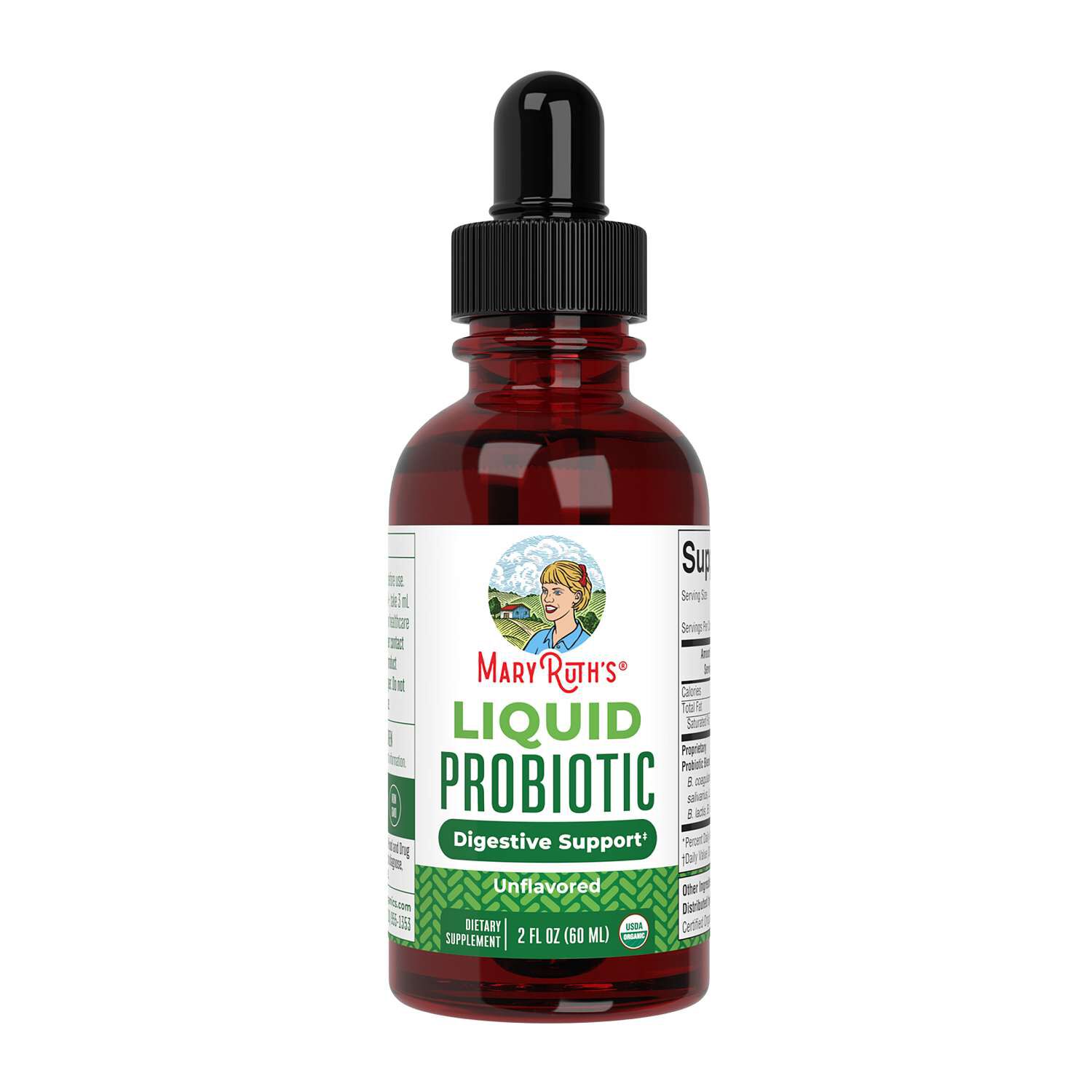
Children’s supplement drops are oral liquid dietary supplements packaged for measured servings, often with a dropper, dispensing insert, or another measuring component. This category includes children’s vitamin D drops, liquid multivitamins, and formulas containing nutrients such as vitamin C or zinc. Some formulas contain a single nutrient, while others combine several vitamins and minerals. The liquid format may appeal to families who prefer an alternative to tablets, capsules, or chewables, but the format alone does not indicate which ages a formula is intended for. Age recommendations, nutrient amounts, ingredients, and serving directions distinguish one type of children’s drops from another. A formula labeled for toddlers, for example, has a different intended audience from one labeled for older children, even when the bottles look similar. Children’s drops in a supplement category are intended for oral use and are distinct from products made for the eyes or ears. Their place in a family’s routine is as a dietary supplement, not as a substitute for meals or a varied eating pattern. When comparing children’s liquid vitamins, the most useful details are usually on the Supplement Facts panel and the surrounding label rather than the front of the bottle alone. These details identify the nutrients present, the amount in a labeled serving, and the age group associated with the directions. The serving may be expressed as a number of drops or as a volume in milliliters; those measurements are not interchangeable. A small bottle is not necessarily less concentrated than a larger one, and similar-looking droppers do not necessarily hold the same volume. For a parent comparing bottles at the kitchen counter, this information gives the category more context than package size or flavor names. It also explains why children’s supplement drops are best understood by their individual labels rather than treated as one uniform type of liquid.
Ingredients and flavor are another part of comparing children’s drops, especially for families who pay close attention to the foods and supplements that enter the household. Beyond the listed vitamins and minerals, a liquid formula may contain an oil or water base, flavoring ingredients, sweeteners, or ingredients used to maintain its consistency. These components affect the formula’s texture, appearance, and taste, although the label may not describe every sensory detail. Fruit-flavored drops and formulas without added flavoring offer different experiences, and neither description establishes how a particular child will respond to the taste. A familiar flavor may make a liquid format more appealing to some children, while others may prefer a less pronounced flavor. Labels also provide information about added sugars and declared allergens, including ingredients derived from milk or soy when present. Families with specific ingredient preferences can compare those statements alongside the nutrient panel rather than relying on a color, fruit illustration, or short description on the front. For multinutrient formulas, the combination matters as much as the number of nutrients listed: two liquid multivitamins for children may contain different vitamins and minerals in different amounts. For single-nutrient formulas, concentration and serving size remain useful points of comparison. The measuring component deserves a close look as well. A dropper marked in milliliters offers a different measuring experience from a bottle designed to dispense individual drops. Clear markings, readable directions, and a cap that closes securely are practical packaging details for an adult handling a small bottle. Someone managing a busy breakfast table may particularly appreciate directions that are easy to locate and a measuring component that is straightforward to identify. These are considerations about format and handling, not indications that one formula is suitable for every child. The strongest comparison keeps intended age, labeled serving, ingredients, and packaging together instead of letting any single feature determine the choice.
Daily handling and storage are also part of understanding children’s vitamin drops. Bottle materials, closures, and measuring components vary, so care instructions belong to the individual package. Some formulas have specific directions about shaking, storage after opening, or cleaning the measuring component. Refrigeration should not be assumed simply because a supplement is liquid, and a storage instruction on one bottle does not automatically apply to another. The label is also the reference for whether a serving is taken directly or mixed with a permitted food or beverage. Where mixing is described, the stated directions provide the relevant context; a liquid format by itself does not establish that every formula can be added to any drink. Keeping the bottle with its original label preserves access to the ingredient list, serving information, storage directions, and date markings. Packaging durability matters in an everyday sense, too: a bottle used repeatedly needs its closure and measuring component kept in the condition described by the manufacturer. A separate household spoon or a dropper from another bottle is not the same measuring tool as the component specified for that formula. In households with more than one child, clearly distinguishing bottles and their intended age groups may make the supplement routine easier to organize. The same attention is useful when another caregiver handles the routine, since an adult familiar with one package may encounter different directions on another. For a broader look at liquid supplement formats, Supplement Drops provides a related category to explore, while children’s formulas remain a distinct consideration because of their labeled audience and serving information. Whether the preference is for a single nutrient or a multinutrient blend, children’s drops bring together several practical details in a compact package. Readable labeling, suitable measuring components, ingredient transparency, and clearly stated care instructions give families concrete ways to compare the category beyond flavor and bottle appearance.
Best Sellers


Related Pages


Top Collections
- Joint Mobility Supplement Packs
- Daily Collagen Supplements | Top Brands & Deals | GNC
- GLP 1 Support For Adults
- Zinc Supplements | Top Brands at Great Prices | GNC
- Supplements For Yoga Joint Flexibility
- Supplements For Balance
- Capsule Supplements For Energy And Stamina
- Adult Mobility Supplements
- Chronic Fatigue Supplements
- Vitamins For Hair Loss