





Nutrition For Brain Function
(0 Results)
Nutrition for brain function is an important part of supporting your overall wellness routine. A variety of nutrients may play a role in helping you stay sharp and focused throughout your day. Whether you’re looking to maintain concentration, support memory, or simply give your mind the nourishment it needs, exploring options for nutrition for brain function could be a helpful step. Discover a range of supplements and vitamins that are designed with your cognitive wellness in mind.
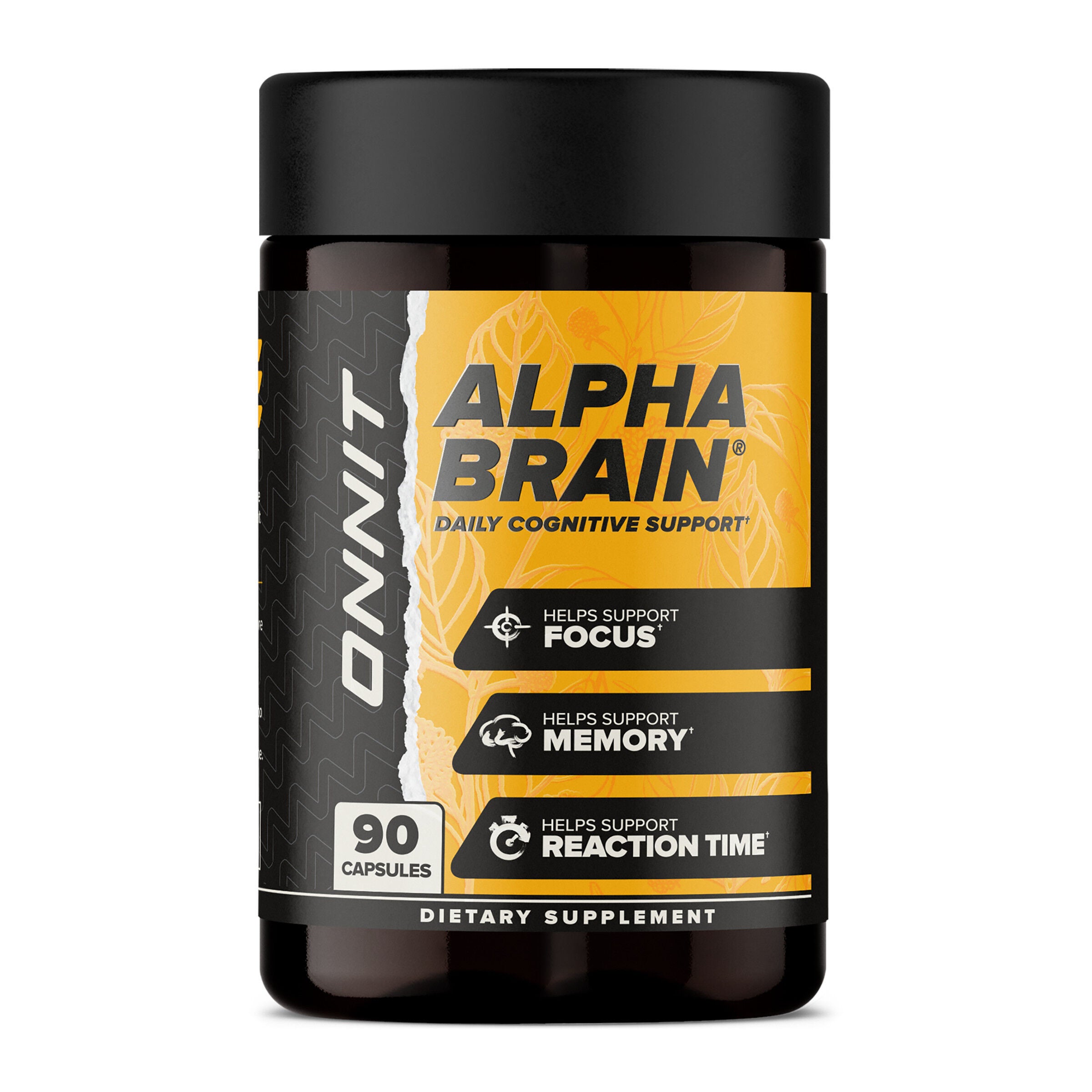

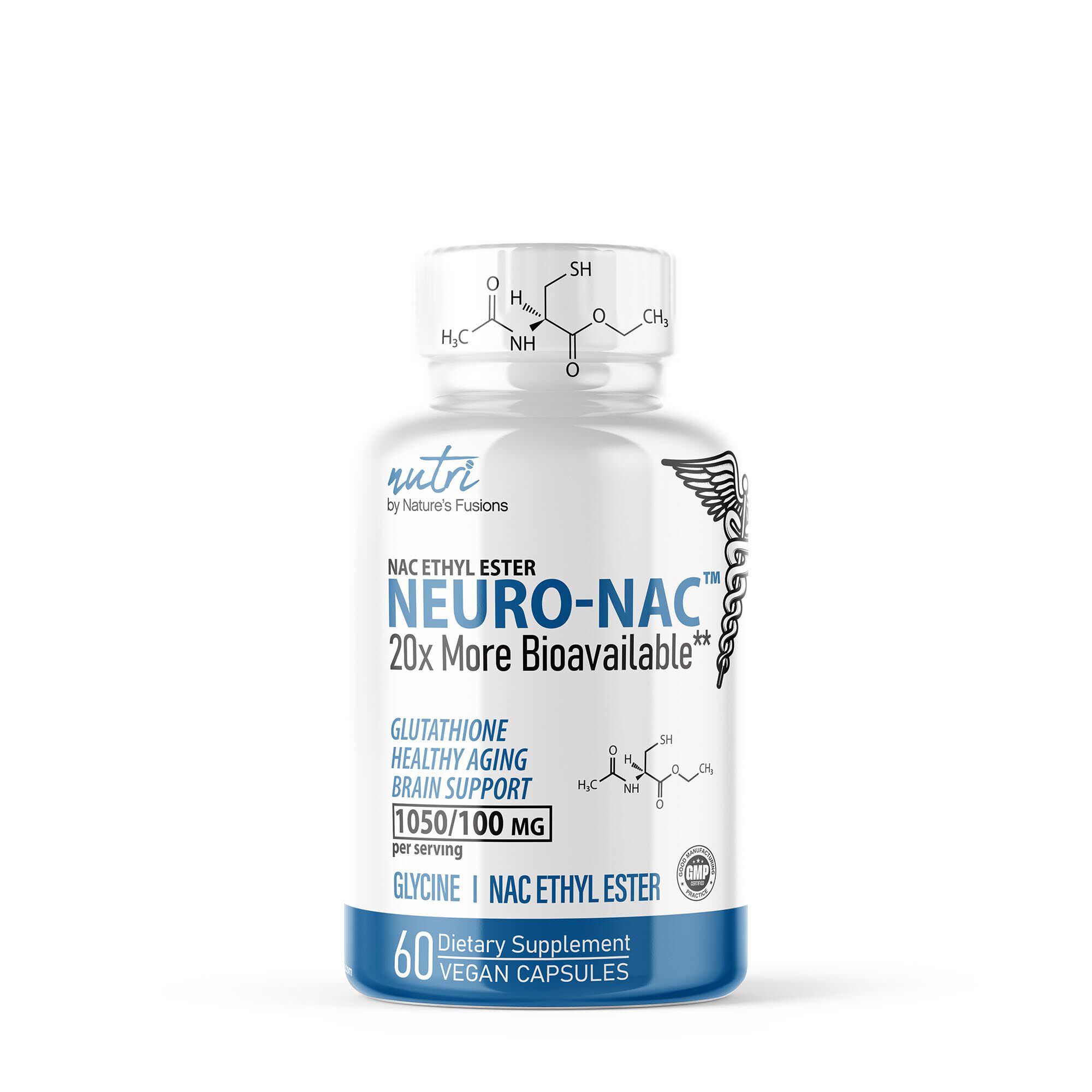
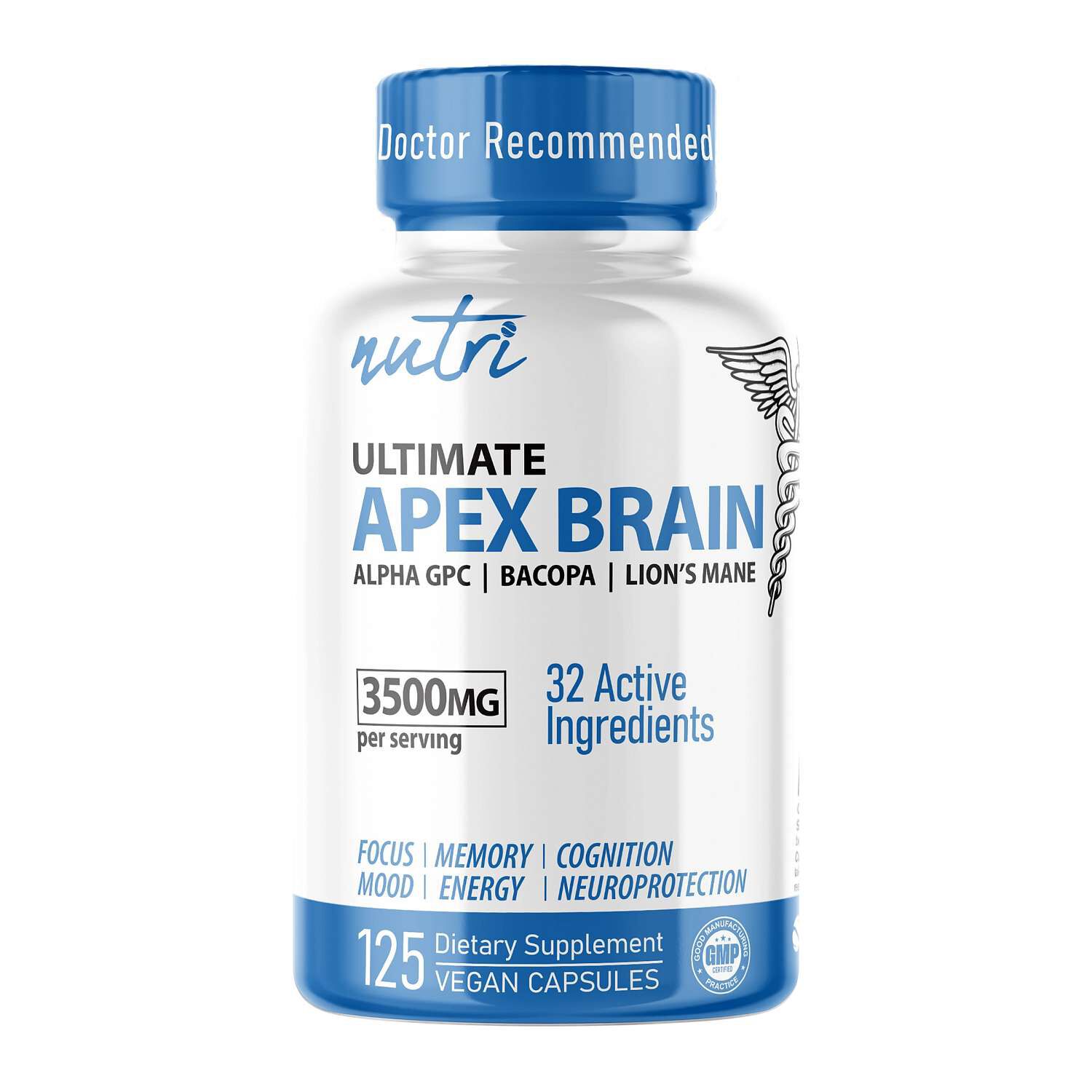
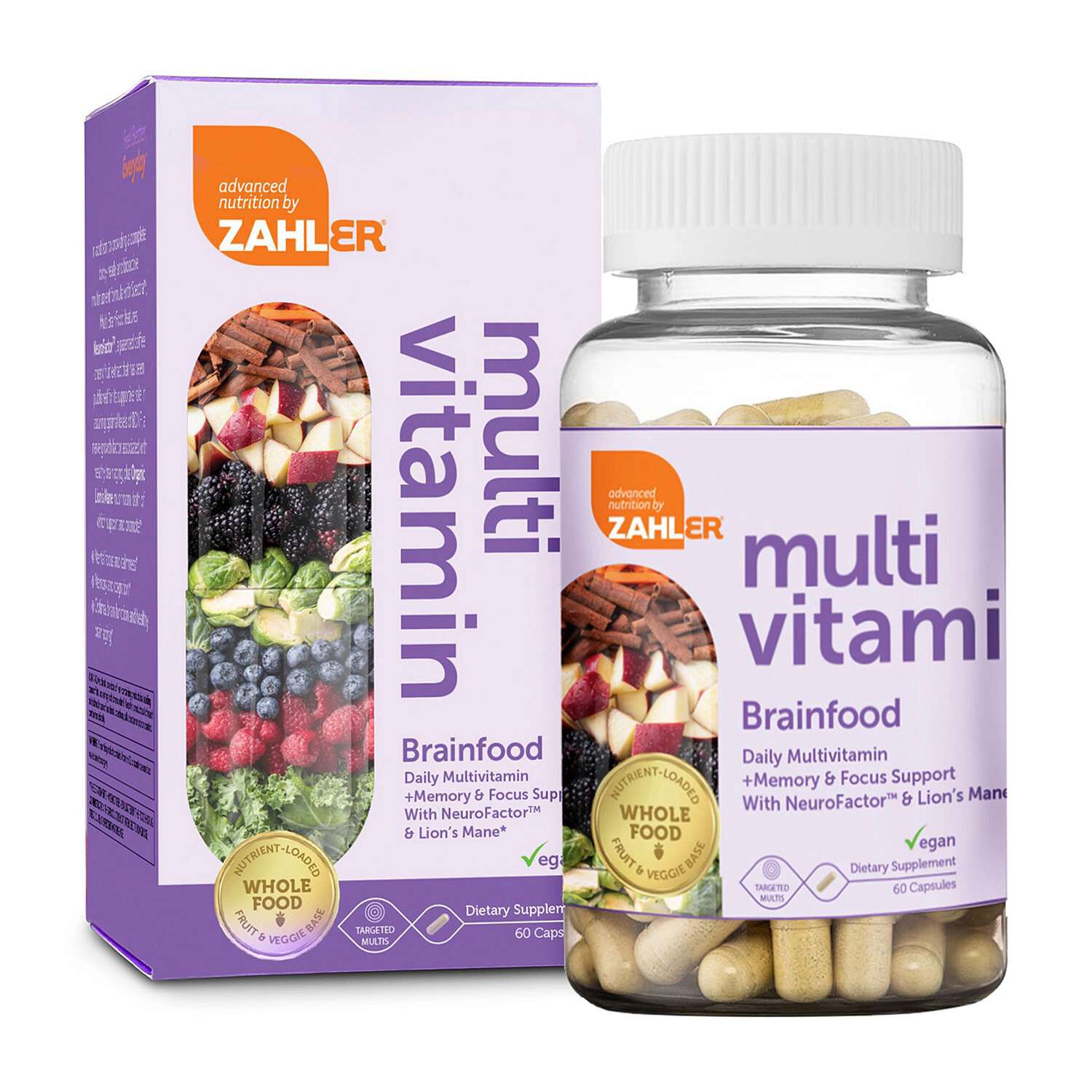


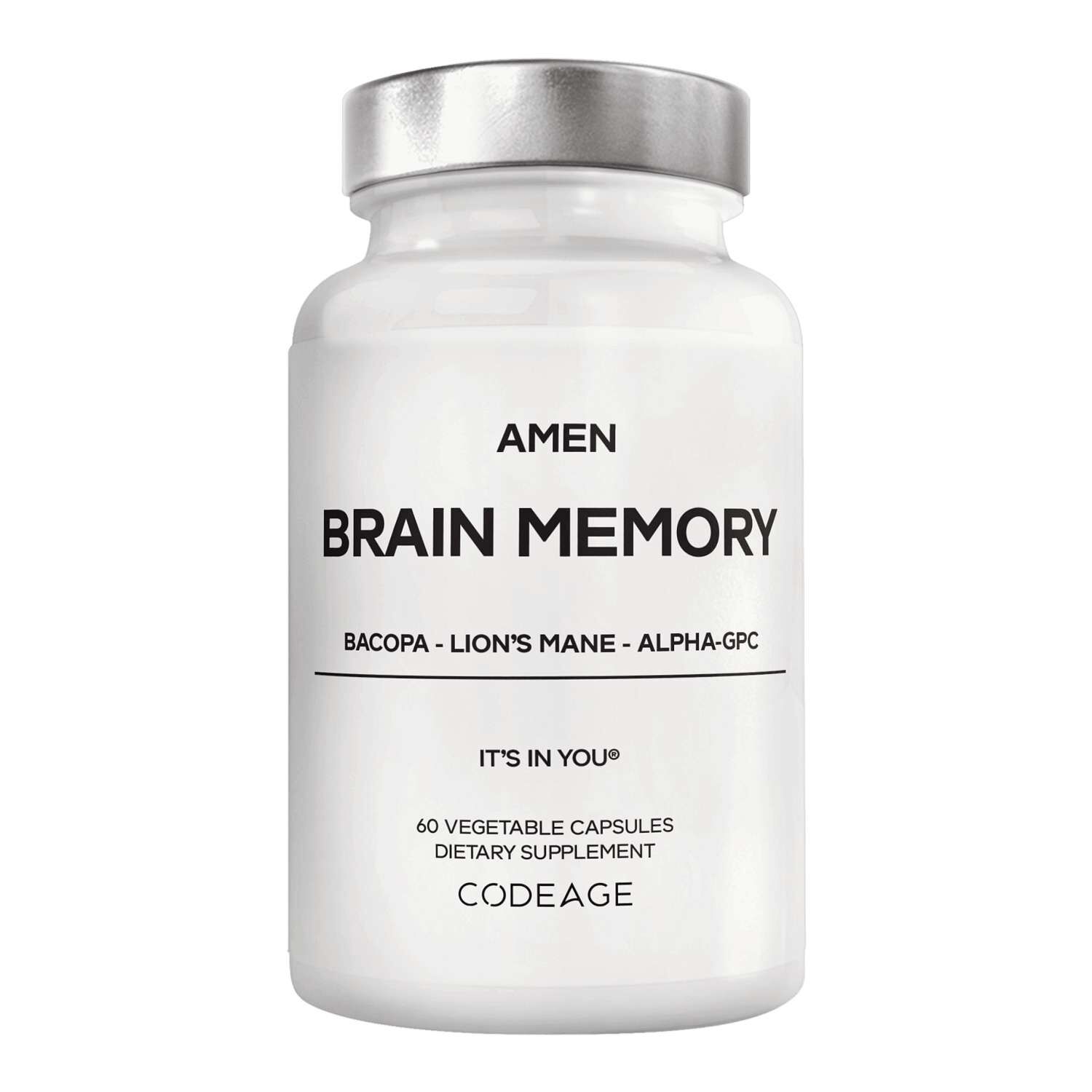


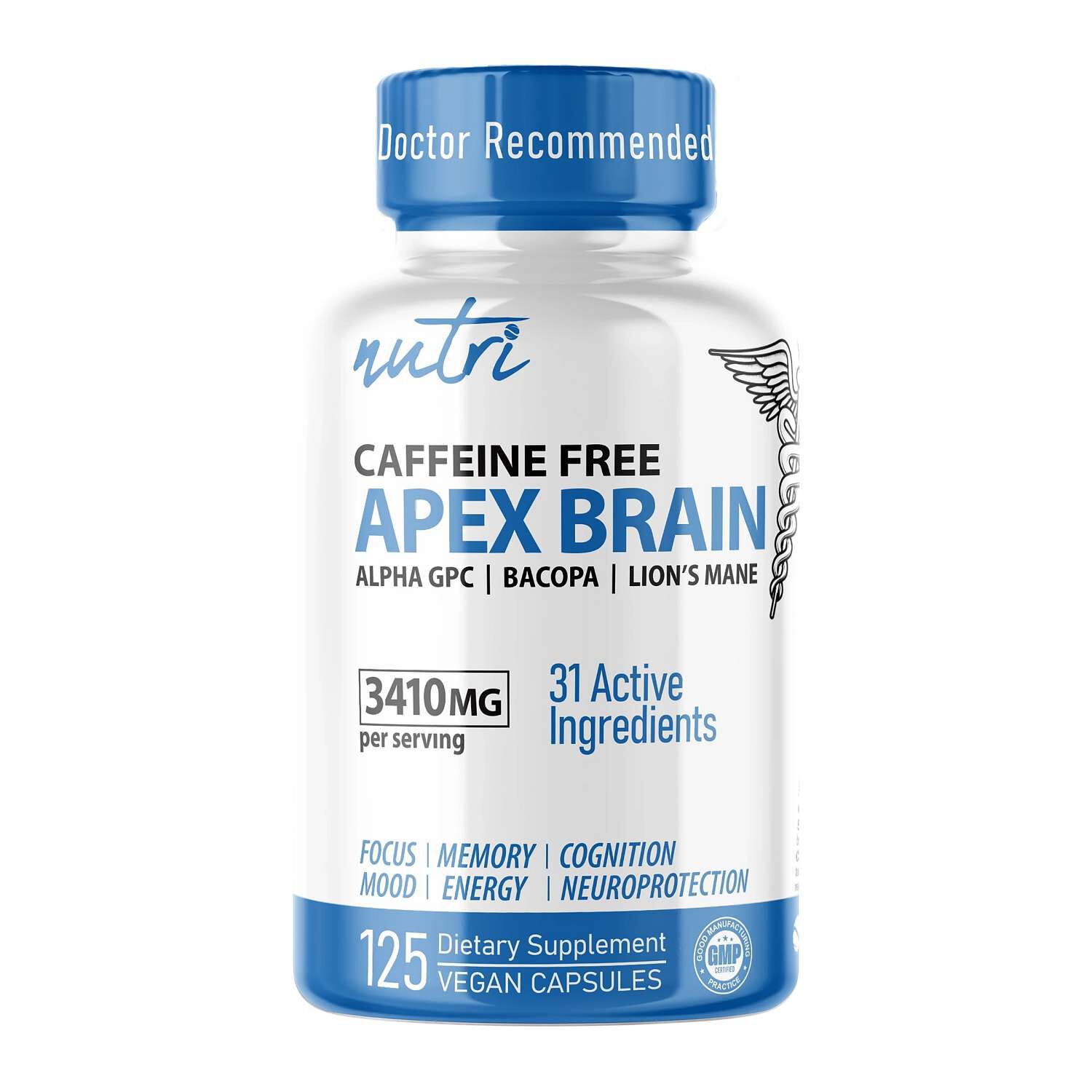
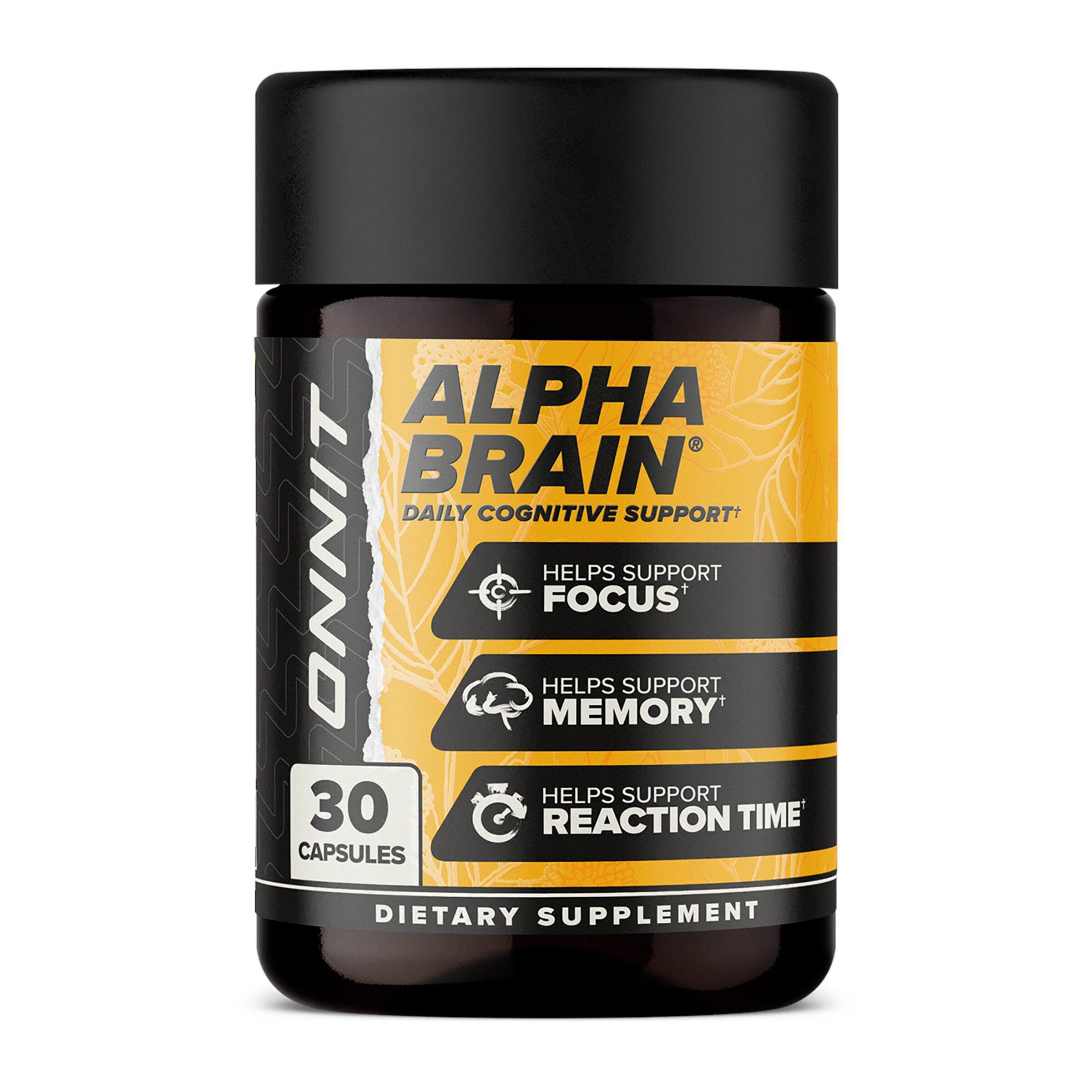

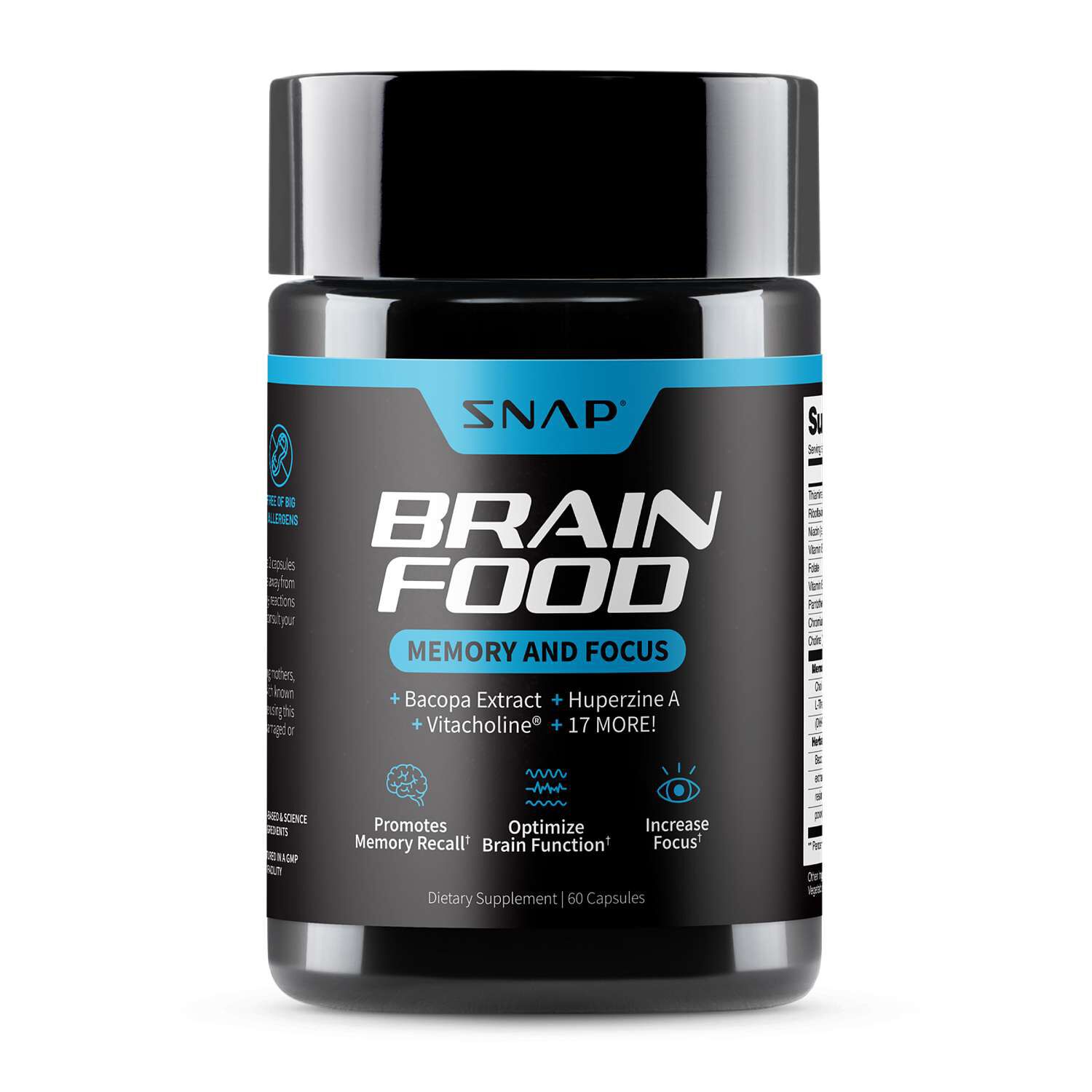
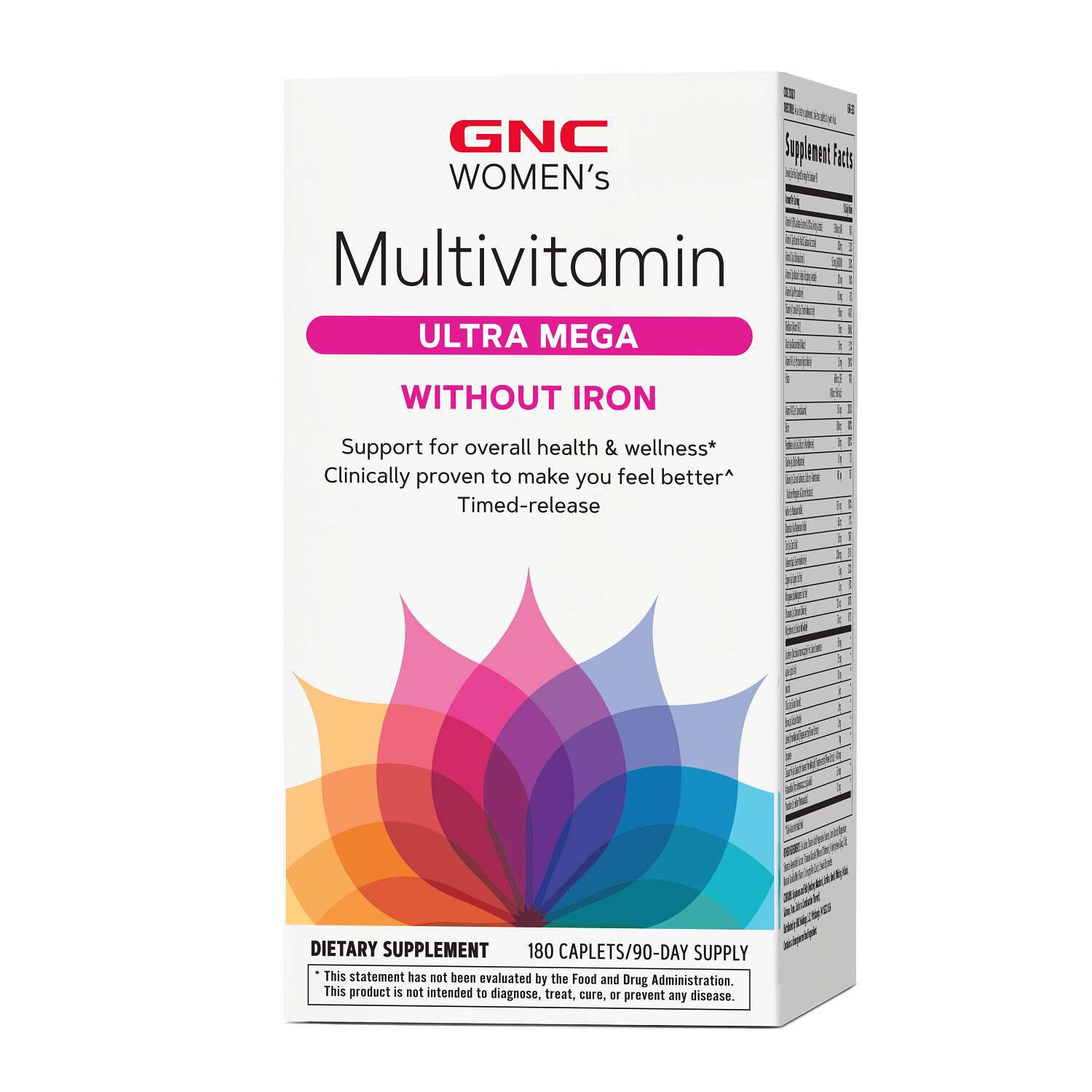
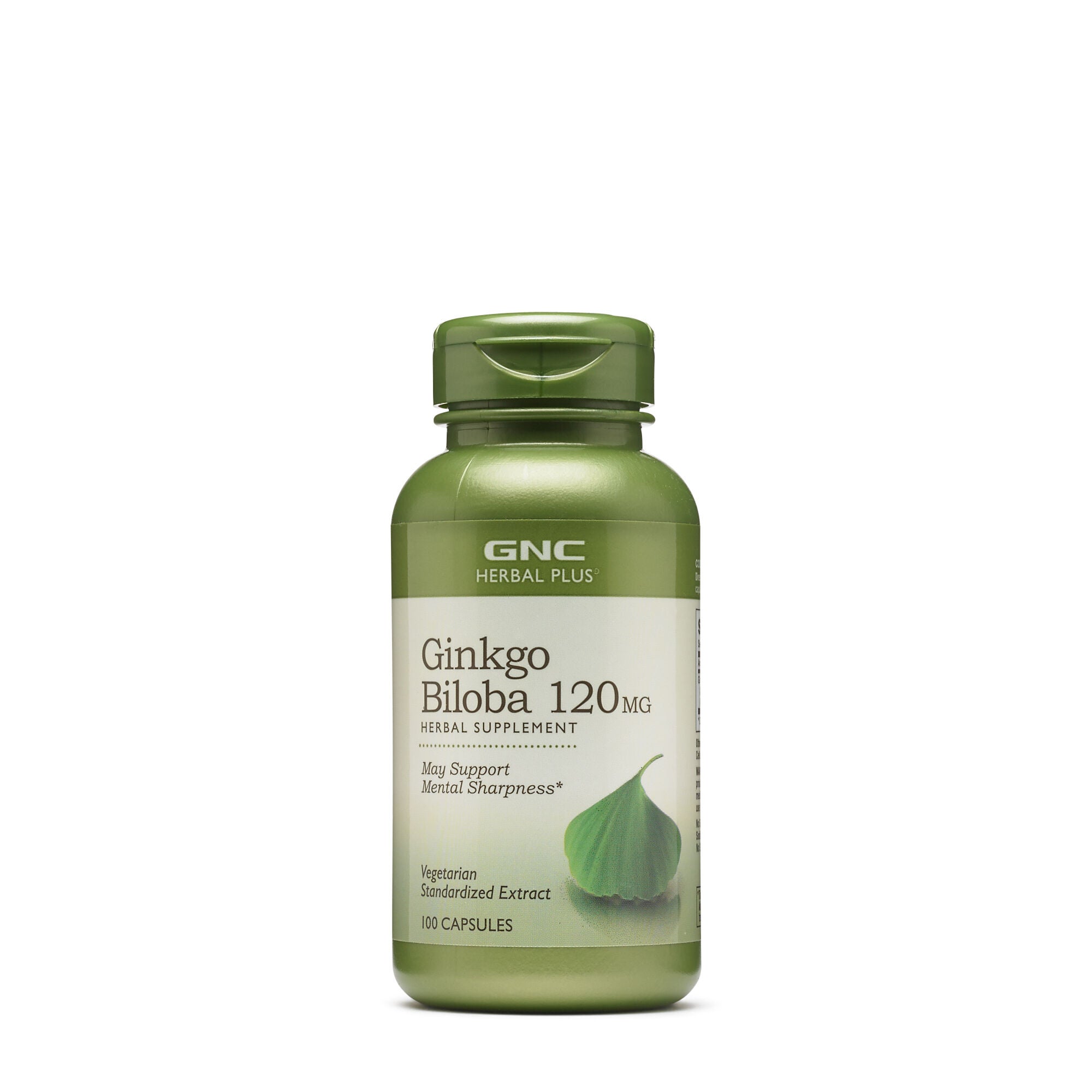
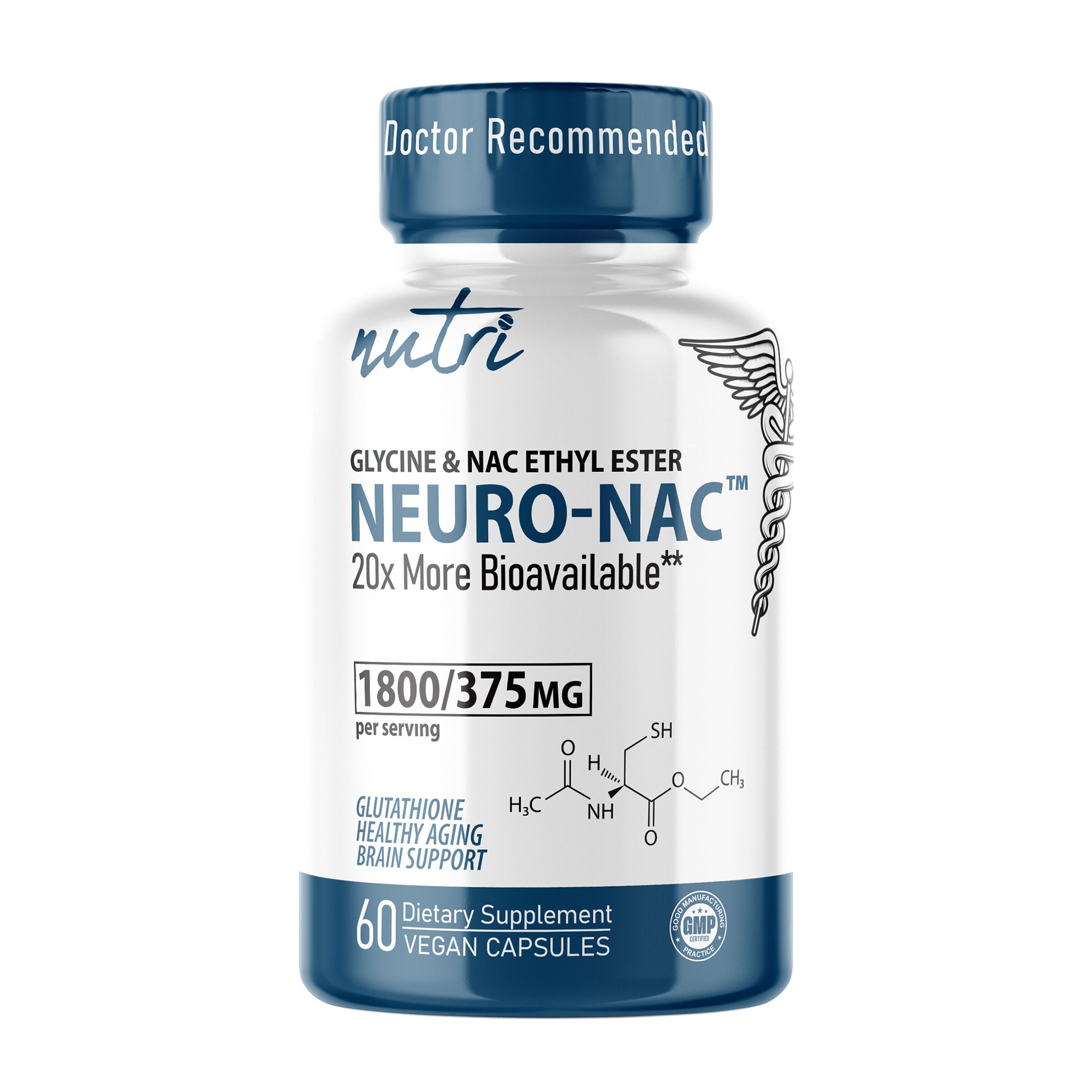

Nutrition for brain function brings together everyday food choices and supplements formulated around nutrients associated with cognitive wellness. Omega-3 fatty acids, choline, B vitamins, and vitamin E are among the ingredients shoppers may compare in this category. These nutrients come from different food sources, and a varied eating pattern may support normal brain function alongside regular sleep, movement, and consistent meals. Oats, brown rice, and other whole grains provide carbohydrates, which may contribute energy for everyday mental activity. Salmon, sardines, and other fatty fish contain the omega-3 fatty acids DHA and EPA, while walnuts, chia seeds, and ground flaxseed provide ALA, another omega-3 fatty acid. These names matter when comparing labels because plant sources of ALA and sources of DHA or EPA have different nutrient profiles. Eggs are a familiar source of choline; beans, leafy greens, and fortified grain foods contribute folate; and fish, eggs, dairy foods, and certain fortified foods provide vitamin B12. Nuts, seeds, and vegetable oils supply vitamin E, while berries and colorful vegetables add a range of plant compounds. Together, these foods offer a broader nutritional mix than any one capsule or powder. A breakfast of oatmeal with walnuts and berries, or a lunch with leafy greens, beans, and fish, illustrates how several nutrient sources can fit into an ordinary day. Supplements may complement that pattern when their ingredients align with a person’s dietary preferences and intended use, but they are not a substitute for varied meals. For shoppers exploring brain nutrition supplements, the useful starting point is the ingredient panel rather than an ambitious front-label description. A clearly identified nutrient, its amount per serving, and its source provide concrete details for comparison. That approach keeps attention on what a formula contains and how it fits a routine, rather than assuming that a longer ingredient list means a better match. It also leaves room for individual preferences, whether the priority is an algae-derived omega-3, a straightforward vitamin formula, or a particular serving format.
Comparing supplements for brain function involves looking beyond the largest number printed on the package. An omega-3 label, for example, may list the amount of fish oil separately from the amounts of DHA and EPA. Those figures describe different aspects of the formula, so comparing the same nutrient across labels gives a clearer picture than comparing oil amounts alone. Algae-derived options are another source to consider, particularly for adults who prefer ingredients that do not come from fish; the label identifies which omega-3 fatty acids are included. With choline formulas, both the named ingredient form and the stated choline amount deserve attention. Vitamin formulas may feature individual B vitamins or several together, and amounts may be expressed in milligrams, micrograms, or other units. Serving size matters just as much: one serving might mean one capsule, several softgels, a measured scoop, or a portion of a liquid. The number of servings in a container is therefore different from the number of capsules or pieces inside it. Ingredient combinations also vary. Some formulas pair vitamins with botanical extracts, while others focus on a smaller group of nutrients. For botanical ingredients, the plant name, plant part, extract description, and listed amount are useful comparison points when provided. A blend name alone offers less detail than a label that identifies its individual components. Some focus-oriented formulas contain caffeine, which may contribute to temporary alertness; coffee, tea, and other beverages belong in the same everyday comparison. Flavorings, sweeteners, capsule materials, and allergen statements also matter, especially for shoppers with dietary preferences or ingredient exclusions. A fish-derived oil, a gelatin softgel, and an algae-derived capsule can differ in ways that are not obvious from a category name. The Adult Brain Supplements collection provides a related place to explore adult-focused options with these label details in mind. A useful comparison considers the nutrient, serving amount, ingredient source, and format together, without treating formulas with similar names as interchangeable or assuming that a higher amount is automatically preferable.
Format and everyday handling can make a meaningful difference in how comfortably a supplement fits into an established routine. Capsules and softgels are familiar choices for adults who prefer a measured serving without mixing, although their dimensions and the number per serving can vary. Powders involve measuring and mixing, so flavor, texture, and the suggested preparation method become part of the decision. Liquids require attention to the measuring device and storage directions, while chewable formats bring taste, texture, and sweetener preferences into the comparison. A capsule shell may contain gelatin or a plant-derived material, and a powder may contain ingredients beyond the featured nutrient. These details are worth checking even when two labels highlight the same vitamin or fatty acid. Intended use should remain realistic and specific to the person shopping. An adult arranging breakfast before a commute, a student planning meals around evening classes, and someone working from a home office may all approach brain nutrition with different schedules and food preferences. None of those routines establishes a need for a particular formula, but each offers a practical setting for considering serving format, preparation, and storage. Someone who already carries a lunch bag may prefer a format that stays in its original container, while another shopper may value a measured powder used at home. Packaging deserves attention as well: a secure closure, a readable label, and a container suited to the serving format are useful features. Storage instructions can differ, including directions about refrigeration after opening or protection from moisture and direct light. Keeping the original packaging preserves the ingredient information, serving directions, and date markings for later reference. Following the labeled storage and handling directions may help preserve product quality throughout its intended use. For this category, a well-matched choice rests on understandable ingredients, clear serving information, suitable materials, and practical care—not an expectation of a dramatic change. Brain nutrition supplements may have a place within a broader wellness routine, with varied foods remaining an important part of the overall picture.
- Q: What nutrients are important for supporting brain function?
A: Key nutrients that support brain function include omega-3 fatty acids, B vitamins (such as B6, B12, and folic acid), vitamin D, antioxidants like vitamin E and C, and minerals such as magnesium and zinc. - Q: How do omega-3 fatty acids benefit cognitive health?
A: Omega-3 fatty acids, particularly DHA and EPA found in fish oil, help maintain the structure and function of brain cells. They play a role in memory, learning, and overall cognitive performance. - Q: Can certain supplements help with focus and concentration?
A: Supplements containing ingredients like ginkgo biloba, bacopa monnieri, L-theanine, or caffeine may help support mental clarity, focus, and concentration when combined with a healthy lifestyle. - Q: Are there specific vitamins that contribute to memory support?
A: Yes, vitamins such as B6, B12, and folic acid are known to support memory by helping maintain healthy nerve cells and supporting neurotransmitter production. - Q: How does diet impact overall brain health?
A: A balanced diet rich in fruits, vegetables, whole grains, lean proteins, and healthy fats provides important nutrients that promote optimal brain function. Staying hydrated and limiting processed foods can also benefit cognitive health.
Best Sellers

Related Pages
Top Collections
- Joint Mobility Supplement Packs
- Daily Collagen Supplements | Top Brands & Deals | GNC
- GLP 1 Support For Adults
- Zinc Supplements | Top Brands at Great Prices | GNC
- Supplements For Yoga Joint Flexibility
- Supplements For Balance
- Capsule Supplements For Energy And Stamina
- Adult Mobility Supplements
- Chronic Fatigue Supplements
- Vitamins For Hair Loss