





Protein For Sensitive Stomachs
(0 Results)
Finding the right protein for sensitive stomach issues may be a game-changer for those seeking to enhance their nutrition without discomfort. Protein powders and supplements designed with gentle ingredients might offer a soothing alternative for individuals who experience digestive sensitivities. These specially formulated proteins could support muscle recovery, energy levels, and overall wellness while being easy on the digestive system. Explore options that prioritize digestive health and discover how incorporating the right protein into your diet may contribute to a balanced and comfortable nutritional routine.

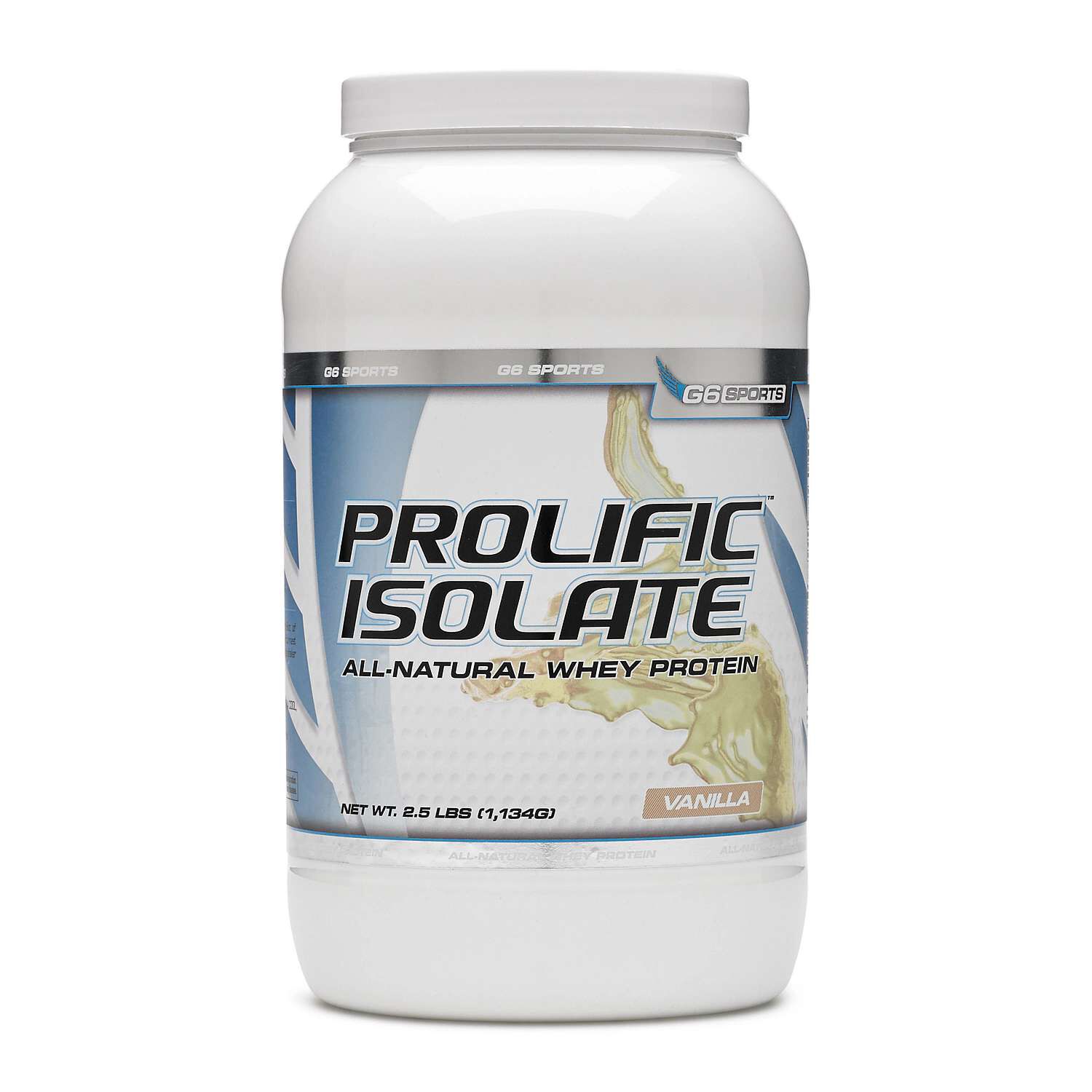

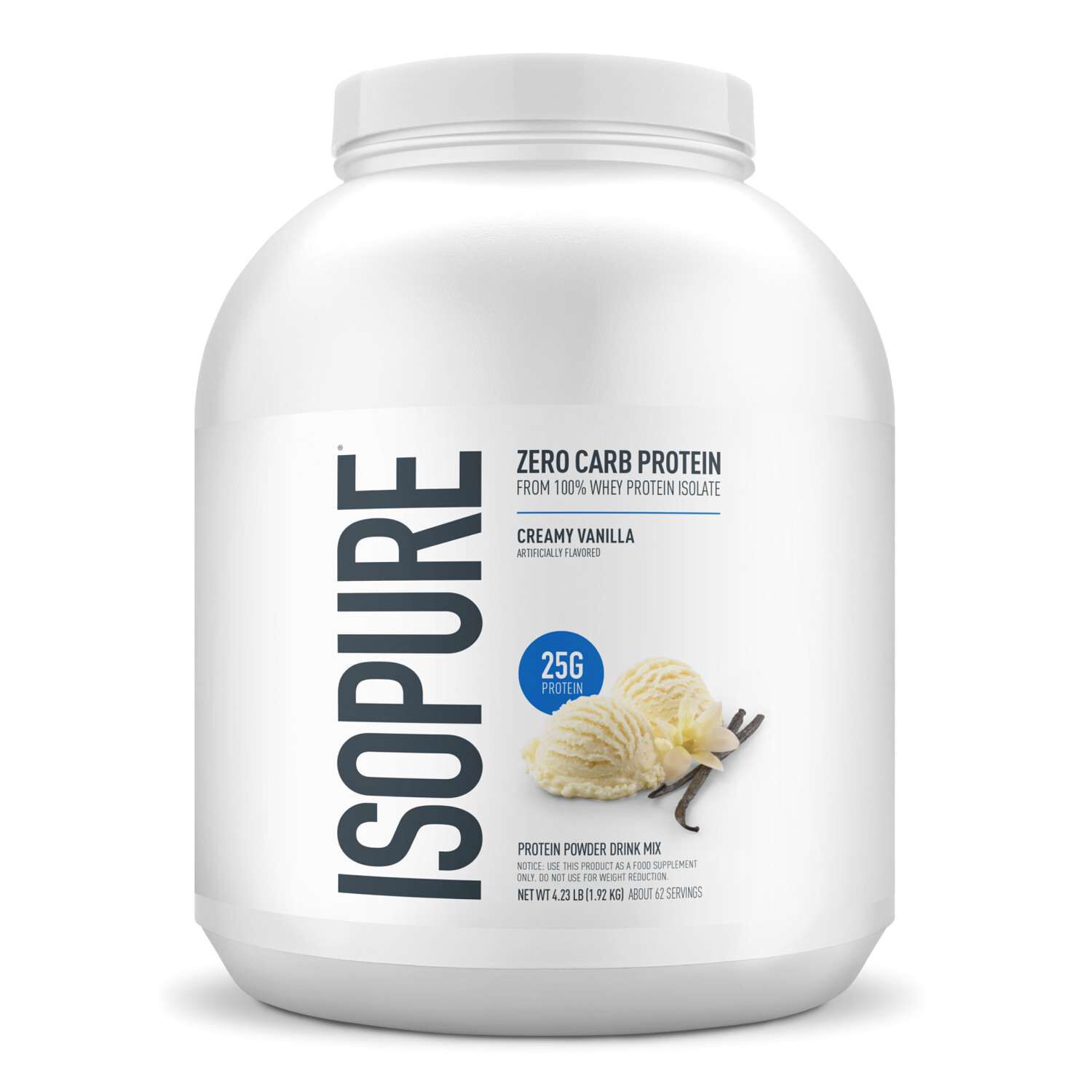


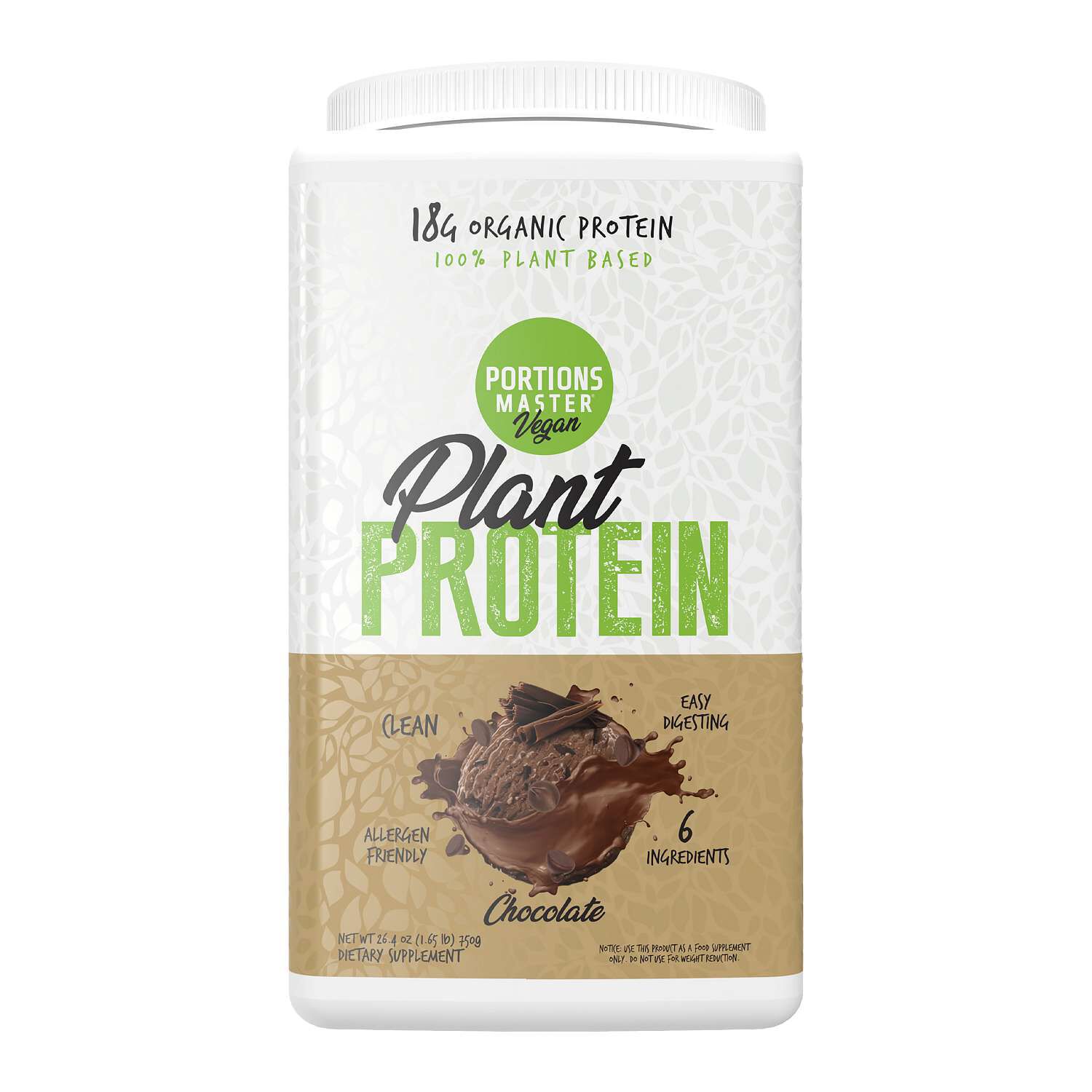

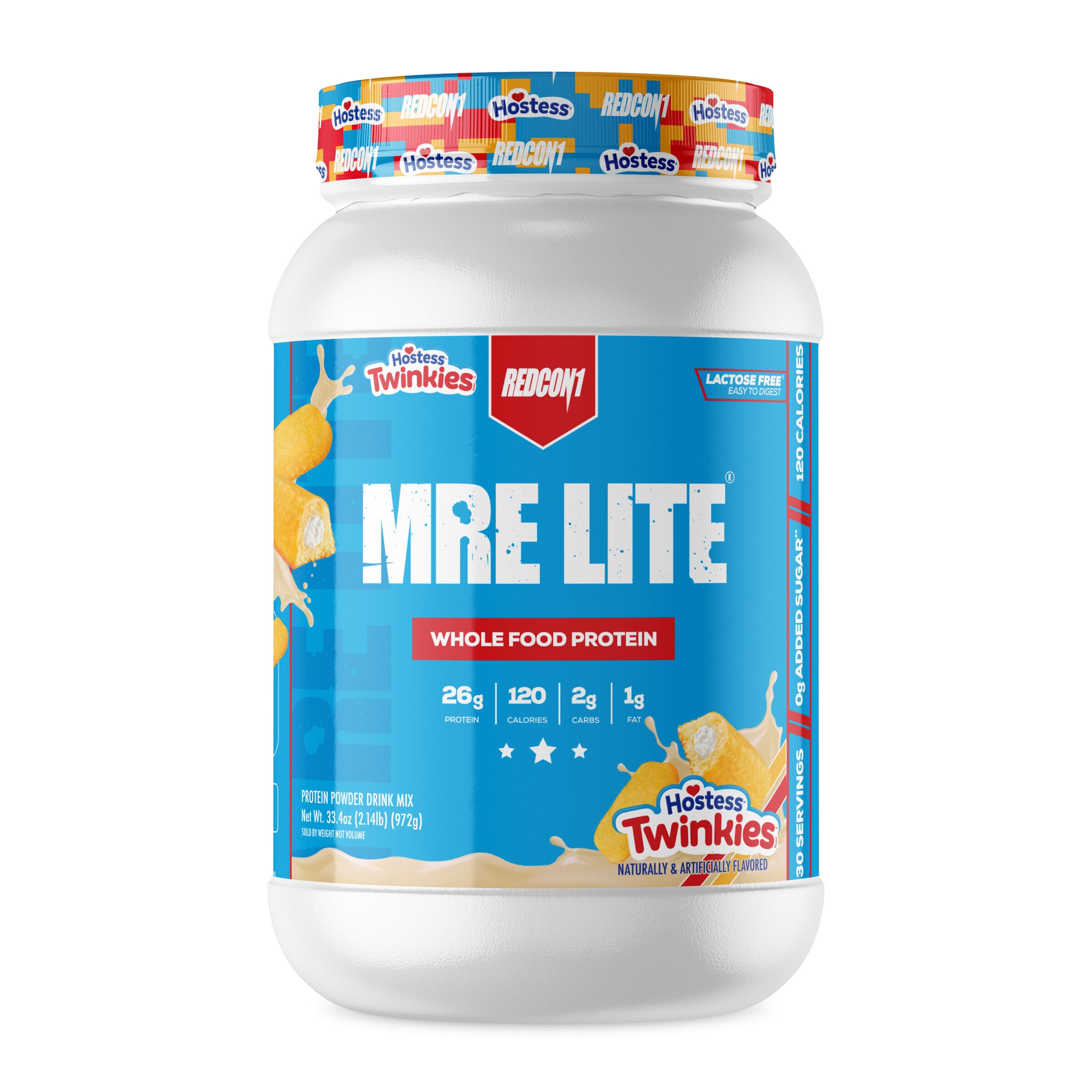


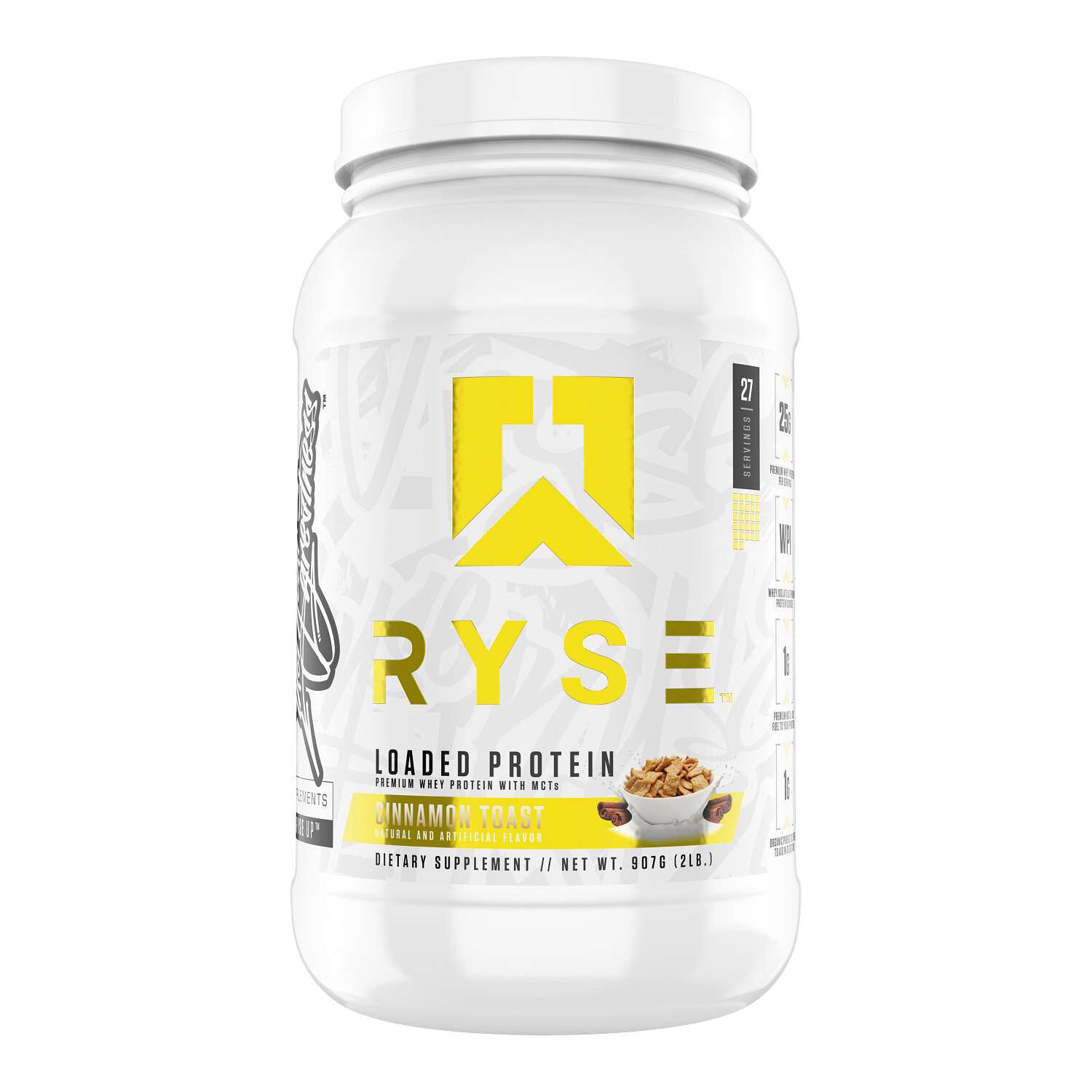
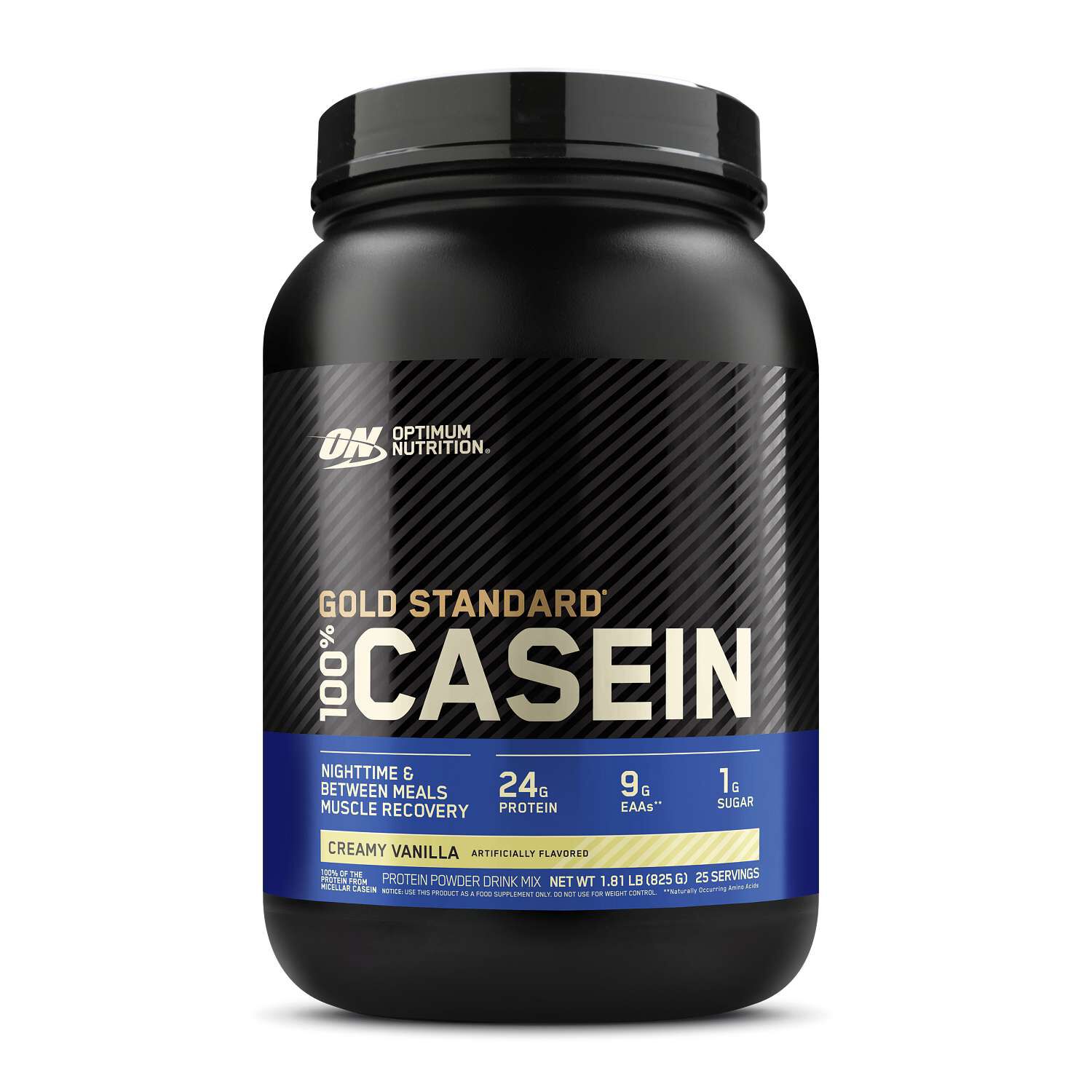
Protein for sensitive stomachs includes a range of powders with different protein sources, ingredient lists, and preparation options. Whey protein isolate, pea protein isolate, egg white protein, and beef protein isolate are common types to compare, but no single source is the right match for every person. The phrase describes a shopping preference rather than a uniform recipe: two powders with similar names may contain different sweeteners, added fibers, flavorings, and amounts of lactose. Whey protein isolate is derived from milk and generally contains less lactose than whey protein concentrate, although the amount depends on the formula and processing method. An isolate label alone does not establish that a powder contains no lactose or other milk ingredients. Shoppers whose preferences center on lactose may find more relevant choices among Protein Powders For Lactose Sensitive, where the source and ingredient details remain important distinctions. Pea protein isolate comes from peas and may suit shoppers seeking a plant-based protein source. Egg white protein offers another animal-derived option, while beef protein isolate has a different ingredient origin from milk-based powders. Neither source name describes everything else included in the container, so milk ingredients, flavor additions, and allergen statements remain relevant even when the main protein comes from elsewhere. A plant-based blend might combine pea and rice proteins, while a milk-based blend might contain both isolate and concentrate. These combinations differ from single-source powders in composition and often in texture. Protein content also varies by serving, making the nutrition panel a more useful comparison than the size of the scoop or container. For someone choosing a powder to mix after a workout, stir into breakfast, or pack for a workday, the most useful starting point is a clearly identified protein source alongside ingredient information that fits their established food preferences. Familiar ingredients and a preparation style that feels manageable may matter more than an elaborate flavor name.
The rest of the formula deserves as much attention as the protein itself when comparing options for a sensitive stomach. A powder can contain cocoa, vanilla flavoring, sweeteners, gums, added fiber, emulsifiers, or other ingredients that change its taste, texture, and nutritional composition. A shorter ingredient list may appeal to someone who prefers a simpler formula, but fewer ingredients do not automatically make a powder the better choice. The details are more informative than the ingredient count. Some shoppers prefer powders without sugar alcohols, such as erythritol or sorbitol, or without added fibers such as inulin or chicory root fiber. Others already include these ingredients in familiar foods and place more emphasis on sweetness, protein source, or serving size. Individual digestive comfort may vary, so broad descriptions such as “gentle” are less useful than a transparent ingredient list. An unflavored powder may suit someone who wants to choose the sweetness and flavor of each shake, although unflavored does not necessarily mean that protein is the only ingredient. Flavored powders may offer a more convenient match for a simple shake made with water or a familiar beverage. The nutrition panel adds another layer of context by showing protein, carbohydrate, sugar, and fat amounts per serving. Those numbers describe the powder as labeled, not necessarily the finished drink. Milk, yogurt, fruit, nut butter, and other additions change the finished recipe, and a shake with several additions is a different preparation from the same powder mixed with water. Serving directions are also relevant because scoop sizes differ across formulas. A heaped scoop from one container is not a reliable substitute for the measured serving listed on another. For shoppers who value consistency, a powder with clear preparation directions and straightforward serving information may fit more comfortably into an everyday routine. That clarity may be particularly useful when comparing a familiar formula with a new protein source.
Taste, texture, packaging, and intended use also shape the appeal of protein powders for sensitive stomachs. Some shoppers want a lightly flavored drink they can shake in a bottle, while others prefer a powder for oatmeal, yogurt, or blended recipes. Plant-based powders often have a different mouthfeel from milk-based powders, and unflavored varieties still have the characteristic taste of their protein source. Cocoa and vanilla may complement familiar breakfast ingredients, while a less sweet option may suit someone who finds dessert-style shakes too rich. The liquid-to-powder ratio matters to the finished texture: the preparation directions provide a starting point, and the permitted liquid amount may offer room for a thinner or thicker drink. A shaker bottle is convenient for straightforward mixtures, while a blender may be useful for recipes containing fruit or other solid ingredients. Neither preparation method changes the ingredient list, which remains the central reference for comparing formulas. Portable portions may appeal to commuters and gymgoers, while a resealable container may suit someone who prepares a shake at home. Packaging care is part of everyday use as well. The storage directions on the label, a securely closed lid, and a clean, dry scoop are practical considerations for powders used over time. Prepared shakes have separate handling needs, particularly when mixed with milk or other perishable ingredients, so the directions for the powder and the added foods both matter. Protein powders may serve as a convenient addition to an eating routine, but a protein powder is not automatically a meal replacement; its nutrition panel describes what it contributes. Across these options, the most meaningful distinctions are concrete ones: where the protein comes from, what accompanies it, how much is in a serving, and how the powder is intended to be prepared. Those details may help shoppers identify choices that align with their preferences without relying on a single ingredient or front-label phrase.
Best Sellers


Related Pages


Top Collections
- Joint Mobility Supplement Packs
- Daily Collagen Supplements | Top Brands & Deals | GNC
- GLP 1 Support For Adults
- Zinc Supplements | Top Brands at Great Prices | GNC
- Supplements For Yoga Joint Flexibility
- Supplements For Balance
- Capsule Supplements For Energy And Stamina
- Adult Mobility Supplements
- Chronic Fatigue Supplements
- Vitamins For Hair Loss